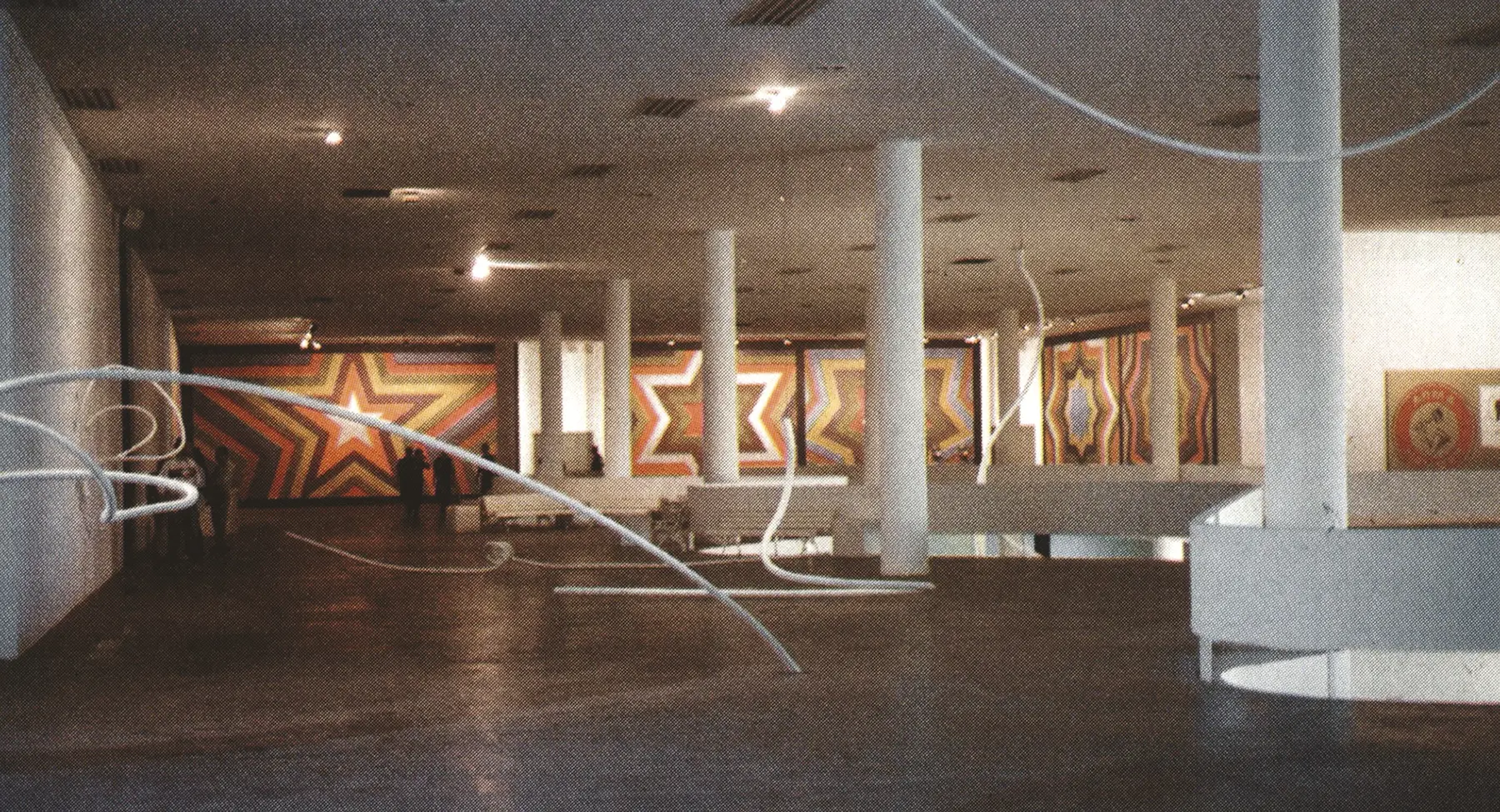
Once again, the São Paulo Biennial underwent substantial structural changes of an administrative, financial, conceptual, and operational nature. After almost two years' work, the general curatorial team, headed by Professor Nelson Aguilar, proposed a division of the show into three sections.
The museological section, already present in the 1994
edition, was significantly expanded. In another section, entitled Universalis,
six independent curators, as well as the general curator and his assistant,
prepared proposals on other geopolitical regions of the world, while in another
section, the second floor of the building housed the exhibits of the invited
countries—a total of 75 were present, with one artist per country. The dispersion
of the Biennial outside its own premises was less evident, with a series of
parallel exhibitions which broadened the panorama of Brazilian art for those
visitors to the Biennial.1
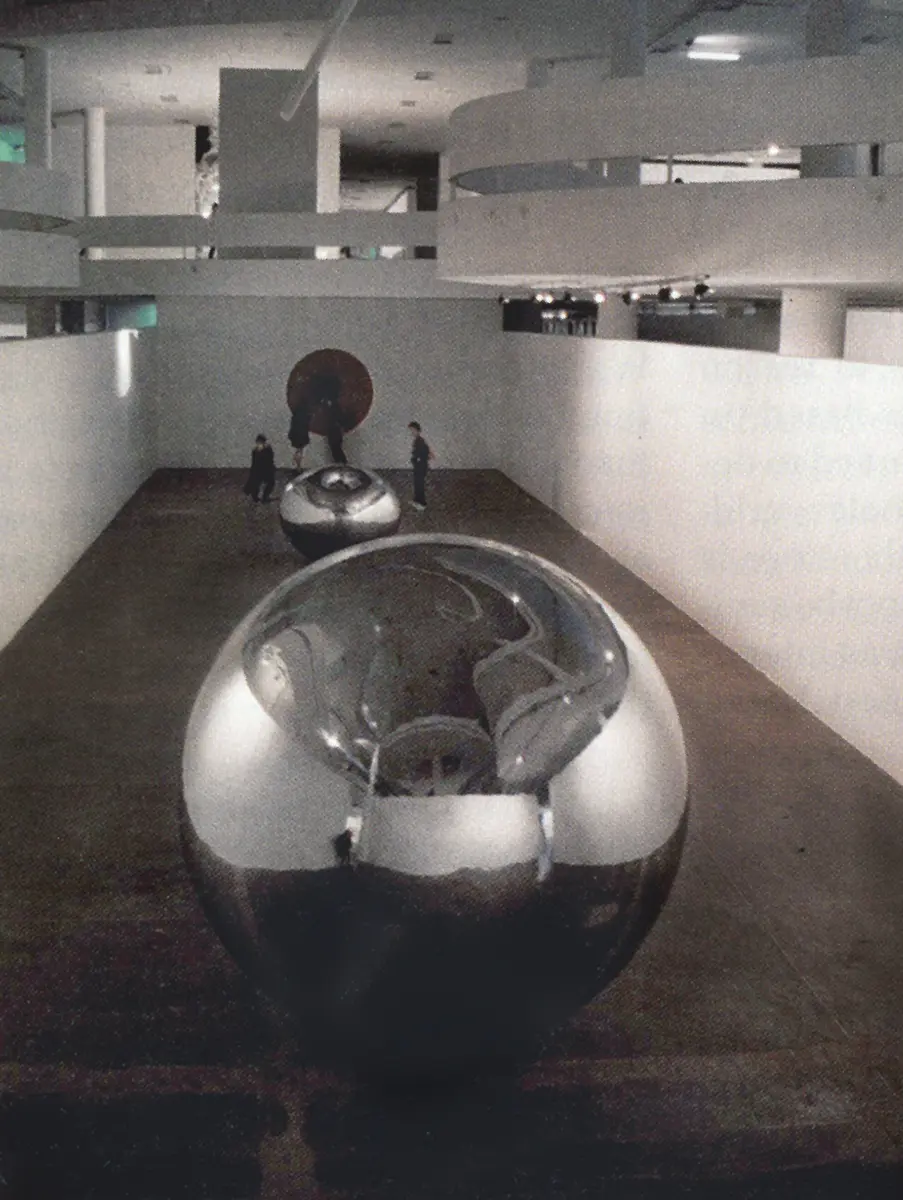
There is no space in this review for any discussion of the particular qualities of each of the rooms making up the museological space on the third floor, the Special Rooms. Eighteen "historical" artists, from Goya down to Anish Kapoor, Tomie Ohtake, and Basquiat, were represented under the guiding concept of the Biennial, "The dematerialization of art at the end of the millennium."
This complex conceptual framework resulted in a variety of interpretations, from the most literal to other contradictory views in the three segments of the event. The thesis of the general curator concerns the recovery of essences, rather than appearances; it is an attempt to emphasize conceptual content rather than its direct incorporation. A contradiction is suggested between two possible readings at the morphological and semantic levels.
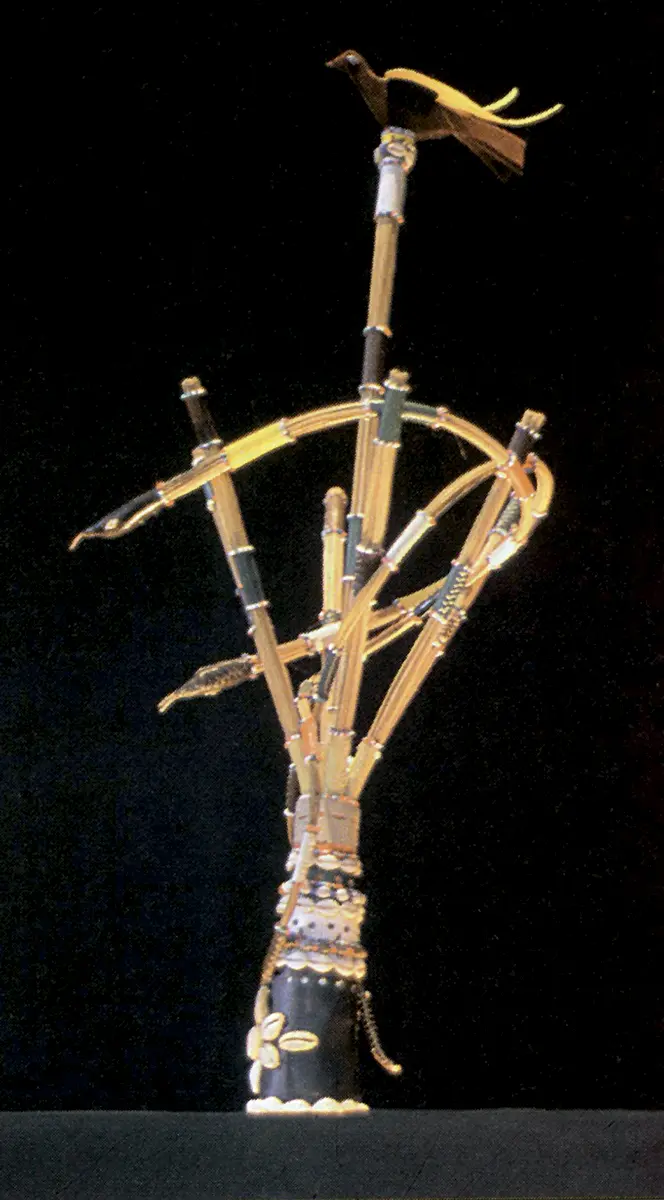
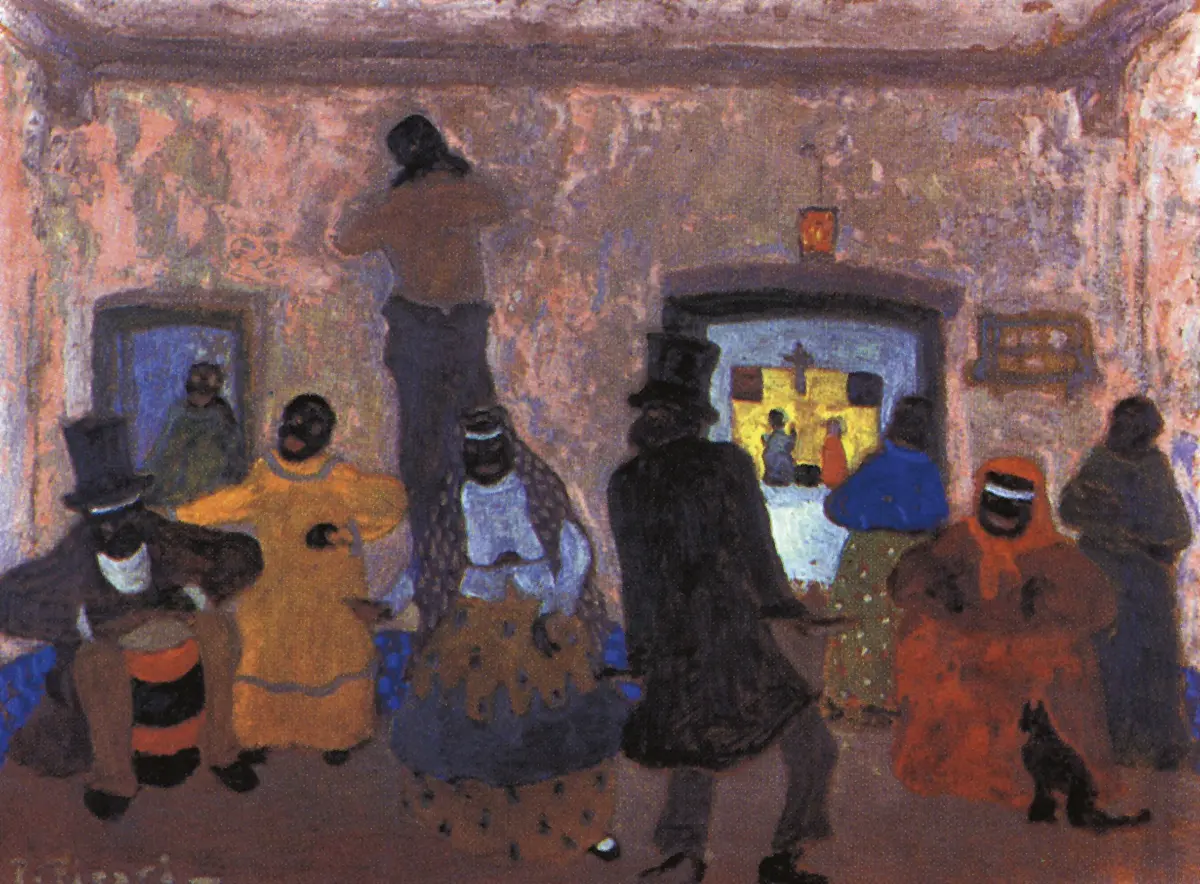
In his text on "The voices of dematerialization," Professor Aguilar explained his objective:"... It is impossible to deal with art without a work, without material, the mark of the immaterial is featured in a unique and varied manner in each masterpiece. Accordingly, dematerialization in art is performed in various manners, as for example in the precedence of the fantastic over the prosaic, as in Goya, Munch, Louise Bourgeois and Wiig Hansen; in art's conversion into its own constitutive elements—the flat cubist canvas in Picasso, or the line, tonality and colors of the artist/teacher Paul Klee, or yet in Cy Twombly's work; in the transformation of volume into lines, in Gego, or near the opposite, the breath of calligraphy turned three dimensional, in Tomie Ohtake; in the dialogue with the divine, in Wifredo Lam, Mestre Didi, Rubem Valentim and Arnulf Rainer; in the rendition of contemporary society as trade marks by Andy Warhol or Jean-Michel Basquiat; in the indexes of nothingness in Anish Kapoor; and the return to one's birthpalce in Pedro Figari and Qiu Shihua."2 The texts refer to the artists of the museological rooms, but the idea of dematerialization held sway over the entire Biennial.
Similar or equivalent arguments can be invoked concerning the work of many artists. The works in the special rooms, under the direct responsibility of the general curator, illustrated a curatorial thesis which seems foreign to the works themselves. The result was incomprehensible and even misleading for the general public: the term "masterpiece" could not be used univocally in the case of Goya and Picasso, Valentim and Basquiat. It should also be noted that the 18 artists belonged to quality levels that varied considerably in the history of art.
What was undeniable was the attraction of these rooms,
or at least some of them, for the Biennial as a whole. One did not go to see
the Biennial, but to see Picasso, Goya, or Klee. In fact, there were special
tickets with different prices for such visits, which was an excellent idea, and
of educational value for many people. But it is worth asking whether the
enormous effort involved in this museological presentation was consistent with
the main objective of the São Paulo Biennial. It would seem that those objectives
should be redefined and clarified. Could not the event be made a showcase for
art from the continent, for example? That this third floor of the building,
properly amplified and equipped to house major traveling shows, is used when
there is no Biennial is a fine idea. But does the Biennial, as an event, need a
mini-museum as an annex? It would seem rather that the special exhibitions
should serve as a complementary argument to the Biennial exhibition, rather
than a lampshade to obliterate it.
One point worth making is the following: of the 18 master artists presented in the museological rooms, six were from Latin America: three Brazilians: Tomie Ohtake, Mestre Didi, and Rubem Valentim; along with the Venezuelan Gego, Lam, and Figari.
The Figari exhibit, curated by Jorge Castillo, was very moving, with more than fifty high-quality pieces:3 the pampa and its human, animal, and vegetable inhabitants; the urban rites of the fiesta, the earth streets and the patios; the sky and the moons in several landscapes. The memory of an imaginary past, which the artist placed at the center of modernity through his unusual plastic language. But can the work of the great Uruguayan artist be seen as a path towards dematerialization?
With the Lam exhibit, Gerardo Mosquera insisted on an argument that has been developed for some time now: the re-situation of the fundamental criteria that govern Latin American art production and its analysis. A similar posture was evident in the exhibitions of Mestre Didi, curated by the artist Emanoel Araujo, and Rubem Valentim, presented by the Foundation of the same name. If Lam is a universal artist, the other two are local artists, and outside their immediate context, their works are very debatable.
Neither were the enormous curved white cubes by Ohtake part of the best work of this great artist. The calligraphic gesture becomes materialized and is made more concrete in a banalized material. "Set around the exhibition room and arranged at different heights, the pieces function according to the movement of the spectator's eye...."4 Neither the idea nor the solution proved particularly significant.
A criticism can be levelled against the white
exhibition room housing the pieces by Gego: the montage included too many
works. The almost magical transparency of the pieces was thus masked and almost
obliterated by the inevitable visual congestion. The sculptor did not propose
her works in terms of a continuum: each piece has its own characteristic
structure, and this was lost in the cluttered montage.
Another criticism, this time concerning an interloper on the museological floor, the panels of Sol Lewitt, the national representative of the United States. Why this special placing of the works? This was the only apparent flaw in the well-designed overall installation. It is true that Kapoor's pieces were on the first floor, but they are so heavy—more than two tonnes—that it was impossible to put them on the museological level.
The Universalis sector divided the artistic world into seven regions. The curators appointed for each region selected between five and seven artists, whose works did not necessarily constitute a single discourse. Thus, Universalis was a reflection on the manner of exhibiting, a tautological situation in the show, which proposed itself as an object of study. The system of perception is enhanced, with groups of works being organized through interpretational means made explicit by each curator in their texts; an attempt was made "to establish a debate focusing on this state of things wich characterize contemporary life."5 The subtitles chosen by each curator indicated the enormous variety of responses: Marginal notes (Brazil), The alienation of the other and the perversity of Western influences (Africa and Oceania); Fools' gold (North America), Re-materialization (Latin America); Hearing the others (Asia); Diaspora 96: An art to freeze better times (Western Europe); Utopia, irony and dislocation (Eastern Europe).
Universalis was the most interesting section of the
Biennial. Although somewhat uneven, the works presented by the seven curators
helped situate the complex problem of contemporary art by emphasizing the
tensions created by globalization, justly denouncing the elements of artifice
and artificiality in this concept, and highlighting particular situations with
languages that can, in general, be considered universal.
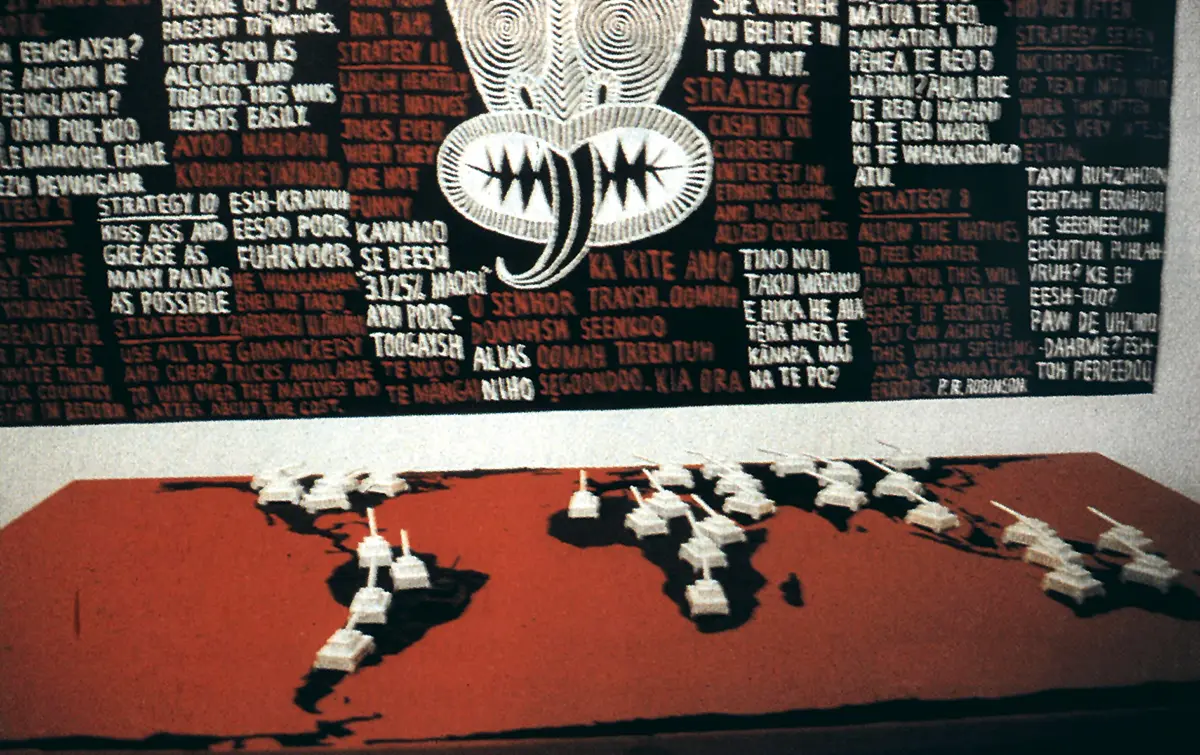
In the Latin American exhibit curated by Mari Carmen Ramírez, particularly interesting was the performance by Maria Teresa Hincapie, whose poetics focus on the condition of women, the act of doing and undoing, collecting, keeping, and arranging, the marking out of a territory of one's own. The work lightened the somber atmosphere of the other pieces: the terrifying cell by Luis Camnitzer, the heavy installation of the Chilean Gonzalo Diaz Diaz, the rather obvious proposal by Brey (Cuba), consisting of worn out tyres, feathers, ventilators and a grafitti referring to wings—the reference to Kiefer was immediate—or the montage with "poor materials" by Hernández-Diez (Venezuela).
If to these artists we add the Brazilian
representatives, in an exhibit curated by Aguilar and Agnaldo Farias, we can
say that Latin America offered a dense, highly intellectualized language, the
late inheritor of Duchamp and Beuys, along with certain technological
resources, in particular closed-circuit television screens. The trend towards
the return to the sources, to artisanal crafts, which was very visible in
previous editions, was not very noticeable this time, with the exception of the
work by Flavia Ribeiro.
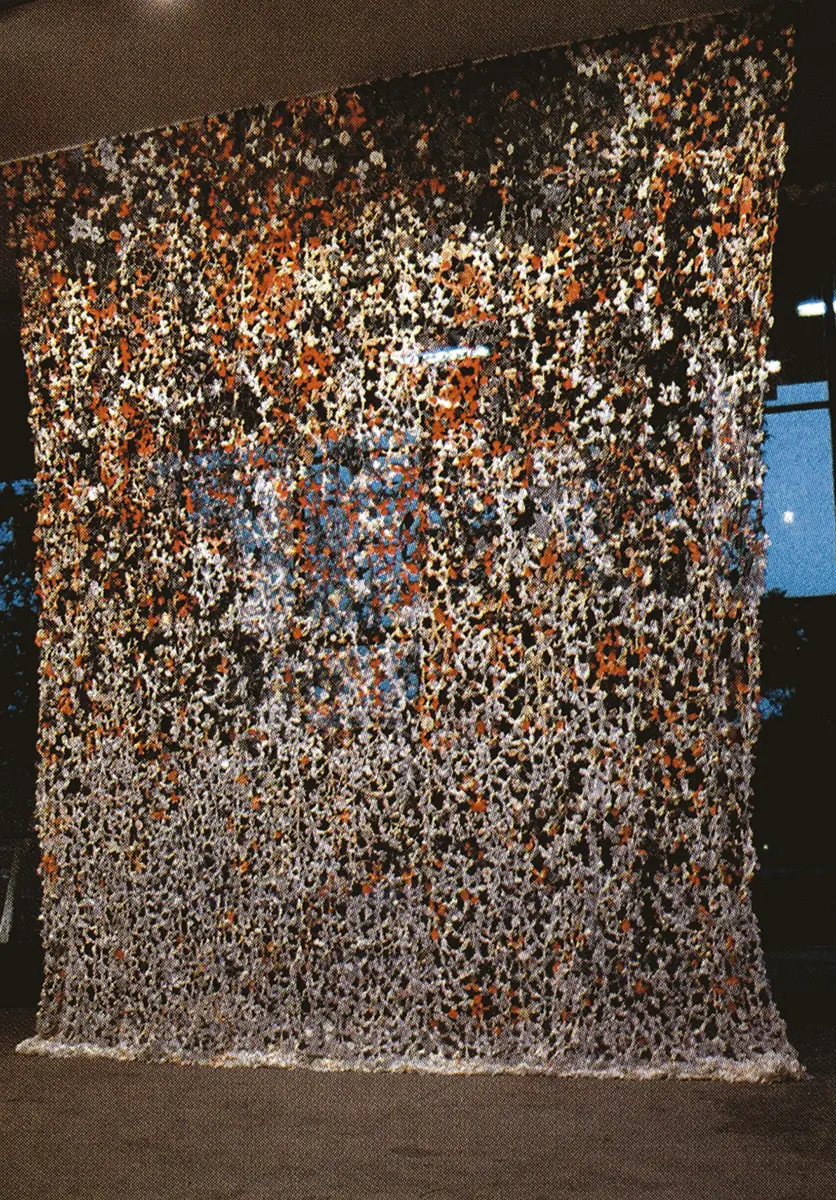
A counterpoint was provided by the selection by the North American Paul Schimmel, curator of the Museum of Contemporary Art of Los Angeles. Six artists from the latest generation who "have found that it can renew the potential of art through devalued elements, such as decoration (the gigantic curtain of artificial flowers by Jim Hodges), craft (the architectural maquettes of Julie Becker), and obsessive fabrication.") The proposal was audacious, although perhaps not fully convincing. Schimmel seeks a parallel between this generation and that of the pop artists, who dared to deconsecrate abstract expressionism. The exhibit made me think of The Unbearable Lightness of Being rather than any future Warhol, Oldenburg, or Lichtenstein.
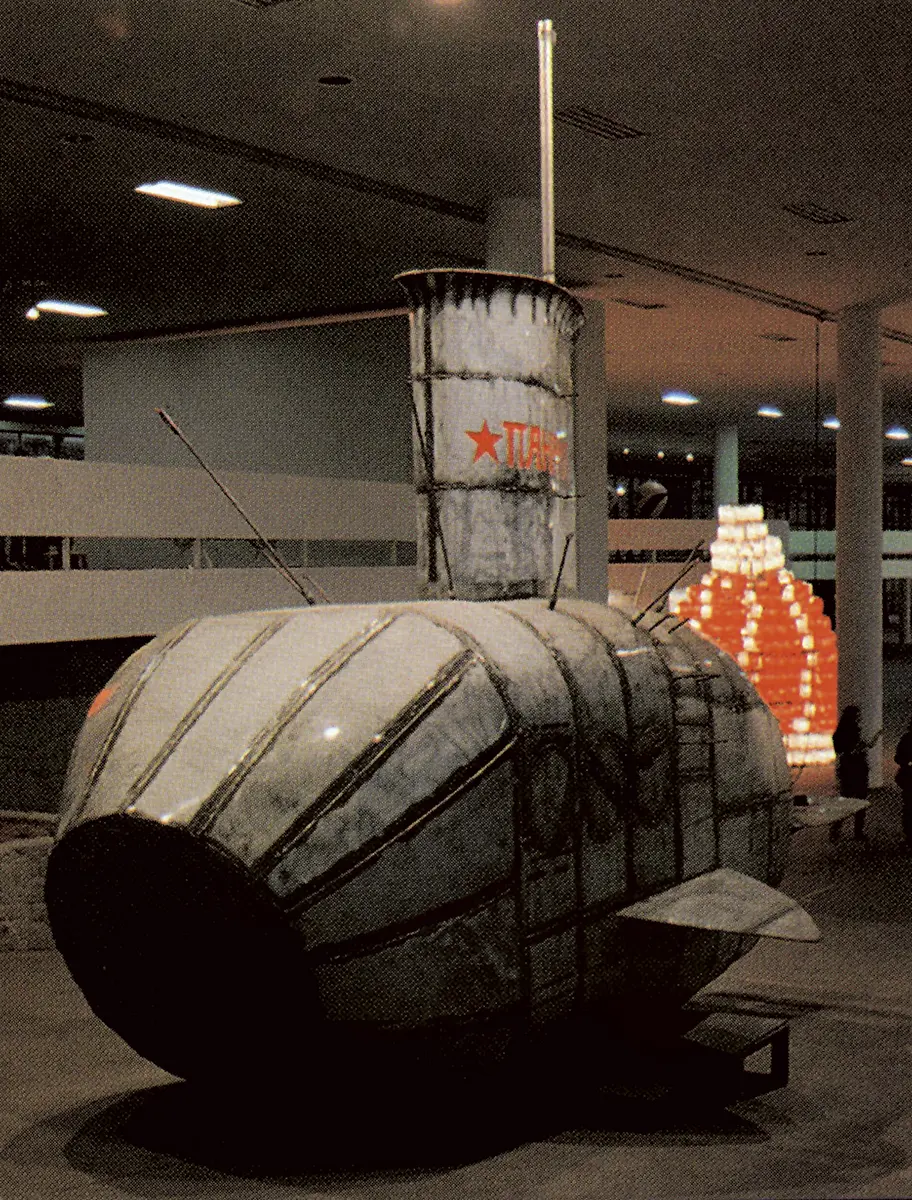
The artist as a critical conscience vis-à-vis telematic globalization seemed to be the main thrust behind the Western European selection, curated by A. Bonito Oliva and Nicolo Asta. The section included Ben Jakober and Yannick Vu, with their Game of Suffering and Hope—an installation in which the spectator "received" the impact of a double mechanism for target practice, the semantic and visual oppositions of Fabro, the ironic utopia of Panamarenko, whose submarine was beached on one of the ramps of the building, the radiant colors of the electronic pictures by Wim Wenders, the critique of history by Braco Dimitrijevic, works by Enzo Cucchi and the visual games of Shirazch Houshiary. The artistic range established by the exhibit was closer to aporia than definition.
Katalin Neray, the director of the Ludwig Museum of Budapest, selected six artists from the countries of Eastern Europe, all of whom make a critique of the now-defunct totalitarian system. The presentation presented an anguished world of waste material, of broken illusions, unfinished projects. The curator herself spoke of post utopia.7 What was a source of anguish for the Western spectator was that the hope, the possibility of a new democracy, the recovery of freedom do not seem to have left any mark on artistic expression. Is the past such a heavy burden, or is the hope of a better future yet another utopia?
The presence of artists from Africa and Oceania proposed the need for a non-Eurocentric view already emphasized by the French curator Jean-Hubert Martin in his exhibition Les Magiciens de la Terre.8 There is a good dose of Messianic, crusading spirit in such endeavors. Despite the various attempts made to date to establish equality in exhibition terms between the Western artistic tradition and the so-called primitive expressions, they have failed, if not at the theoretical level, then certainly in terms of the artist-public circuit. In the final analysis, the problem is more ethical than aesthetic, but the confrontation goes beyond the subject of Western agnosticism vs. «primitive» religiosity pointed out by the curator. The West does not have the right cultural keys to make a correct semantic interpretation of the symbolic production of other cultures. Inevitably, therefore, it decontextualizes such production, altering it and subjecting it to foreign codes and distorting it—as reflected in the title of the text, which justified its presence at the São Paulo Biennial. The call for recognition of alterity and cultural plurality, which has come forth from Latin America, for example, is still not universal or sufficient. The imaginary museum continues to be imaginary.
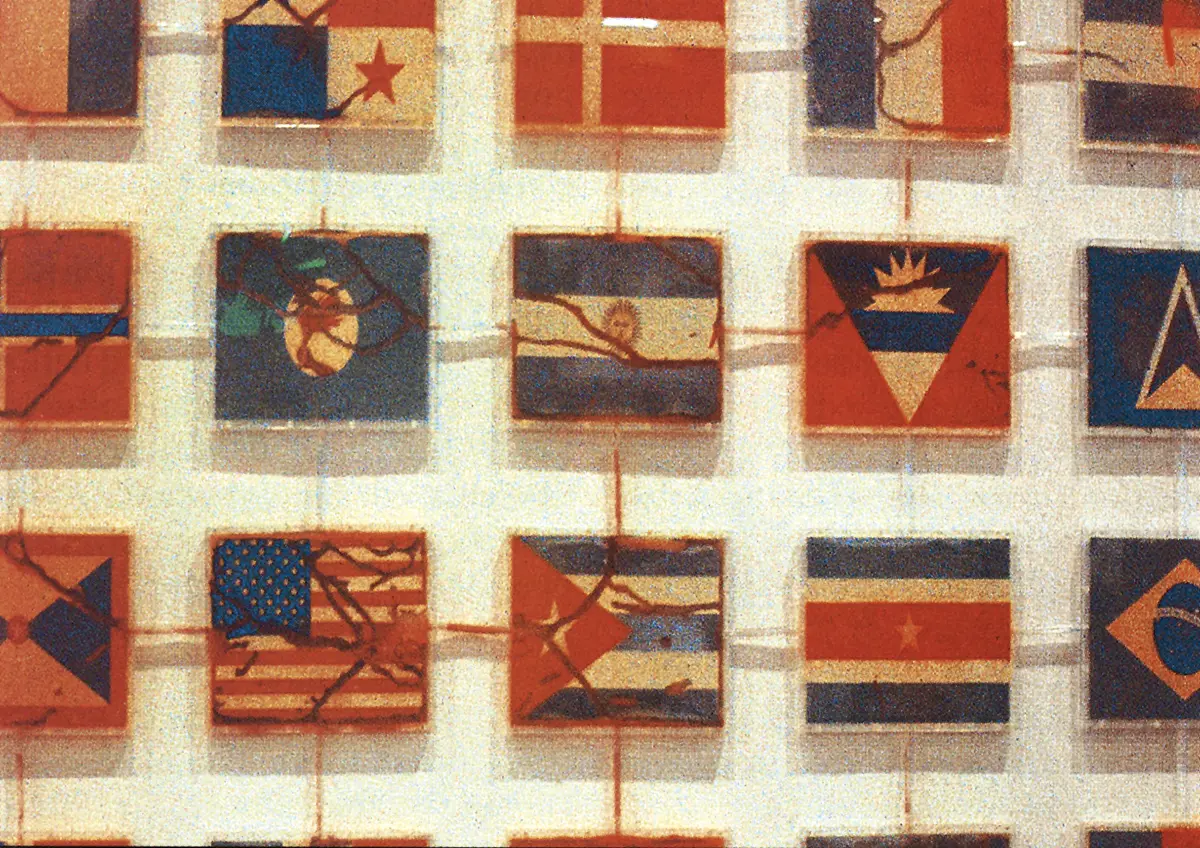
The five artists from Eastern Asia selected by Tadayasu Sakai, Director of the Museum of Modern Art of Kamakura, Japan, reinforced the anti-Western thesis proposed by other regions. But they did so, paradoxically, with languages that did not pose any insurmountable barriers at the conceptual or visual levels. The critique of the rationalist and scientific twentieth century—which led to the creation of the atomic bomb—in the work of the Chinese artist Cai Guo Qiang or the curious systems of deconstruction of the flags of the world which the Japanese artist Yukinori Yanagi entrusts to living ants in his work entitled World Flag Antr Farm, which was awarded a prize in the invited artists section in Venice in 1993, were both explicit metaphors. Whether from Indonesia or Korea, China or Japan, these contemporary artists are searching for a compromise that will reveal the nature of their current societies: an energetic mixture of tradition and the future.
The most traditional section of the Biennial, the
country exhibits, occupied the entire second floor, with the exception of the
United States artist mentioned earlier. A joint effort by the general curator
and the montage team, under the direction of the architect Paulo Mendes da
Rocha, achieved a balanced distribution that put an end to the unfair regional
discrimination so evident in earlier editions.
As noted earlier, the countries that attended the Biennial each sent only one representative. Paradoxically, the question of nationality thus became a matter of secondary importance. The works had to speak for themselves in the resulting Tower of Babel. A dozen or so artists managed to achieve this goal. A similar number occupied a secondary level and acted as a counterpoint. A good many did not emerge from the general background, which helped to focus attention on the outstanding works, although the montage itself did not set any a priori system of valuation. The attentive visitor had to make his or her own reconstruction of the regionalized proposal on the second floor in the context of the Universalis exhibitions.
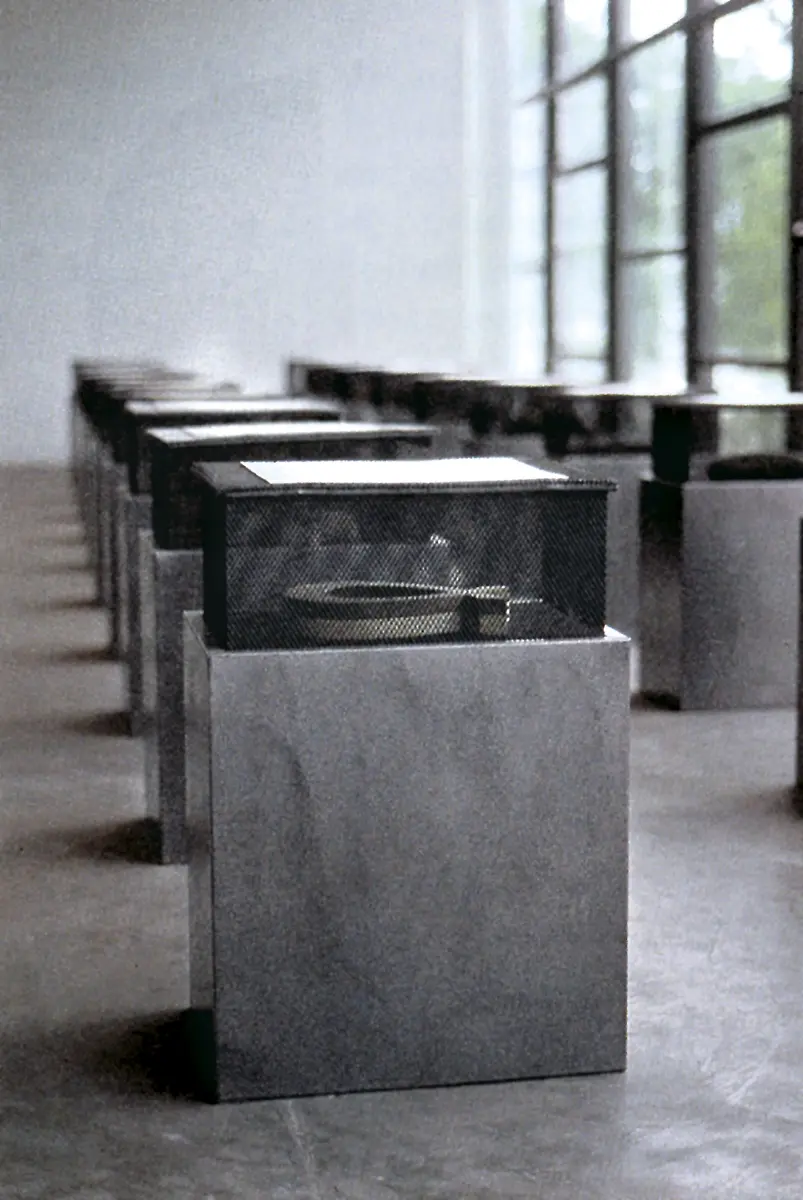
The catalogue for this section, without any special title, presents the works alphabetically. Special mention should be made here of the following national exhibits: the South African representative Willem Boshoff, with an installation entitled Blind Alphabet, an open work begun two years ago, which proposes ways of avoiding prejudice based on black/white vision. This three-dimensional alphabet has so far a total of 338 finished units, and more are being constructed. In São Paulo, 77 were on show from the letter C (Coculiferous to Cymbiform). Each unit consists of a tall pedestal, a kind of black box base with a mesh box on top. Inside, there is a sculpted wooden object. On the lid, a long description of this object in Braille. «If we invert the power relationship, the work generates a dependency on touch and the ability to read. Without the presence of blind persons, Blind Alphabet becomes a futile exercise in aesthetics», the artist pointed out. Those who cannot see can show those who only look how to see.
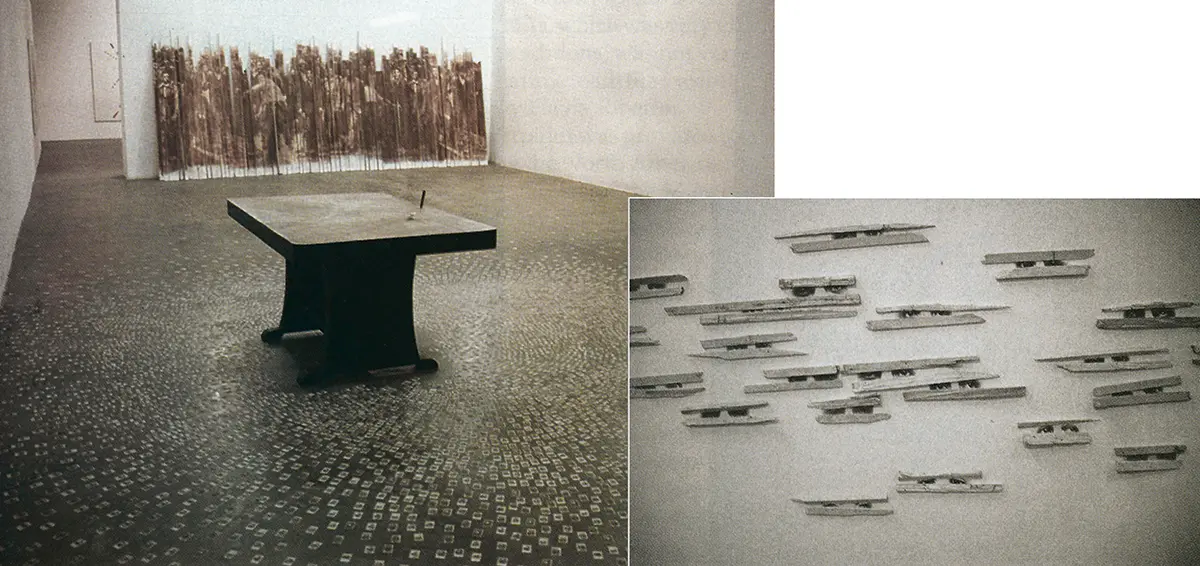
The proposal of the Argentinian artist Graciela Sacco was to generate critical interferences in the established circuits. These intromissions are based on the use of counterfeit stamps, postcards, street posters, and television. The barricade The Fire and the Vespers, the installation I am also from here—a table covered with a map of the world, with a fork piercing a stam with a vociferating mouth, and on the Argentinian territory, hundreds of stamps with the images of other mouths approaching the table—or the mural relief Waiting for the Barbarians—Eyes prying between the cracks—were direct works, well resolved and solidly constructed.
Brazil chose Waltercio Caldas as its national
representative, and it was quite right to do so, because Caldas is not only one
of the artists most closely linked to the overall idea of the Biennial, but his
refined proposals, suggested through slight curves in steel or wool, create a
sense of suspension in the spectators "pulverize the acuity of vision" and
emphasize "the consciousness of an interval."8 With a reductive language
reminiscent of minimalism and rejecting any kind of parody or mimesis, this
Brazilian artist is one of the most universal voices of Latin America.
The Italian architect Umberto Cavenago explored the theme of the Biennial in the most literal manner possible. His immediate referents are the hackneyed phrase of Leonardo that "...art (painting) is a mental affair" and the remark by Blake that all men are capable of dreaming and having visions. His medium is the complex cybernetic installation. The exhibition space included a table on which the drawing sheet was a television screen full of photograms of film sequences on "casual" urban aspects of various Italian settings. The videos were projected onto a screen that closed the exhibition space, which was urbanized with an appropriate soundtrack. Between these two polarities, eight television screens provided a kind of photographic exhibition in which the spectator, with a light push, could "dematerialize" any of the components of the urban setting (generally a monument), making them disappear. Was it a reflection of the quixotic dream of trying to improve our surroundings, mentally getting rid of clutter, ugliness, and dirt?
Venezuela was represented by Jesús Soto, an obvious choice in the context of the theoretical premises of the event. Ten works, almost all recent, were a masterly demonstration of the artist's own affirmation that "the immaterial is the sensitive reality of the universe. Art is the sensitive knowledge of the immaterial..."10 In the national representation section, the presence of Soto brought a sense of confidence, certainty, and fullness. He is a master in the true sense of the word.
There was also on the second floor a high percentage
of works using electronic media, including many installations which explored
with varying degrees of sophistication the potential of such technologies.
These artists are from Barbados, Finland, Estonia, Chile, Colombia...Technology
today is a globalized medium that can be used in the most varied contexts and
circumstances. Frequently, the equipment used seems to overshadow the artistic
event proper, with cables, television screens, sound and light equipment,
computers, etc. With such a range of paraphernalia, the actual works often fail
to survive. One telling example was Quiasma, by the Colombian Jose Alejandro
Restrepo. Set in a small format cubicle, the four television screens and the
dense network of interwoven cables with the same configuration as that of the
optic nerves are enough to make spectators glance inside for a few seconds, and
then continue on their way. Their work can not be seen, but only the monitors
and cables.
Less organized and arranged than the other sections of the Biennial, the national representations do, however, perhaps give a more accurate idea of current artistic practice. There were not many memorable works, but the pieces taken together were illustrative.
The section could be seen as an open work which did not displace the critical function or history, or the curator's role. For this reason, it is valuable, although less gratifying than the other sections. It is the vital center of the Biennial, and should have been understood as such.
Finally, a few words on one of the substantial changes to which I referred at the beginning. The archives of the São Paulo Biennial, an important documentary source established since the first edition in 1951, were reorganized and are being computerized on the initiative of one of the assistant directors, Dr. Edgardo Pires Ferreira. Congratulations. The institution will thus be able to recuperate its own memory, which had been lost in a soaring mass of documents, and which constitutes a very useful source of data for researchers throughout the world.
NOTES
1. Museum of Modern Art, building of the former Town Hall, both in the Ibirapuera Park, commercial or cultural promotion galleries.
2. Nelson Aguilar, "Las voces de la desmaterialización", Special Rooms catalogue, XXII São Paulo Biennial, p.25.
3. Curiously, the luxurious catalogue of the Special Rooms does not contain a list of the works on show.
4. Fernando Cocchiaralle, "La poética de la Ifnea en el mundo del color," Special Rooms catalogue, op.cit., p.451.
5. Agnaldo Farias, "Notas al margen," Universalis exhibition catalogue, p.37.
6. Paul Schimmel, "Fool’s Gold," Universalis catalogue, p.132.
7. Katalin Neray, "Utopia, ironia, dislocamiento," L//7/Versa//s catalogue, p.320.
8. Centre Georges Pompidou et Parc de la Villette, Paris, 1989.
9. Agnaldo Farias, General Catalogue, XX111 rd São Paulo Biennial, p.74.
10.
Jesus Soto, individual catalogue, XXIIrd São Paulo Biennial.
MARÍA ELVIRA IRIARTE
Doctor in the History of Art, University of Paris, La Sorbonne. Member of the Editorial Committee of Art Nexus/Arte en Colombia.