The handling of symbolic languages has been one of the constant characteristics of Latin American art throughout the 1980s and early 1990s. During this period, a series of proposals were made which, from different perspectives, created a visual language full of meaning and suggestive interpretations. These proposals reflect a different kind of commitment to the surrounding world, with special reference to regional particularities and the way each artist views his or her surroundings. Rethinking the past, projecting it towards the present, fragmenting it, is a resource which has been used as a basis for the analysis of an identity which does not try to be a coherent whole, but is the setting for a variety of collective memories and projects, with the recognition that in general several of these projects brought about changes and crises, were modified or openly rejected.
Art enables them to act as the witnesses or interpreters of past histories, or to confront the spectator with facts that are happening and which run the risk of being forgotten and in turn being converted into history. The objects which are created may speak of the past as an intimate event, but also in terms of underdevelopment, displacements, the loss of human rights, poverty, exploring the permanent interference of the public domain in the private sphere.
In this historically based reflection, where the restoration of memory plays a key role, there is an attempt to revert a traditional attitude: the models used to come from the center —whether Europe or the United States, and Latin America simply repeated them in an almost mimetic manner, with the function of the artist being to adapt proposals considered as guidelines. Obviously, the reaction against such a schema was already clearly and decisively evident in the modernity of the 1920s, but despite the time that has elapsed, “the fight continues” for the creation of a space of one's own no longer seen as an off shoot of the center. The reflection around past problems, their projection into the present, and their contemporary nature led to very different discussions from those that occur, for example, in New York, where the greater emphasis placed on formal or aesthetic concerns may displace the content of memory as it appears in Latin America.
The characteristics of the political, social, and economic development of our countries could not help but affect them in the way our art is made. Reflection on their surrounding reality gave our artists alternative arguments and ways of conceiving their art, which became increasingly seen as a significant vehicle of communication in those contemporary societies that increasingly assume the image as a principle of communication. It is no longer a question of describing the past but examining its problems, rethinking certain suppositions, reformulating codes, and using heterogeneity as a recurrent strategy.
A long-term process that had begun in the early decades of the century gradually resulted in the questioning of the idea, inherited from the period after the Second World War, that associated modernity with homogeneity. And if such situations were evident at the end of the 1960s and the early 1970s, there was a growing tendency towards examining such problems in greater depth. This progressive questioning of values led to a new axiology in which art, far from being marginalized, plays a more active role. As a result of this process of redefinition, the separation away from an ideological and aesthetic program, which affirmed itself through the existence of homogenizing models, opened up the way to a new search that emphasized the re-semanticizing of symbols, among which we can situate that particular way of recovering and presenting events that are part of our collective memory.
Art uses history to transform it into a subjective creation, one in which the artist develops two parallel narratives: one provided by history and one constructed through the work itself.
Representational alternatives
One of these concerns is how to represent reality and discuss it as an objective fact, so that each approximation becomes a personal model, a peculiar interpretation of that reality. Assuming each artist decides what they want to represent and why, let us examine a few examples of the subjective interpretations that have been made of various specific historical realities.
If we take the south of the continent, one of the recurrent historical experiences of the 1980s and early 1990s concerns the situations resulting from the military regimes. The sudden break with cultural processes brought about by such dictatorships encouraged reflection on both the theme of exile and repression. The experience of exile weighed heavily on Uruguayan society. Exile meant, in the experience and knowledge of other realities, a rethinking of the sense of identity and a break with the traditional concept of restricted territoriality as it normally was looked upon in our perception of identity.1 With the disappearance of the earlier models, the search for a new national concept is undertaken within more individualistic and subjective terms. The theme of exile and the end of exile arose with all its full weight of moral, rather than cultural meaning, in an attempt to highlight everyday problems and situations. The objective here was not to explore the roots, but rather to discover one's own values and, if possible, recover them.
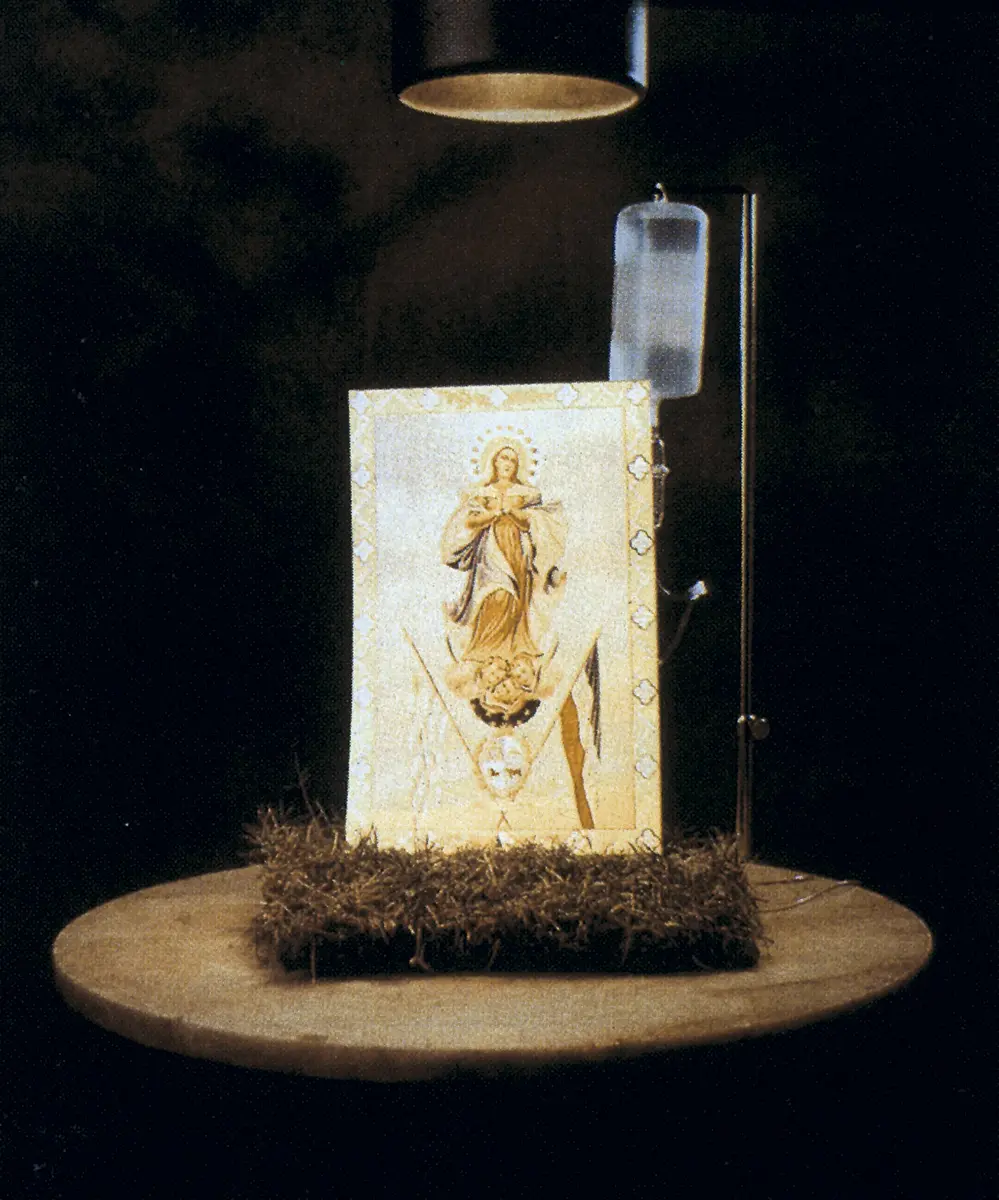
Mario Sagradini (1946) is an artist who went into exile and then returned after a long period of residence in Italy. Using proposals taken from Land Art, Arte Povera, and a syncretic use of materials, he creates situations full of irony and humor. Demystification and the creation of doubts with a hint of nostalgia are the characteristic features of his work. His clearly anti-aestheticist attitude enables him to integrate a wide variety of elements, which always retain their symbolic validity. His ability to “vemaculize”2 the proposals of international art makes his work entitled Made in Uruguay into a territorialization of Land Art. It consists of a loaf of grass placed on a table of the Sorocabana Cafe in Montevideo, one of the traditional meeting places of intellectuals in the city. The loaf gathers together images characteristic of the symbolic elements of the country. But these symbols, in order to be able to survive, are connected to a flask of physiological serum, transforming the installation into a place that is half cafe and half hospital.3 The work shows that the end of exile meant a return to a world of memories that are not always truthful, obliging the artist to confront such reality with an ironical as well as affective nostalgia.
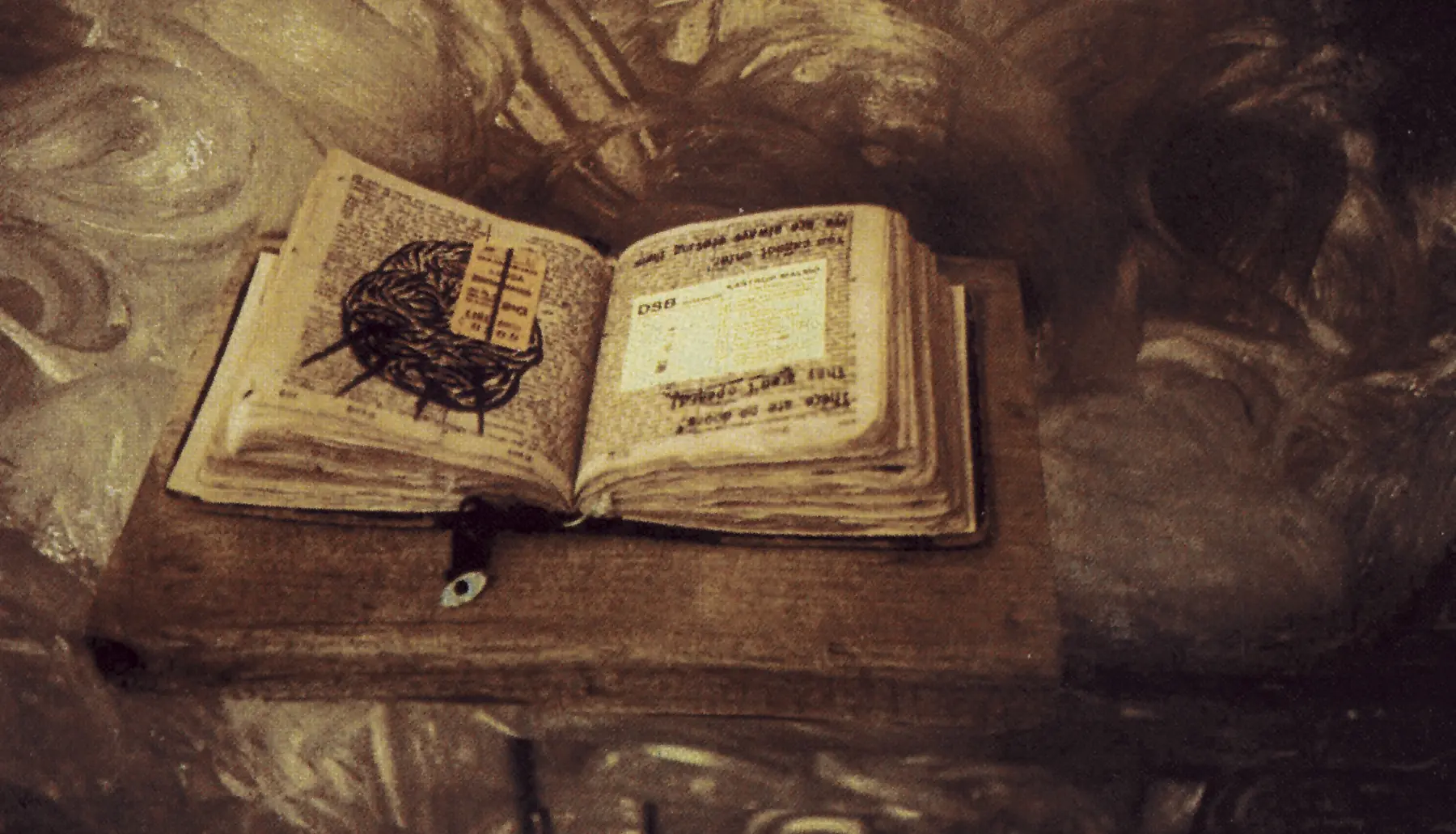
In the case of Carlos Capelán (1948), an Uruguayan artist who has lived in Sweden for the past twenty years, the theme of exile has led to other types of reflections. Like so many others, he has to live with the situation of forming part of various cultures, which has made him conscious of the fact that the presence of what is "his own" does not depend on his living exclusively in Uruguay, but in his capacity to reflect on the culture of which he is part. Many Latin American artists have in this way become more conscious of what they are by living outside their countries. But in the case of Capelán, it must be remembered that he came from an environment in which diaspora and nostalgia have become part of everyday life in a country characterized by migration, and where cultural multiplicity and various fusions are present in each and every person.4
For Capelán, the theme of the center-periphery is augmented by the experience of various alterities and decentralizations. There is the ambivalence of the “self” and the “other”, resulting from his status as a Latin American in Sweden and a Swede in Latin America. To come from Uruguay to Sweden means to come from the periphery, while his residence in Europe also means that he is perceived at the local level as a member of the “mainstream.”5 His works are a reflection of this variety of specific cultural realities and the complex fabric they form. Various objects (earth, ashes, self-portraits, and texts) are combined to reflect the compatibility of opposites and as a means of constructing his own language. These sorts of maps he makes are provocative cultural visions that show a Latin America moving on the frontiers of what and who we are, gradually acquiring the consciousness that there is no need for further conquest. As Capelan himself has said: “The exist ence of various ethnic groups in the major centers of power has led to a re generation of a peripheral discourse that is trying to engage in a dialogue with the outside peripheries. This is a new situation for everyone, we Latin Americans in Europe are proposing new readings of reality and we have the possibility of “creolizing” it from the major centers of Western art."6
Another Uruguayan artist —Luis Camnitzer (1937), produced various works on the theme of torture in the 1980s. Through an investigation of documents that described the nature of torture, but without emphasizing the direct cruelty of the facts, Camnitzer stimulates our feelings of the terror created by the torturer and the act of torture. Torture may act at various and different social levels, not only affecting those directly concerned but also the everyday life of ordinary people, who also end up experiencing the reign of terror. This is precisely the everyday world of terror to which Camnitzer refers, avoiding documentary references but exploring the daily experience surrounding the relationship between torturer and his victim. In so doing, he uses ordinary objects that evoke a world of solitude, a world invented by the prisoner in order to be able to survive.
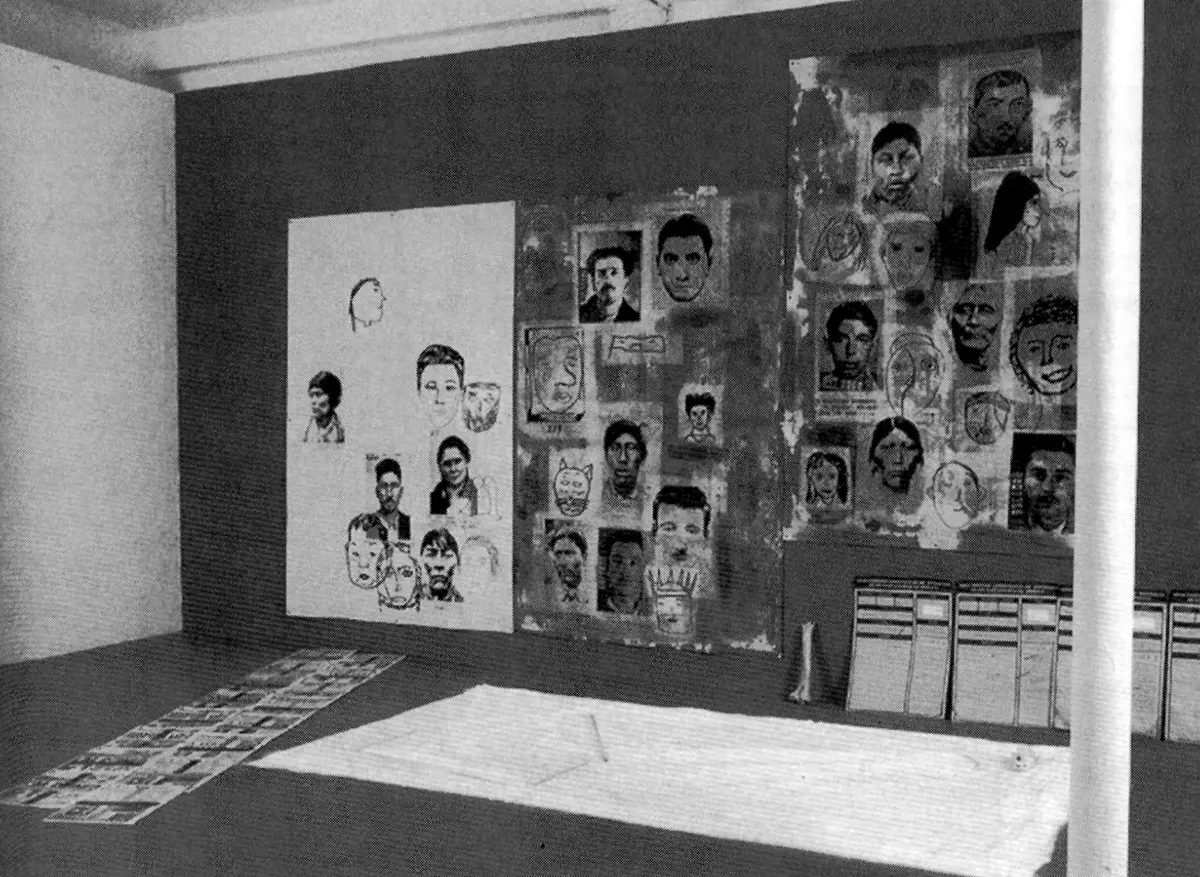
One resource that has enabled Camnitzer to explore these approaches to an art with a political content is what he calls the argument —a basic element to develop an underlying narrative that links together texts and objects, and through which the artist establishes the ground rules, with the spectator completing the construction.7 Thus, in the series Torture in Uruguay, the spectator was provided with a set of symbolic elements enabling him to multiply the metaphorical meaning of the work and use his own memory and sense of ethics.
The historical experience of the military government in Chile also affected artistic activity. Since it was impossible to express dissent or adopt pluralistic concepts, the pre-existing bases were fragmented, and artists who had stayed in the country had to work in the greatest isolation, at both the national and international levels.8 Thus, those who adopted a critical alternative as a form of representation had to metamorphose the testimonial or denunciatory content of their work. They had to rethink their language to find a rhetorical alternative that would allow communication to be maintained within a repressive environment. Various resources that combined interaction with a multiplicity of languages were used —drawings, prints, mechanical reproduction, through photocopying, offset, and photography.
Eugenio Dittborn (1943) used metaphorical means to construct images on the basis of anonymous photographs collected from magazines, old news papers, and police archives. They show prostitutes, criminals, members of indigenous populations, sportspersons —a gallery of anonymous figures who could be seen in a different context. They all form part of lost memories, memories the artist rescues from a nebulous past to bring them abruptly to the present.
Dittborn's Airmail Painting, done
in photo-serigraphy in the mid-1980s, can be seen as an inventory of identities,
similar to the ones the State compiles to control its members, placing them
under supervision, but with the power to make them disappear too. The trace of
someone who was there but may not be bears witness to an authoritarian society that regulates, orders, and arranges things about the individual, according to its own arbitrary will. Dittborn manipulates these images by
adding texts, writings, childlike drawings, feathers, stitching, and stains,
making the anonymous photographs into a code of signs which end up referring
to various forms of approximation. These folded paintings, placed on envelopes
and closed, are a negation of the absolute criteria of representation9 or
hierarchization, and are marked by the person who put them into
circulation; they seem to exist only through the effect of a process of
transfer or reprocessing. They are the silent testimony of the hundreds of
persons who lose their identity with the dictatorship, those who disappear and
become nameless.
When Doris Salcedo (1958) obtained one of the prizes at the XXXIst edition of the Salon of Artists of Colombia in 1987, her sculptures were already reflecting a central feature of her research, namely, her determination to prevent collective amnesia from allowing us to forget the violence that reigned in Colombia. She pursued this objective in an attempt to explore the theme of violence not just as a situation tthat formed part of every day Colombian life, but to allow the spectator to reflect and recognize, albeit only partially, about certain aspects of his everyday life.
Her research in regions of Colombia affected by violence has enabled her to establish a direct relationship with the victims and their surroundings. This experience allows her to recognize the situation of others and transform it into images. Intuition and research complement each other in the production of each of her sculptures. The characterization of art as condensed experience10 implies recognition of its marked historical sense. The personal experience of the protagonist is an act of violence, fused with that of the other members of the community, in situations in which public and private space are closely interrelated.
The objects she constructs her works with are taken from the real world: babies' cots, chairs, wardrobes, camp beds, and doors evoke memories and take us towards a painful exercise. The spectator cannot remain indifferent, since these are fragments of life, memories of people who are no longer here. This process of evocation is a way of breaking the silence and oblivion. To recall implies the existence of a situation, the reconstruction of history as a present reality. Salcedo does not work with nostalgia, but highlights the continuing existence of these facts that happened and continue to happen.
With her interest in Beuys's concept of social sculpture, Salcedo has continued to reflect in her work from the 1990s, as Atrabiliary and Widowed House, that the role of art is to raise questions. As she herself has said: To raise questions with sufficient clarity so that the reply is already insinuated, although art does not provide any replies. This is a humble art with marvellous possibilities. It is ambiguous and paradoxical. What is a book compared with the world or a nuclear bomb?11
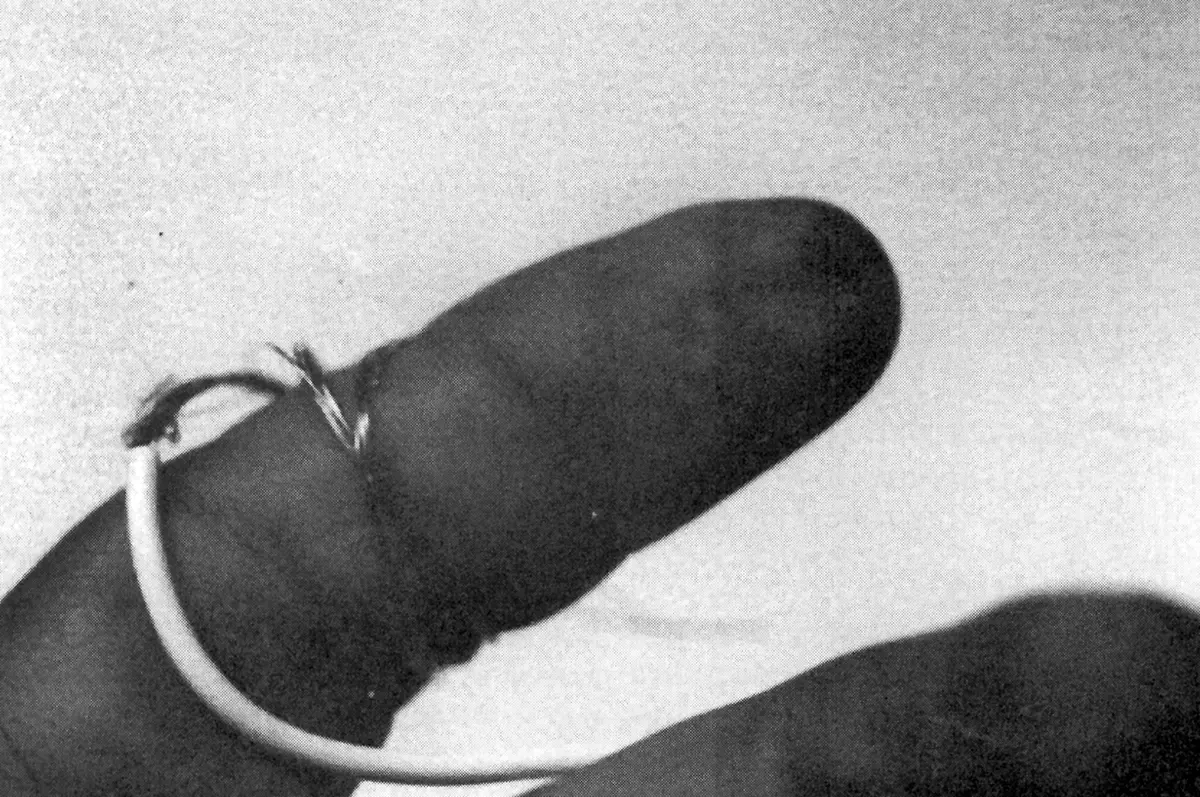
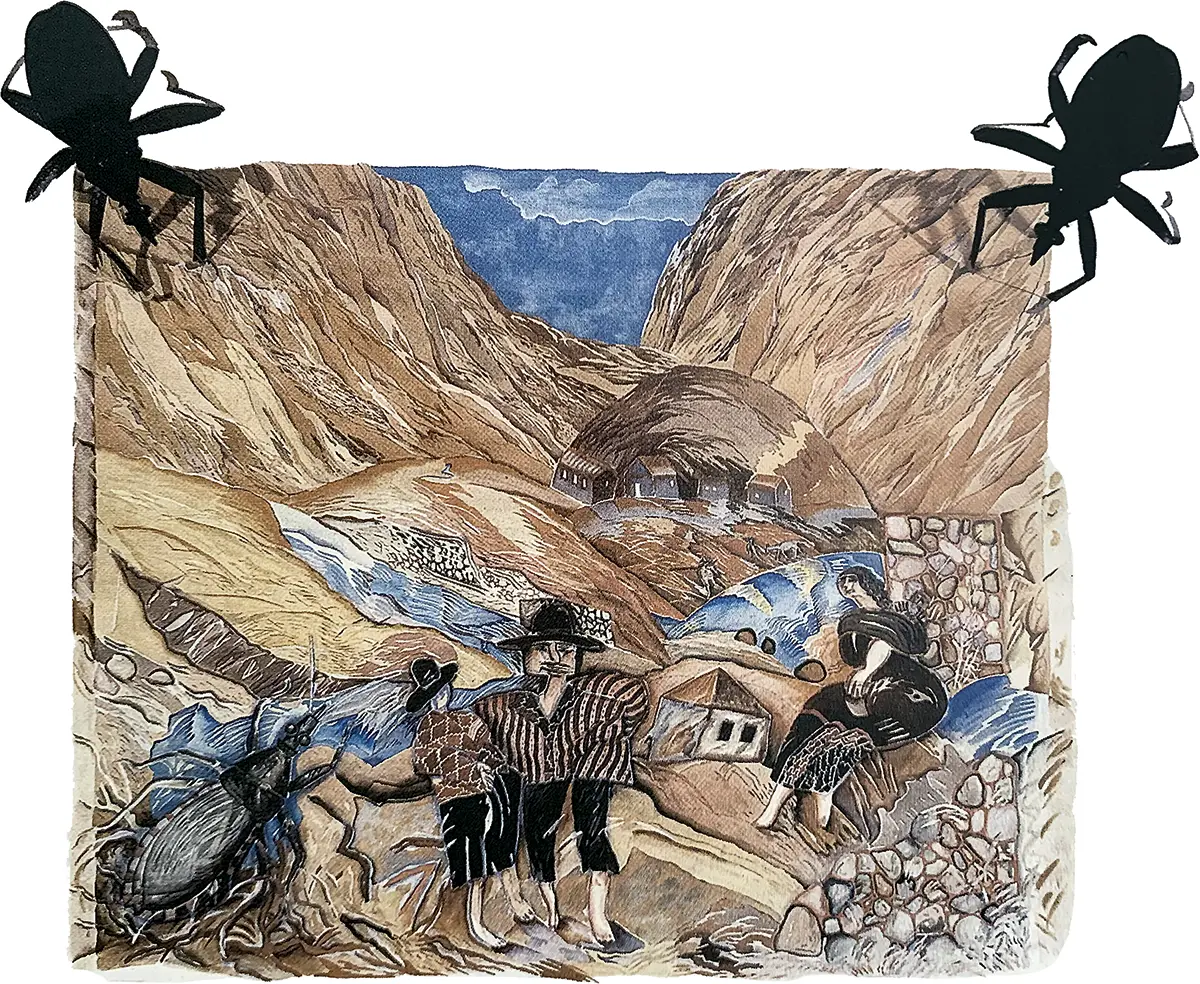
While for some artists the recovery of memory leads them to reflect on the reality of repression, torture, and those who have disappeared, others have turned towards another historical perspective. The works of the Argentinian artist Luis F. Benedit (1937) are an attempt to rethink the history of his country: In 1978, 1 first began to reflect on the Argentinian countryside, when the countryside, with its incipient technology, moves from being silvestral to cultural. After 1984, my works... explore almost historical themes and showsç the restlessness to explore cultural identity. Now I am working with Darwin; afterwards, I don't know what I will do. It is as if, thinking about what we are, we would have moved back further each time.12
On the basis of the documentation left by political
and scientific expeditions, which Spain sent to the Americas in the XVlllth
century, Benedit chooses Darwin's journey13 for his series entitled The
Beagle Voyage (1987-88). Benedit is interested in Darwin since he
provides the first scientific description of the country. Identifying its
terrain and allowing a reconstruction of the characteristics Luis F. Benedit not only
geographical, but also social and cultural of the territory. Using Darwin's Journal
of Researches into the Geology and Natural History of the Various Countries
Visited by H.M.S. Beagle, as well as articles from the period, prints and
photographs, Benedit makes a historical reconstruction that is projected towards the present. To some extent, this laborious reconstruction is a recuperation of memory, a memory that has been lost, like some of the species which Darwin
illustrated and described and which are now extinct.
The elements that the artist uses in his work are a combination of various materials and are two-dimensional (as in his watercolors) or three-dimensional (such as his objects). The intention is always to recreate the landscape and those who inhabit it, through an interplay of illusion and reality. It is as if an understanding of the present requires a move back over time, in a process in which the representations of the past are used to reconstruct, through the use of documents, an invented cultural anthropology. The Beagle Voyage is not merely a narrative, but a part of Benedit's reflection on the concept of cultural identity.
José Alejandro Restrepo (1959) is a Colombian artist who uses video-installations as his main artistic vehicle. From his early work of 1983 down to the present, there is a recurrent theme in all his research: the contact with other cultures not only allows us to know other forms of language but other criteria for handling space and time. Then there is the concern with a narrative history, which, to some extent, accomodates facts, sometimes using a linear perspective that instead of exploring problems merely seeks to gloss
them over. This point of view leads the artist to the following question: If there is a relationship between history and conventional video at the narrative level, would it not be possible for the new narratives proposed by video-art to free us from the metaphysical and an thropological model to reveal a contra-memory, liberating the forces of creative hazard, the simultaneousness, and divergence of themes, partial and fragile trajectories, new and meaning ful temporal structures which are much closer to myth?14 His video-installations from the 1990s, such as The Quindio Passage, Humboldt's Crocodile is not Hegel's Crocodile, and Paradisical Muse led him to a rereading of traveller's books seen from the contemporary perspective. For example, in The Quindio Passage, there are four parallel descriptions of the region: that of Koch, criticizing the earlier version; that of Humboldt, criticizing Koch's representation; that of Max von Thielman, questioning that of Humboldt; and that of Restrepo, which concludes that von Thielman's description is very far from reality. While the travelers of the XIXth century left behind images in prints, Restrepo registers his journey in video, describing it as “a trip in situ”, a journey to the interior of a wood print and the video image (which is a print of 525 lines per image, thirty times per second).15
As it regards the initial problem of how to depict things, what to represent, and how to transmit the magnificence of personal experience with nature, there is the underlying idea that any kind of representation ends up being transformed into a sequence of moments that reconstruct memory. The forms of representation, as well as knowledge, are finally invented and controlled by those who have power.
All these artists mentioned, using different materials and starting points, attempt to examine experience, which means thinking about complex and heterogeneous cultural contexts and fragmented identities. Their reflections on the past, rather than being an act of reconstruction, show the complexity of the environment that generates them by breaking with monolithic vision in an attempt to describe a plurality of possible ways of looking at and examining the past.
NOTES
1.
Gabriel Peluffo, “Grupos de poder y modelos de identidad en la cultura
artfstica nacional,” Brecha, Montevideo, May 1991.
2. Gabriel Peluffo, Camnitzer-Sagradini (catalogue),
Montevideo, Spanish Agency of International Cooperation, 1991.
4.
Ivonne Pini, “Algunas alternativas de representation en el arte latinoamericano
de los 80,” Gaceta, No. 16, Bogota, 1993.
5. Alicia Haber, Carlos Capelin (catalogue), Municipal Exhibition
Salon, Montevideo, 1992.
6. Interview with G. Peluffo: “Con Carlos Capelan: Un ritual de las rafces, del
rojo ocre a la biblioteca,” Brecha, Montevideo, May 1992.
7. Mari Carmen Ramirez, “Blueprints: Conceptual art
and politics in Latin America,” in LatinAmericanArtists of the Twentieth
Century, Museum of Modern Art, New York, 1993.
8. See Milan Ivelic: “The Art of Chile,” Arte en Colombia, No. 43,
Bogota, 1990.
9. Charles Merewether, “The Art of Violence,” Art Nexus, No. 2,
Bogota, 1991.
10. Conversation with the artist in Bogota, August
1996.
11. Ma. Claudia Parias, “Doris Salcedo,” Poliester No.
7, Mexico City, 1993.
12. Luis Fernando Benedit, Memorias Australes, Editions Philippe
Daverio, Milan, New York, Buenos Aires, 1990.
13. Drawings and travel notes by Charles Darwin completed between 1831 and 1836
when he travelled, amongst other places, through the Tierra del Fuego region.
14. Jose Alejandro Restrepo, catalogue
for the XXIII Sao Paulo Biennial, Colcultura, Bogota, 1996.
15. Ibid.
IVONNE PINI