The self-portrait has fascinated artists. The reasons why they do self-portraits are many and include the desire to describe themselves, to show the passage of time on their face, to reflect on different emotional situations, or to experiment with their own image. Hence the interest of this exhibition which, for the first time in the country, undertakes the development of the self-portrait in the twentieth century. Impeccably curated by German Rubiano, the show included thirty works by twenty nine artists, offering an overview from works dated 1910 down to 1994.
During those eighty years, incursions have been made into some of the kinds of figuration which have characterized Colombian art, with the artists using painting, drawing, print-making and photography. There was one condition imposed by the curator: the selected works had to be self-portraits which excluded such speculations as showing the artist from behind or a face made unrecognizable by shadows (*). On the contrary, the works clearly had to be a self-interpretation of the artist’s face, the way it appeared at a given period in the artist's life, a recognizable attempt to capture essential aspects of the artist’s person.
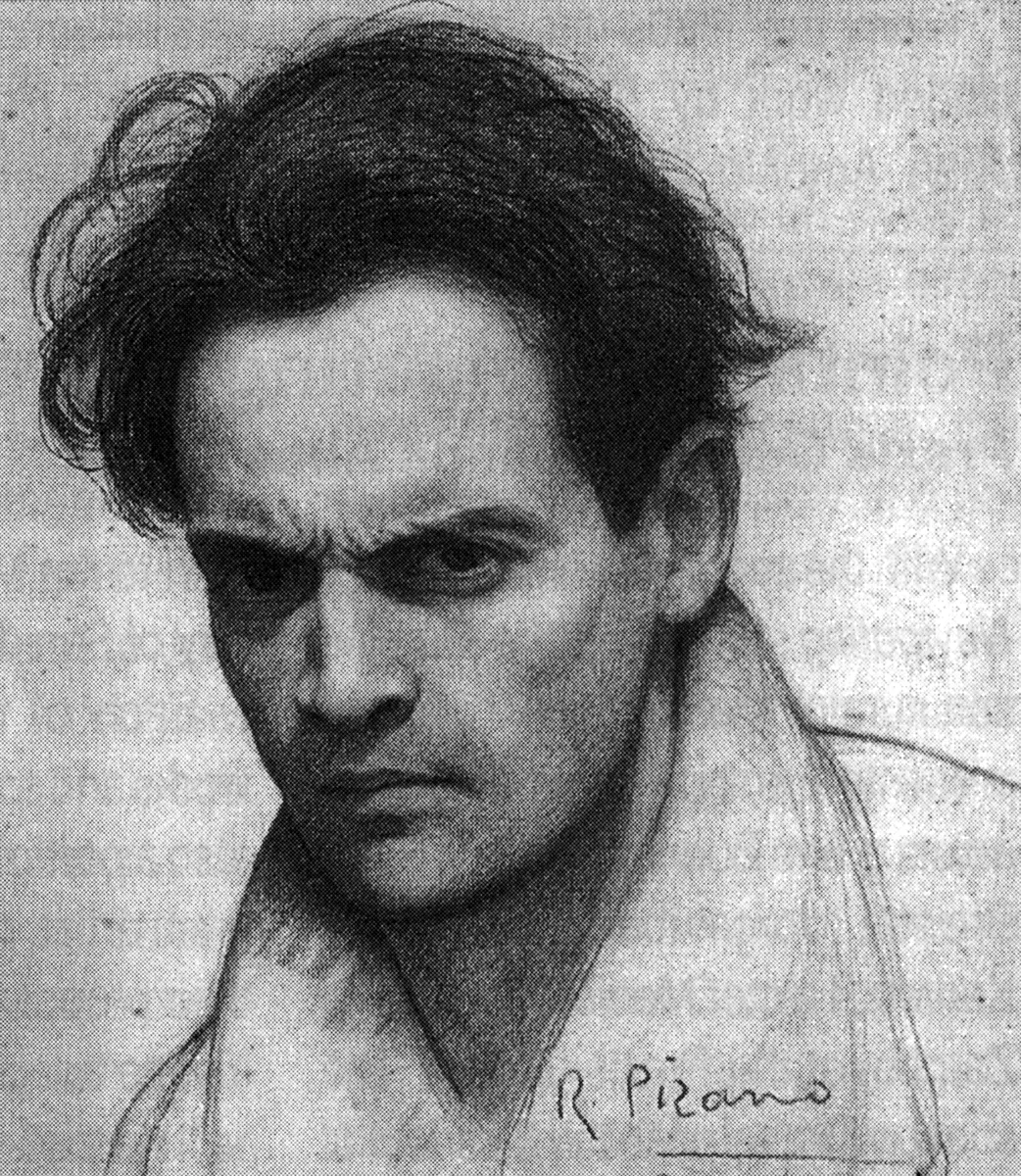
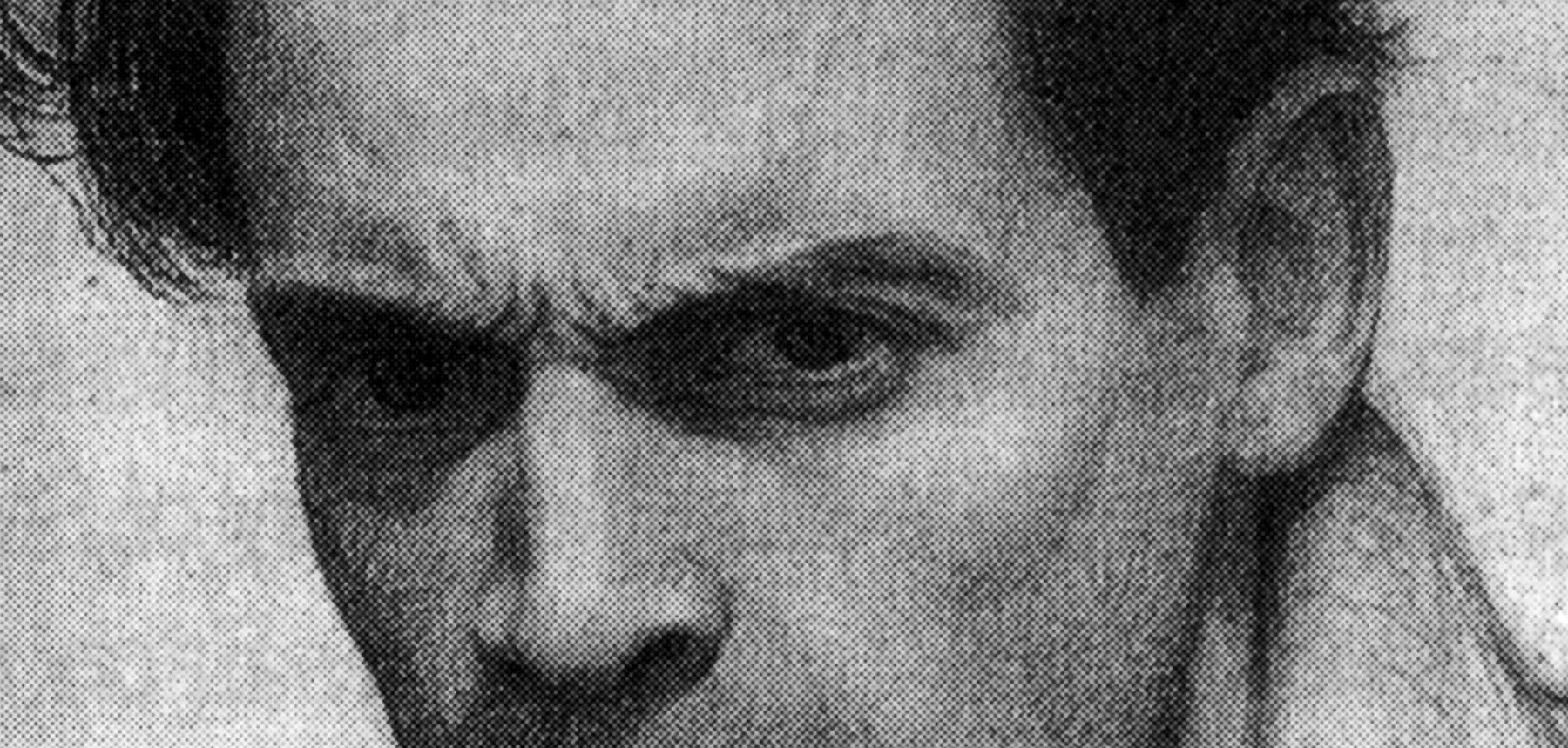
Among the artists whose production dates from the first decades of this century are included Andres de Santamaria and Roberto Pizano. The former, one of the leading artists of the period, uses his customary impastos and intense colors to describe himself, whereas Pizano’s drawing presents us with a harsh and irritable looking figure.
The self-portrait by Gomez Jaramillo was the only one in the show to work a theme which has been often treated throughout the history of art: that of the painter in the act of painting. It shows the artist in his studio surrounded by his works, apparently concentrating on his work.
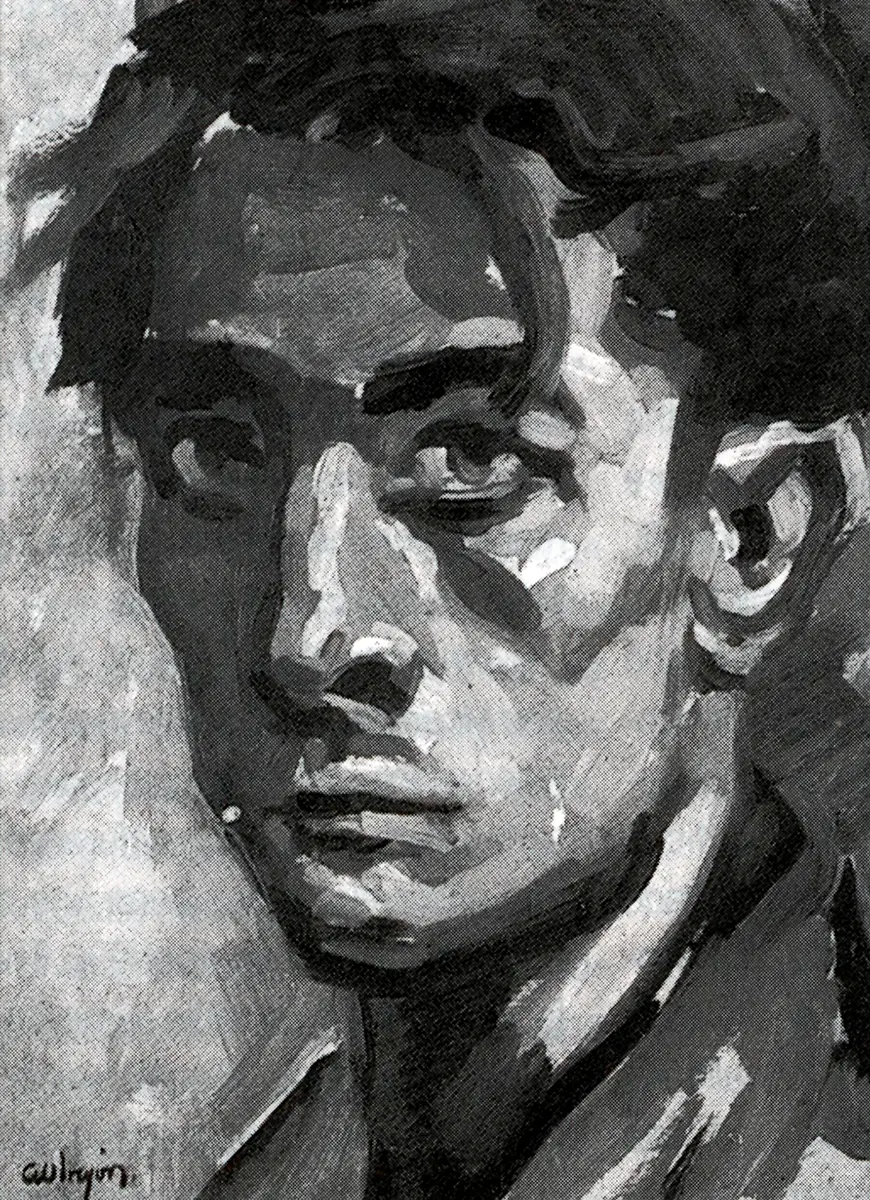
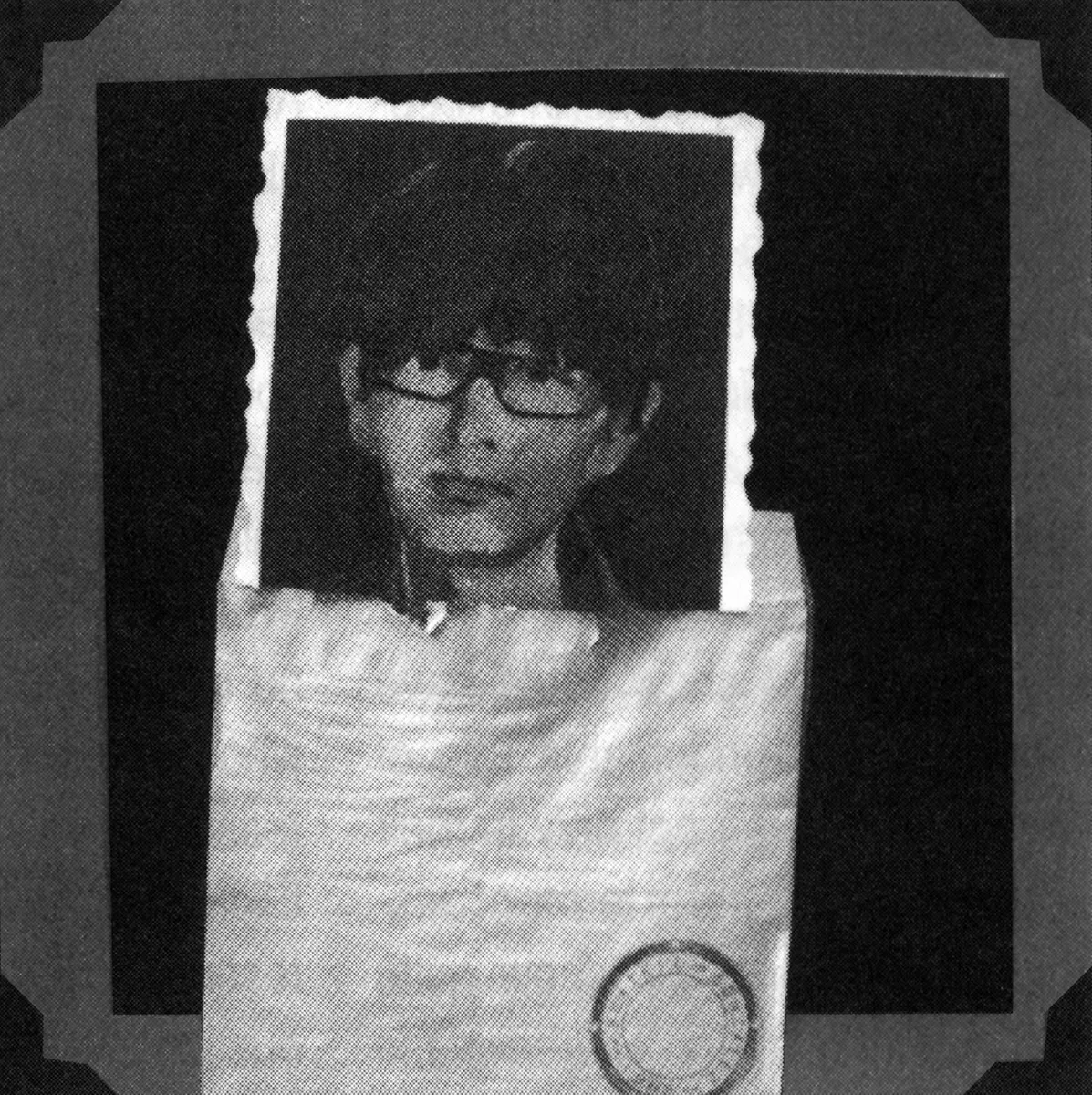
Of the Colombian artists who first appeared on the scene in the I950s, there was an oil work by Alejandro Obregon, the rapid brushstrokes of which conjure up an expressive face. From I969, there was a work by Beatriz Gonzalez, who following a customary line in her work - the use of pre-existing elements - places her face in a paper envelope, so that it appears like a photograph which has slipped out of place. Three works from the end of the I970s are particularly significant: one by Juan Cardenas and two self-portraits by Luis Caballero. Cardenas frequently depicts his own face, either to be faithful to the representation or in an attempt to metamorphose himself. In this piece, he appears in full-length form, holding a violin. Caballero, reflecting his habitual intensity and expressiveness, appears in two inkworks in different ways: in one picture, he has asad and anguished look, contrasting with the furious attitude which characterizes the other work. Neither of these inkworks had been shown before and they paid a kind of homage to this artist, who died recently, and who played such a major role in the exploration of the human figure and portrait work in Colombia.
From the I980s the show included work by Alvaro
Barrios, Juan Antonio Roda and Victor Laignelet. Barrios opted for «art based
on art» (to paraphrase the title of a well-known MOMA exhibition), in
reflections on the work of Duchamp, an artist who deeply has influenced his
artistic investigations. Hence the title of the self-portrait, Alvaro Barrios as
Marcel Duchamp as Rrose Sélavy Through the use of photography, the artist
recreates a well-known image from the history of art with his own face.
Portrait and self-portrait are recurrent themes in the work of Roda. This show included a piece from I982 in mixed media, in which the artist’s face emerges from strong brush-strokes and well defined linework, in an attempt to recuperate a kind of figuration which cannot be easily classified into any of the neo-figurative alternatives. The oilwork by Laignelet dates from 1985 and belongs to his expressionist figurative period when he distorts his features, without any loss of identity in the resulting image. The most recent self-portrait included, that of Leonel Gongora, was from I994, showing a serious, almost vexed face. The graphite work confirms the artist’s drawing skills.
With the rules being clearly established by the curator from the outset, the show offered a good opportunity to rediscover figurative work which throughout the century, and in different guides, led some Colombian artists to think about their self representation.
NOTES
* German Rubiano, Autorretrato coiom- biano del siglo XX, exhibition catalogue, Colombo Americano Center, Bogota, September-October I996.
IVONNE PINI