
With the suggestive title Pointing, Navigating, Unfolding, the Dominican curator Marianne de Tolentino presented a show of work by five artists from Buenos Aires - Silvia Brewda, Jorge Iberlucea, Carlos Kravetz, Hector Medici and Viviana Zargon, at the Praxis Gallery. The show will travel on to the Museum of Modern Art of Santo Domingo and then to the Museum of Art and History of San Juan, Puerto Rico.
Each of the artist
showed six works and some objects. There was also a portfolio with serigraphies
by each artist, offering an overview of their proposals and the various
solutions adopted.
It was interesting to note that the starting point of the show was the fact that all the artists are from the same city. It is this urban context which allows the show to reflect the diverging interpretations of our habitat, since each artist uses different signs to indicate the source of his or her emotions. They all set sail from a common port, travelling to distant and different places, both in the present and in the past, journeys enabling them to unfold and develop the resources of their own artistic language.

The work of Silva Brewda (I949) reflects themes and forms of representation which call to mind archeological discoveries, with her images fluctating between the emblematic image - represented by cattle, the true symbol of the country, and the ludic element, in which columns, animals and the surface on which they appear are all arbitrary representations.
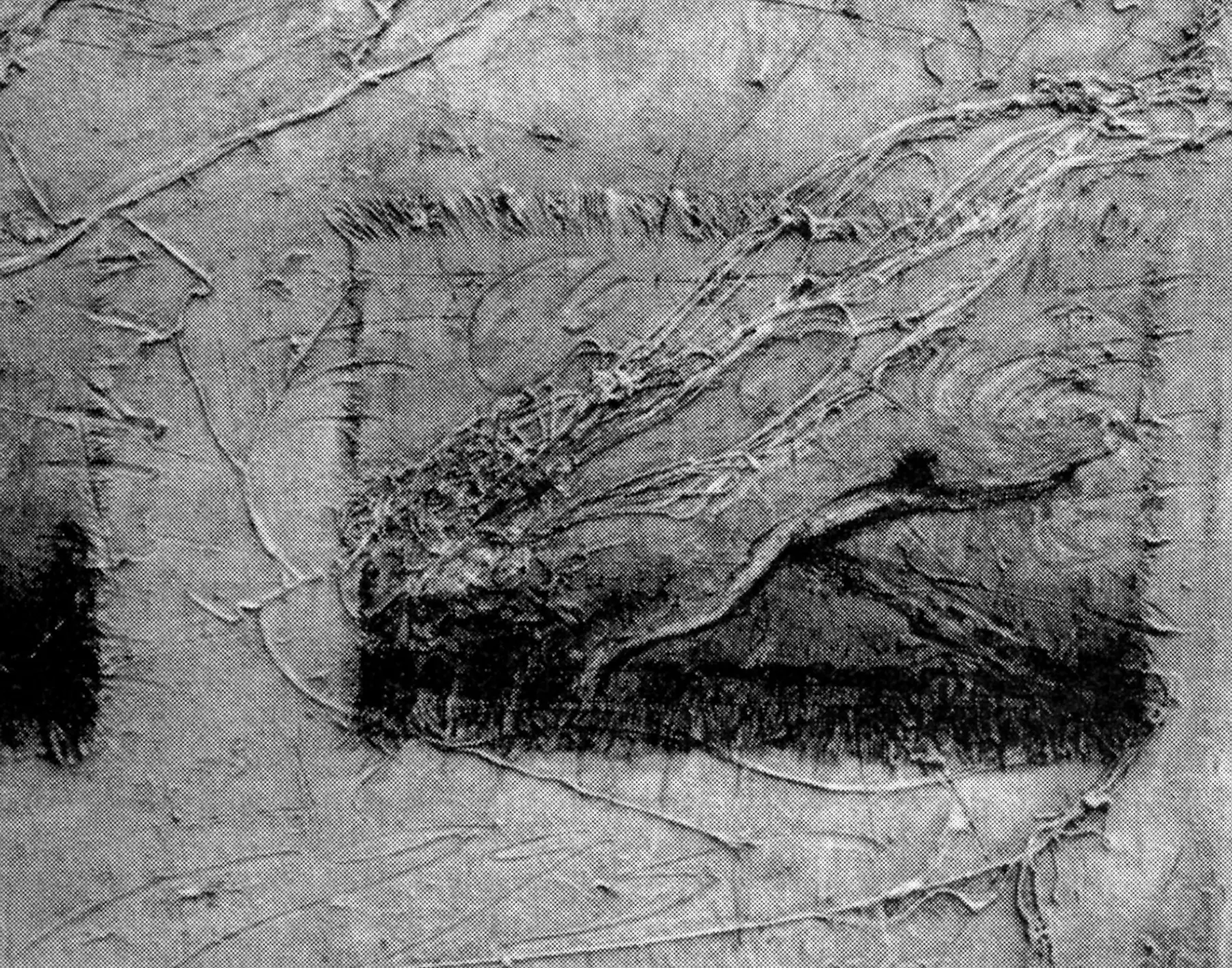
Jorge Iberlucea (I94I) leads us to hermetic proposals in which the meanings are linked to personal experiences, allowing each spec-tator to explore his or her own fantasies. There is a subtle handling of color and the incorporation of physical objects, including metals, which integrated into an armonious whole, create a dense climate created a dense climate. The irregular or perfect circles moving in one direction or another help weave the dramatic density of this artist’s work.
For his part
Carlos Kravetz (I95I) proposes the construction of a fantastic reality, using
images which fluctuate between the emblematic and the mythological, such as the
contours of the map of the country or Evita’s face, framed by blurred railings,
windows or literary texts. The solution is pictorial, with the incorporation of
geometrical and organic forms with a low range of colors.
Perhaps the central theme in the work of Hector Medici (I945) is that of man in his everyday urban context, in which the fragmentation of human life acquires a restrained sense of drama. The small human figures are depicted in a wide variety of poses, almost always dynamic, a feature which contrasts with the sense of enclosure and atomization. These figures are either accompanied or alone and their pictorial treatment involves a use of collage.
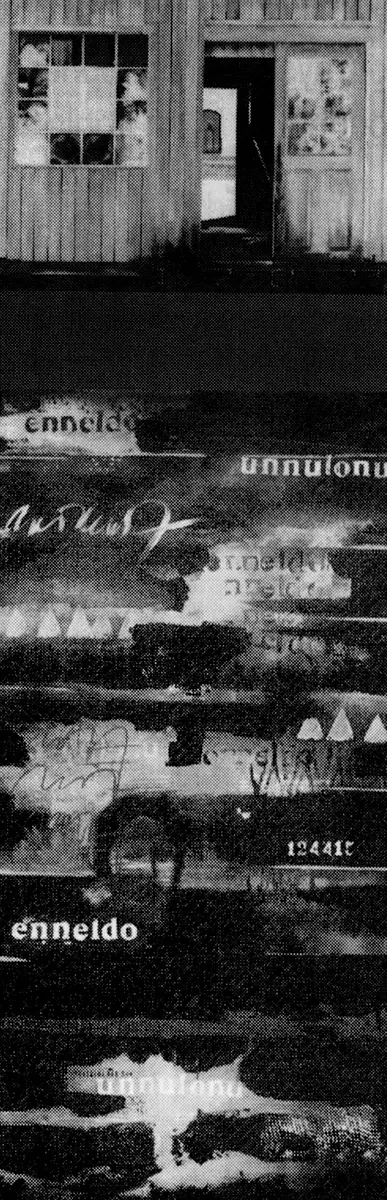
Although the
protagonist in the works of Viviana Zargon is the city, it is linked with
memory in a process which oscillates between nostalgia and the pathetic aspects
of decrepitude. The artist makes repeated use of the objective images of
reality, which in each picture relate to different situations.
ALBERTO COLLAZO