
We Spaniards have a popular saying which we use when someone states something that is blatantly obvious: we say that they have just discovered America. Something similar happened with the sixteenth edition of the Madrid contemporary art fair ARCO, which finally seemed to have discovered the importance of contemporary art in Latin America —Latin American art as a whole and not just, as until now, through a few individual names. The stereotypes have been broken, along with Europe's superior view of the Third World — "otherness" paternalistically seen in merely folkloric terms.
It would be no exaggeration to say that as a result of the massive entry of Latin American art in high-level galleries this year, the fair rediscovered some of the energy and vitality it had lost in recent years. Last year, many questioned the view that a Spanish critic should select the galleries participating from the other side of the Atlantic, and proposed that Latin America as a whole should be invited en bloc. The results of this year’s fair exceeded expectations, and an excellent level of quality was achieved. The selections made were beyond reproach, thanks to the appointment of Octavio Zaya as curator of this section of the fair, a critic with a wide knowledge of his field and of the art produced in Latin America or by Latin Americans, irrespective of their place of residence. The feeling at the end of this year’s event was that the relations in art and trade between Spain and Latin America should become deeper each year. Indeed, ARCO has the potential to become a major bridge between Latin America and Europe, something which now seems absolutely logical but has taken a long time to become obvious. Now that this is the case, plans are underway to include Portugal as a special guest and to present a section on the Caribbean region at the next fair. It is hoped that at least some of the invited galleries will be able to return next year.
This year's ARCO statistics can be summarized as follows: there were 212 participating galleries from 30 countries, 93 Spanish and 114 foreign galleries. Once again there were a massive number of visitors —180,000 — a little more than last year, and a number that continues to astonish those who come from other countries.
The Latin Americans
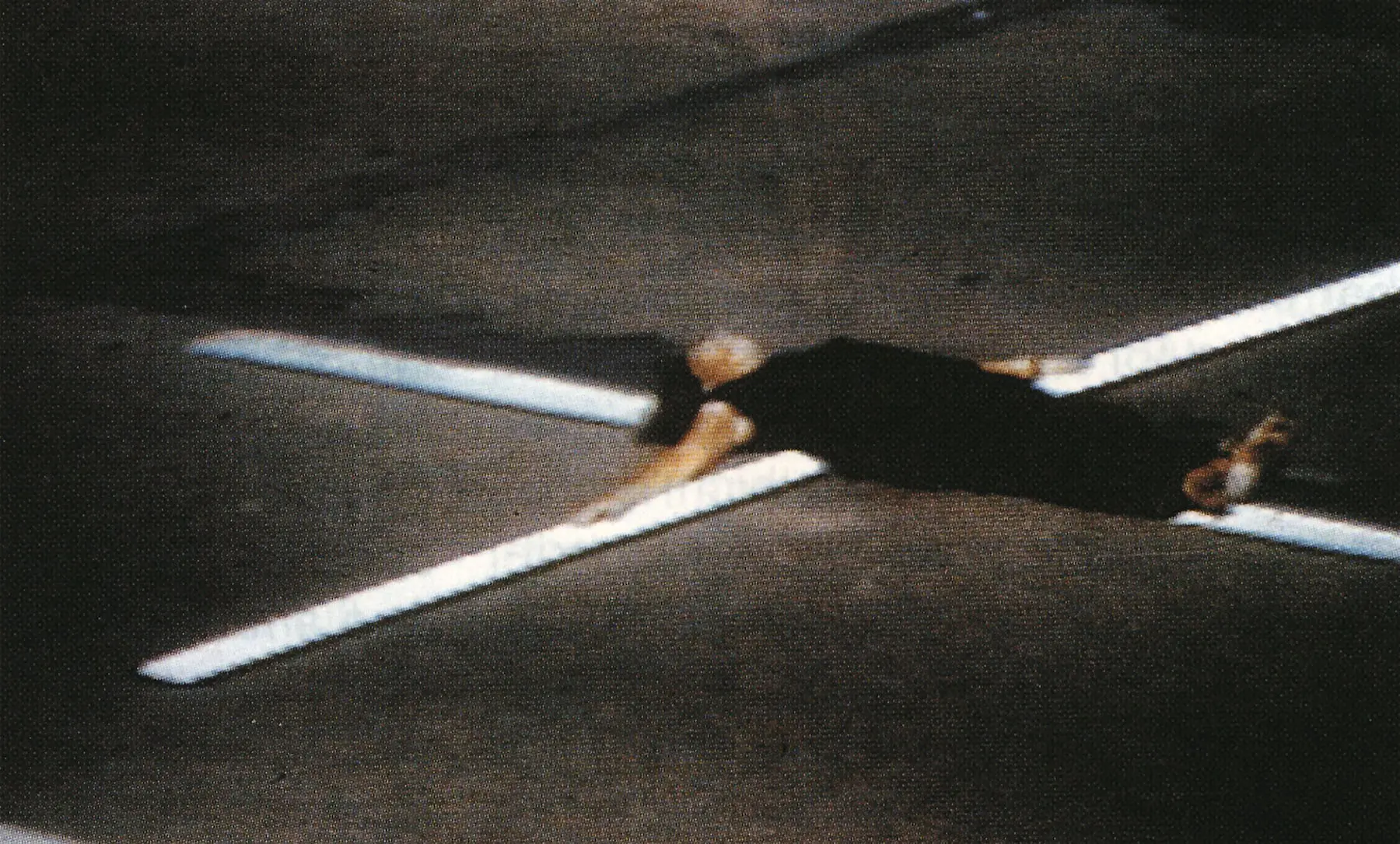
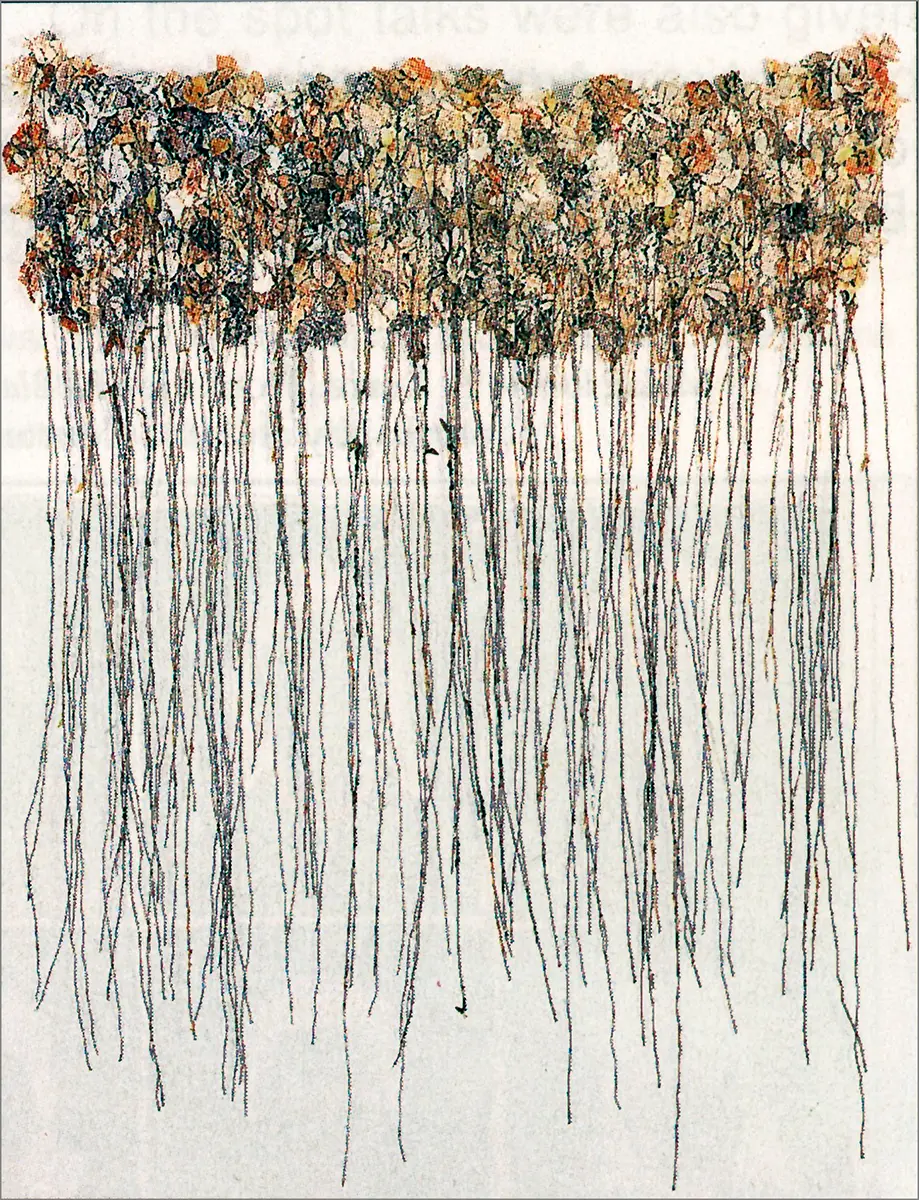
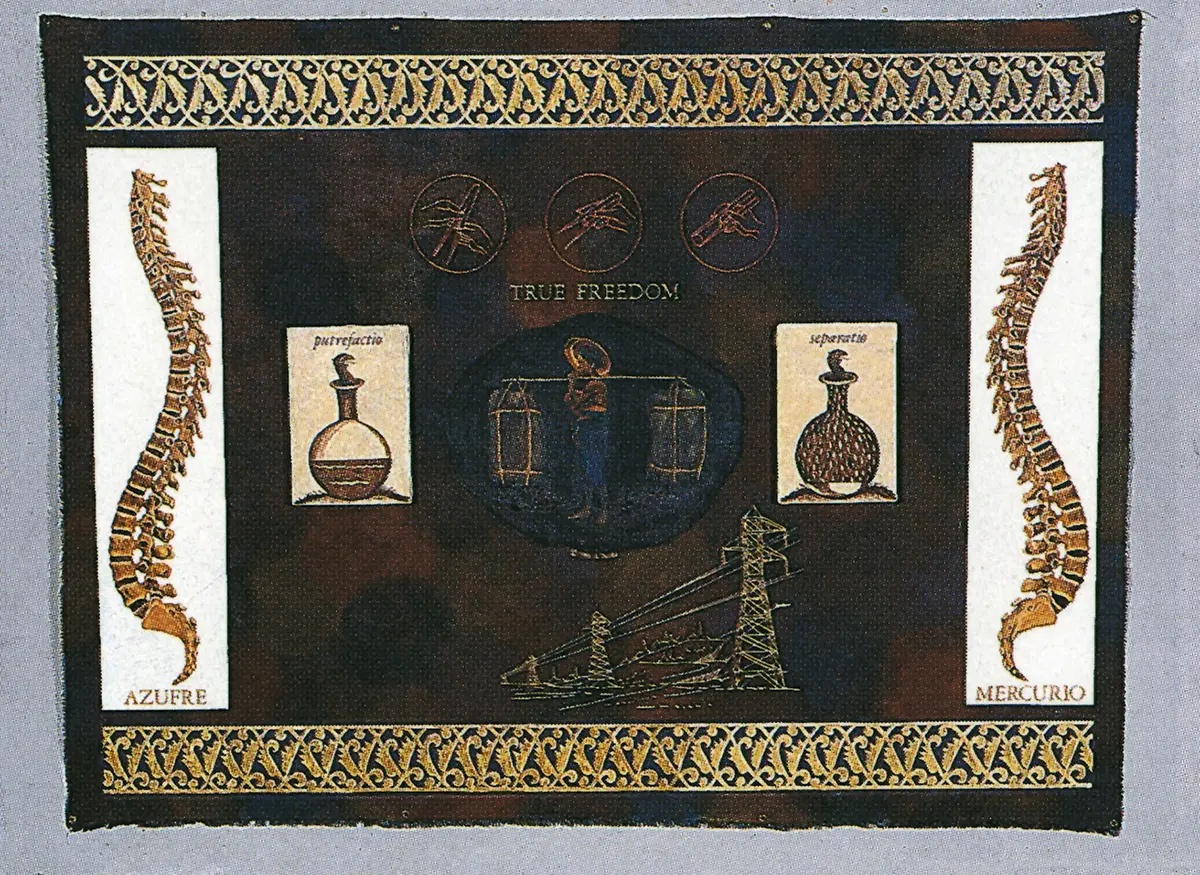
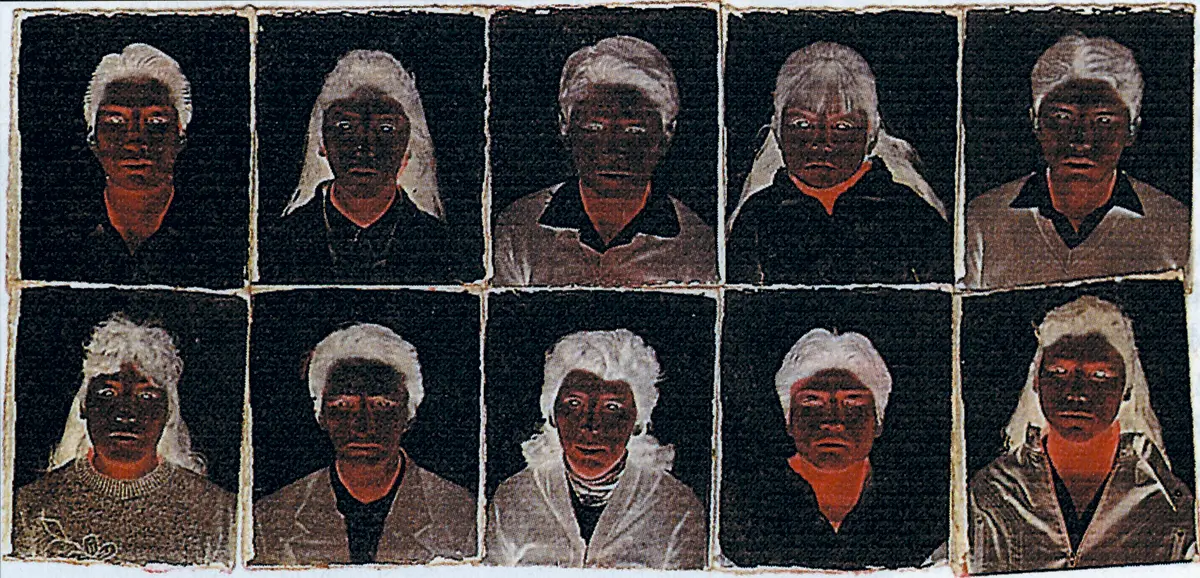
The Latin American presence was concentrated in 37 galleries: 11 from Brazil, six from Colombia, five from Mexico, three from Argentina, two from Venezuela, Peru, Dominican Republic and Cuba and one each from Uruguay, Puerto Rico, Bolivia and Guatemala. The Brazilian booths were of great quality — Camargo Vilaga (excellent works by Valeska Soares, Miguel Rio Branco, Adriana Varejão, Rosângela Rennó and Vik Muniz),Luisa Strina (Cildo Mireiles and Dora Longo), Casa Triangulo (with fragile pieces by Rivane Neunschwander), Joel Edelstein (Miguel Rio Branco, Enrica Bernadelli, Waltercio Caldas, Cildo Meireles), Thomas Cohn (Priscilla Monge) — as were the Colombian galleries — Fernando Quintana (with interesting paintings and "cartographies" by Miguel Ángel Ríos), Valenzuela y Klenner (excellent works by Juan Fernando Herran and Maria Teresa Cano) and Garces Velasquez (Oscar Munoz and Beatriz Gonzalez). The same can be said of Jacobo Carpio-Atma (Scheimberg, Karla Solano, Kcho, Priscila Monge), Ramis Barquet (with a two-fold presentation: Jose Bedia, Ray Smith, Kuitca, Julio Galan, Julian Trigo, and some early paintings by Eva Hesse, along with De Kooning, Warhol, Lee Krasner and Man Ray), the Chilean Plastica Nueva-Isabel Animat (with some outstanding work by Lotty Rosenfeld on the theme of identity), OMR (with an interesting show including Monica Castillo, Arturo Elizondo, Manuel Ocampo and Daniela Rosell), the Argentinan Der Brucke Gallery (with excellent works by Carlos Gallardo y Medici), the El Museo Gallery from Colombia (Juan Leal Ruiz and Bernardo Salcedo), Lyle O. Reitzel from the Dominican Republic (Tony Capellan) and the Tomas Andreu Gallery from Chile with Arturo Duclos’ one man show. Worth mentioning here is the intelligence shown by a large number of artists in their exploration of social conflicts, often with a radical irony that operates in the conscience like a piece of dynamite — something to which we Spaniards are little accustomed.
Other interesting proposals
The "Cutting Edge" section, made up of 12 international galleries and devoted to emergent trends in art, was another high point at the fair. Participating galleries included Christopher Grimes (Valeska Soares), Elga Wimmer, and Sandra Gering, from the United States; Gebauer, and Thumm, from Germany; Valu Oria, from Brazil.
A total of 13 galleries from Germany, 13 from Portugal, 11 from France, 10 from the United States, eight from Canada, and six from Italy, along with a smaller number from Slovenia, the United Kingdom, Greece, Israel, Netherlands, Czech Republic, and Russia, all offered a high standard of quality, and some included Latin American artists in their exhibits. Mention should also be made of other galleries, including Monika Spruth from Germany (with Rosmarie Trockel), Karsten Greve (with spectacular pieces by Louise Bourgeois, Fontana, Albers, Twombly and two moving works by Morandi), Pace-Wildenstein (with fine work by Dave Flavin, Mangold, and Picasso).
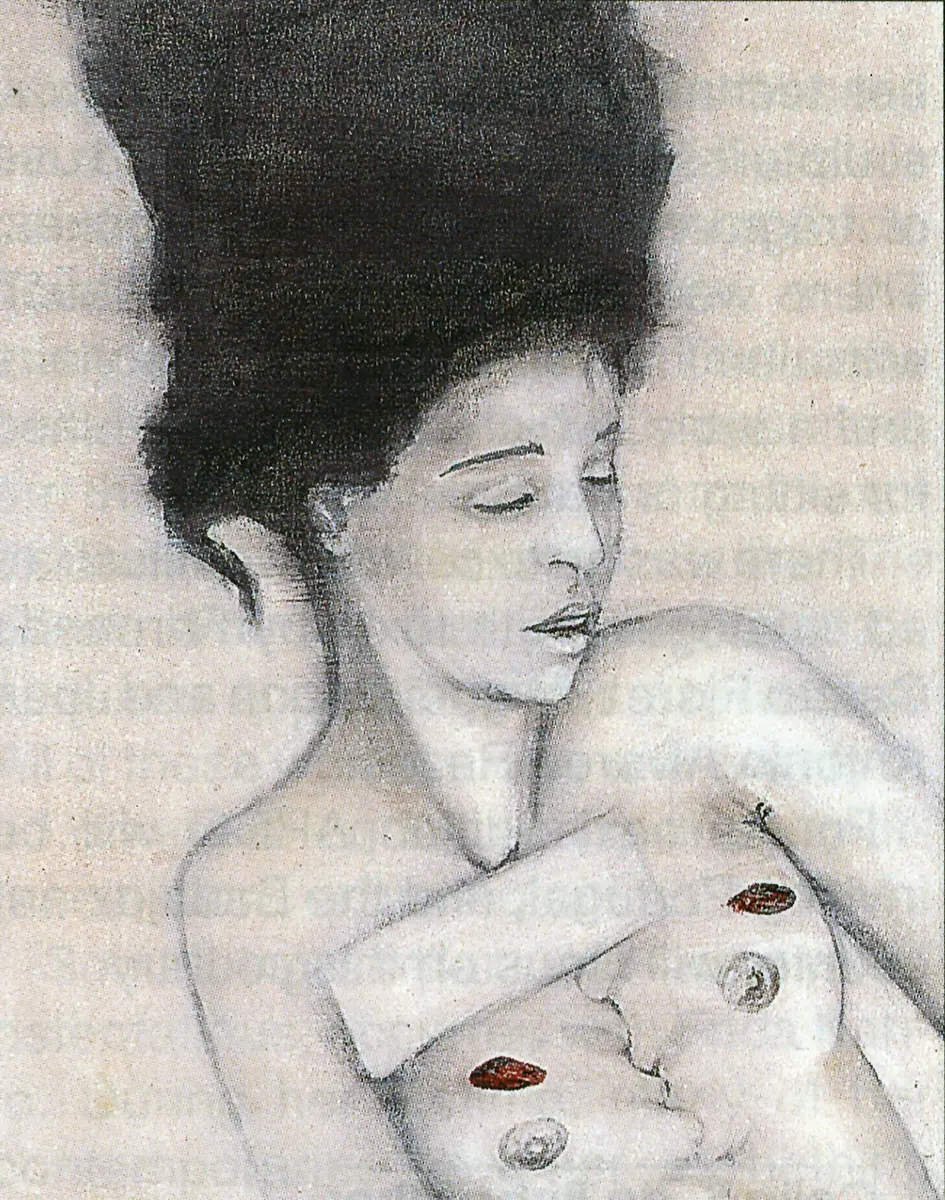
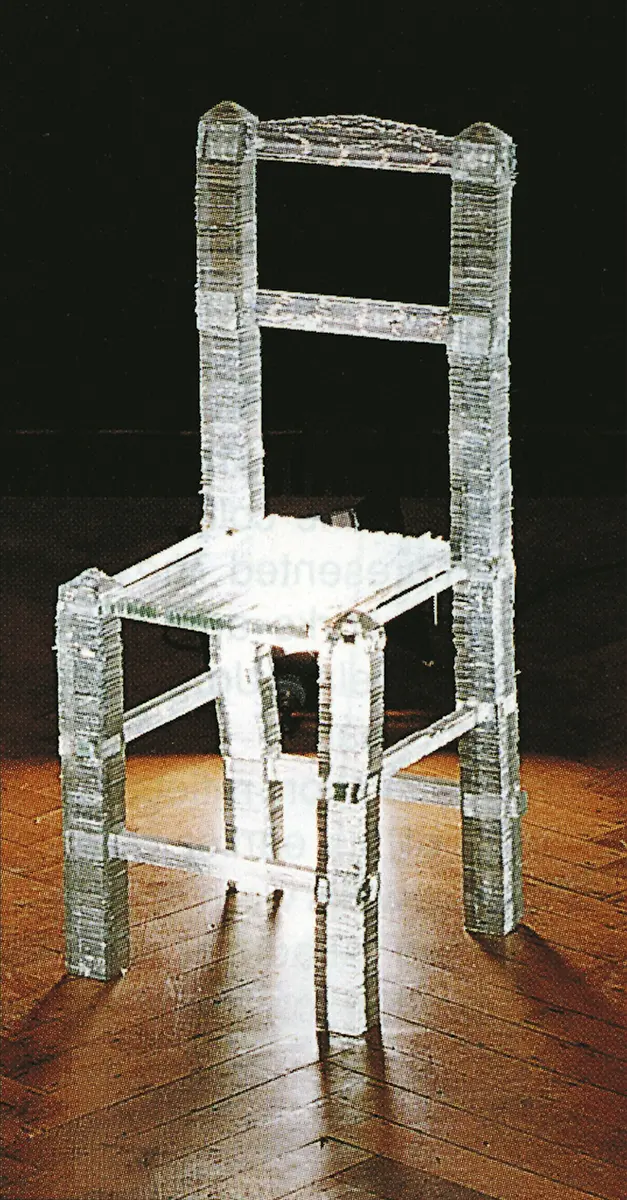
Of the Spanish galleries, the following from Madrid were outstanding: Soledad Lorenzo (Txomin Badiola, Louise Bourgeois), Juana de Aizpuru (Navarro Baldeweg, Pedro Cabrita Reis, Andres Serrano), Helba Benitez (Pep Agut, Ignasi Aballi, Francisco Ruiz de Infante), Fucares (Abraham Lacalle, Brossa), Oliva Arauna (Jose Herrera, Chema Alvargonzalez, Alfredo Jaar, Susana Solano), Angel Romero (Carlos Capelan, Jose Bedia), Marta Cervera (Ana Carceller, Helena Cabello and Alex Bag). Galleries from other parts of Spain included Tomas March (Ian Wallace), Luis Adelantado (Susy Gomez, Eva Lootz, Schlosser), Punto (with an excellent piece by Maribel Domenech), Carles Tache (Alvargonzalez, Plensa), Caz-La Galeria, which was voted the best booth at the fair and which presented work by young artists (including an installation by the video artist Javier Codesal, a multi-faceted work by Martin, Begofia Montalban, Luis Marco, and Dick Rekalde) and Trayecto (with two installations by Fernando lllana and Esther Ferrer).
One final word about quality: ARCO should perhaps be more discriminating and should exclude certain Spanish galleries which fail to achieve the level of quality to which the fair aspires at the international level.
ALICIA MURRIA
Art historian, critic, and exhibition curator. Resides in Madrid.