
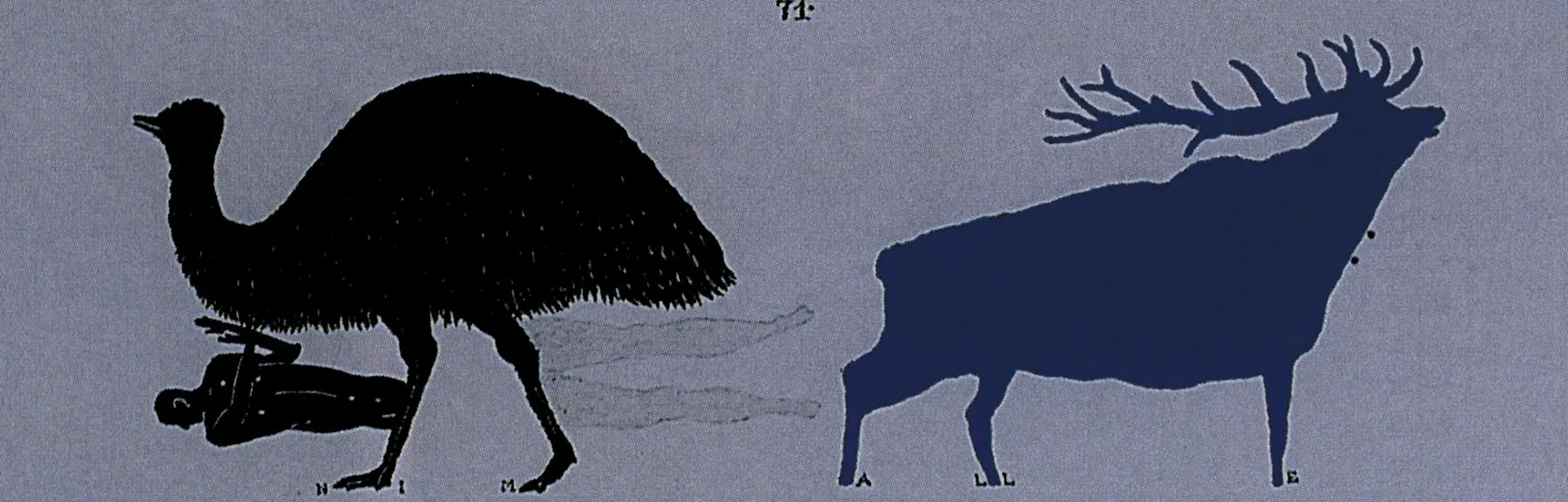
It is difficult to write about Jose Antonio Suárez. You have to see his works, preferably in silence and without too much explanation. The catalog to the New Names: Follow-up exhibition organized by the Luis Angel Arango Library in Bogota in 1990 included an interview with each of the artists selected for the show. The questions dealt with such subjects as what it means to be an artist or whether the participants felt bound to some tradition, or whether art should have a critical function. Doris Salcedo, Nadin Ospina, Maria Fernanda Cardoso, Luis Luna, and Carlos Salazar answered the questions, but Jose Antonio Suárez preferred to quote a paragraph from Jose Donoso's novel The Obscene Bird of the Night: "I am going to keep it because you have to keep things, very carefully even though they might superficially seem to be worthless, hide them and wrap them up because when you find something that is worthwhile, they try to grab it, it's mine, give it to me, you don't understand this, go and do some sewing, go and play bridge, give your cousin a call, so that they can keep what you have found. They know what it means and know-how to explain it. And they explain so much that things lose all their meaning ... I don't want to know what nothing means; 1 want to find something so as not to scratch in the night when I am sleeping, if indeed I sleep, 1 never know ... thanks."2
This paragraph against interpretation is not such as easy way out as it seems. In fact, Suárez's work has, since the time he began exhibiting in 1973 to the present, evoked the impossible separation between form and content. His interest is focused not on broadening visual language in itself, using all manner of stridency, but on going deeper into the same subjects, like refining the debate on the plastic problems encountered by artists over the centuries. His exhibitions challenge the habit acquired by the spectator of moving close to the work of art to find out what it means, always with the desire to interpret it before looking carefully. It is as though society has forced us into a kind of nervous way of perceiving things, the eye jumping from here to there. As a result, the idea of contemplating something in silence produces in us a sense of profound panic. But the impossible separation between form and content in Suárez's work arises mainly because he draws on paper.
A drawing may be said to be a structure or construction in which the lines and other signs are grouped together and combined according to a schema that determines these groupings, even though the general plan only appears during the course of the work.3 In other words, to refer to a quotation that interests Suárez: "make lines, many lines; either from memory or from nature" (Ingres to Degas). This attitude is closer to the naked experience of order which keeps perception and perspective personal, but for which words have not yet been found to express them.4 It is an area that appears in the luminous spaces of his drawings and in the figures and objects in different planes, which are not only visual but refer to perception, emotions, and memory.
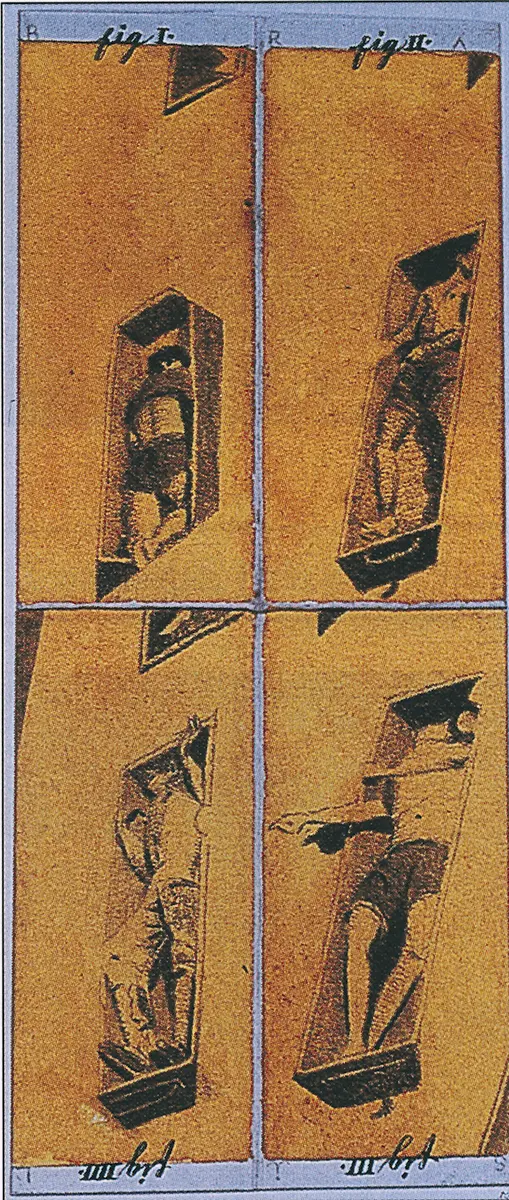
Suárez has been drawing ever since he was a child when he used to look at the reproductions in the books and encyclopedias belonging to his mother. She herself taught him to draw. He was born in Medellin in 1955, a handsome city full of contradictions. After studying biology, Suárez decided to enter the High School of Visual Arts in Geneva in 1978, where he studied for six years. This was a crucial period because it brought him into contact with a series of movements that questioned tradition, such as Fluxus and arte povera, and which left their mark on him in one way or another. Some of his most moving drawings include the sequence based on the recording in photographs of Joseph Beuys' performance in Coyote: I like America and America likes me. The actions of this artist broadened visual experience, and even that of representation, especially through his interest in the other; and Suárez has recorded with absolute respect and indignation the history of urban violence through which he has had to live. But he was also confronted with movements that tried to redefine this same tradition through the re-emergence of painting, as with the Italian trans- avant-garde.
When graduation approached, Suárez found himself filling little notebooks with phrases, drawings, and cuttings, compiled day after day, and month after month over a number of years. When he presented this as the work for his degree, "to see whether it might be of some use," the dean accepted it as it was, and told him to go to the library and look at the books of hours. He realized that this was in fact what he had been doing and he graduated as the best student in his class. He returned to Medellin to teach for five years.
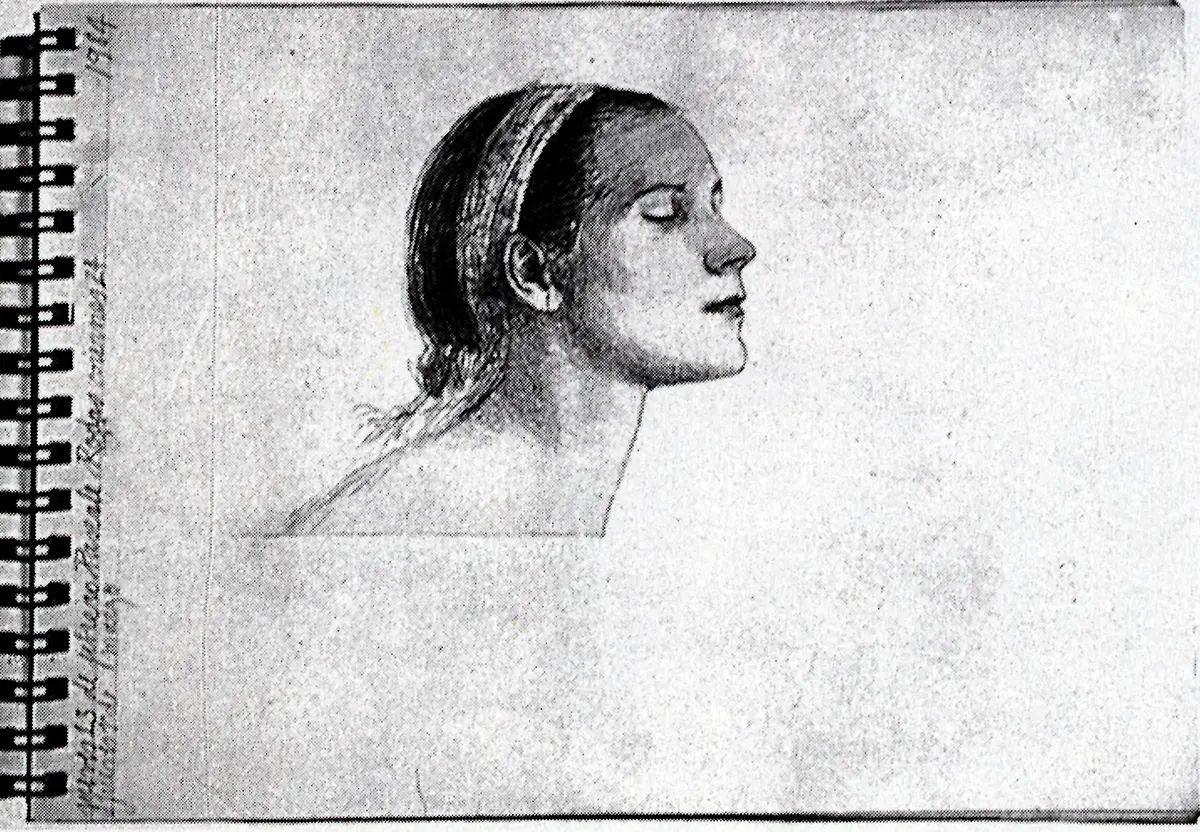
With his native city serving as a vantage point of observation, Suárez began to describe. This is the first and most outstanding feature of his work. The portraits of his friends, which he presented in the La Oficina Gallery in Medellin in 1984, are meticulous drawings in pencil where he describes the different textures of the skin and clothing, like some well-behaved schoolboy, trying to transform tactile sensations into tiny lines. These small portraits (14 x 20 cms.), all done in notebooks, have handwritten texts on their edges, bits of information which in the end become the titles of the works. For example, in one portrait of a woman, Pascale, the text reads: "Thursday 23 February Pascale Rodas Friday 24 Thursday 1 March". In another corner, "1984". The drawing of this young woman makes us feel the light of the days passing, with little inflections in the face almost in the style of Van Eyck's portraits. His markings, evident like the lines and gestures found in the drawings of Degas, allow the material to become almost weightless. It fuses with the white of the paper, and the tranquil woman has all the freedom to breathe and live.
In the margin notes —Thursday 23 February, Friday 24, Thursday 1 March— art appears as a record of everyday, minimalist experience, measured in abstract segments like the days on the calendar. There follows a series of cross-references as this same drawing jumps into the history of art in the subtle signs of the band in the hair, or in the composition of the head like a Greek statue, with the perfect form of the neck, chin, and forehead. Without any doubt it is a description, an apparently simple and yet revalued activity, that is the key to understanding the world, for we observe carefully only what we have learned to know in ourselves.5
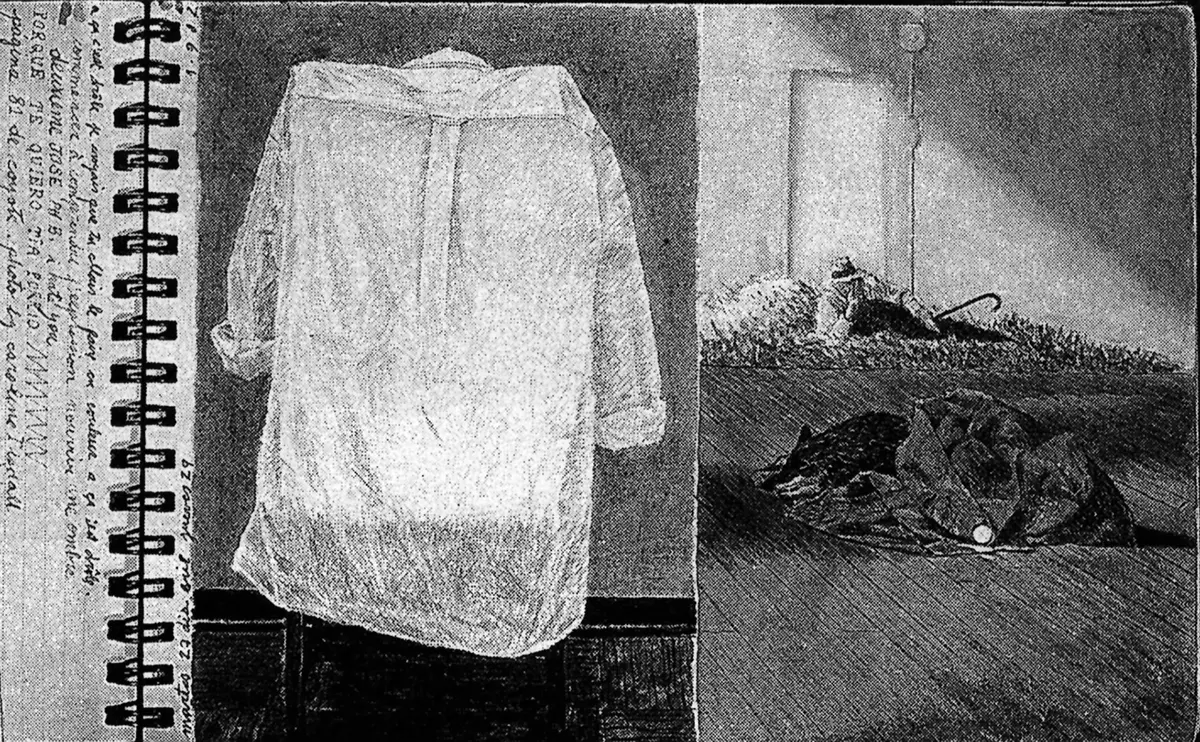
Italo Calvino said that when he wrote, he made use of a serial approach. He would have many folders in which he placed the written pages, depending on the ideas which passed through his mind, or notes on things about which he wanted to write. He had a folder for objects, another for animals, one for persons, one for historical figures and another for mythological heroes; there was another on the four seasons and one on the five senses; in another, he kept pages on city and landscapes, with a separate folder for imaginary cities outside space and time.6 Suárez would seem to work in the same way. His folders would be about art, war, characters, girls, rock, nature, animals, the city, sports, and anatomy. The subjects recur over and over again, but in different ways so they are not always the same. To always do the same thing but in a different way, each time mirrors a way of reflecting Jasper Johns defined very well when he said that the things which his mind already knew allowed him to work at other levels.7
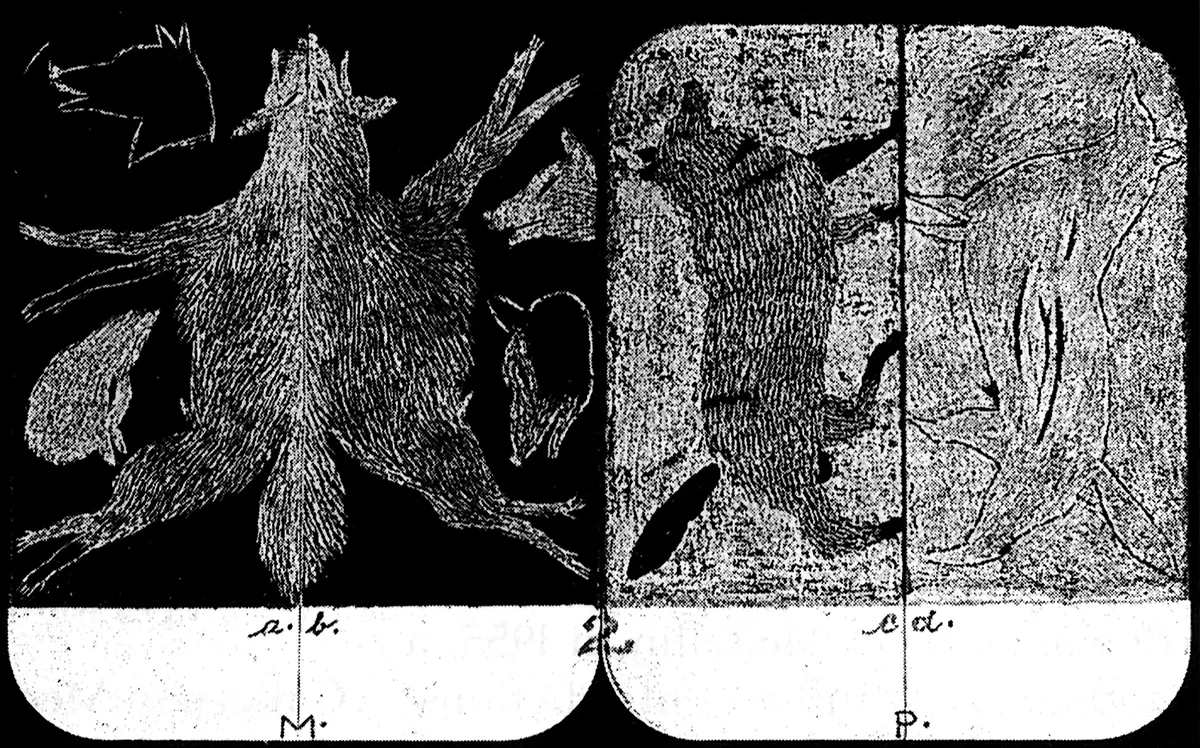
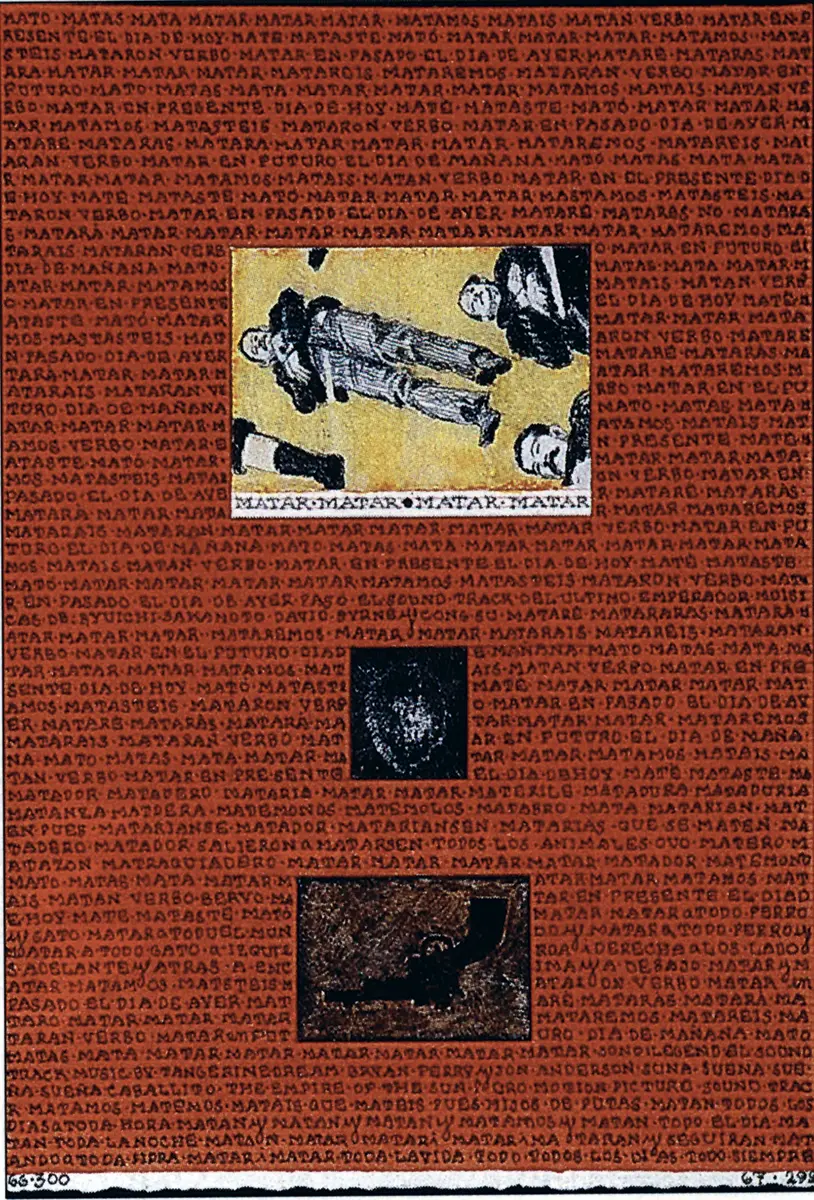
Without the desire to create things that do not exist, Suárez's work explores other levels and possibilities, such as composition, which becomes duplication, living together with others, objects, animals, letters, and the metamorphosis of the body. There is the color: the painted paper is sometimes space and the linework supports the form; other times, the color has a dramatic accent, becoming gesture, rhythm, or body, making the drawing and the painting inseparable. He explores printmaking, a medium which he considers soberer, with fewer possibilities for tricks and adornment. The linework in etching and xylography is a clear limit. Then there is an illustration, which he describes as a commissioned form of drawing, but which reflects the sureness of his taste and his knowledge of literature, which covers his memory like a membrane and structures his immediate perception - and thus all his work.
It has been said that drawing is a mental space that extends to the limits of touch. This is certainly the case with Suárez, who is particularly conscious of the paper he uses. Perhaps that is why he always works in small formats. He likes fine papers as well as simple notebook pages, which are already metaphorical. His studio is full of notebooks by the thousand, little books crammed with drawings and notes on all sides, impossible to separate. Yet despite his many exhibitions and prizes, his drawings are still relatively unknown.
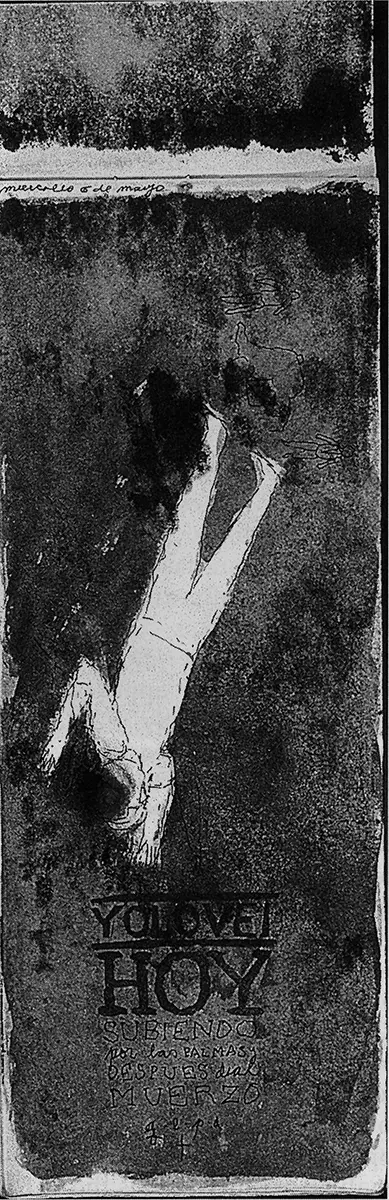
A piece of paper to capture the world, just a piece of paper like a piece of existence. A piece of paper to show the belly of a woman, to know that life is fragile and uncertain like a piece of cheap paper.8 A piece of paper with which Suárez explores his feelings, ideas, and almost anti inspirational attitude, "drawing day after day, in the best way possible ... so as not to scratch in the night when I am sleeping, if indeed I sleep, I never know... thanks".
NOTES
Jose Antonio Suárez, Portraits, general catalog, La Oficina, Medellin, December 1984 Jose Antonio Suárez, 14 Dibujos Zeichnungen Dessins Drawings, Cologne, 1995.
NATALIA GUTIÉRREZ
Chairman of the Art Faculty of the Jorge Tadeo Lozano University in Bogotá.