At the end of last November, the Bank of the Republic inaugurated three new exhibition rooms with a show titled Out of Limits, curated by José Ignacio Roca, current Director of the Plastic Arts Section. The exhibition gathered recipients of the Young Talent Scholarships which have been awarded by the Bank of the Republic for the last ten years to enable young artists to complete their studies outside of the country. As the curator pointed out, one of the main purposes of the exhibition was to "highlight the most evident features of working within and outside the limits of a territory which one recognizes as one’s own."
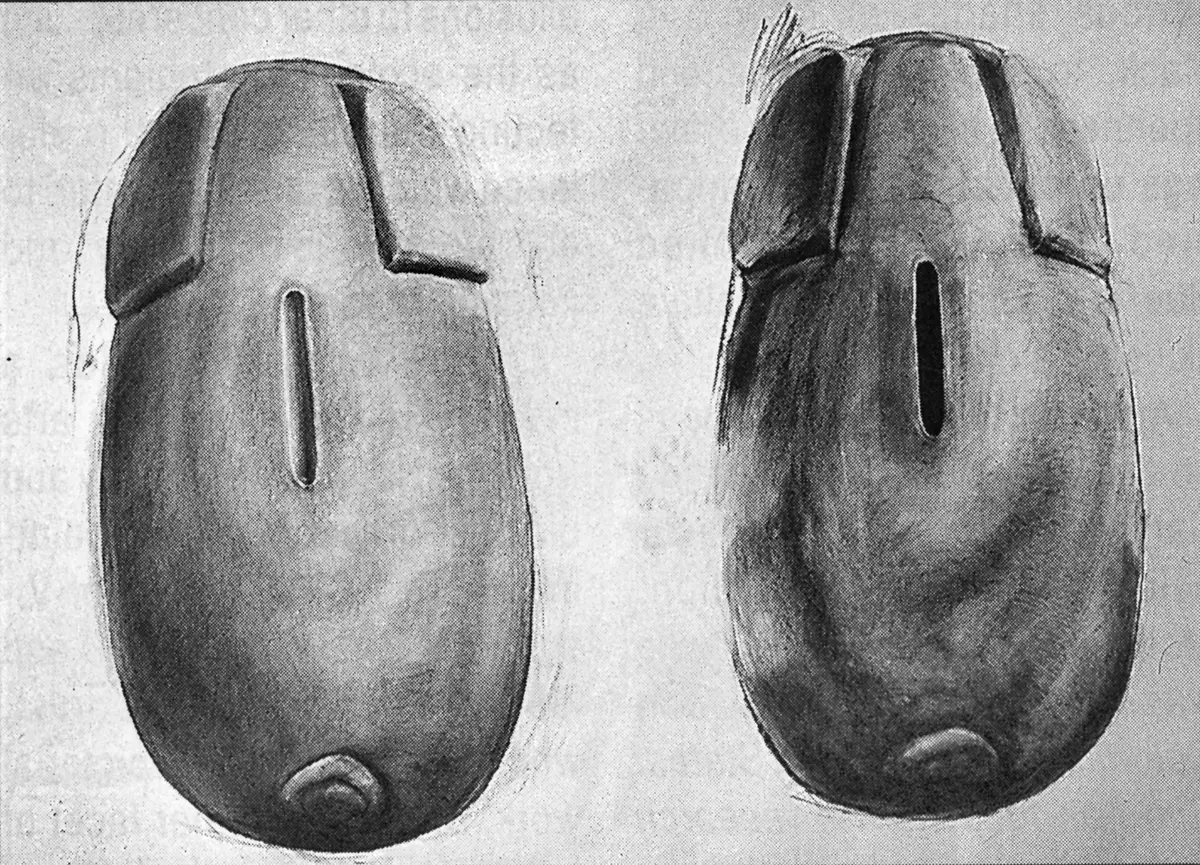
Miguel Huertas was the first artist to receive a scholarship from the Bank. In 1987, four years after graduating from the School of Fine Arts of the National University, he went to Paris, where he worked for two years in the Atelier 17. From the beginning of his career, Huertas has distinguished himself with his excellent drawing skills. The work presented in this show offered a twofold reflection: on the one hand, his drawings and objects were a kind of exploration of drawing, in particular the act of drawing, and on the other, they were an attempt to explore the open body. These two aspects were evident in the ephemeral large-scale drawing done on the surface of a wall, where the most important aspect was the actual process of its execution. The work was done with an assistant on a wall eight meters high, and the figure chosen, according to the artist, was "emblematic of the open body and the closed body." It consisted of two drawings of piggy banks showing the upper part of the animal’s body so that the slot for the money becomes the protagonist. In one case it was open and in the other closed, with the roundness of the body and the opening clearly emphasized. However, the purpose of this ephemeral drawing went beyond the reference to the body, since what Huertas was trying to do was to "make the invisible visible." The act of drawing is thus an attempt to highlight the surface, the work’s support — the wall, which over a period of four days was virtually caressed, as the finish of the drawing was achieved directly by the hand applying layers of charcoal and pastel to build up various shades of gray and black, to suggest volume and openness. The series of drawings on paper that accompanied this work confirmed Huertas' sharp and sensitive skills as a draftsman.
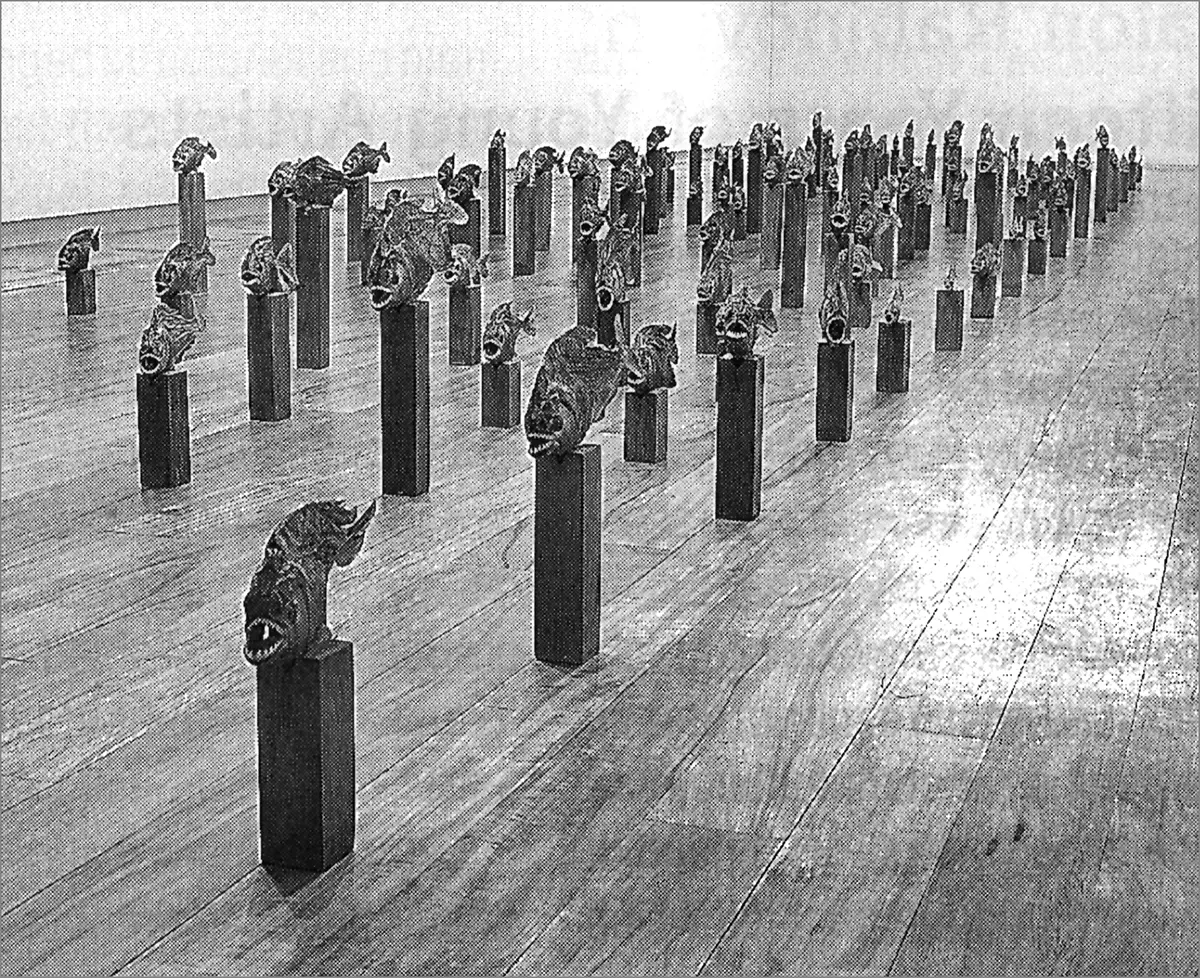
Ana Sokoloff’s observations on the work of Maria Fernanda Cardoso reflected the broader objectives of the exhibition, "Maria Fernanda Cardoso, who was born in Bogota, studied in Colombia and the United States. She has focused her research on the physical and characteristic associations of unusual materials for her sculptures and installations. Aware as she is of the artistic currents of the twentieth century, she has also been inspired by the cultural tradition of her own country, using aspects of the pre-Columbian, colonial, and contemporary cultures as elements for her work."1 For this show, Cardoso presented an installation with dissected piranhas, mounted on wooden bases that made up a river that crossed the length of the large room and consisted of an infinite repetition of elements. This use of repetition, a nod perhaps to the legacy of minimalism, has been one of her constant practices, though in her case it deviates far from the neutrality characteristic of that movement. Her works suggest allusions to other concerns, such as the ecological problems affecting the planet and the violence which is directly related to our national idiosyncrasy and immediate reality.
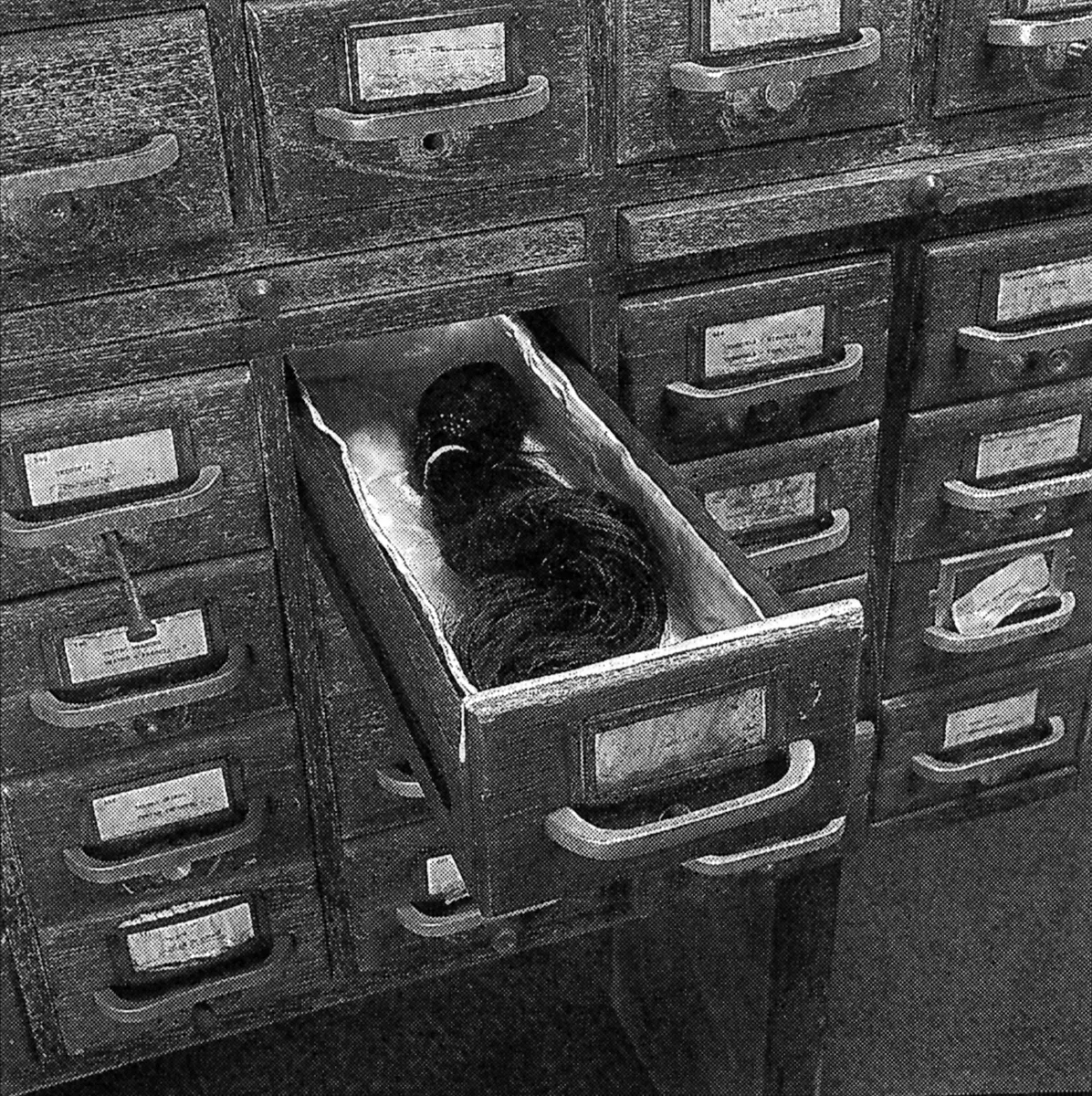
Liliana González holds a master’s degree in fine arts from the National University and did post-graduate work in painting at the Higher School of Visual Arts in Geneva in 1988 and 1989. In Out of Limits, this artist, who is known for her pictorial work, revealed another facet of her art that had earlier focused on the world of children. She presented an installation made up of canvases recalling the fresh and spontaneous universe of her earlier paintings, which referred to games like hop-scotch. González created an extremely attractive world combining child-like linework with vigorous and confident painting. The installation also included a library filing cabinet with drawers full of objects related to childhood and infancy, in particular, the gestation period and development of her own children. This work by González can be seen as a transitional stage in her own creative process as she oscillates between painting and installation as her choice of medium and language. However, both the painting and her use of objects to reflect the act of keeping, protecting, and preserving, offer interesting possibilities for the future development of her work.
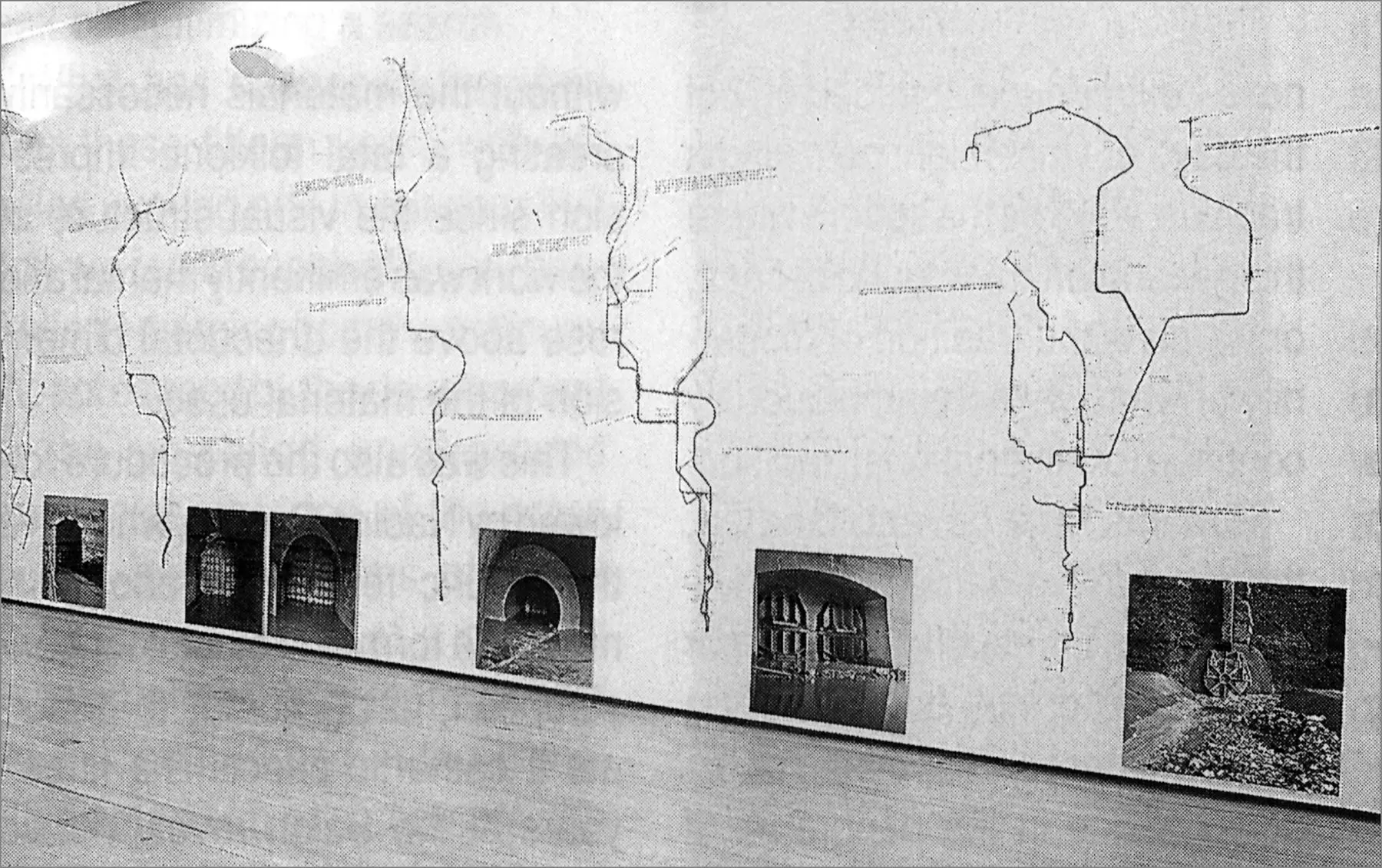
Juan Fernando Herrán graduated from the School of Plastic Arts of the University of the Andes in 1992. In 1993, he went to the Chelsea College of Art in London for a master’s degree in plastic arts and then continued on with post-graduate studies in art theory. From the beginning of the 1990s, he has emerged as one of the most interesting figures in the contemporary art scene of Colombia. His work in this show was titled Geographical Transformations, and provided a clear example of interdisciplinary artistic work reflecting on urban problems, history, and at times, sociology. As the curator pointed out, the origin of the installation could be traced back to Herran's interest in urban archeology,2 which was already evident in his previous work. There may be some debt here to conceptualism which allowed art to abandon its predominantly retinal status and become a form of investigation related to other forms of knowledge. Herran's current installation, in contrast to the coldness and lack of interest in visual elements characteristic of pure conceptualism, offered a vigorous visual structure, with the photographic material endowed with enormous plastic strength. The accompanying texts intensified a certain kind of sonority, enabling the spectator to become intellectually and emotionally involved in this meditation on the nature and destiny of the Thames river. These aspects of his work bear witness to the opening up of new horizons in present-day art, an opening up which is accepted and understood in the case of Herran but that, with other artists, and in weaker works devoid of any sense of process, evoke the specter of the inevitable dissolution of art.
The show was accompanied by a catalog with texts by the curator and documentation of the works and ideas of the artists in their own words. This allowed the visitor to gain a more complete understanding of the poetics of each of the participants. The artist statements revealed how they have over the last few years moved towards a very personal and individual form of expression, but not with taking the needs and characteristics of contemporary art into account an art which since the second half of the century has gone beyond the purely visual dimensions of reality to involve itself in the very processes of art itself, through self-reflection and interdisciplinary research requiring new forms of reading, understanding, and participation.
NOTES
1. Ana Sokoloff. "Maria Fernanda Cardoso: In Search of Nature." Art Nexus, No. 20.
2. José Ignacio Roca, exhibition catalog.
MARTA RODRÍGUEZ