
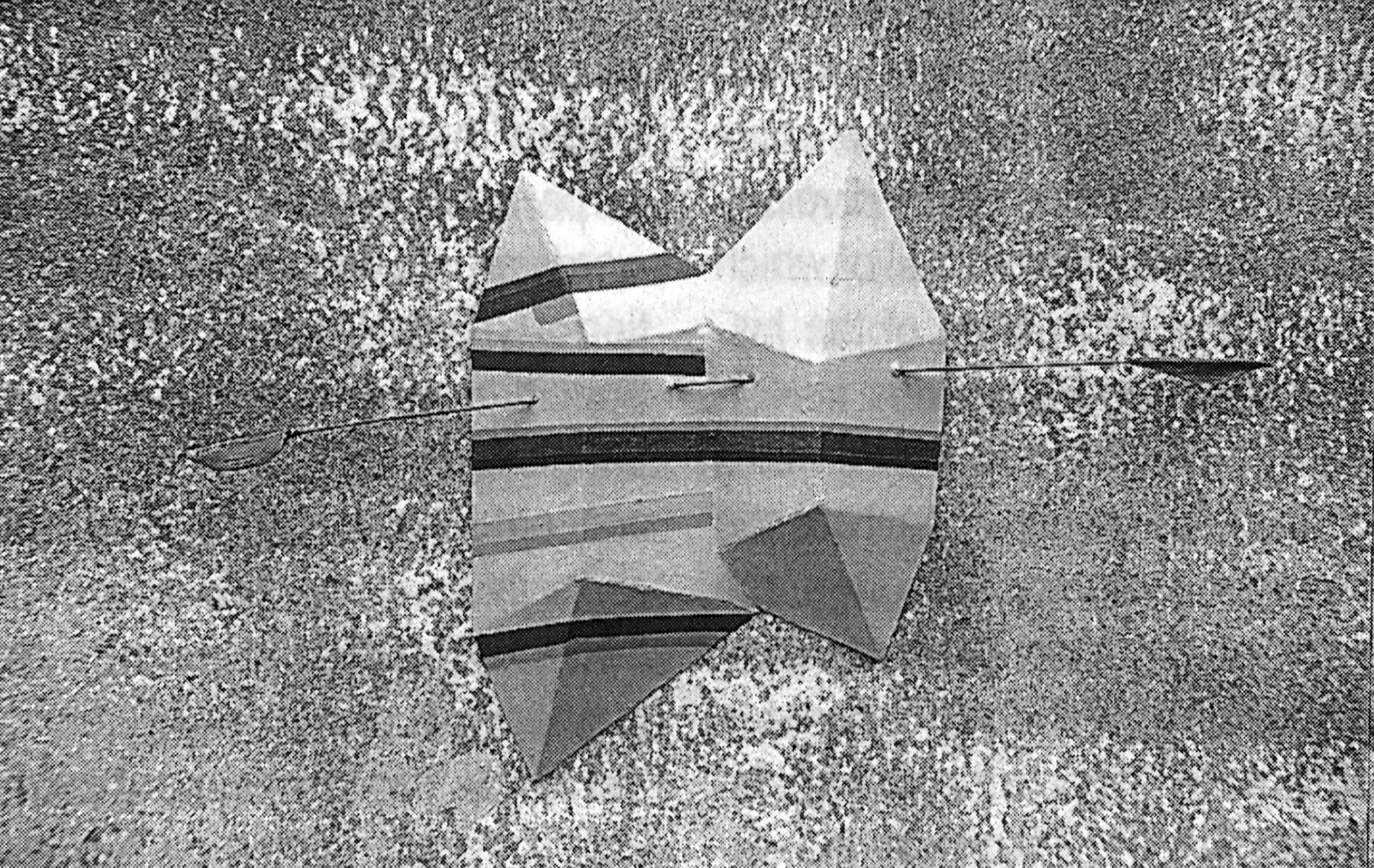
This most recent edition of the Salon lacked the sense of surprise caused by any truly risky proposal; there was not even any pleasant boutade, but merely a simple illustration of what is now being taught in the academy. A sense of dejà vu has been a constant feature over these fifteen years — as indeed, it has been of art in general, which has been reduced to remakes, parodies, texts on other texts, etc. A review of the history of the Salon confirms this sense of being at a crossroads, a sense of dissipation the mimetics and appropriation of which are highlighted in the information received by our young artists.
It is even more evident as regards specific references seen as signs of generational distinctiveness —experience, the ideology of the day— or what might be called a tradition, which is the sphere where this generational content is defined, or vis à vis the tradition of modernity or what we more ambiguously continue to call a national tradition.
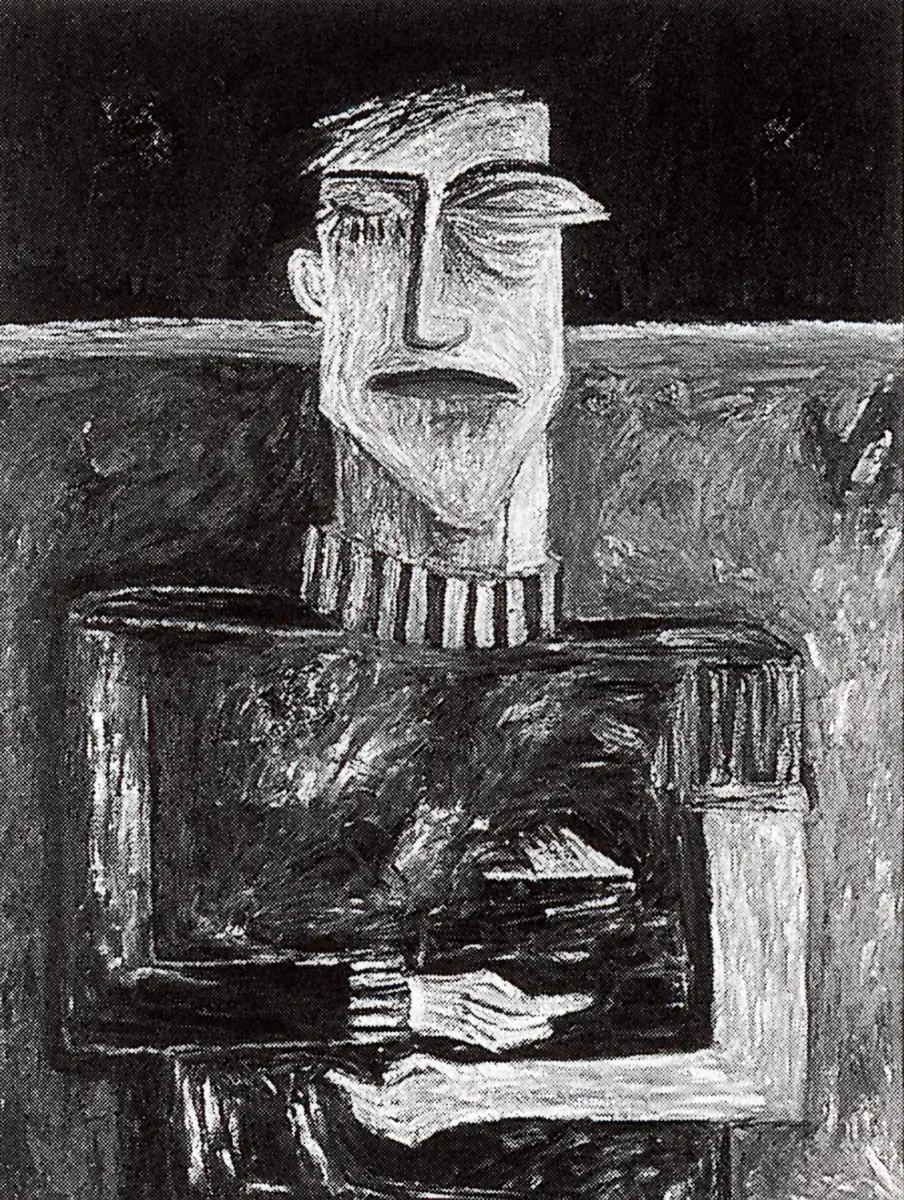
Patterns, arte povera, land art, the trans-avant-garde, etc., a kaleidoscope of influences, whether assimilated or not, but which at a given moment presupposed a personal choice in the panorama of art. There was the corn and brown sugar in the work by Carlos Uribe, without the materials necessarily creating a fatal folkloric impression since the visual structure of the work was eminently mental and rose above the anecdotal dimension of the material used.
This was also the procedure followed by Nadín Ospina, who gave the telluric fetish, the aboriginal myth, the form of a bibelot for consumption, using humor to generate a cathartic effect. The fifteen years of the Salon reveal not so much the existence of a balance sheet as rather evidence of personal processes which have not stagnated in the tinsel world of youthful proposals but have been able to explore more deeply the initial questioning, find a plastic solution for their generational content.
In my reviews, over the years I have insisted on the difference which should be made between wit and genuine creativity, between what is new and novel and what is really original. Wit is only a demonstration of momentary skill, a flash which ingenuous jury members often take to be a rupture when it is merely a passing form of entertainment. Creativity on the other hand consists of surmounting the obstacle of effect-seeking tricks to seek out possible and profound meanings, the possibility of new visual structures. Many have been awarded prizes for works of wit, manual tasks have disappeared rapidly because of a lack of real arguments, whereas real talent has revealed itself through the difficult task of legitimizing a search.
What has happened therefore over these fifteen years with so-called young art- in our country? Can we really speak of a new generation emerging from the profound impact caused by the development of the so-called underground economies, the rise of the mass media, the new forms of urban life? Can we speak of a national tradition when these young people have been nurtured in the global village made up of computers, the Internet, new forms of territorial distribution?
From the very beginning, María Teresa Cano has shown mental clarity and a brilliant formal capacity to handle the hard and terrible humor with which her intelligence has confronted the themes of everyday life, the horror of the void evident in certain social rites. This supposes the presence of specific content through which the sense of dejà vu —the Spoerri of edible art— is overcome by the aesthetics of irony.
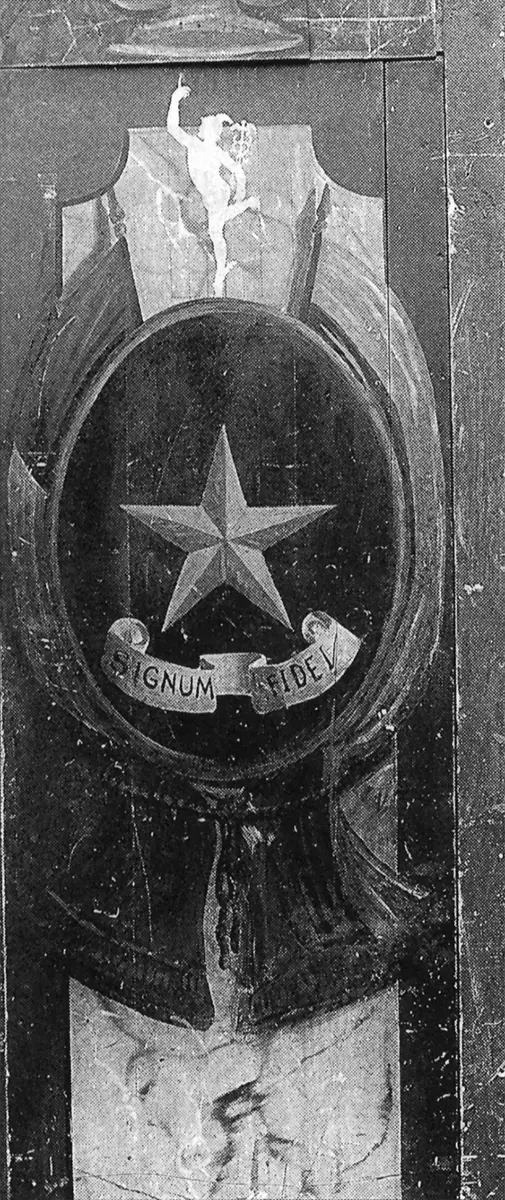
During these fifteen years, contemporary art has seen the renewed proposals of neo-geo, the new figuration, alternative centralities, and the importance of the margins. In other words, a thorough overhaul —Halley, Buren, Salle, Kirkeby, Broodthaers, etc.— of the so-called tradition of modern art and the proposal of new iconographies. This is the semantics used by the youngest artists amid the mocking of certain second-hand commentators (the anachronistic literary country), and they have done so not as a compact group but following the typically Colombian characteristic of the individual, solitary path.
From where or what local tradition do the proposals of María Adelaida López and Gloria Posada come? The negation of this kind of tradition and the choice of semantics born of these contemporary experiences indicate that we have entered another historical period, defined by a new type of society in which it is not the political revolution that has changed structures and mentalities but the silent revolutions of the sexual, religious, etc. kind.
If the installation fever did not in most cases go beyond a demonstration of artificial games of wit in which the vision of nature and social problems was almost naive, the semantics of this new generation of artists was based on the aesthetic postulates of postmodernism leading to nihilism, a zero degree in European society but which here finds itself face to face with reality in need of meanings.
What is certain is that from the conceptual intolerance of the 1980s which emphatically decreed the death of painting and drawing, we have moved on to the co-existence of proposals, since the painting and figuration of Julián Aristizábal, Fredy Serna, and Mauricio Gómez have nothing to do with the painting of the 1980s: the objective now is above all a new approach to reality as a plastic objective and an aesthetic task. What we are really talking about here is a new conception of the artist.
It is not a revival but a new visual structure making use of the paths indicated by Beuys, Broodthaers, Polke, Barnet Newman, etc. The fact that after these 15 years the Salon has been revealing this process to us is particularly important since there was a time in which it entered the country on a false and acritical basis, which lacked something which is now fortunately at hand: a theoretical framework which allows us to understand its inquiries and reveals in each personal development the outline of a process, the praiseworthy consequence of which is that we are at long last overcoming the terrible obstacle of our cultural isolation.
DARÍO RUÍZ GÓMEZ