
The Spirit of Resistance: African-American Modernists and The Mexican Muralist School focused on the work of eight African-American artists: Charles Alston, John Biggers, Elizabeth Catlett, Sargent Claude Johnson, Jacob Lawrence, Charles White, John Wilson, and Hale Woodruff, all of who were influenced by the great Mexican muralists, José Clemente Orozco, Diego Rivera, and David Alfaro Siqueiros. The exhibition catalog reached a milestone in cross-cultural art history. The two essays by the show's curator, Lizzetta LeFallie- Collins, along with contributions by Raquel Tibol and Shifra Goldman, amount to one of the first comprehensive surveys published on African-American and Mexican interaction from the 1920s to the 1960s.
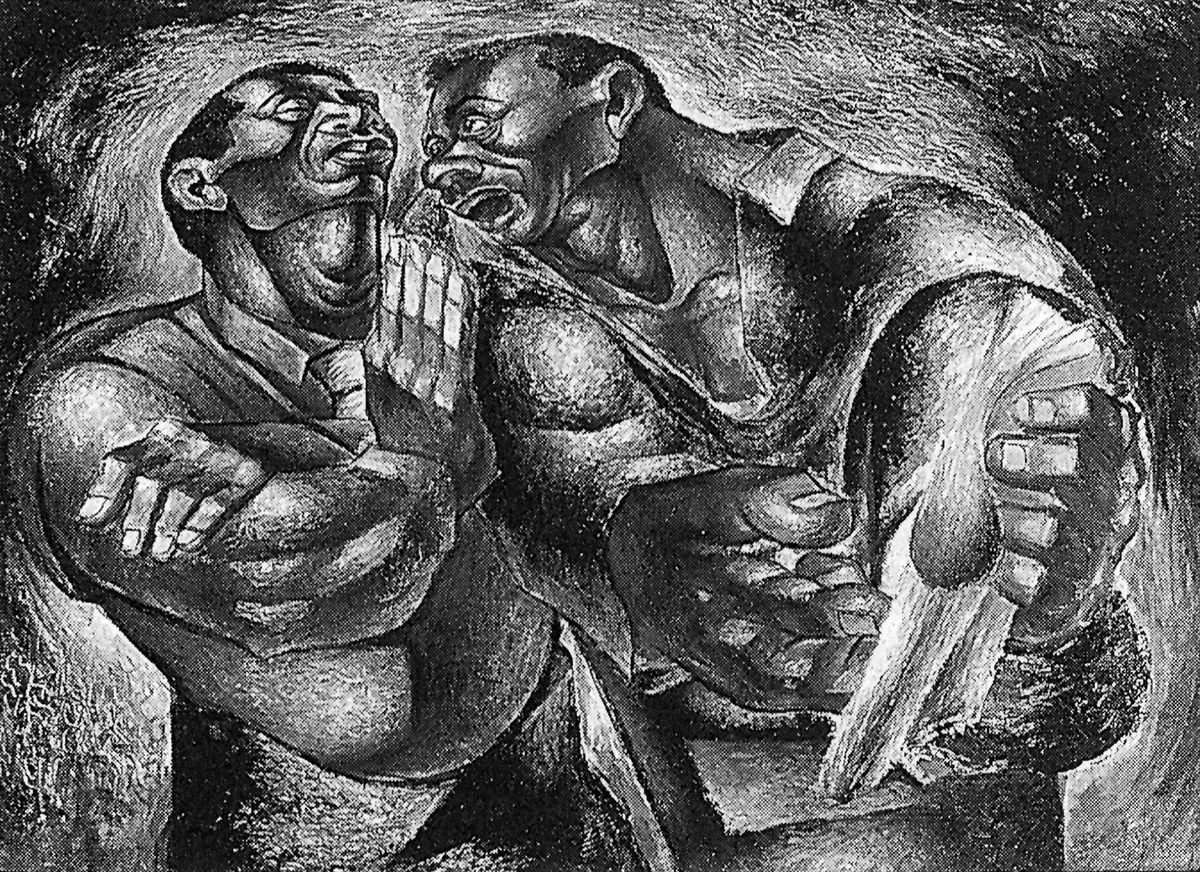
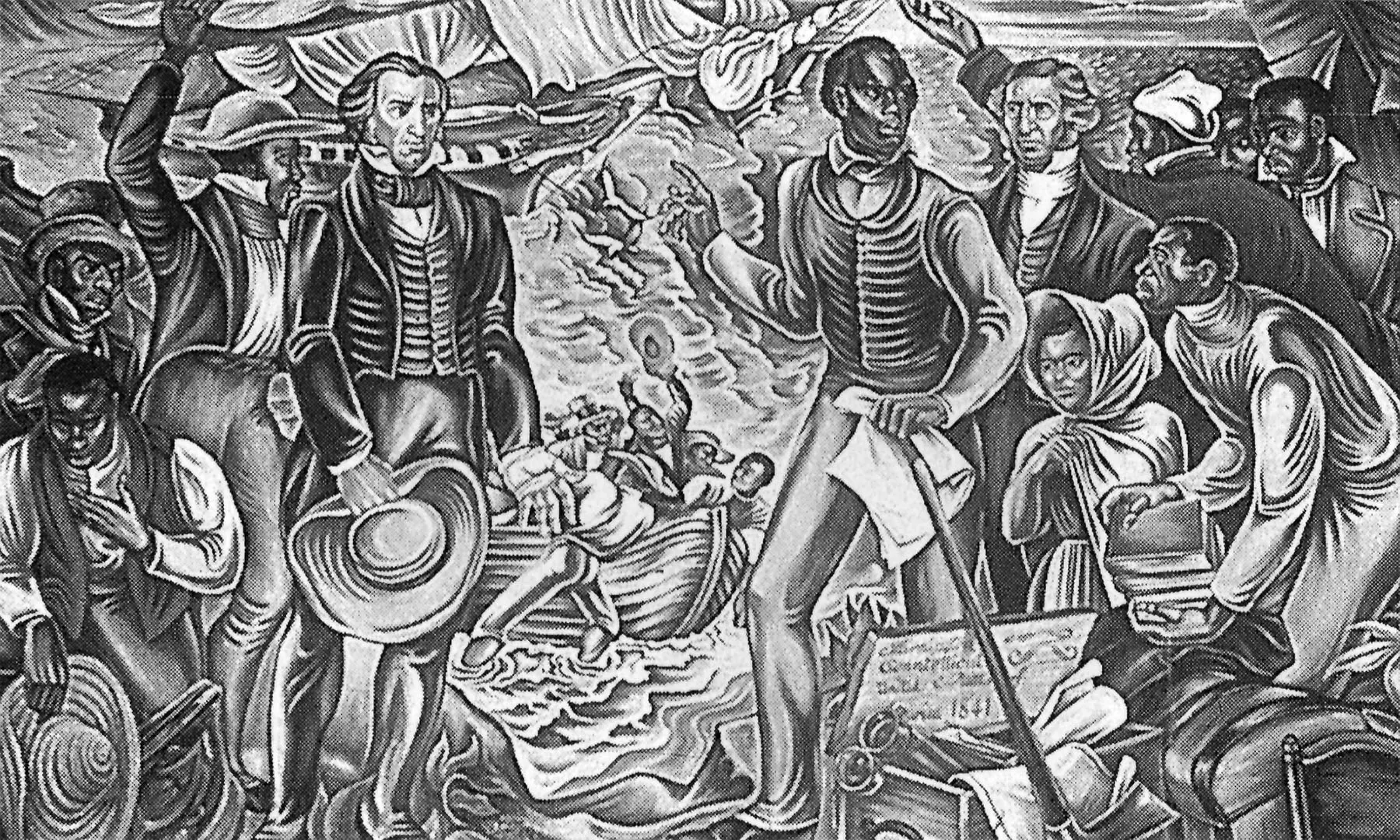
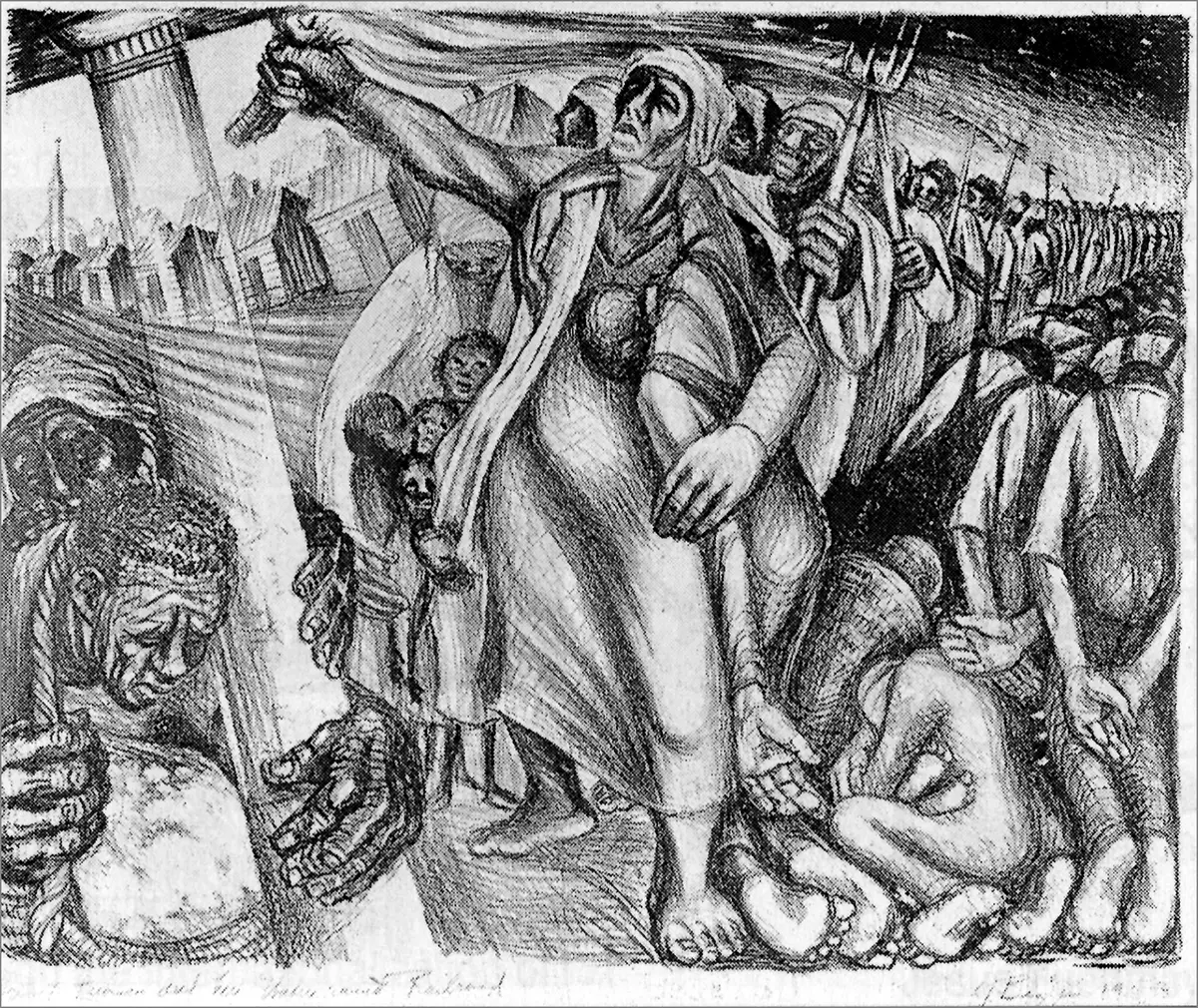
The exhibition focused on work from the thirties and forties and demonstrated how the Mexican muralists provided African-American artists with a model for creating mural cycles. Rivera's multi-perspectival organization of figures was evident in Charles White’s Contribution of the Negro to Democracy in America (1943), and in Hale Woodruff and Charles Alston’s The Negro in California History (1949). Orozco’s attenuated twisting figures set the precedent for John Biggers’ expressionistic Night of the Poor (1955). But oddly enough, the exhibition failed to provide an adequate survey of the Mexican masters that the African-American artists carefully studied so carefully. Only 15 out of 100 works in the exhibition were by Mexican artists.
In addition to under-representing Mexican artists, The Spirit of Resistance unintentionally conveyed a segregationist ethos. Regardless of the fact that the Mexican muralists worked with some of the African-American artists in the United States, and that African-American artists traveled to Mexico to study with the muralists and participated in the Taller De Grafica Popular, examples of works demonstrate that the artists took interest in the each other’s culture were generally absent from the show. Instead, African-American and Mexican artists were represented by works that emphasized parallel concerns with the themes of poverty, class conflict, war, racism, colonialism, slavery, and the portrayal of heroes and heroines that fought those injustices. Charles White’s lithographs, Mexican Woman (1946) and Mexican Boy (1946), John Wilson’s The Worker (1951), and Elizabeth Catlett’s Latin America Says "No!" (1963) were among the few examples shown of African-American works that crossed ethnic boundaries. Similarly, Rufino Tamayo's black-figured Dancers over the Sea (1945) was the only major work to suggest that Mexican artists also gained inspiration from African-American culture. Given the context of the exhibition, the curator’s omission of Covarrubias’s series documenting African-Americans in Harlem, Negro Drawings (1927) was particularly disappointing.
The conservative curatorial approach taken in The Spirit of Resistance is understandable. Scholarship in this area is just beginning to surface and there are few precedents for presenting a bi-national survey in which half of the participants are minorities in their own country. The curator took the opportunity to exhibit many historic African-American works that receive little attention in their time. However, by doing so she sacrificed the inclusion of enough works by Mexican artists to relate a convincing portrait of the complex passions that ignited this Mexican and African-American alliance.
YASMIN RAMÍREZ