
At the November 1996 Latin American art auctions in New York, the audience was largely made up of collectors and art dealers from South America. This is, I believe, creating a new outlook for this segment of the market, where people are now beginning to collect seriously. Nowadays, the Latin American art market is composed of younger collectors who have less experience and fewer demands about the quality of the works at auction. Rather than the quality of the work, it is the name that counts.
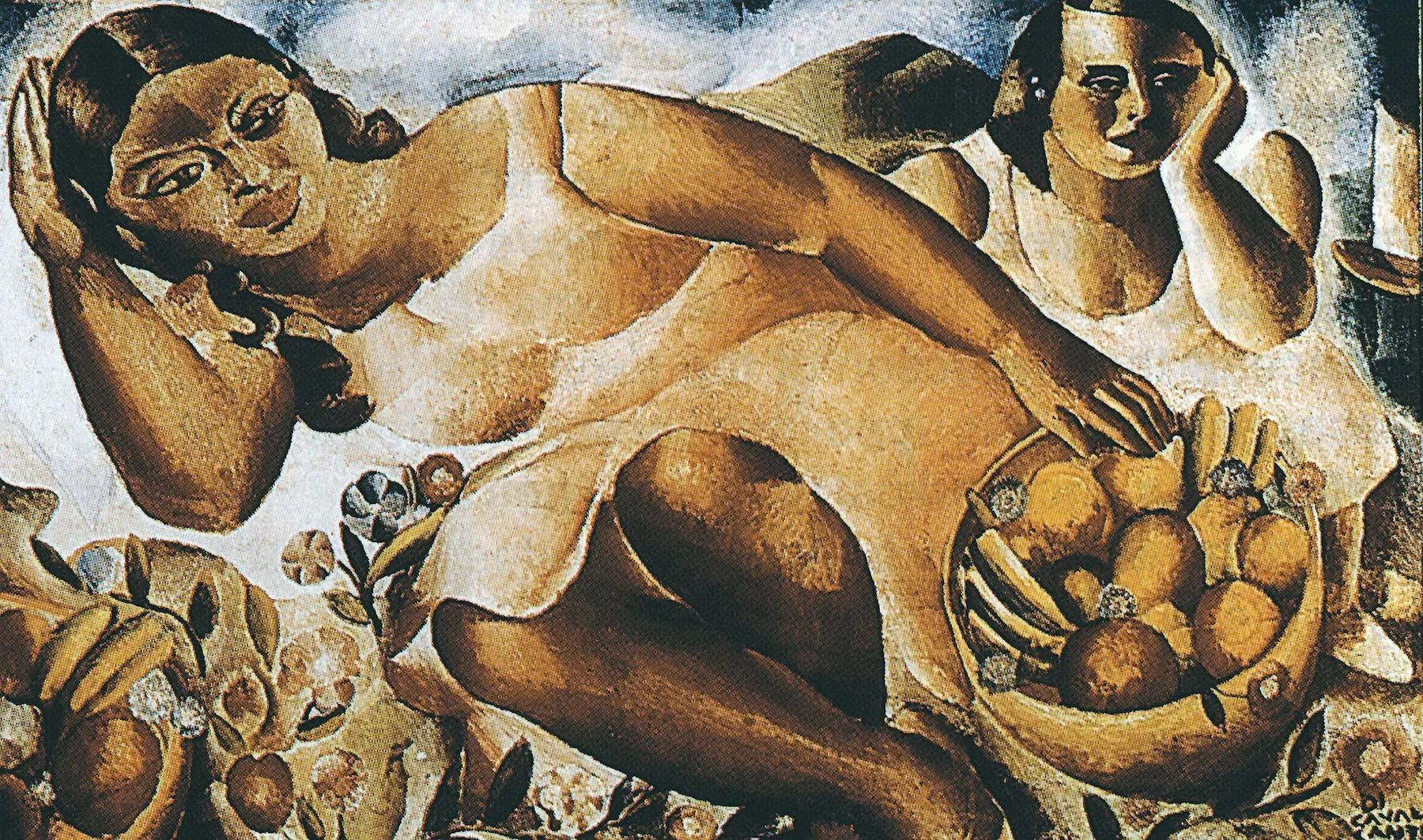
The presence of Brazilian art at Christie’s caused some commotion among collectors from that country who had come in the hope of being able to take home some important works by Emiliano Di Cavalcanti. But they were thwarted by Eduardo Constanti, the Argentinian collector, who once again won another jewel for his crown, the work titled Women with Fruits, an oil painting from 1932, from the Lucja and Aleksander Landau collection, which reached $651,000, from a starting base of $140,000-180,000 — a record for the artist. The same collector also bought the Cavalcanti’s Fishermen's Wives, oil on canvas from 1938, which sold for $288,500, far exceeding its estimate of $90,000-120,000. Eduardo Constanti informed ArtNexus that he was donating his private collection to the foundation that will establish a museum in his name.
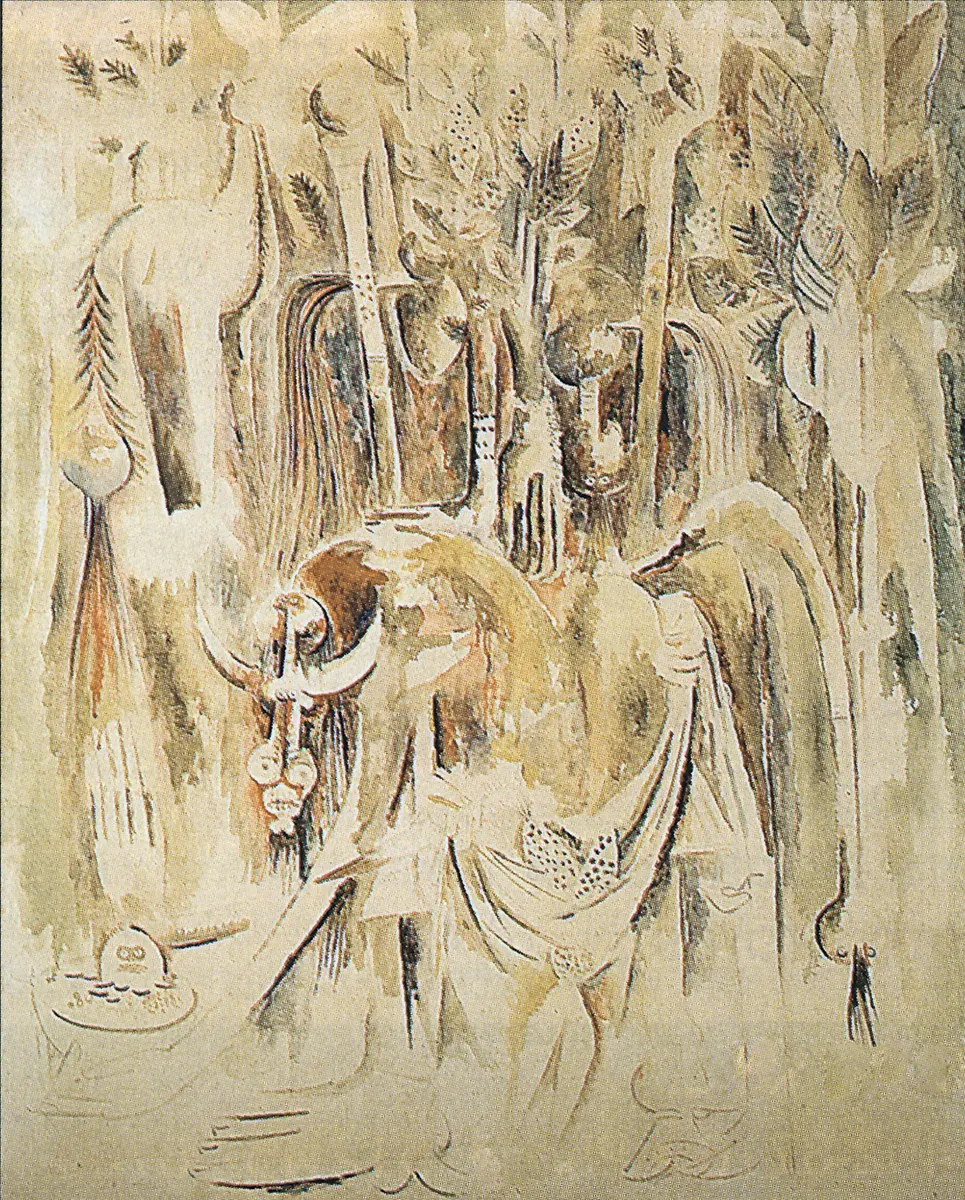
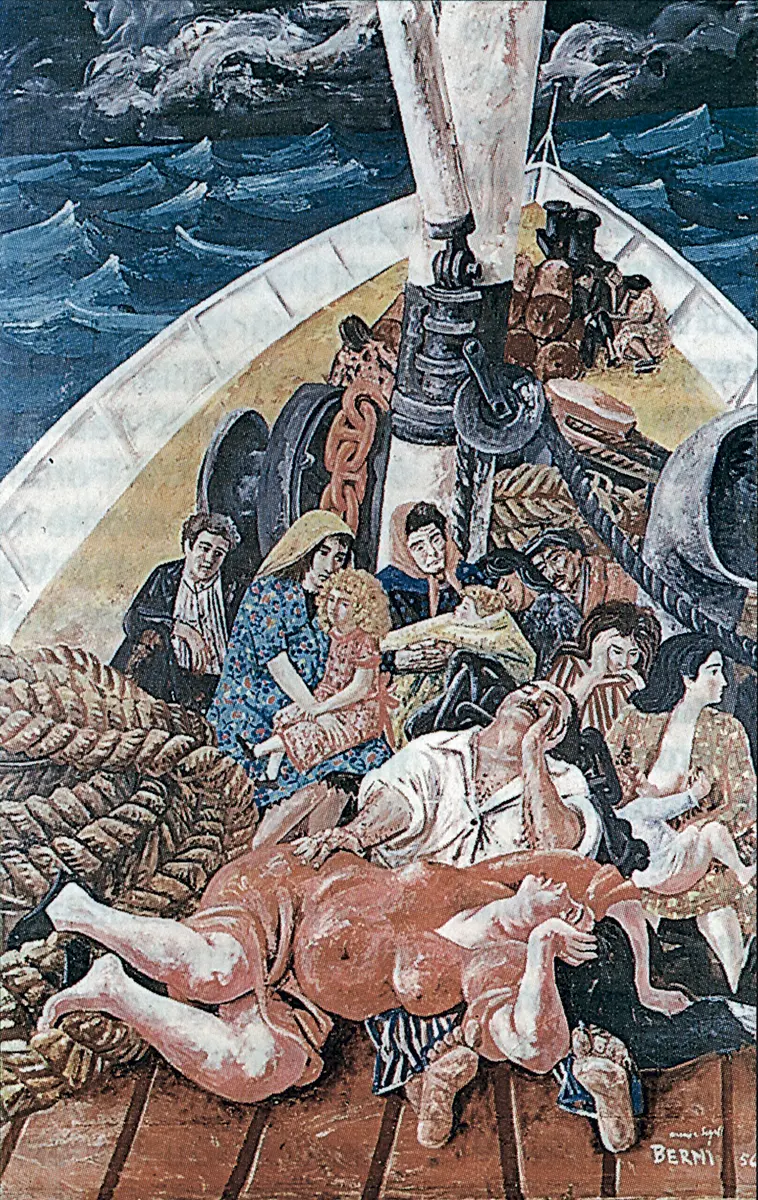
Another memorable record that night was set with a sale of the work of the Argentinian artist Antonio Berni. The Emigrants, a large format tempera on canvas sold for $552,500, with an initial estimate of 350,000-450,000. The favorite lot was the extraordinary work by Wilfredo Lam titled Foret Tropicale (1943), which reached $882,500, just within the range of its initial estimate of $800,000-1,200,000. This important work will join a private collection in South America, as will the Berni work.
A major favorite in recent years has been the Nicaraguan artist Armando Morales, who lives in Paris, and who has received the continued support of a very powerful group of collectors (with very good reason as Morales is undoubtedly one of the contemporary masters of Latin American art). The work entitled Trois Baigneuses, a small format oil valued at $170,000-190,000 sold for $211,500 dollars. Again, the final destination of the paintings will be South America.
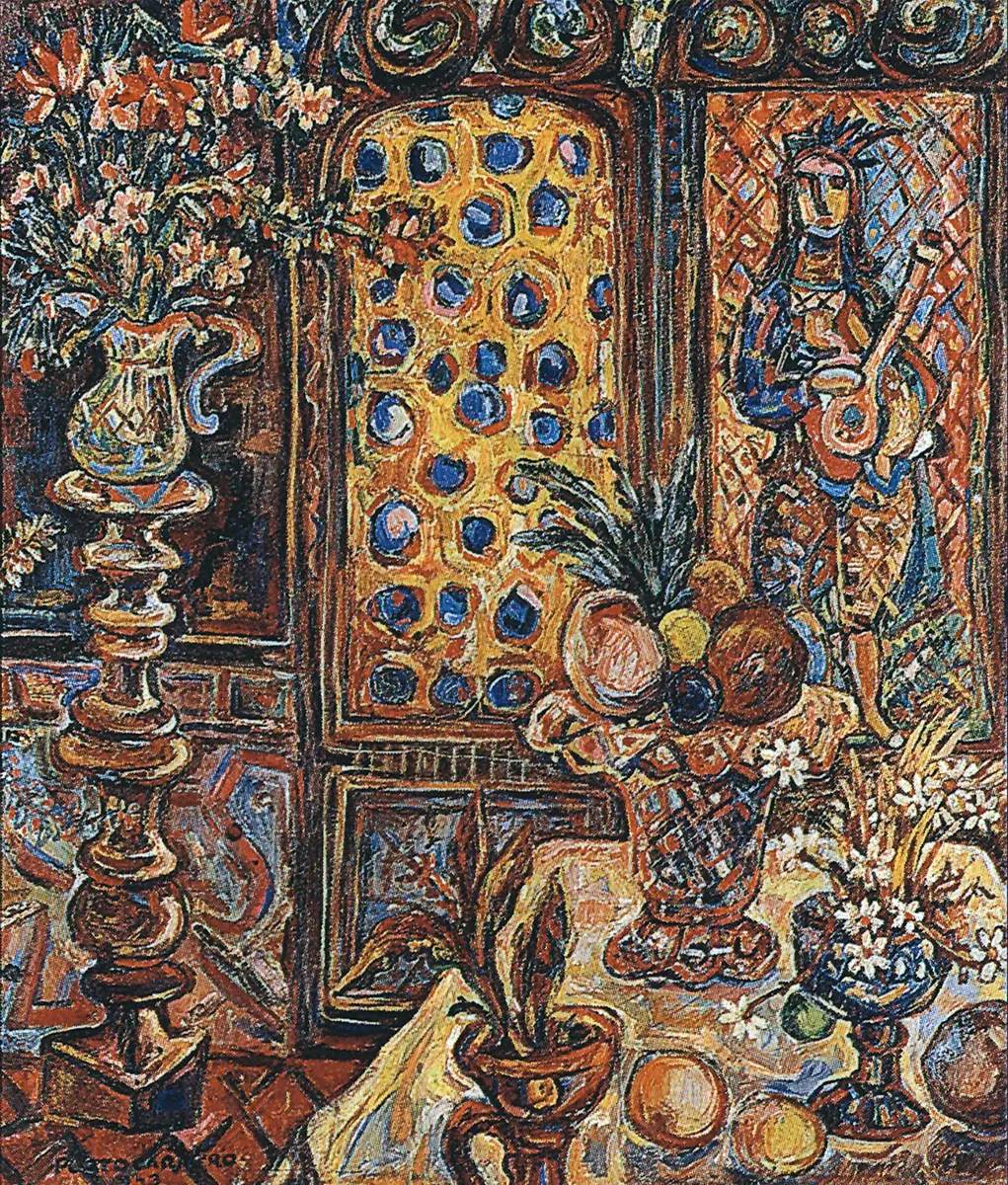
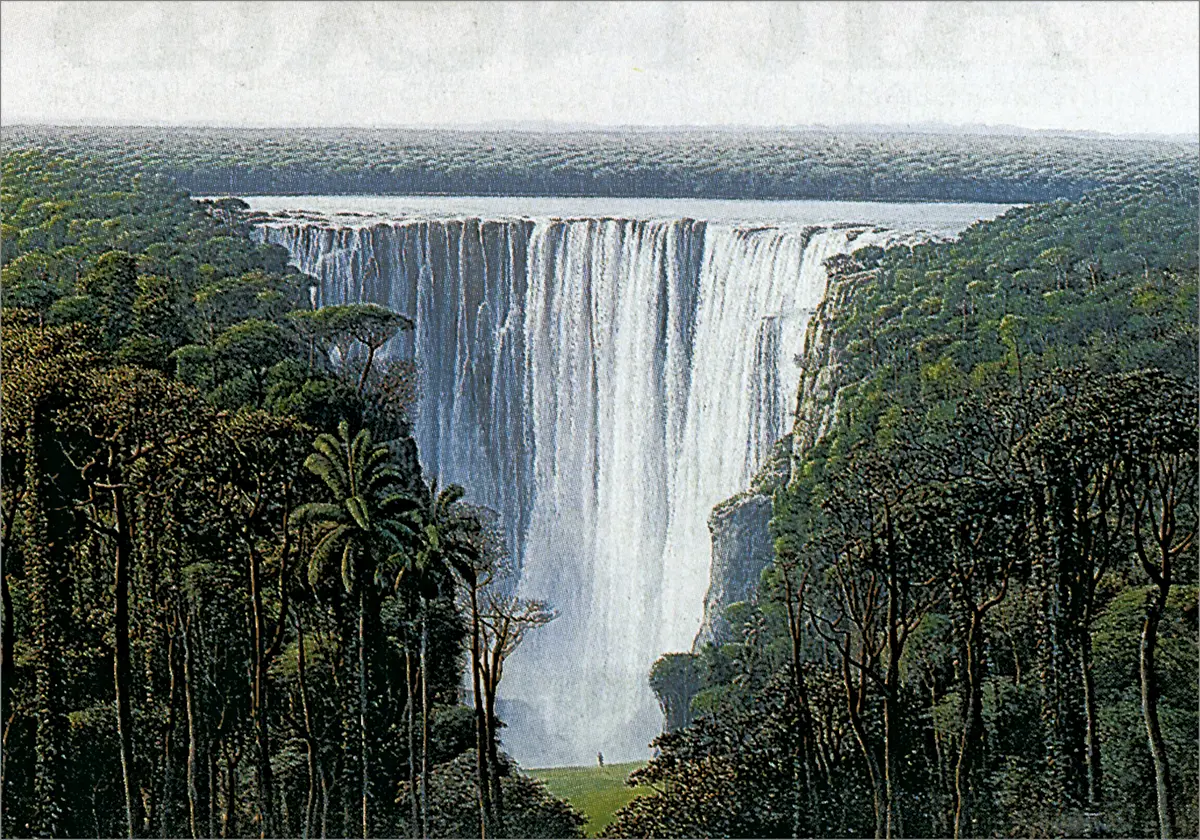
The Cuban artists who achieved the best results this time were Rene Porto- Carrero and Tomas Sanchez (who has acquired a strong position in the New York auction houses). Both artists fetched record prices at Sotheby’s, where Rene Portocarrero’s Interior at the Hill, oil on canvas from 1943, reached $195,000 dollars, with an estimate of $150,000- 200,000. An idyllic oil painting titled Cult of the Waterfalls by Tomas Sanchez, from 1991, went to $101,500, up from the original estimate of $50,000-70,000.
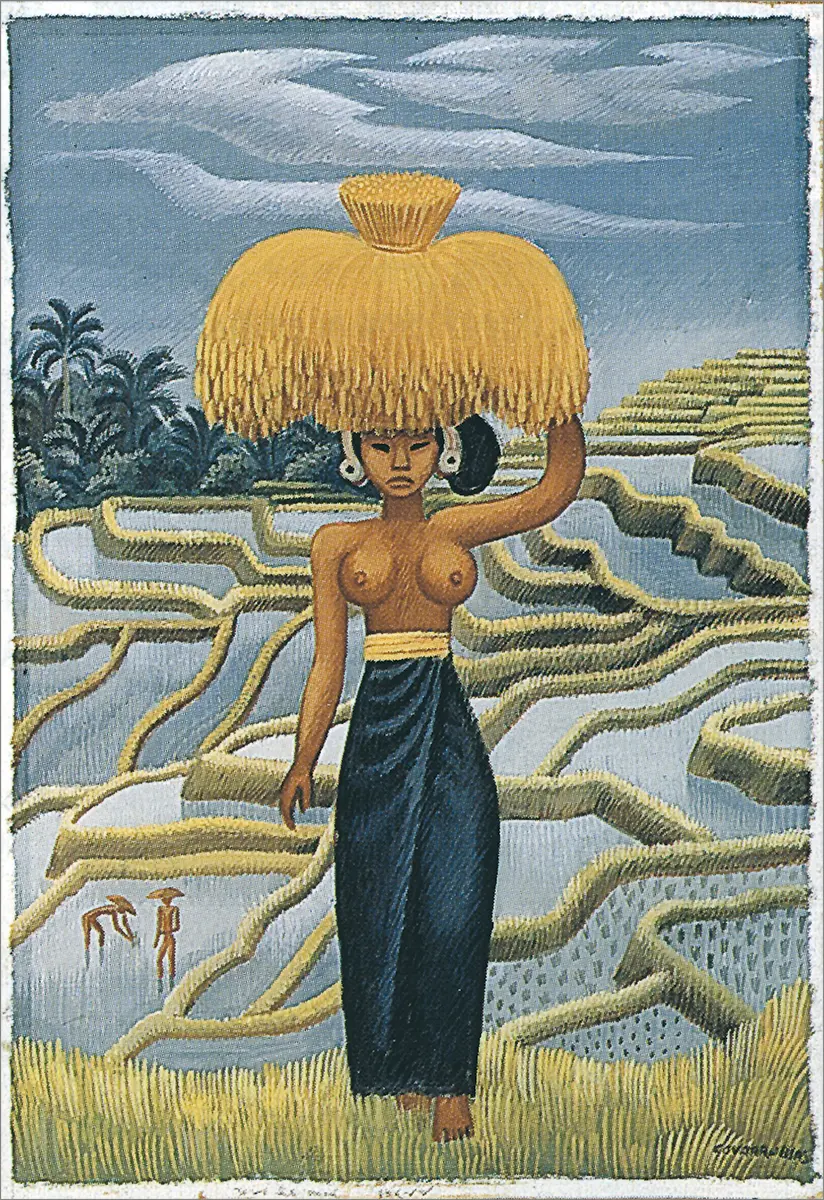
Another item at Sotheby’s that achieved a surprising price was that of a small format work (49 x 34 cm.) by the Mexican artist Miguel Covarrubias, Rice Fields in Bali, estimated at $30,000-40,000, but which went for $222,500. The buyer was Indonesian, and rumor had it that it reached its exorbitant price because the girl in the picture was bare-breasted. A less agreeable surprise was the sale of the well-known and often reproduced painting, The House of the Arias Twins by Fernando Botero, estimated at $800,000-1,000,000 dollars. The painting had been purchased for $1,540,000 in November 1992, but at this time sold below its estimate at $739,500 dollars. This sale caused consternation among the public on this night when some of the great names in Latin American art did not farewell. The Red Mask by the Mexican master Rufino Tamayo, for example, sold for only $992,500. The same work had been sold for $1,542,500 in May of 1993. But a nineteenth-century work by the Venezuelan artist Arturo Michelena, Moor Warriors, rose from its estimate of $20,000-25,000 dollars to reach a price of $129,000 dollars.
What these auctions showed was that we are in the presence of a changing market with potential new collectors. The refreshing arrival of pictures not often seen before, such as those of the Brazilian works for the Landau collection, with South America (Argentina, Chile, and Brazil) are exerting strong pressure based on more stable currencies. Artistic pioneers of the quality of Constantini, who continues to give strong support to great Latin American art, will give rise to new patterns in the region — where a preference for European art is well known — by enhancing enhance the value of art which is not only undeniably important in aesthetic terms but is also highly appealing as an investment.
MIRTA KOZOLCHYK
Born in Argentina. Correspondent for El Universal Newspaper, Mexico. Founder and President of the Board of the Mexican Cultural Institute in Miami. She lives and works in Miami.