The Museum of Contemporary Art (MOCA) continues the celebration of its inaugural year with an outstanding exhibition of Mexican masterworks from the collection of Jacques and Natasha Gelman of Mexico City. Jacques Gelman made his fortune in film production, particularly with movies starring the popular comic known as Cantiflas. Avid collectors of European and American Art, the couple began acquiring Mexican paintings in 1943 and became friends and enthusiastic supporters of the artists, many of who honored their patrons with portraits (five of which are in the exhibition). The Gelman collection is considered to be the most significant private collection of modern Mexican paintings. It will be seen in only two venues in the United States, the San Francisco Museum of Modern Art and MOCA Miami.
The exhibition of 53 works by 15 artists traces the evolution of Mexican art from the stellar paintings of the great triumvirate of Mexican muralists (Diego Rivera, David Alfaro Siqueiros, and José Clemente Orozco) through contemporary trends of the 1980s (Francisco Toledo and Jose Luis Romo). Subjects include social realist images of native people, portraits, surreal landscapes, mythical fantasies, and carefully constructed abstractions. The full range of modern explorations into new expressions of a pictorial language that utilizes the analytical as well as the emotional involvement in the creative process appears in this group of paintings and quickly dispels any assumptions that Mexican modernism is limited to social commentary and revolutionary ideals.
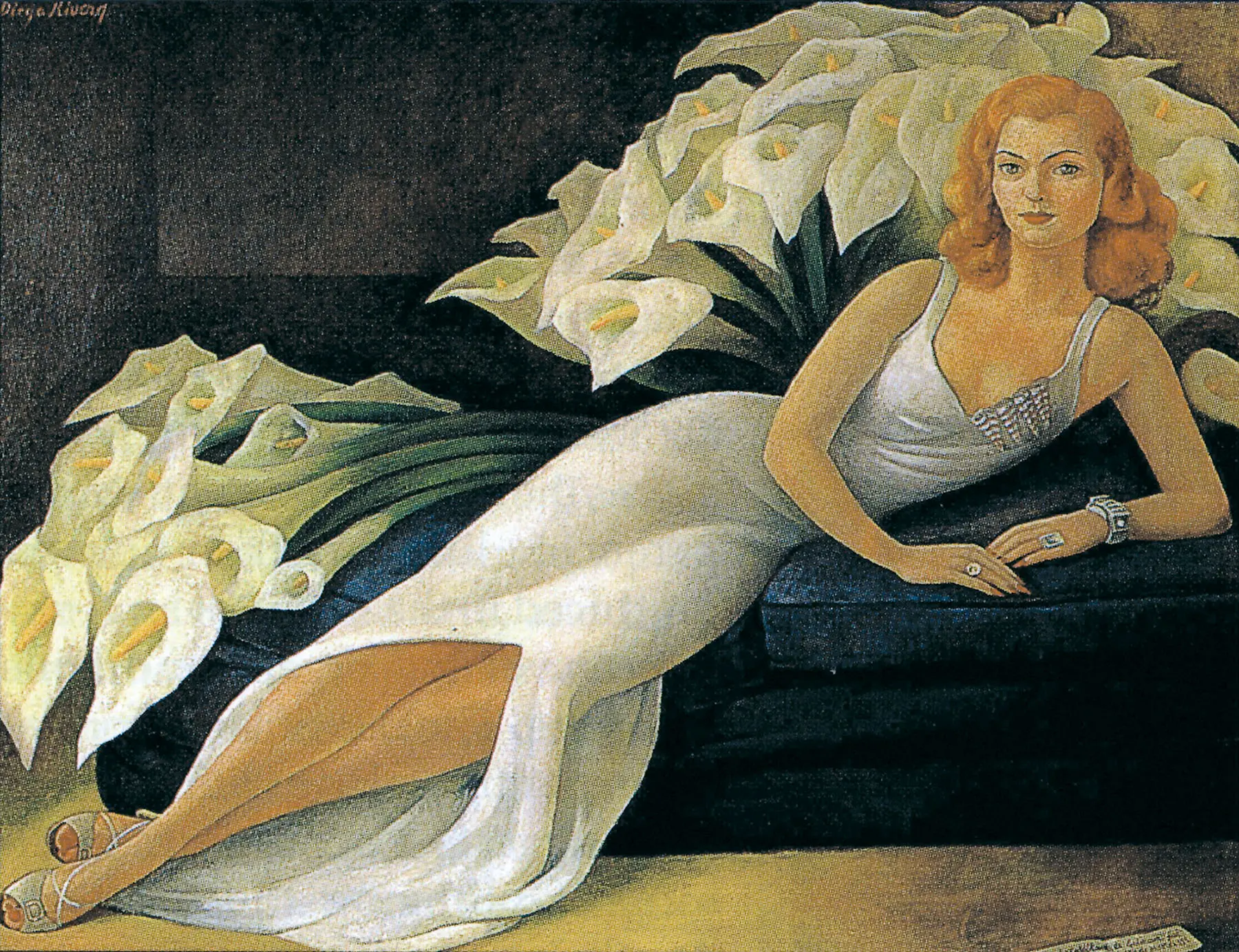
The nine paintings by Diego Rivera reflect his lifelong devotion to Mexico, its people, and its history, while also demonstrating the strength of this technical proficiency and stylistic development that began in Paris with cubist compositions (Última hora, Last Hour, 1915), and continues with the monumental social realist style that characterizes his indigenismo works, magnificently represented here by Vendedora de alcatraces (Calla Lily Vendor), 1943, and a surreal landscape of desert cacti, Paisaje con cactus (Landscape with Cactus), 1931. Retrato de la señora Gelman (The Portrait of Natasha Gelman), 1943, is a particularly wonderful example of Rivera's ability to apply his personal aesthetic of repetitive patterns and bold opaque brushwork to describe the human personality within a carefully chosen environment.
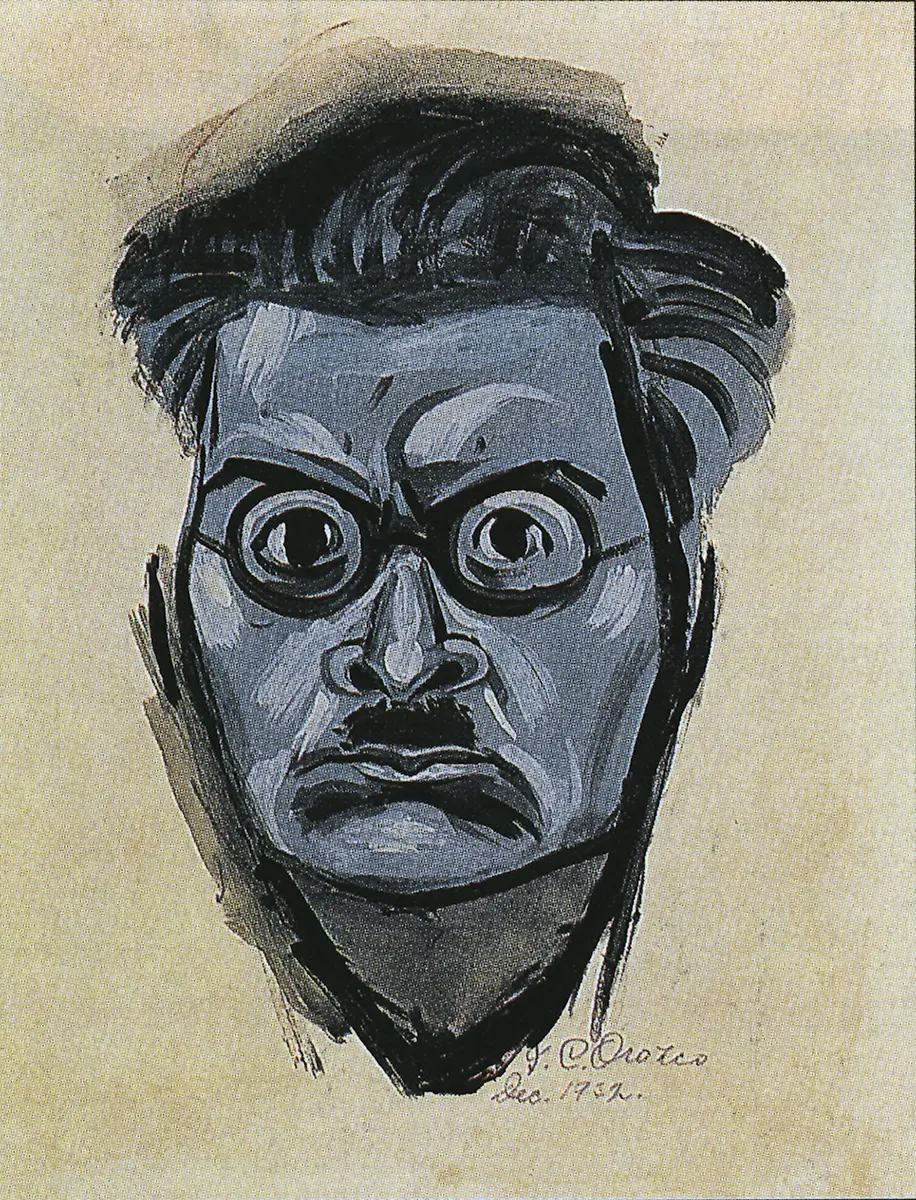
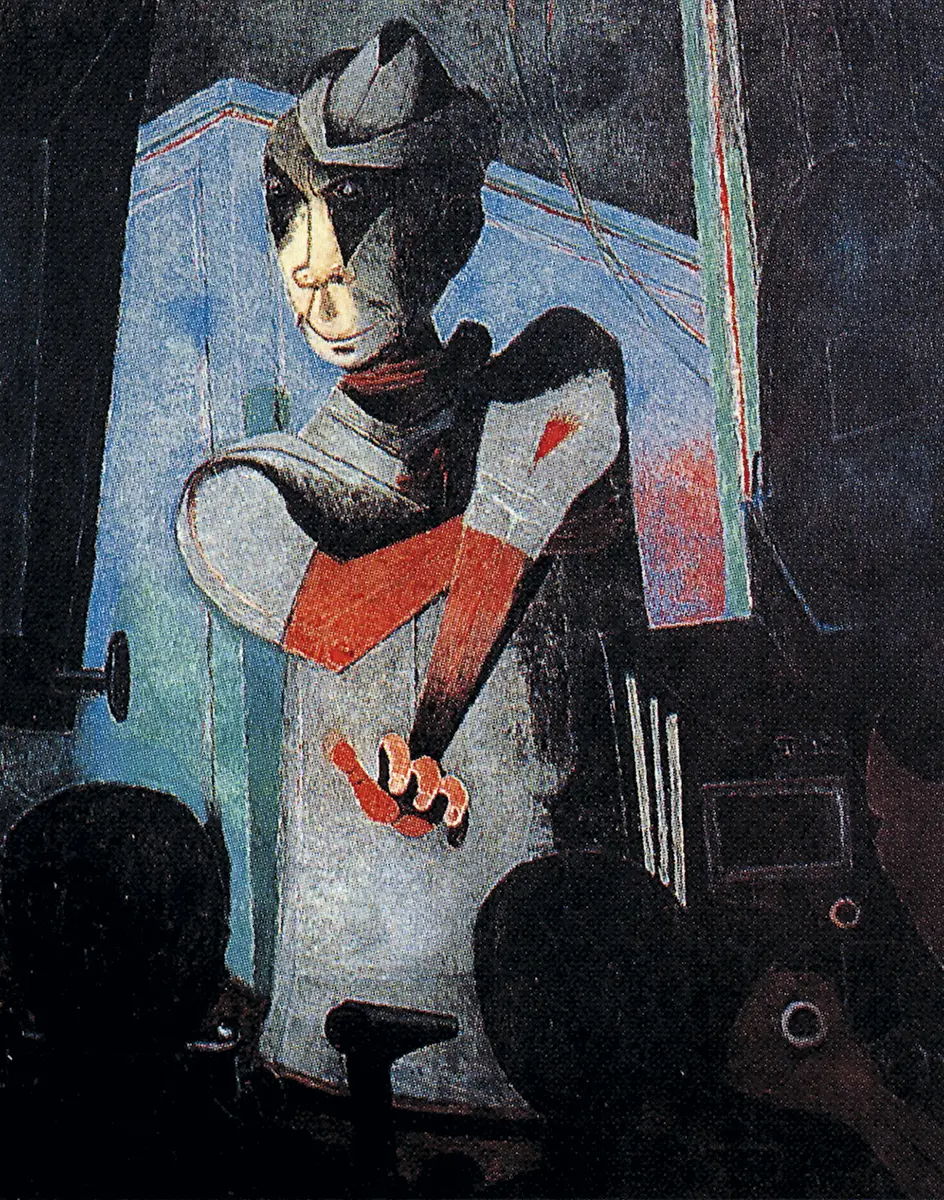
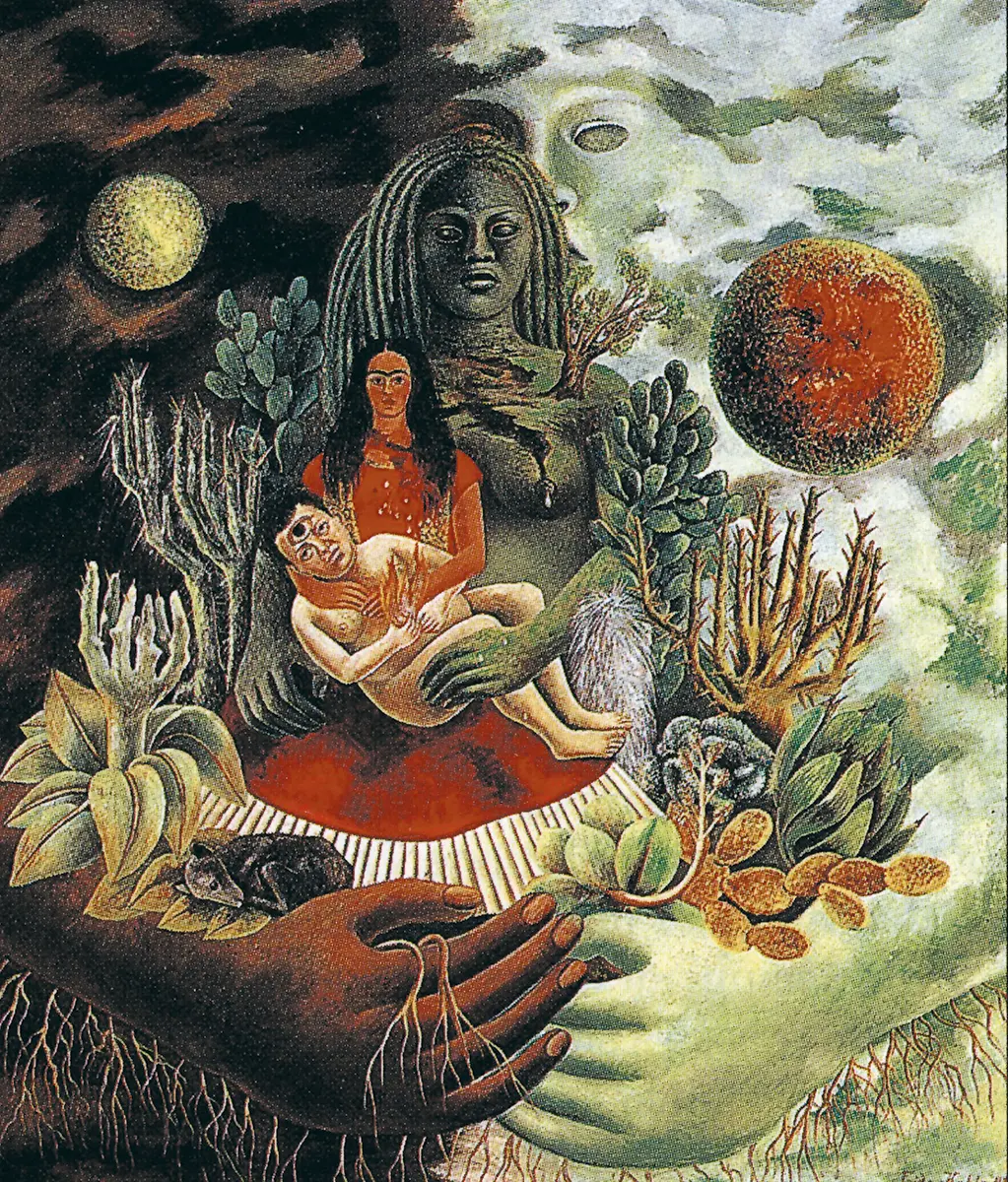
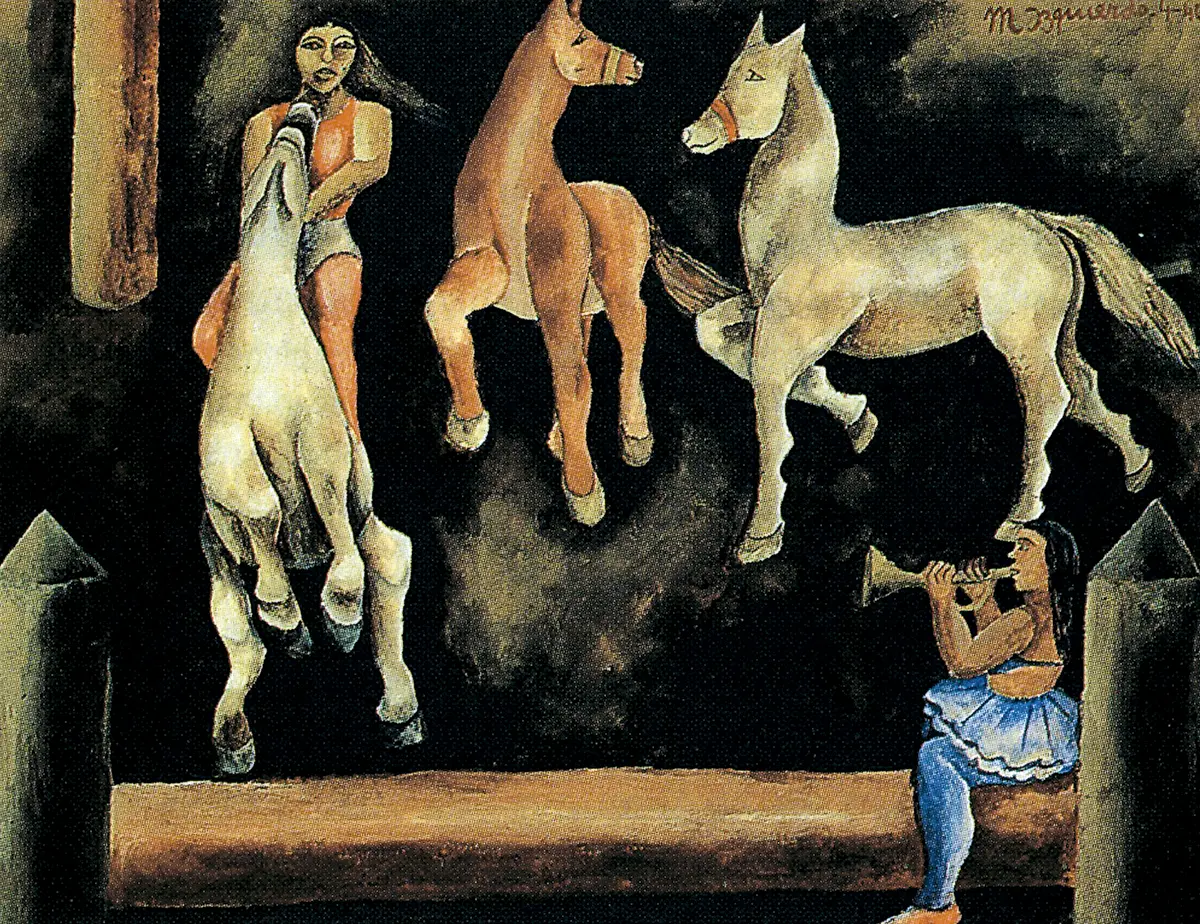
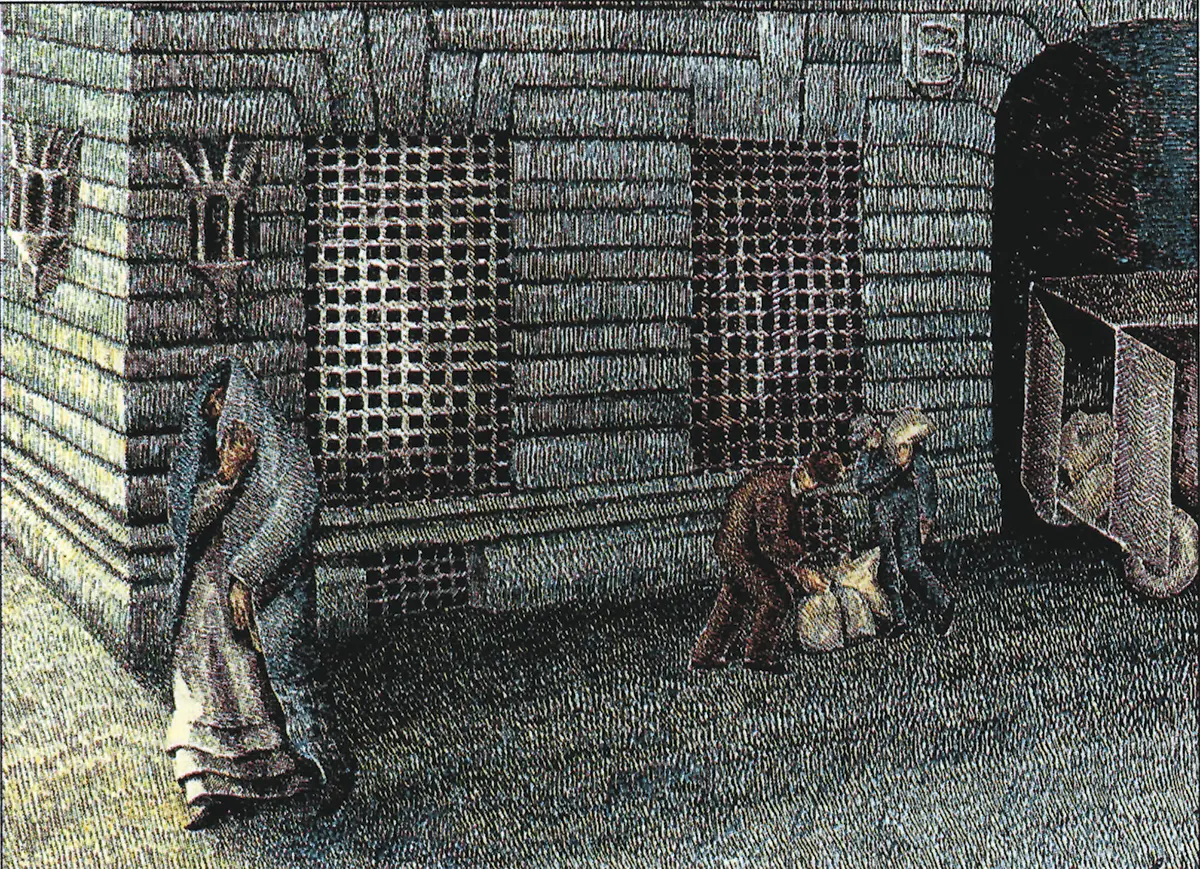
The somber works of Orozco and Siqueiros display a far more aggressive painting style and seriousness of the content. Interestingly, the two small works by Maria Izquierdo, while not particularly representative of the alacena and altar subjects that are more characteristic of her oeuvre, appear dark and gloomy and closer to the mood of Orozco and Siqueiros. Rufino Tamayo and Francisco Toledo, both of Zapotec heritage from the State of Oaxaca, come closest to the expression of true «Mexicanidad» with their celebration of the legends and myths of their heritage, but only one painting of Toledo's demonstrates this aspect of their work. Rather, it is in the works of Frida Kahlo that the true Mexican spirit appears as a revelation of the power of nature, from birth through death. Among the ten Kahlo works in the exhibition are six of her well-known self-portraits, including the extraordinary Self Portrait as a Tehuana, 1943. But it is the fascinating The Love Embrace of the Universe, the Earth (Mexico), Diego, Me, and Señor Xolotl, 1949, that reveals the complexity of her imagery and instinctive proclivity to Surrealism — the very qualities that made her so attractive to the European avant-garde.
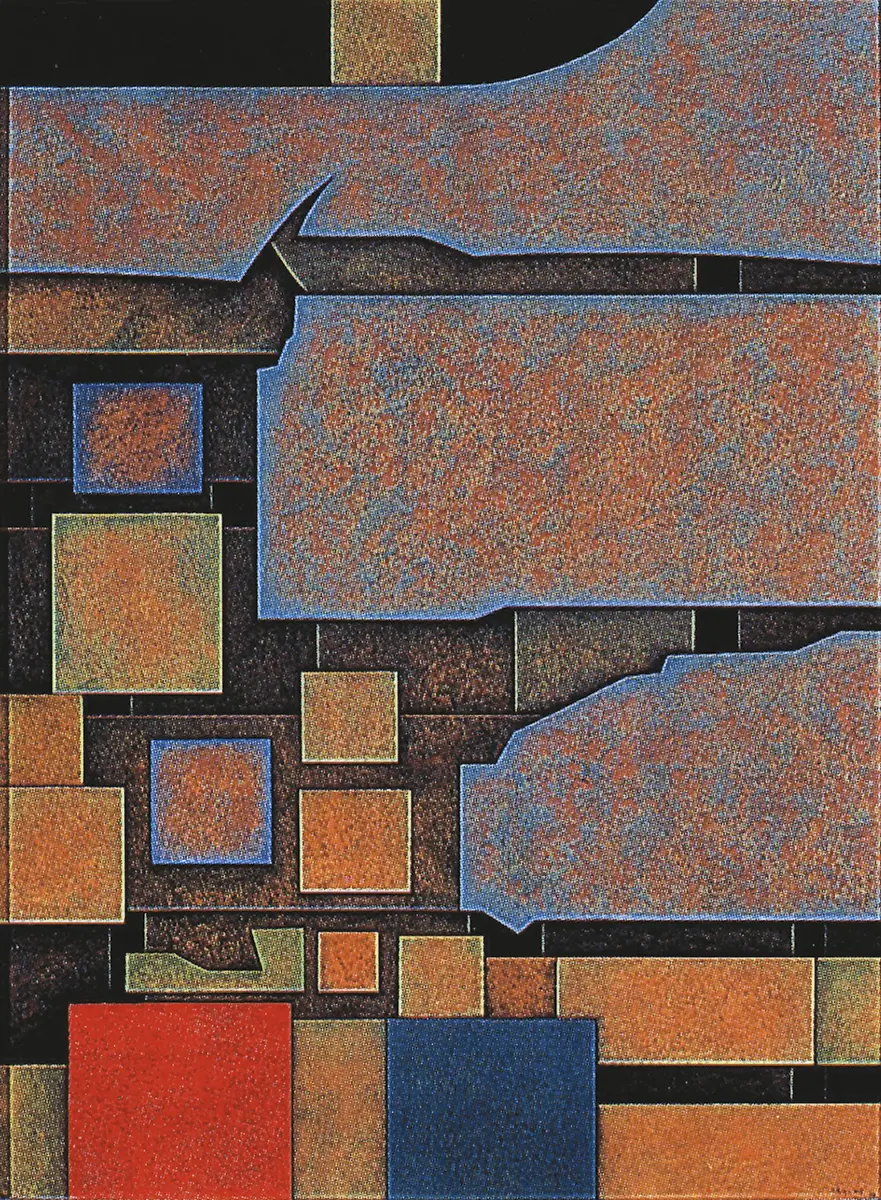
The use of abstraction to express Mexican themes is ideally represented in the paintings of Gunther Gerzso and Carlos Merida. Their masterful application of radically simplified places of color inspired by the legends and pre-Hispanic ruins of mysterious past results in especially beautiful surface details ranging from the stone textures of ancient temples to the slick surfaces of tiled walls. These abstract paintings are highlights in an exhibition full of masterpieces, and the perfect means to demonstrate the wealth of Mexican creativity.
CAROL DAMIAN
Assistant Professor of Visual Art Florida International University, Miami, Florida.