The Chilean art world started in 1997 with Young Artists in Chile (1986-1996), an exhibition that will undoubtedly be a landmark event for the country. Curated by the critic Guillermo Machuca, the show featured the work of eleven artists who have been exhibiting regularly since the mid-1980s - Alicia Villareal (39 years old), Nury González (36), Carlos Montes de Oca (36), Pablo Rivera (35), Pablo Langlois (32), Natalia Babarovic (30), Victoria Polanco (29), Cristian Silva (27), Mario Navarro (26), Voluspa Jarpa (25) and Iván Navarro (24). Several other names might have just been added to the list, but these artists provided a comprehensive overview of one of the most interesting aspects of contemporary Chilean visual art.
This is not, strictly speaking, a generation of artists (there are age differences of up to fifteen years between some of the participants) nor do they constitute any cohesive group or school. The show was characterized by the diversity of artistic productions, all of which involved a knowledge of the history of art and a serious investment in the technical and conceptual research each of the projects required. Although the participants did not share any common project or tendency, they have shown their work in the same exhibition spaces, which can be described as --alternative," given their independence from the commercial circuits and their respect for the autonomy of the works. Further, all these artists are to some extent the disciples of the experimental critical art of the mid-1970s.
There had been an earlier attempt in Chile to gather together work by young artists with the Phantasmal Zone exhibition, a more elaborate and theoretical effort, held in mid-1995 at the Gabriela Mistral Gallery in Santiago. The fact that Young Chilian Artists presented in an institutional setting - the National Museum of Fine Arts - was an unusual gesture of historical validation for the work of these young artists. Another interesting feature was a large number of women participants in the exhibit. This clearly belied the old prejudices about women’s lack of artistic creativity and served as an acknowledgment of their increased public presence in the contemporary art scene.
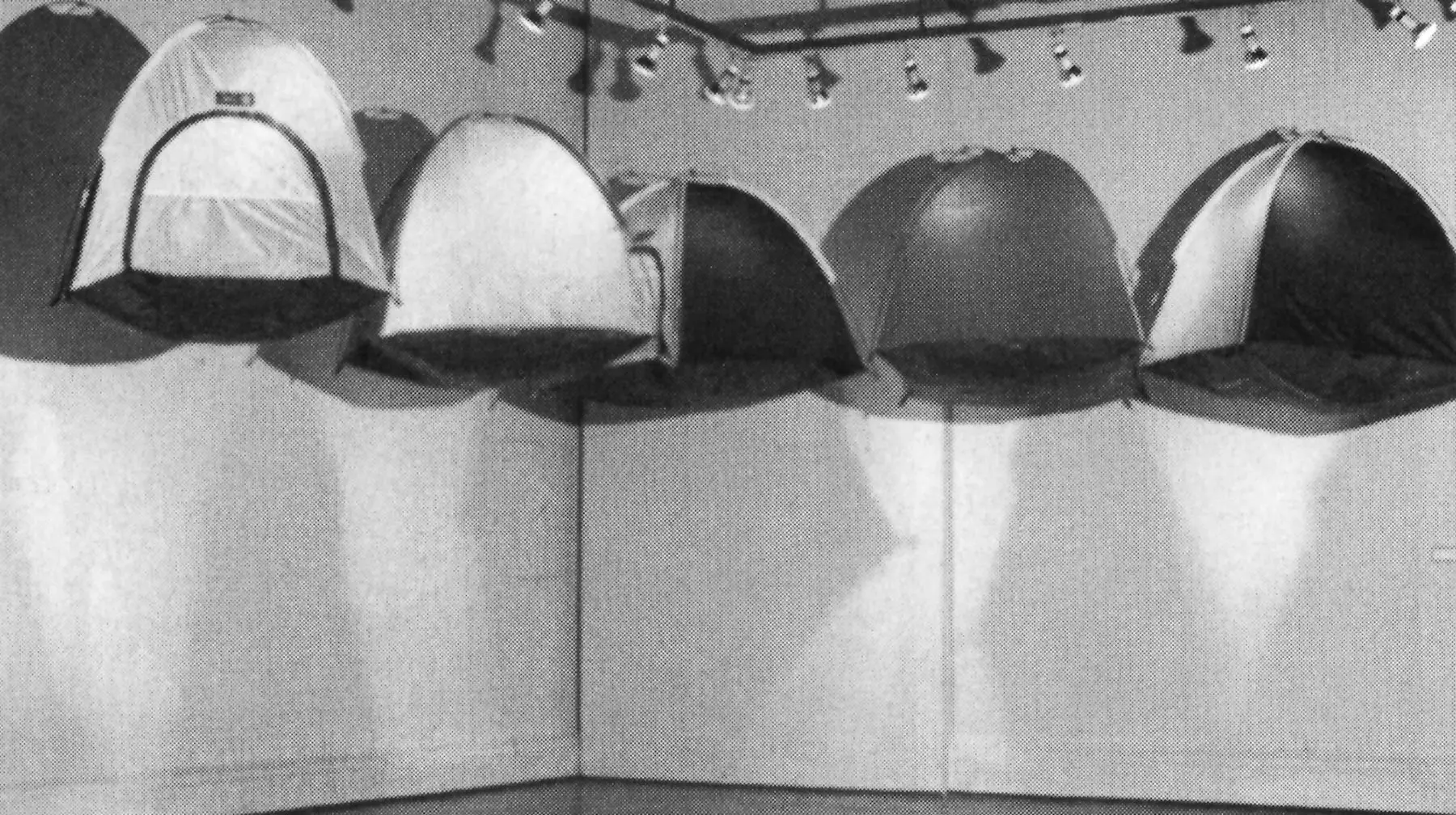
Within the heterogeneous panorama of the show, there were a number of important connections between works, allowing smaller re-groupings to be established according to the various criteria adopted. Thematically, for example, the works of Babarovic, Jarpa, and Langlois converge towards an interrogation of the tradition of Chilean landscape painting. Special mention must be made of Langlois, who proposed a series of conceptual and montage-related shifts in an installation which, its audacity notwithstanding, remained within the parameters of the traditional technique of painting. The work opened itself up to a wide variety of readings and offered some extremely witty and ironic gestures.
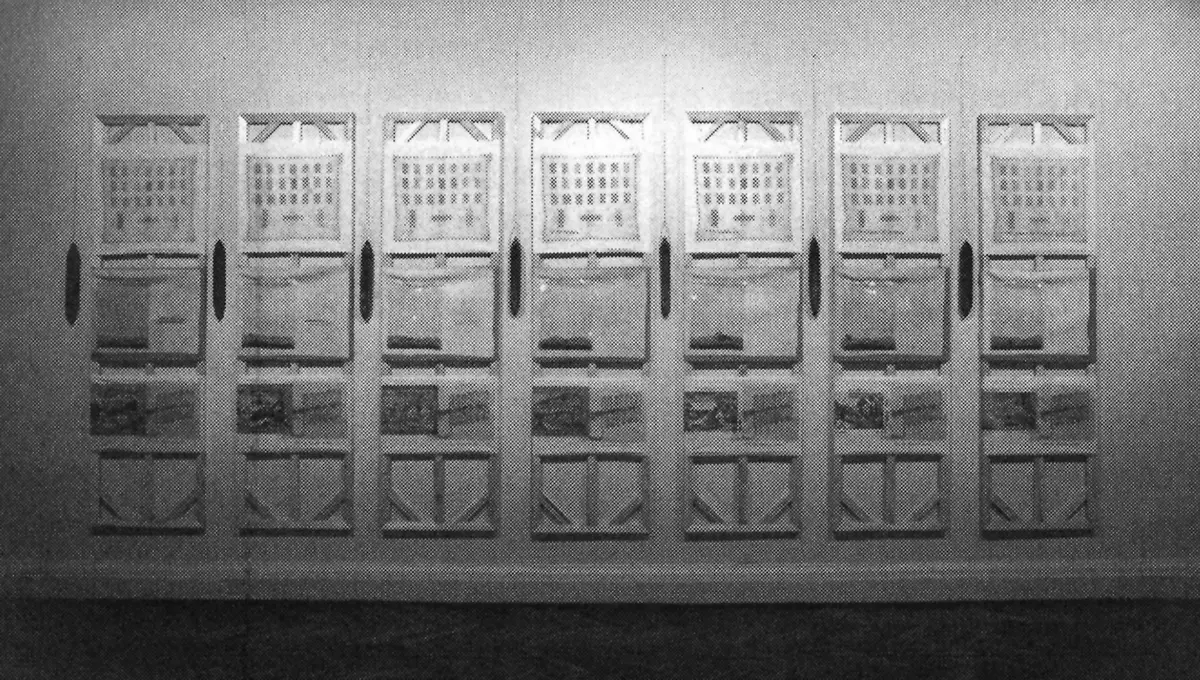
There was a clear procedural relationship between the works of González and Polanco. Both artists recuperate female domestic manual activities (sewing, embroidery, weaving) to give legitimacy to handicrafts and folklore — languages that have been deprived of their prestige by the official power structures. The other works operated at a greater distance from the local history and traditions of painting. Villareal continued to investigate the construction of the alphabet, with a sophisticated cleanness of finish, while Montes de Oca presented a rather disconcerting installation in a visual style totally unlike his previous productions.
The younger artists including the Navarro brothers and Cristian Silva were clearly more attentive to procedures and sensibilities culled from the international art scene. Their work, particularly that of Iván Navarro, offers the promise of new paths to be explored by Chilean art in the coming decade.
CATALINA MENA