
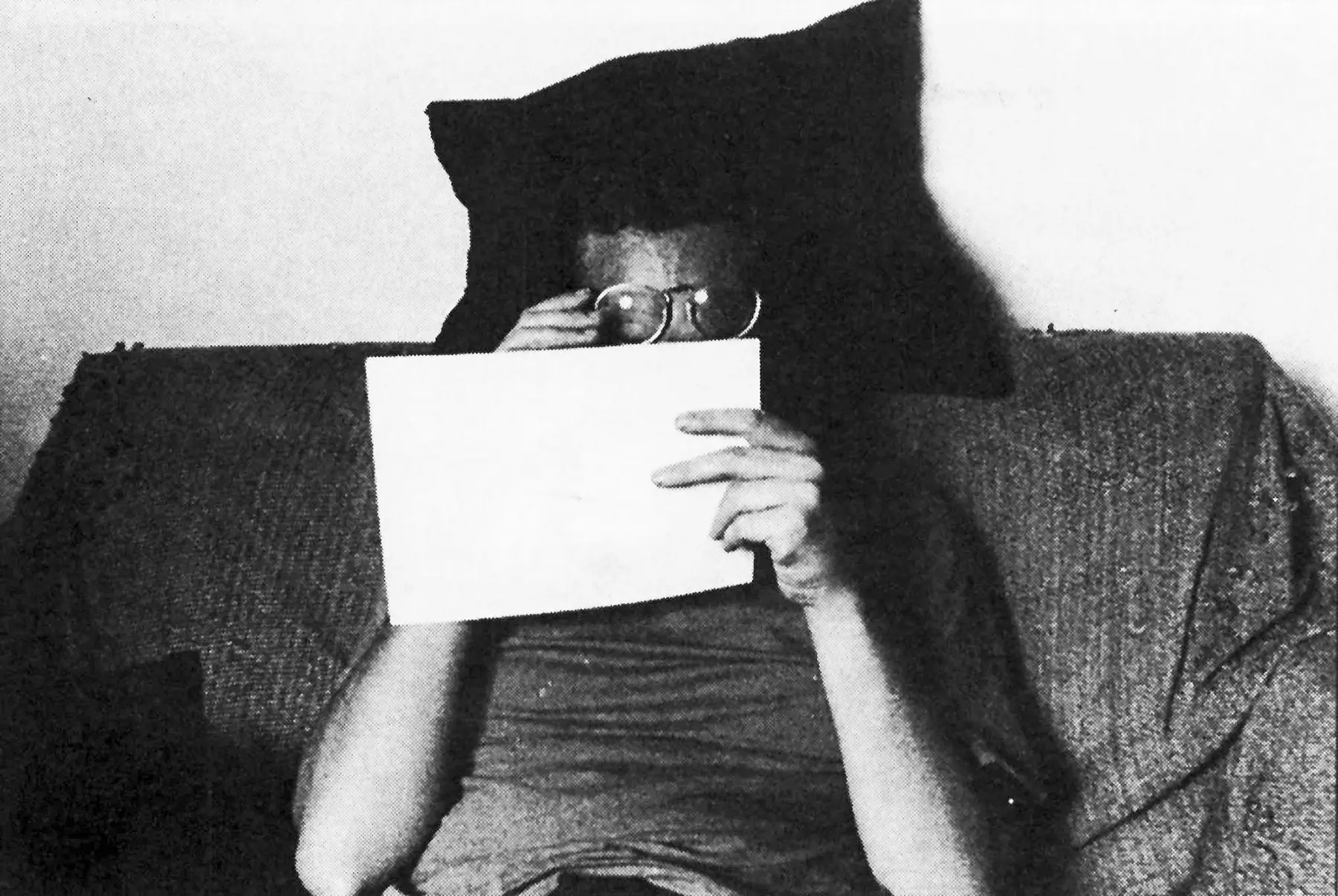
Beginning May 13th, the Centro Cultural Recoleta in Buenos Aires presented a collective exhibition of work by Argentinean artists from the 1990s. Titled The Tao of Art, the show, which was curated by Gumier Maier, proposed a selection of work by some of the artists from the Art Gallery of the Ricardo Rojas Cultural Center—a body that carries out its activities within the Cultural Extension Secretariat of the University of Buenos Aires. The show included work by Sergio Avello, Elba Bairon, Jane Brodie, Fabián Burgos, Feliciano Centurion, Alberto Goldenstein, Sebastian Gordin, Miguel Harte, Gachi Hasper, Agustin Inchausti, Fabio Kacero, Alejando Kuropatwa, Fernanda Laguna, Benito Laren, Luis Lindner, Alfredo Londaibere, Liliana Maresca, Ziliante Mussetti, Ariadna Pastorini, Marcelo Pombo, Cristina Schiavi, Omar Schiliro, Pablo Siquier and Marcelo Zanelli.
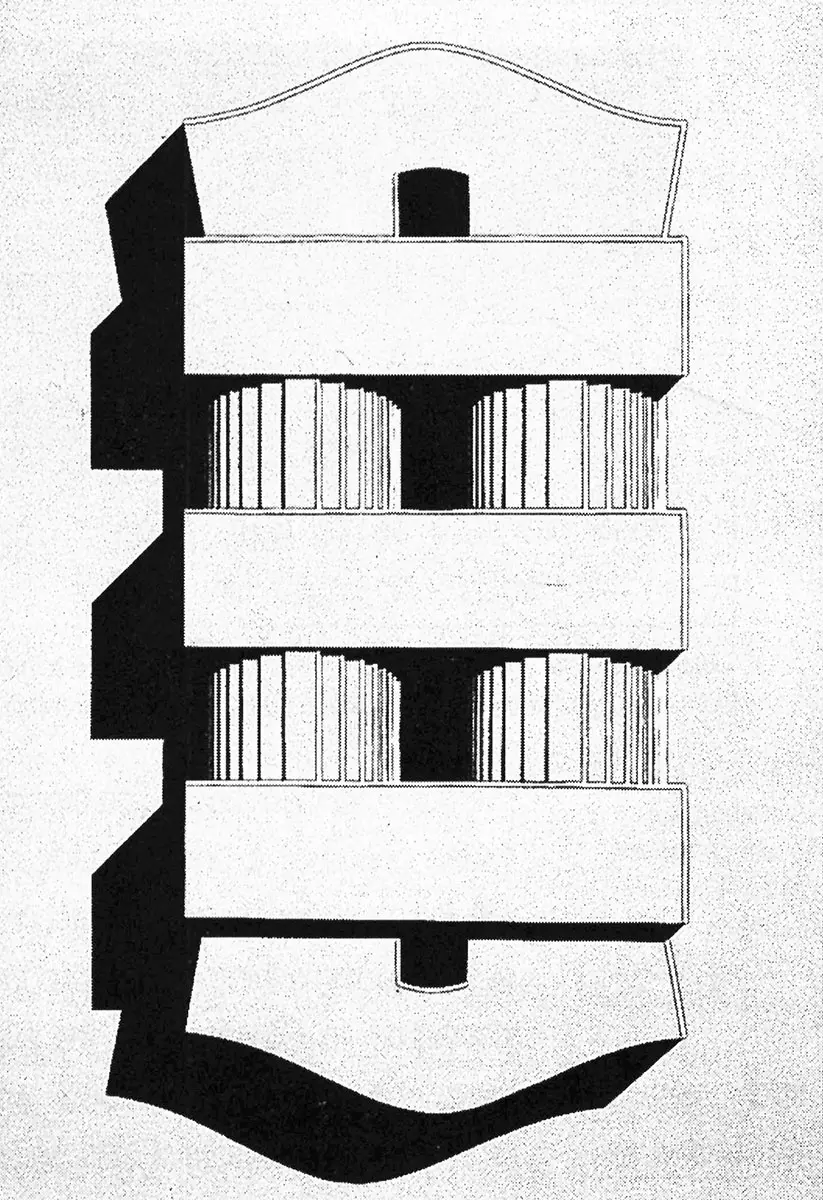
This gallery’s history began on July 13, 1989, with an inaugural event marked by the atrocious intensity of two outstanding artists: an installation by the late Liliana Maresca, Gone with the Wind, which was composed of the corroded skeletons of chairs and parasols from an abandoned hostelry on the river Parana, and a performance by Batato Barea. The general curatorship of the gallery was under the responsibility of Gumier Maier until his departure in 1996. The hegemonic canons of the neo-expressionism of the 1980s left little room for a group of young artists who were producing their works on the fringe of the established circuits; years later, their work would characterize some of the new directions taken in the visual arts scene in Argentina. The unconditional support of established artists such as Roberto Jacoby and Pablo Suárez encouraged this new way of approaching art, without solemnity and full of vitality. As an act of celebration, Gumier Maier organized at that time a show titled Welcome Spring, which included established artists alongside newer figures like Omar Schiliro (1962-1994), a paradigmatic artist of the 1990s, who presented his first work completed a few days before he found out that he was suffering from AIDS. This show was followed by Summertime, Some Artists (1992, in the Recoleta Center, and with the curatorial assistance of Magdalena Jitrik), and a large number of individual shows by artists who are now part of the art circuit: commercial galleries, biennials, and with some recognition at the local and international levels.
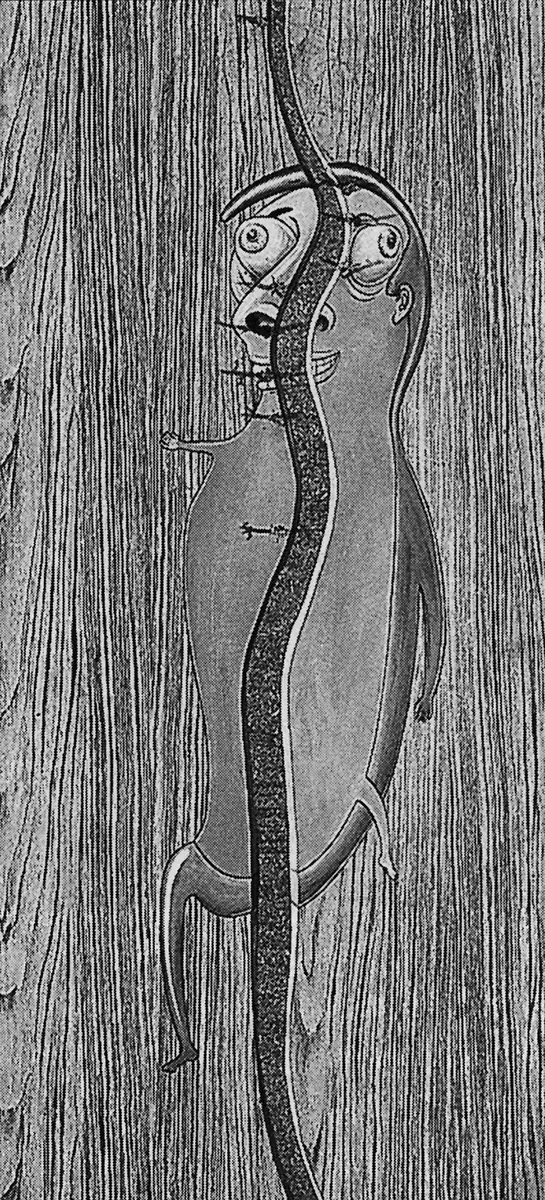
In a country with a history of ancient quarrels involving the intolerance of manichean postures, an entire critical apparatus began to emerge which defended or attacked the "artists of the Rojas Center." Jorge López Anaya coined, from the pages of his column in the newspaper La Nación, the term "light" to describe a “significant show” at the Giesso Space in 1992, and to refer to the work of four artists (Gumier Maier, Laren, Schiliro and Londaibere): “With the irony and lightness resulting from a privileged status vis-à-vis social relations, daily rituals, and grotesque appearances, they have managed to give their works an evident critical function: they work in ludic terms with meanings, freeing themselves from the laconism of the old conceptual art which they inherited.” Immediately this term began to be used pejoratively, in opposition to introspective or ideologically charged art. In this case, lightness was equated with being totally unaware. Following a wide variety of apologists and detractors, the addition of the word "rose" and "guarango" (coarse, uneducated) updated the debate surrounding the art of the nineties with the regulatory mania of contemporary thought that seems so bent on applying the theoretical labels of school sociology manuals to sexual and religious preferences and other aspects of identity in yet another attempt to explain the ineffable nature of aesthetic experience. In his book on the Tao of Physics, Fritjof Capra points out that what we see or hear are never phenomena in themselves. As we penetrate deeper into nature, we have more and more to abandon the images and concepts of our language. Borrowing this idea, Gumier Maier saw this exhibition as a fitting end to his eight years of curatorship at the Rojas Center. As he himself wrote in the catalog presentation: "It is clear that the artists here do not do Taoist painting. They are unaware of the mysteries which animate the universe and the methods for illustrating hypotheses of any kind. Although all of them have been through the Rojas Center, this is not in the strict sense an anthology of the history of the gallery. Tao is the path. It is also the way. The relative is an absolute. Here is the vortex of that domestic curatorial model, the alibi of a poor and fickle collector, my Tao. A deviation to which I was led by the siren songs of these artists."
LAURA BATKIS