
The project implicit in the title of this show, Así está la cosa, was irrefutable. According to the organizers, the sole objective of the show—a point which might be debatable—was to offer a broad view of the production of artists who, over the last decade, have turned to the use of installations and object art in Latin America. Thus, the selection criterion for the exhibition was one of the curators' own feelings (Robert Littman and Kurt Hollander), rather than the establishment of geographical links or specific thematic tendencies. The presentation of such a selection had the advantage of taking for granted a series of languages to which the public at large may not at all be accustomed, even though the presence of some of the included works was open to question as in the case of Empty Shoe Box, presented by the Mexican artist Gabriel Orozco, with its hint of arrogance.

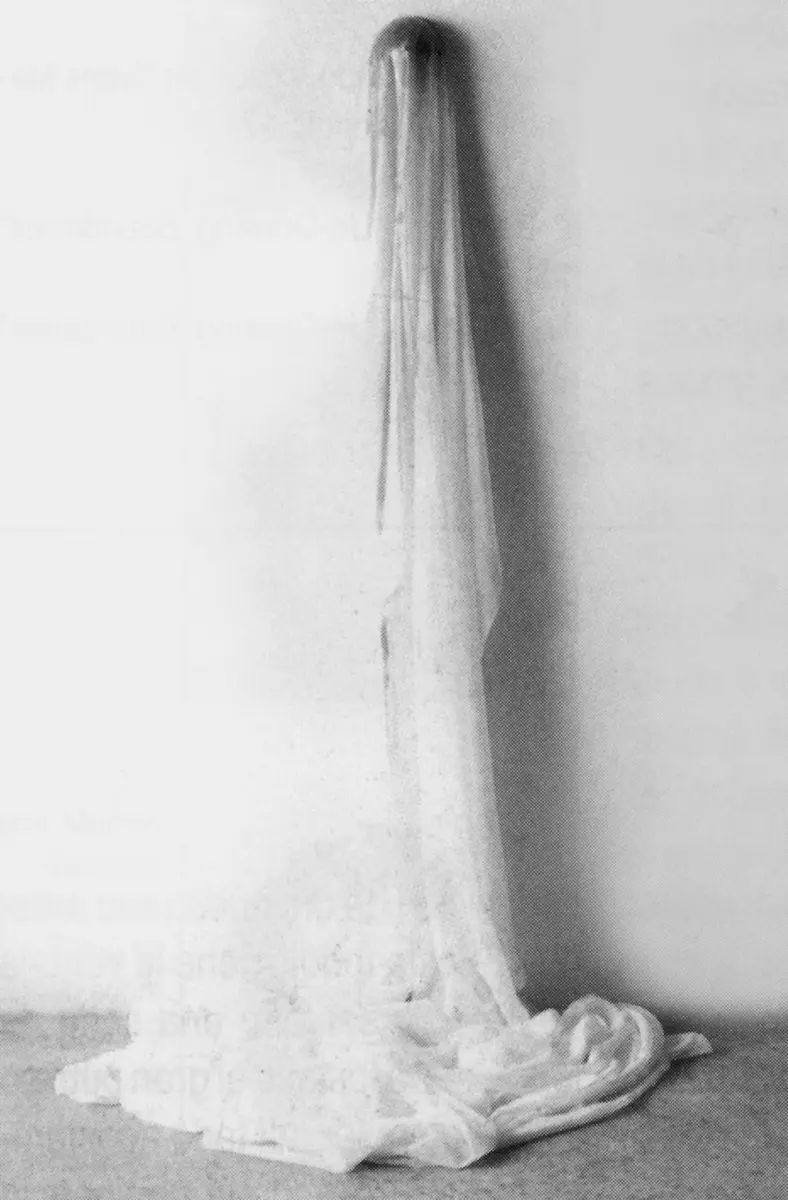
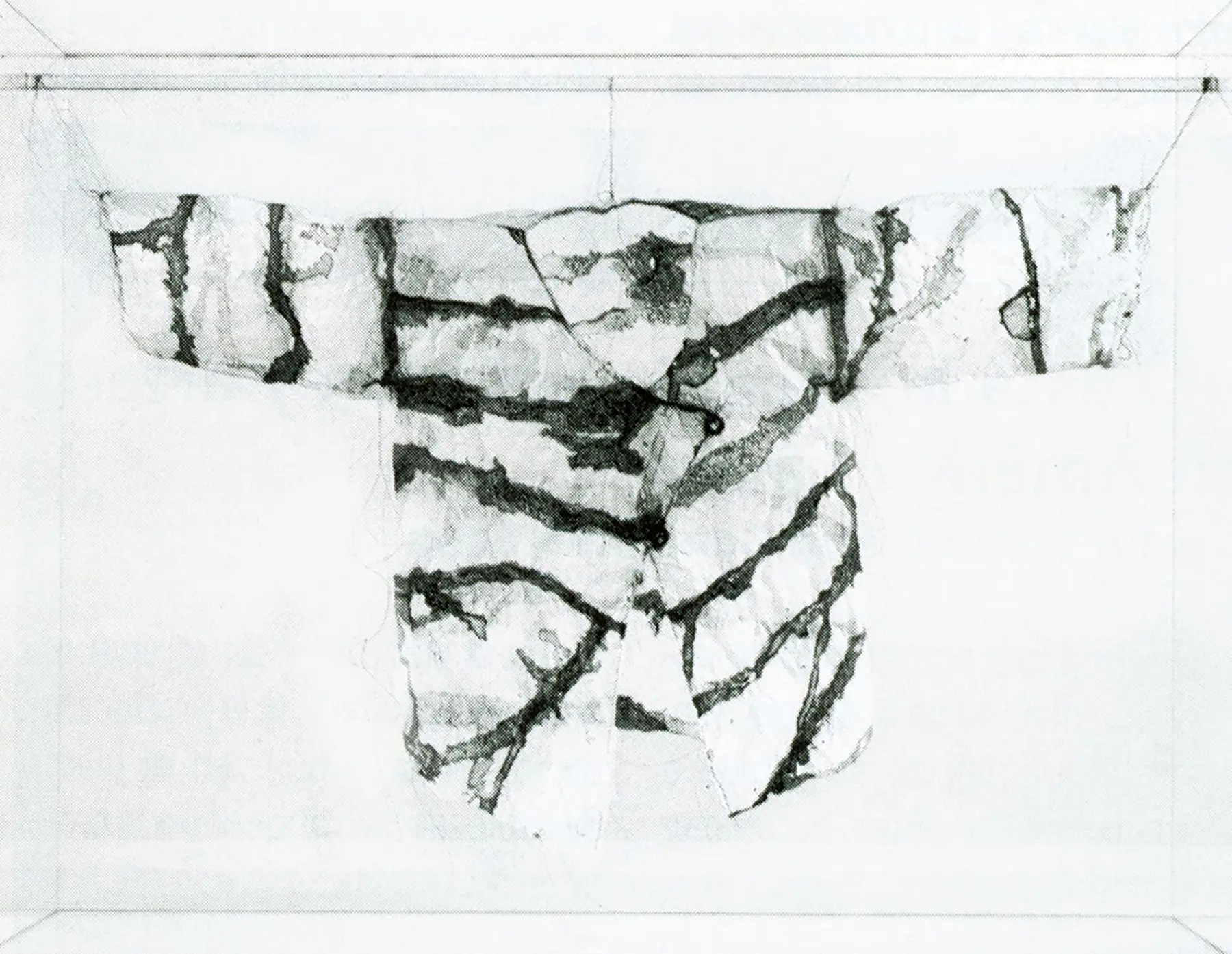
Whether because the artists refer to the immediate meaning of things or because they process various elements and transform their content to create their own discourse, the relations which they establish with their surroundings through the manipulation of objects and materials set the tone of the exhibition. Francis Alÿs (Belgium), for example, alters the arbitrary functionality of things by presenting a mutilated table standing on three of its legs. Using the impeccable logic of the absurd, Alÿs re-establishes a truncated equilibrium by transforming the missing fourth leg into a crutch. Something similar occurs with Inmensa, the work by the Brazilian Cildo Meireles, consisting of a table that, when viewed from different angles, becomes transformed into a chair which in turn becomes a table that once again becomes a chair. The artist establishes a formal interplay that not only undermines the essence of the objects and their utilitarian character but suggests the displacement of meanings, as in the piece titled Thread, an enormous straw cube stitched with gold filament. This strategy was employed in different variations in the works of those artists who used, with a certain detachment, the human figure, viscera, and bodily fluids as instruments or metaphors for their work. Azis+Cucher (Venezuela) presented a series of digitized portraits which, although they referred to specific individuals (Mike, George, Martha), lacked any distinctive features. Having lost their eyes, noses, and mouths—sensory organs allowing a relationship to be established with the world— they evoked the degradation of our conditions of life. Fernando Arias (Colombia) presented the ironic Motherland, with umbilical cords, while the Semefo Group (Mexico) said that it was carrying out a Study on the clothes of corpses, a denunciation which was too obvious to be provocative. Paula Santiago (Mexico) exhibited delicate camisoles made with hair and blood as a counterpoint between nature and civilization.
The fate which Thomas Glassford (Texas) inflicted in his previous work on organic materials such as hides and gourds was replaced in this show by that of a latex piece that acquired an almost sexual, fetishistic character. The relationship which Glassford establishes with the material by forcing it to adopt a specific discourse emerges in this case below the taut belts and metal buckles which immobilize the black and white whirl of the surfaces held together by superimposed fasteners. The manipulation and transformation of the materials acquired a more subtle and intimate character in some of the works, such as P and P, by the Mexican artist Silvia Gruner. An enormous necklace of unrefined sugar lumps encrusted into the floor suggested the digitized image of a painting by Gustave Caillebotte, of men scraping a wooden floor. The work contrasts a sense of sweetness and crudeness, femininity, and masculinity, and seems to evoke the ambiguity of relationships of affection and power, submission, and surrender.

Meanwhile, in Strange Love, Valeska Soares (Brazil), using a wax fountain of perfumed water, offered an allegorical exploration of the ephemeral essence of sensuality.
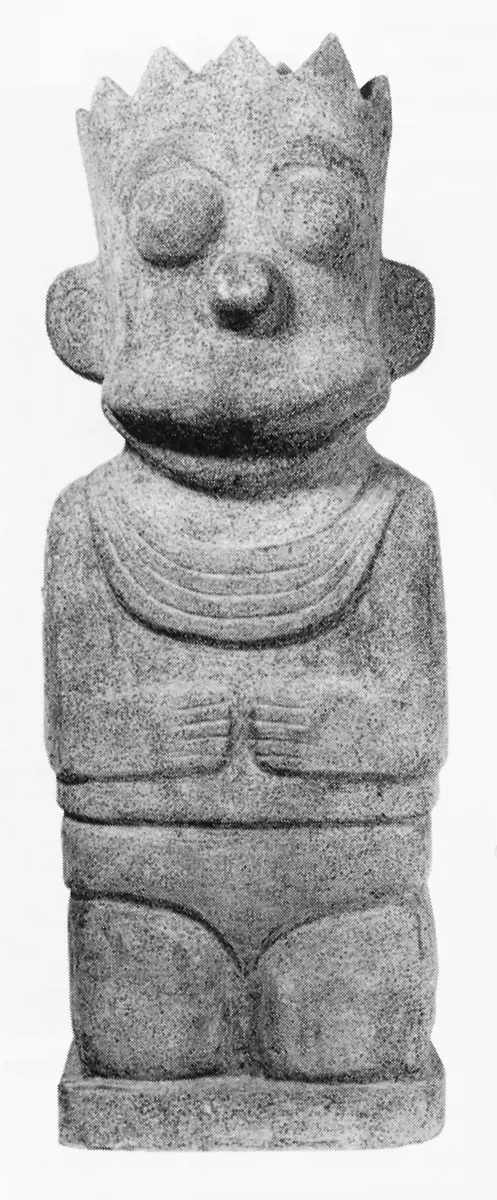
Artists who made use of the implicit meanings of the objects and materials with which they constructed their works included the Cubans Kcho and Fernando Rodríguez Falcon. In focusing on the problems of cultural identity and social commitment, these artists initiated a discourse that now seems rather hackneyed. Much more effective within this context were the Archaic Pieces in polyester resin by the Colombian artist Nadín Ospina that showed Mickey Mouse or Bart Simpson discretely transformed into fake pre-Columbian images for public consumption.
Given the number of artists and discourses included in the show, each work had to be read as an irrefutable and self-sufficient presence, imposing its own internal rules of operation. Since most of the artists were represented by only one work and because of the difficulty of gaining any overall reading of the show, the discrete strategy employed by the curators managed to highlight each of the works and project an unequivocal and open vision of contemporary Latin American art.
MAGALI ARRIOLA