
The Raíces recently presented an exhibition of work by Ernesto Pujol. Born in Cuba, Pujol has lived in Puerto Rico since the age of 4. He grew up in Santurce and studied at the School of Plastic Arts of San Juan. He has distinguished himself by his refined capacity to generate suggestive kinds of atmospheres, which have provided plenty of fodder for those seeking to interpret his work. His installation at the recent Havana Biennial became one of the key projects at the event. While his current work is modest in comparison with the Havana exhibit, it reflects the same emotional intensity nevertheless.
This new show titled Cowboys and Indians was based on the idea of children's games. From an adult perspective, Pujol has endeavored to dismantle the discourse of children's games and recodify it to discover the hidden mechanisms behind the models exalted in such ingenuous forms of play. In approaching his subject, Pujol identified a number of clichés that he uses to make a sharp criticism of the images which filter subliminally into a child’s mind. He roundly denounces this imported identification which lends support to a concept of machismo resulting from the use of arms and expressions of brute force. He confronts us with stereotyped imagery, the acceptance of which is a response to a contradictory process imposed by Hollywood.
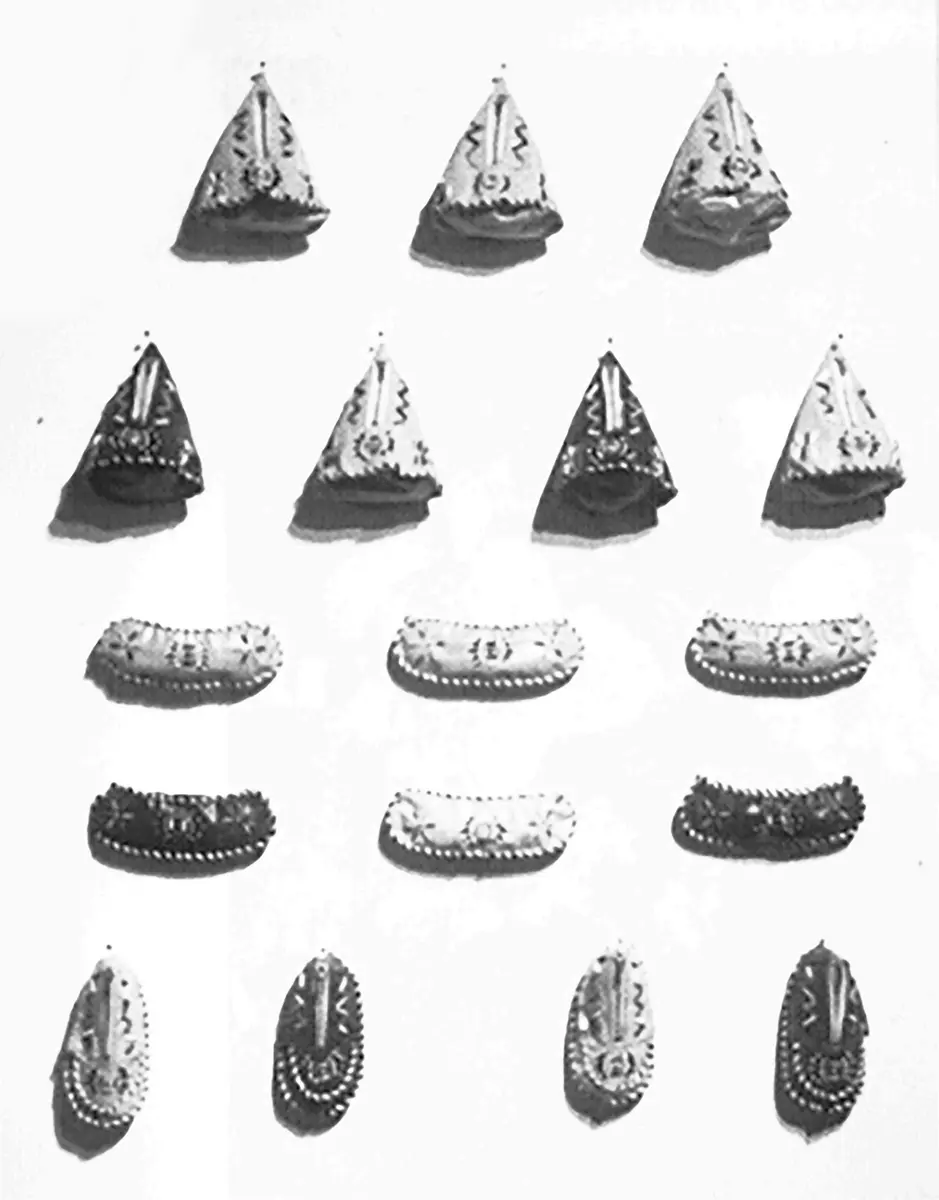
Pujol strategically appropriates a symbology that is part of popular epistemology and associated with the ideal projected by the cinema. He refers to the white cowboy whose qualities as a conqueror, warrior and subduer seduce the masses. These qualities are accompanied by heroic virtues in the battle against his eternal opponent, the dark-skinned Indian. From the violent content of the stories about the historic conflict over the conquest of the west, Pujol extracts arguments to replace the official versions. He refers to the legendary reserve fostered in the collective memory where the attributes of force are exalted. He emphasizes the glamour of fame achieved by the conquerors and deliberately contrasts the rifles and pistols of the conquerors with the inadequate bows and arrows of the defeated. Threatening memories stored within the unconscious are activated by the artist in his analysis of the dynamics of a game in which there is no doubt about who the loser will be. He recalls the sense of vulnerability of those peoples as they confronted opponents with deadly weapons developed by science and technology. When this happens, it is no longer courage that determines the outcome. Another aspect related to the tragedy of primitive peoples in conflict with more advanced communities is the role of the former in the history of the future, where the villain will be the one without any defensive resources.
The spectator's attention was caught by a foreboding installation that presents an invasion of cowboys and Indians against our territory, in which the former enemies have joined forces to feign a conflict that is perpetuated in the ingenious imagination of children. The presence of Puerto Rico is conceived through a map of transparent metallic fabric, which floats like a magic carpet over the base of the work. This almost imperceptible presence produces an optical effect of alarming fragility. At the same time, a palimpsest-like relationship is established with the other plastic protagonists, with the layer of white paint covering them being unable to predominate over the original colors, so that the initial identity becomes evident. The presence of this toy army moving across space suggests a journey over the ocean. This aspect surprises the spectator since it illustrates how foreign ideas can influence personality from a very early age. The occupation of areas of the brain which help determine the way in which our identity is shaped is part of a well-orchestrated conquest.
Pujol’s conceptualism makes us think about the roots of the violence now affecting our country. When we think back to the films about cowboys and Indians, we see that it is the peace of the graves that prevails in the end. The historical process is suspended as the aborigines are eliminated and we are promised another human drama symbolized in the final kiss between the "boy and the girl."
JOSÉ ANTONIO PÉREZ RUIZ