
A complete review of an art fair requires coverage from four points of view: as a general affair, as an artistic presentation, as a commercial event, and as a socio-cultural phenomenon. Each one of these aspects has its own specifications, demands its foci, and, above all, calls for its space of reflection. They are all equally important and, consequently, we should attempt a complete approach, although in a summarized and schematic form.
The first thing one must note is that a total of twenty foreign galleries, coming from Colombia, Spain, Costa Rica, Argentina, Brasil, the Dominican Republic, Chile, and France, along with fifteen Venezuelan galleries, shared the traditional spaces of the Caracas Hilton Hotel between July 2 and 7. On this occasion, a contingent of galleries that had not been present at previous fairs joined this group. Among them were the galleries of Luis Adelantado, Afisa and Mercart, Almirante, Antoni Pinyol, Carles Taché, and Espai Miquel Gaspar, all Spanish, along with Botello Gallery from Puerto Rico, Jenni Vilá of Colombia, Tomas Andreu of Chile, and Lelia Mordoch of France.
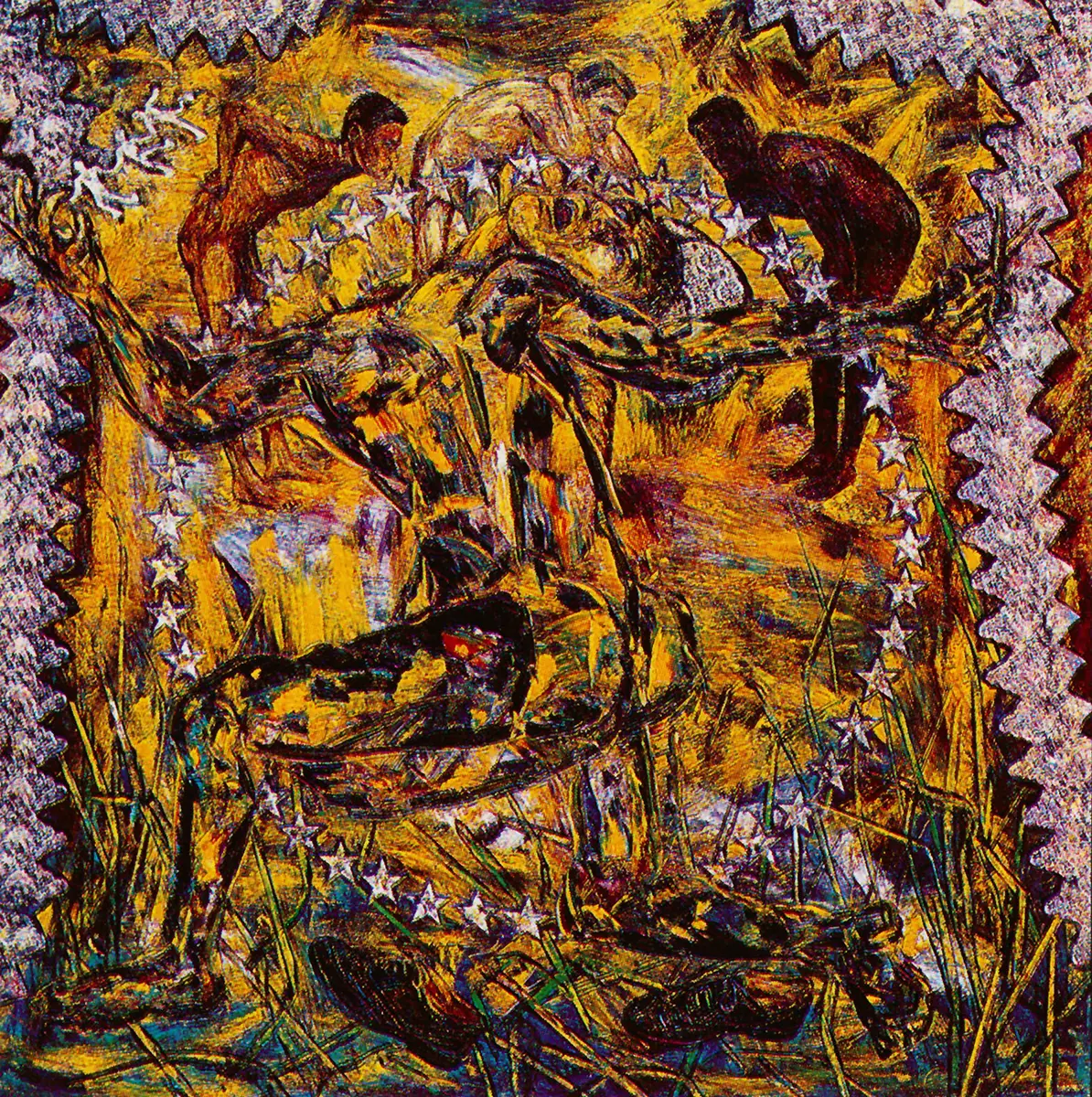
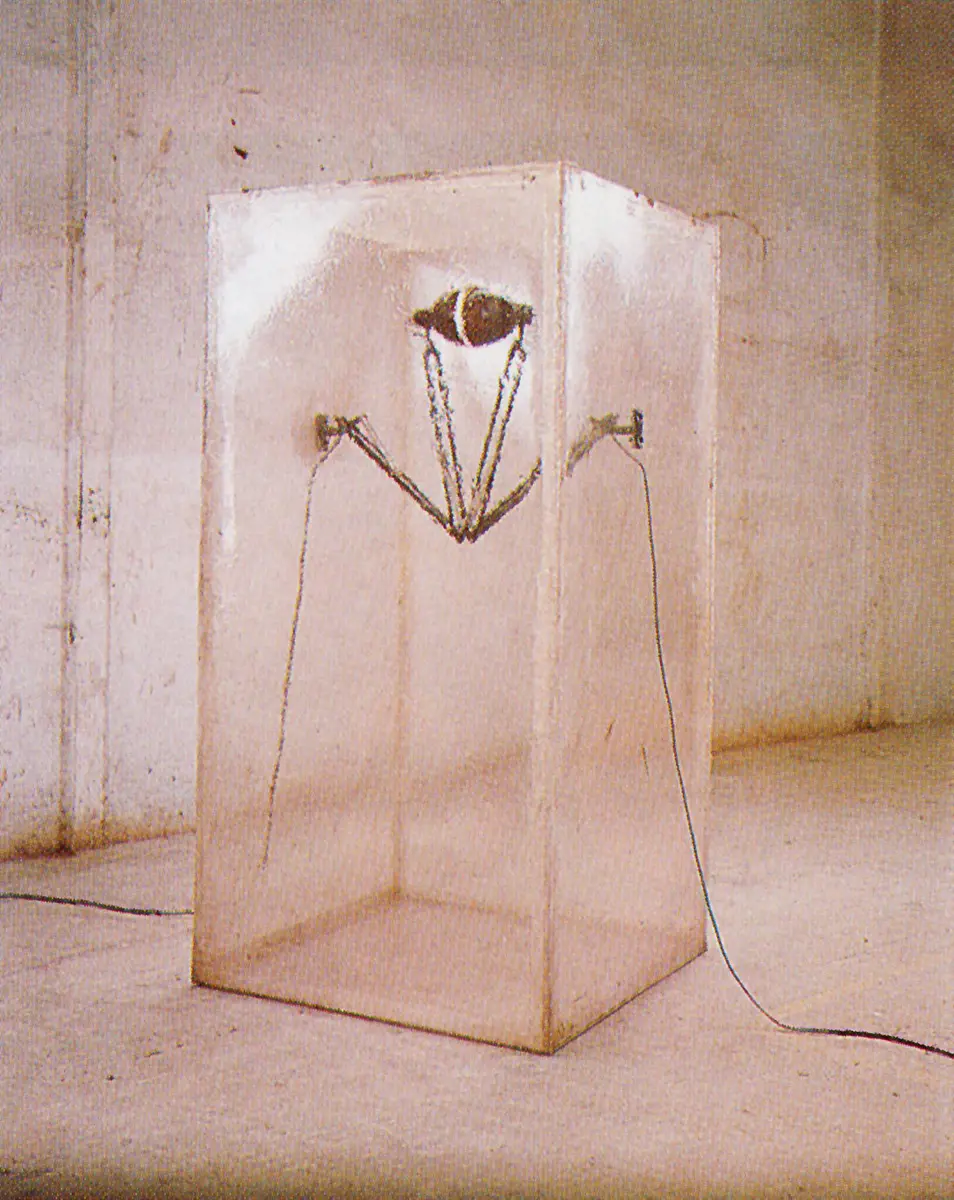
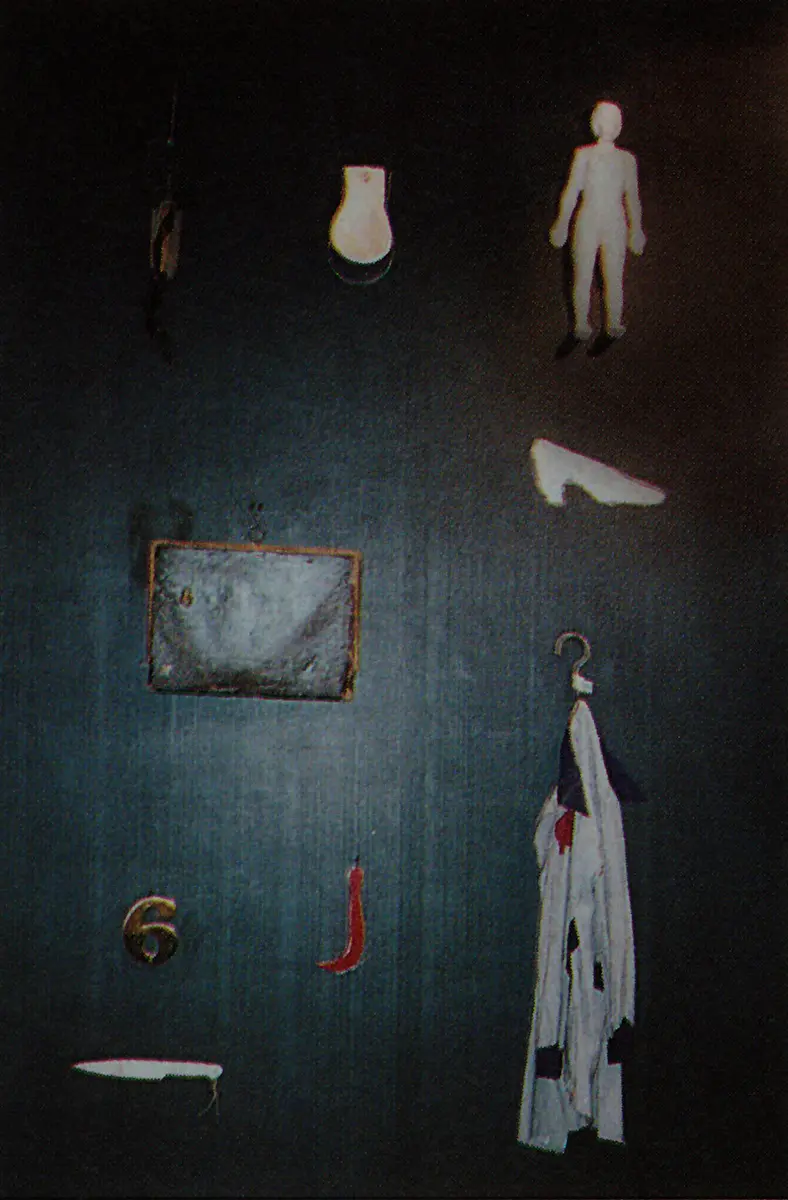
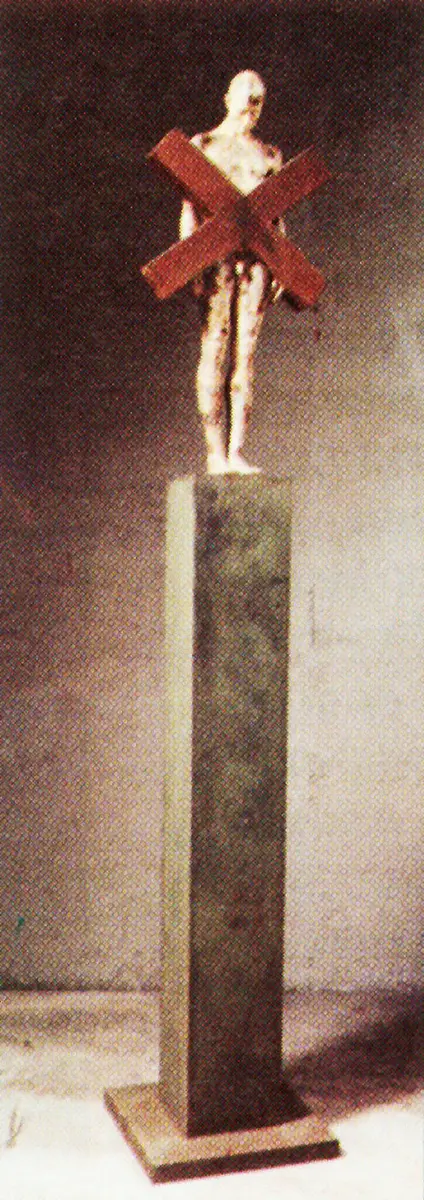
On this occasion, the honored artist was Alirio Rodríguez, who had a double presence: works in large format and of intense resonances assembled in the spaces of the Durbán Gallery and 40 drawings from his Hiroshima series exhibited in the Sofia Imber Museum of Contemporary Art of Caracas, which will later be shown and donated to Japan. The special guests were the Catalan artist Jaume Plensa and the Puerto Rican Arnaldo Roche-Rabell. The former was present with powerful pieces laden with concepts and symbols which, in addition to revealing their contents, sealed in polyester, radiated a spectacular reverberation throughout their environment. The impact of these large-scale works was complemented by a series of drawings and more intimate productions that were exhibited in the Der Brücke Gallery (Argentina.) In turn, Roche Rabell covered the entire surface of the Botello Gallery of Puerto Rico with works that transpired a vibrant chromatic constitution and an intense expressive resolution. The Spaniard Lluis Barba, who exhibited his works in the gallery spaces of Antoni Pinyol, Carles Taché, Espai Miquel Gaspar, and Jacobs Karpio, had an equally plural and striking presence. In the context of the conspicuous presence of Barba, the undertaking realized by various galleries to promote individual shows should be mentioned, as in the case of the Chilean gallery Tomas Andreu, which presented recent works by Roberto Matta realized with mixed media in which the engraving and the interventions of the artist served as the base for producing curious and ambivalent effects. In the same sense, one must underscore the extensive show of Oswaldo Vigas, housed in the spaces of the Li Group, and composed of paintings, sculpture, pottery, and drawings, along with an unpublished and suggestive series of erotic prints. The Gallery Without Limits devoted its spaces to an important series of works by Pedro Leon Zapata and Ismael Mundaray. In this effort to emphasize singularities, one cannot forget to mention the suggestive self-portraits from the series Narcisos (Narcissus) by Óscar Muñoz, assembled in the Jenni Vild Gallery. The significant show by Ignacio Iturria in the Praxis International Gallery (Argentina) is also worthy of mention.
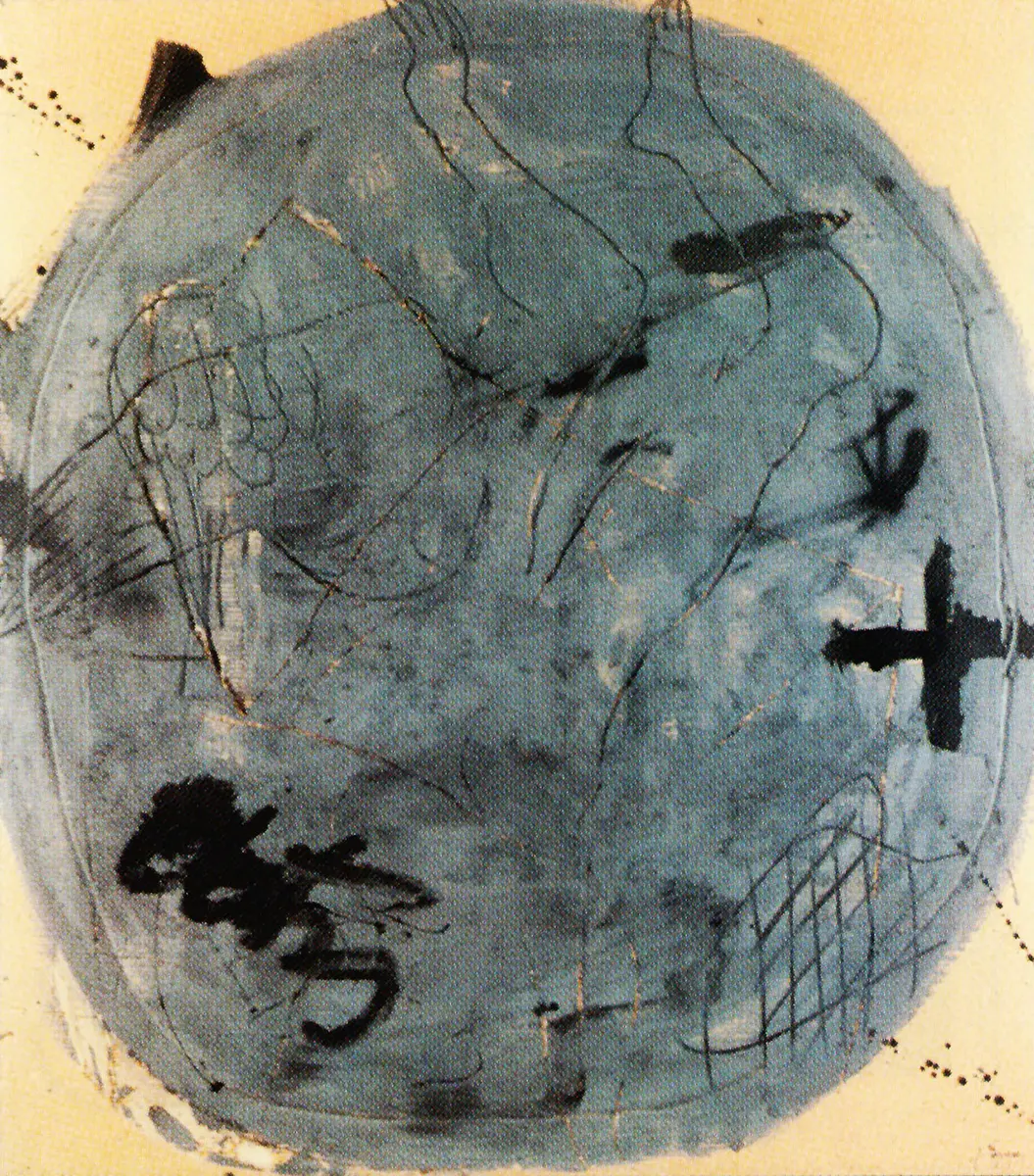
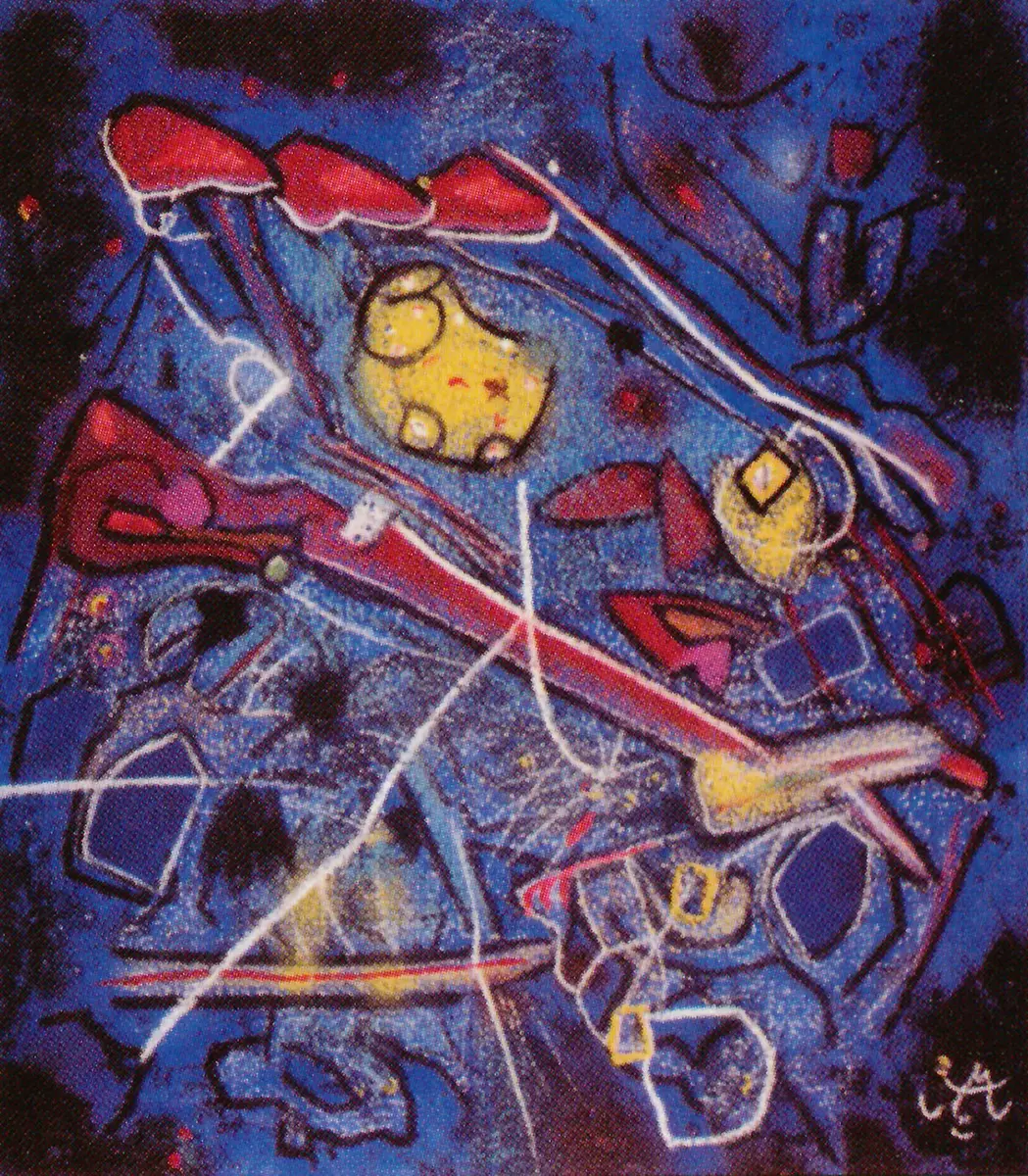
Equally noteworthy is the selection of several group shows in which the quality of the works, the stature of the signatures, and the criteria of the exhibits were marked by excellence. In this category, one could point to the Afinsa and Mercart Gallery, which brought together pieces by Paul Klee, Miró, Tápies, and Lam, as well as a curious piece by Claudio Bravo from 1971. The Luis Adelantado Gallery distinguished itself in the breadth and significance of its role as an artist. Assembled there were such signatures as that of Carmen Calvo (who is currently representing Spain in the Biennial of Venice,) Miguel Navarro, José Noguero, Marta María Pérez, and Luis Gordillo. As on earlier occasions, the Camargo Vilaça Gallery (Brasil), managed to capture a vast public of connoisseurs and spectators to observe the contemporaneous nature of two languages being exhibited, amidst which the symbolic touch and the conceptual nature of the piece by Jose Antonio Hernández-Díez stood out, as did the ironic and biting sensibility of works by Saint Clair Cemin, Paul McCarthy, and Jac Leirner. Likewise, the repertory presented by the Carles Taché Gallery was important, including the production in various media of Antoni Tápies, a beautiful painting by Jose Manuel Broto, and several works executed by Lluis Lleo and Eduardo Arroyo. The Argentinian gallery Roberto Martín also assembled a curious collection in which the work of Alejandro Colunga stood out as did the tablecloths of Rosalia Marguid and the subtle and intimate installations of Beatriz Ruderman. In the Colombian Alonso Gallery, the integrative and schematic power of Ronny Vayda's sculptures was noteworthy. In the spaces of Luis Pérez, interesting works by Negret and Fernando Botero were on view. As in previous years, Gallery 4.17 stood out with its large sculptural show. The Museum Gallery invaded its territory with a heterogeneous spectrum in which resided pieces by Jim Amaral, Nadín Ospina, Hugo Zapata, and Bernardo Salcedo, who let shine the strange charm of his biting and subtle works.
Several Venezuelan galleries also distinguished themselves in the select register of their collections. A quick review reminds us of Juan Pablo Muci’s enthusiasm in exhibiting classic works of national fine art in combination with the new masters of Venezuelan painting among which the works of Manuel Quintana Castillo (paid tribute to in AFI- 96) dazzled. Likewise, the Freites Gallery, with its usual sobriety, showed pieces by Alirio Palacios, Edgar Sánchez, Manolo Valdés, and Baltazar Lobo. In turn, the Center for European Art combined an interesting group that included everything from the aggressive satire of Zerpa and the supreme expressivity of Záles (winner of the last Biennal of Cuenca) to the textures of Benaim and the sketches of Lizardo. Likewise, we should recall pieces by Botero, Armando Morales, and Darío Morales exhibited in the spaces of the Acquavella Gallery. Mention must be made of the vast shows housed in the D’Museo and Graphic/CB2 galleries, in which were shown outstanding works by Sigfredo Chacón, Ana Maria Mazzei, María Teresa Torrás, Miguel Von Dangel, J.J. Moros, and Nanin García (an unknown artist who sold all her pieces in a matter of hours,) and the German photographer Jurgen Mahnert-Lucg.
Taking this global appreciation as our base, we can attempt an aesthetic evaluation of this 6th year of the AFI. Available space only allows the comment that, in comparison with the previous year’s show, we now admire a greater number of high-quality pieces while at the same time note the presence of numerous works with precious little artistic meaning. This diagnosis translates into a sort of expansion of the spectrum, with which we recall the celebrated hypothesis of H. Read: what occurs in art is not so much progress as it is a broadening of the aesthetic sensibility. Nevertheless, it should not be underemphasized that these margins must have a controllable scale. In this very field, it is useful to turn to Tomás Llorens for support in saying that in general, contemporary art biennials behave in an overbearing fashion and even begin to turn into academies. On the other hand, fairs present the opportunity to touch reality closer and to take a more immediate pulse of what is going on. This hypothesis, more than criteria for evaluation, is an important piece of advice for conceiving, designing, and appreciating the fairs in their broadest potential.
In this brief review, a note must be made regarding two actions that expanded the fortress of AFI-97. One was the association reached with the Simón Bolivar University to transmit, via teleconference, talks by Alirio Rodriguez and Juan Liscano, along with a panel on postmodernity in which Carlos and Ariel Jiménez spoke, as well as the writer of this account. The other important aspect was the organization of a show that served as an introduction to the AFI and which was titled El petróleo nuestro de cada día (Our Daily Oil). Housed under this theme were noted important works by the Venezuelan artists Ricardo Benaim, Carola Bravo, Sigfredo Chacón, Víctor Hugo Irazábal, Luis Lartitegui, Antonio Lazo, Hernán Monterola, Julio Pacheco Rivas, Sydia Reyes, and Gisela Romero.
To conclude, a comment is necessary regarding the commercial nature of the event. Without laying hand to overly statistical explanations, it will suffice to recount that during the final day, the smile of the gallery owners was sufficiently generalized and expressive. This success acquires a larger meaning when we associate it with the fact that on Sunday, July 6, in the Teresa Carreño Theater (located 100 meters from where the AFI was being held,) a gigantic sale took place in which the ODALYS auction house sold 93% of the 160 works of art being offered. Given this occurrence, we can only think that on this occasion, fortunately, the sun shone on all gallery owners. In addition to this economic success, it should also be mentioned that there was a festive and crowd-filled atmosphere in which the people of Caracas made their presence felt during the proceedings of this event.
VÍCTOR GUÉDEZ
Venezuelan art critic. Resident in Caracas.