
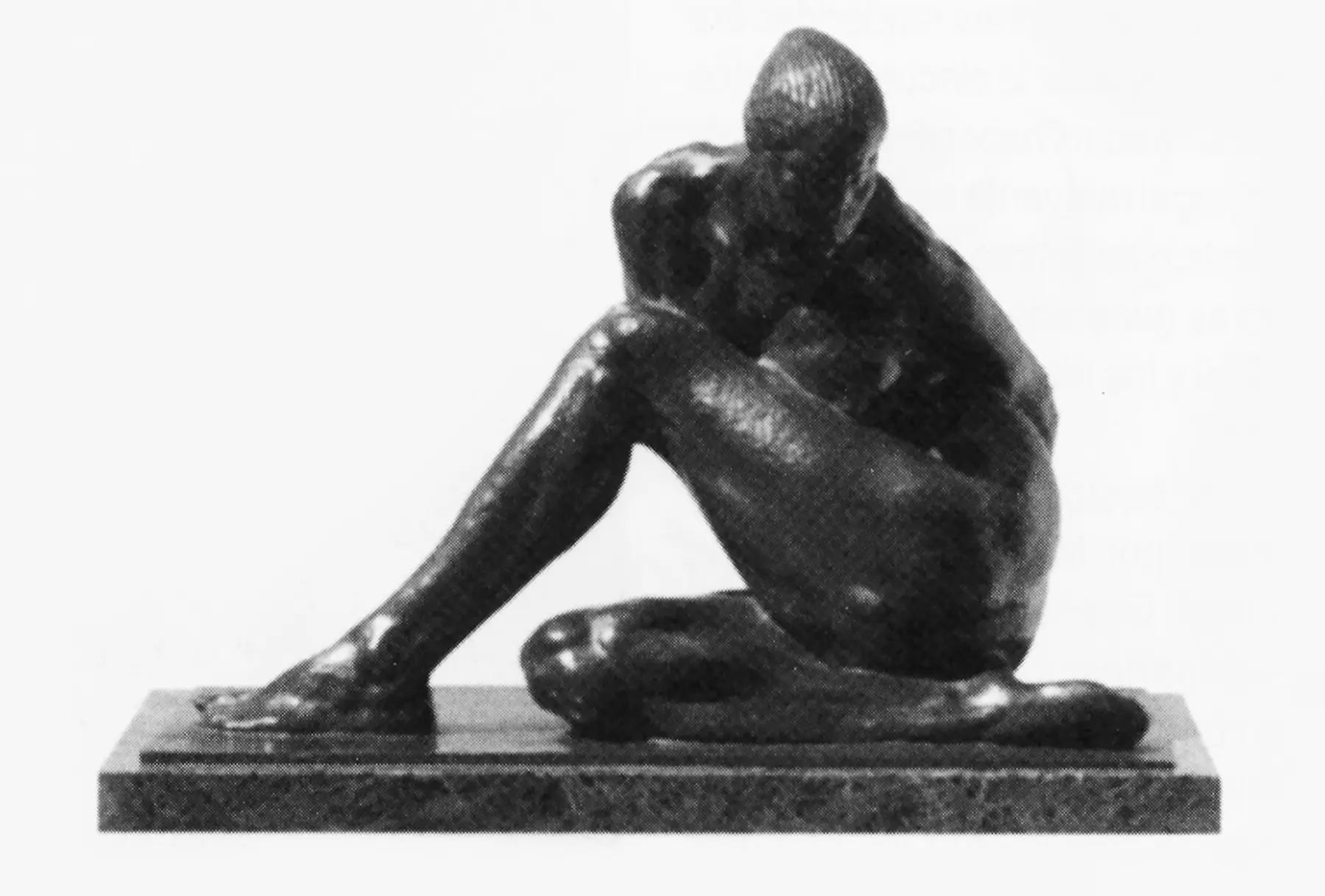
The logistical effort involved in mounting a sculpture exhibit ensures that such events are relatively rare. Anyone brave enough to attempt such a show deserves credit for their audacity. A sculpture show that is not simply a welcome change, but thoughtfully curated, intelligently installed, and refreshingly compact is the reason for praise. Brazilian Sculpture Irom 1920 to 1990: Profile at the Inter-American Development Bank is all these things.
Even novices in the field of contemporary Latin American art will have a passing familiarity with many of the sculptors whose work is on display here. Sergio Camargo, Hélio Oiticica, and Lygia Clark are represented by a few well-chosen pieces. One of the exhibit's great strengths, however, is its selection of works from lesser-known figures, some of whom challenge the expectations conjured by the giants of Brazilian art.
The exhibition opens with works from the founding sculptors of Brazilian modernism from the 1920s and 30s, most of them unfamiliar to an American audience. This selection, from Victor Brecheret, Alfredo Ceschiatto, Ernesto de Fiori, and Bruno Giorgi, is exclusively figurative. A quick glance at these sculptures, however, confirms that they are not remnants of imported academic styles or simple restatements of European trends. Brecheret emerges as the strongest creative force of his time. His bronze Tocadora de Guitarra (de pie)(Guitar Player Standing) from 1923 is an elegant statement of cubist ideas. Even more impressive is his Descida da Cruz Madona e Cristo (Descent from the Cross/Madonna and Christ). The sculpture itself is small in scale, but its conception and execution are monumental. The Madonna’s form is slightly elongated while the lines of the figure she supports fall well below her feet. Although his body maintains its integrity, each of its elements has been stretched past the limits of the possible. This device effectively communicates Christ’s suffering of the cross but also emphasizes the superhuman element of his nature.
Ceschiatti, while certainly more decorative than Brecheret in his approach, also produced memorable work. His Mulher con Maga (Woman with Apple) recalls his sculptural grouping that decorates Brasilia's cathedral. But it is Contorcionista (Contortionist) that proves most interesting. The hoop surrounding the figure effectively echoes the circle created by her pose while the counterbalance provided by the girl’s leg both supports the figure and establishes a secondary set of visual relationships. As different as the figurative Contortionist is from the subtle geometries of Waltercio Caldas Dissipatori I from 1987, also on display, they both show an interest in capturing the interaction of space and time.
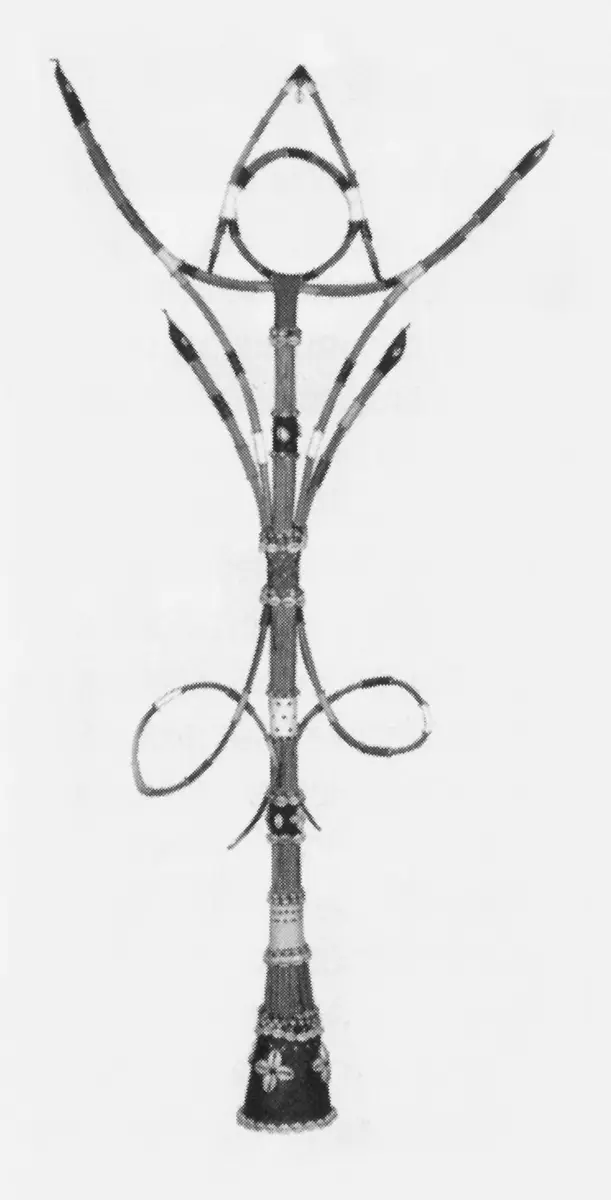
The juxtaposition of sculptures by Mestre Didi, Rubem Valentim, and Austrian emigre Franz Weissmann provides one of the show’s most thoughtful statements. The work of both Didi and Valentim springs from the roots of Brazil's African peoples. Didi’s sculptures in palm fiber, leather, and shells are the most "traditional" of the two. As both an Obaluaé priest and a craftsman of merit, Didi has created a universe of works, such as Opa Ejo Merim (Staff of Four Snakes) which reflect his world view and synthesize complex spiritual ideas in three-dimensional form. Valentim’s brilliantly colored Objetos Emblemáticos (Emblematic Objects) are also religious works but blend the influences of African design with the symbolism of Catholic altars. The colorful spaces claimed by Weismann’s minimalist sculptures come from a theoretically distinct aesthetic tradition. Nonetheless, next to Didi’s handling of space and Valentim's feel for color and geometry, European modernism comes across as only a small part of a much older and more widespread, although clearly less understood, a project of human creativity.
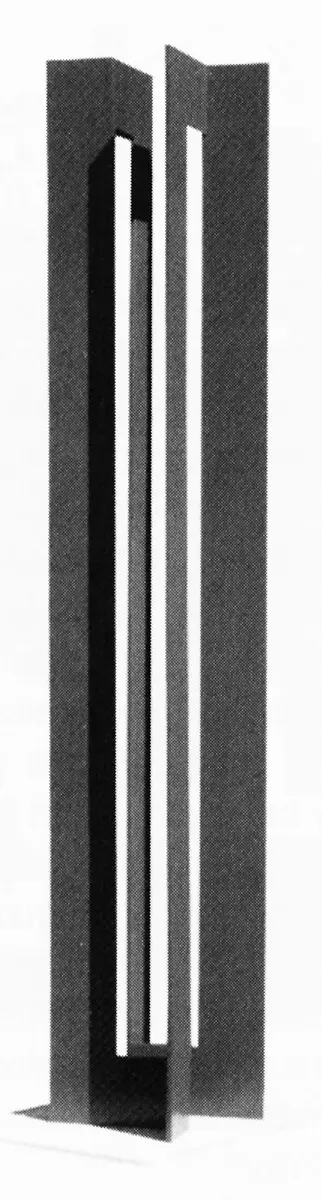
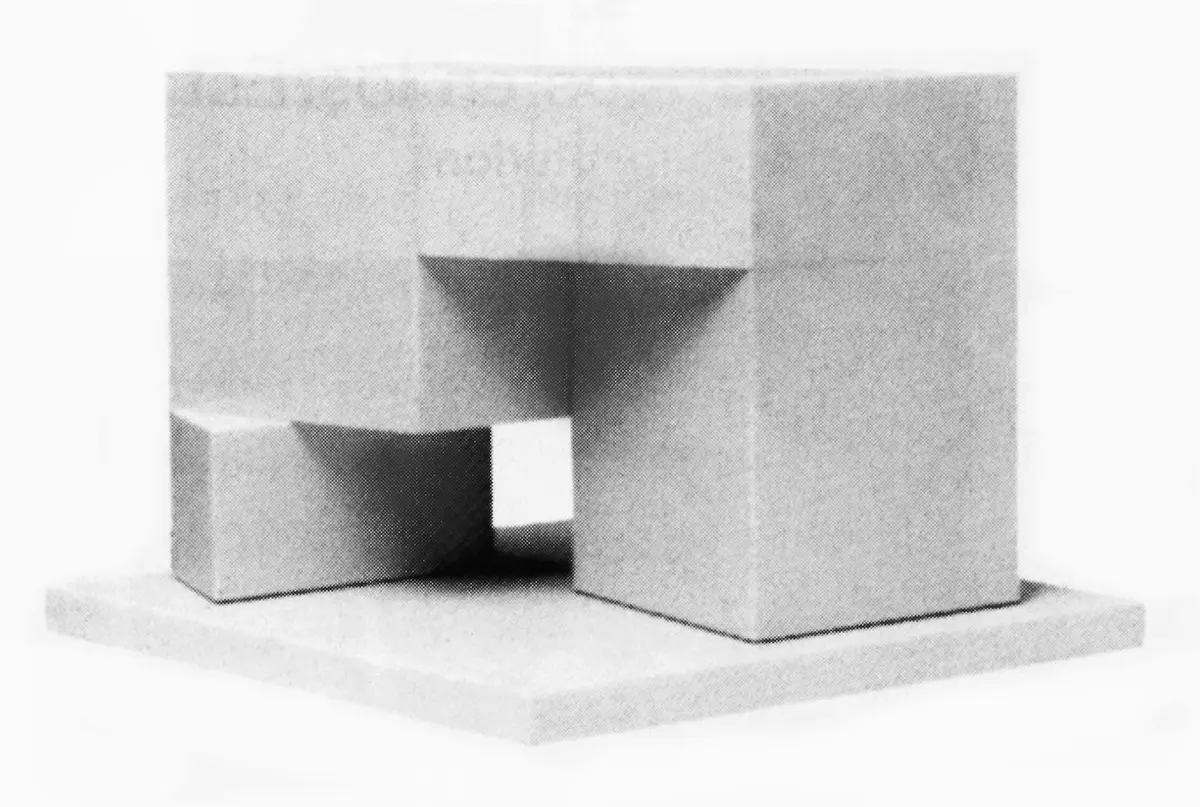
As geometric modes of abstraction recede into the pages of art history, it is worthwhile noting how well Camargo’s simple, elegant works withstand the test of time. The pairs of interlocking cubes that form Coluna (Column) or the subtly worked axle of one of the untitled works are straightforward and uncomplicated. At the same time, the interplay of concept, proportions, and material produces a palpable sense of perfection. Camargo’s work confirms, yet again, that simplicity is often illusory and its successful achievement is certainly one of the greatest aesthetic challenges.
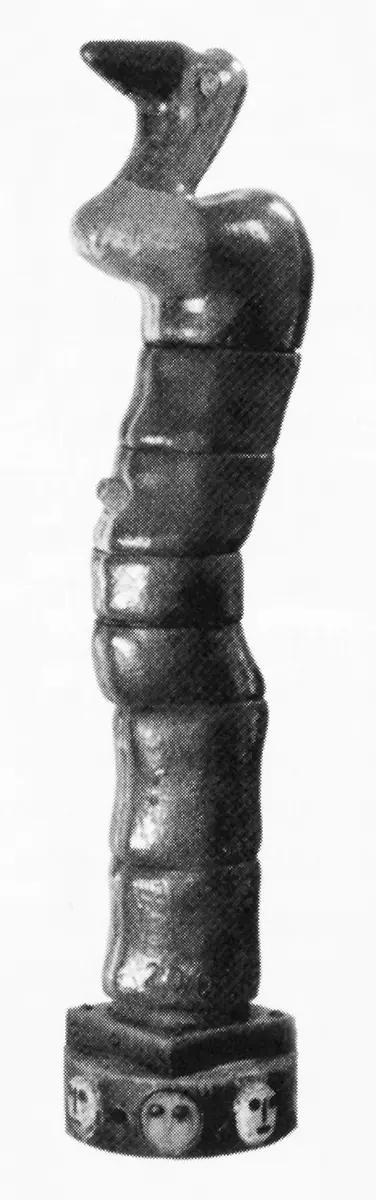
One of the greatest pleasures of any well-organized survey is the opportunity to encounter works by artists whose names are not as familiar as they should be. Ceramicist Francisco Brennad, represented here by the magnificent, totem-like Passaro Roca (Rock Bird) and the humorous Passaro (Bird) certainly merits greater attention outside Brazil than he has received to date.
As with any show of this nature, the absence of some artists—the name of Frida Baranek comes immediately to mind- might provoke a few mild protests. But, as much as one might want to see more, the show clearly benefits from its succinct approach. One can only lament that Brazilian Sculpture is not slated for exhibition at a host of museums around the world. It deserves a larger audience.
K. MITCHELL SNOW