
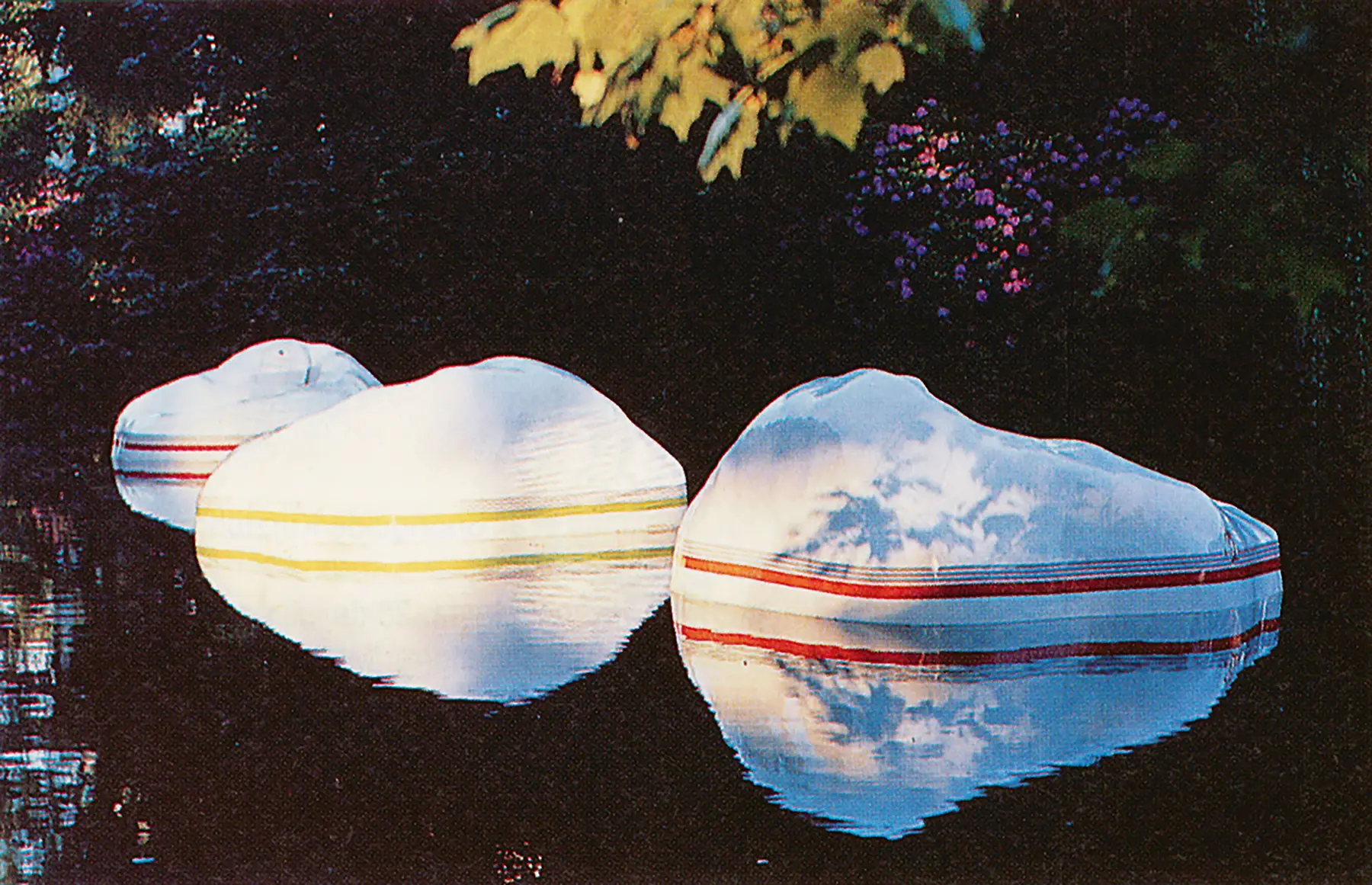
In the specific moment through which contemporary art is passing, we all seem to agree on the uselessness of the usual examinations and the indiscriminate generalizations which we experience periodically through the traditional routes of art tourism. Even when the questions that articulate these exhibitions might be relevant, the conditions of possibility they raise in these moments for the practice of art scarcely tackle the problems we are confronting in this phase of late capitalism or, they are different problems from ten or twenty years ago when these exhibitions were still pertinent or were at their height. Furthermore, among the more challenging and committed artists of the moment, there was a daily increase in the number of those coming from different places in Europe or the United States, even though the selections of artists offered us in these mega-exhibitions seem to prove the contrary. Alternative exhibition spaces have also been developing over this time as well as new means of art distribution while the ideas concerning artistic creation are in a state of the constant state of redefinition. And yet, when it comes to Venice, Kassel, and Münster, everything seems to be business as usual.
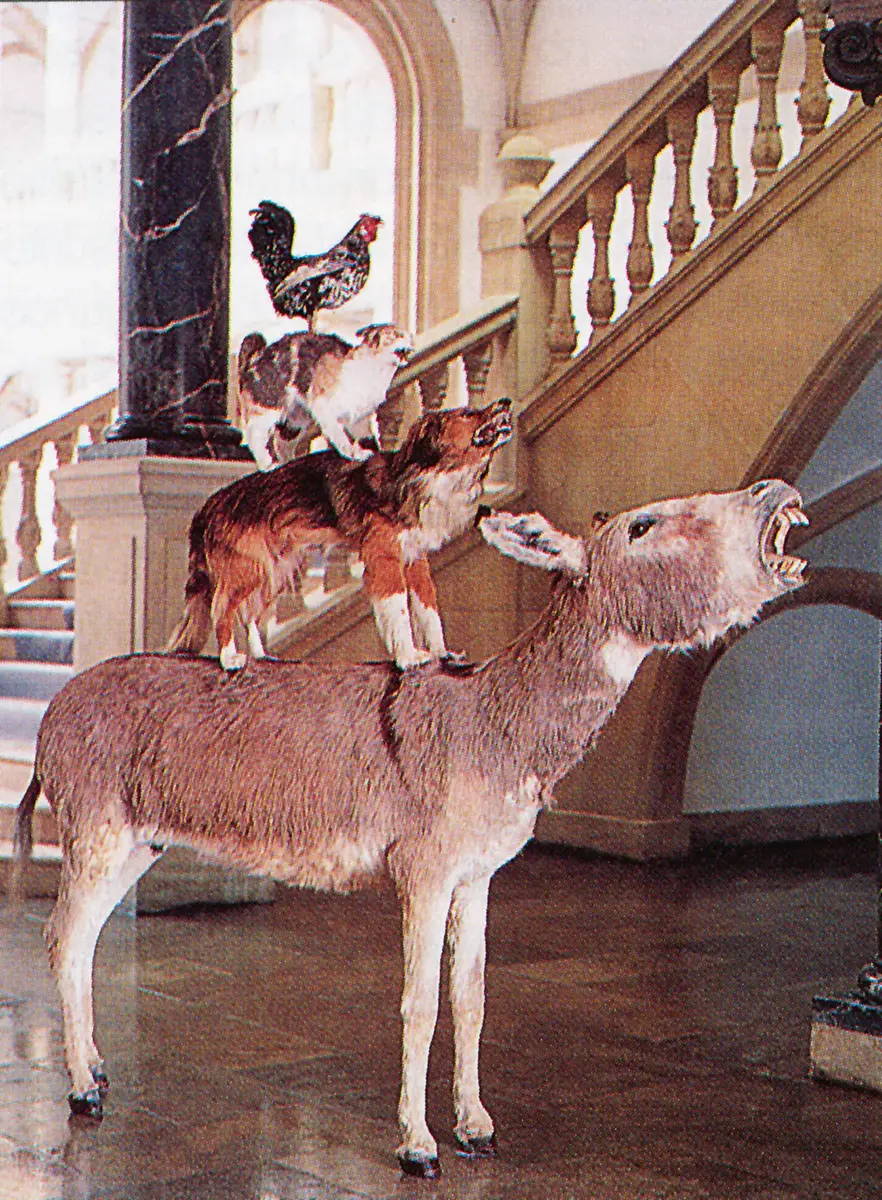
In contrast to the Biennial and documenta—which have responded, with some exceptions, to models foreign to contemporary cultural practices and have been events used as tools respectively by nationalist and bureaucratic interests and the assumptions of authorities, academies, and generations—, Münster represented an opportunity for the consideration of the achievements of a more critical, controversial, and perhaps less institutional artistic practice. In essence, the Sculpture Projects of Münster, initiated in 1977 with the work of nine artists, was conceived of as a physical extension of the Landesmuseum, the Westphalian Museum for Art and Cultural History, into the urban environment. And among the 54 projects presented at the second convocation held in 1987, that extension aspired to development through the artistic intervention in the historic space of the city. In this way, ten years later, one was anticipating that on this occasion question the meaning—at least—of "public space" and "public art" would be reconsidered considering the transformation undergone by special perception and social space, particularly as a result of the new technologies of mass organization and transportation.
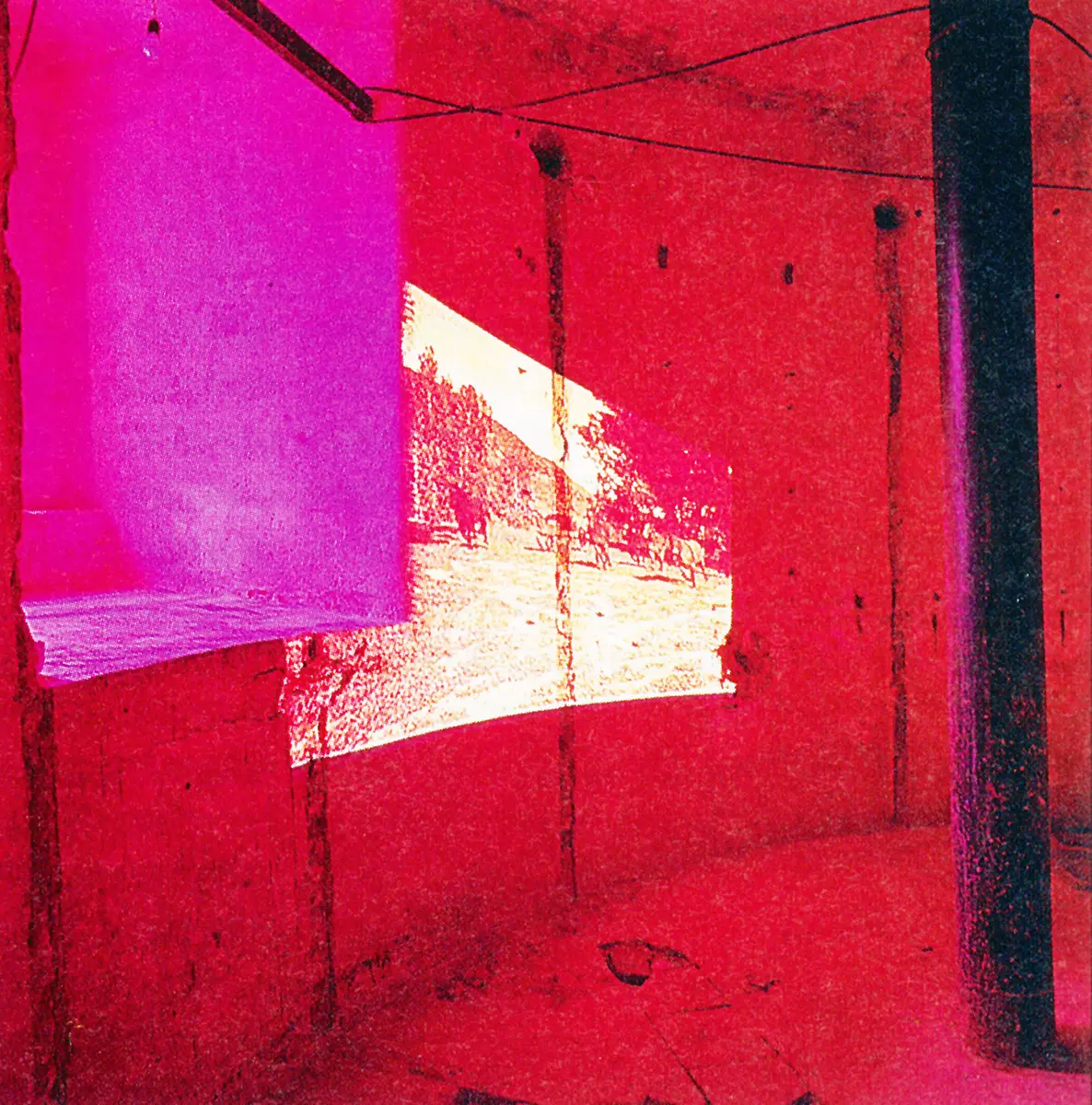
Nevertheless, only a handful of the more than 70 projects chosen for this convocation articulated what we might consider a socio-political concern for social space. For example, The Fun House by Dan Graham broaches issues related to amusement parks as well as problems characteristic of interventions with site-specific designs. Located next to a children's play space, this pavilion of evanescent mirrors (or semi spectacular panes of glass) establishes an intermittent interplay between reflections and transparencies, between our images and those of the surrounding, which transports us into a constant oscillation between optical semi-realities. The Stabdort Merry-Go-Round by Hans Haacke also makes use of an object from childhood to reflect on the public representation of history. The piece is a circular structure of thick boards six meters high that conceal within a child's carousel; when spun around, the carousel plays a vulgarized version of the national anthem of Germany. This piece contrasts with the sculpture of nude Teutons, cylindrical as well, in which Haacke's work is reflected: a monument unveiled in 1909 and erected in memory of the military campaigns which the kingdom of Prussia won in the 19th century and to commemorate the restoration of the German Empire.
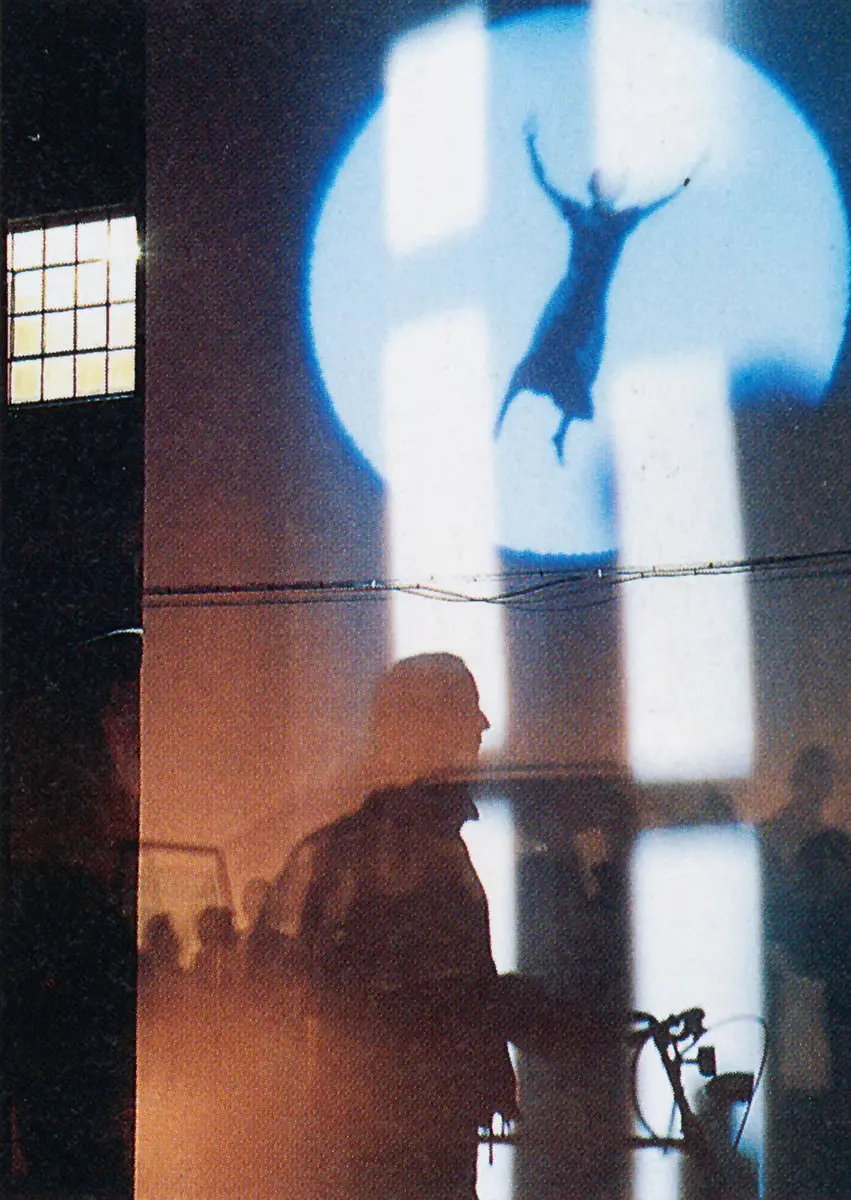
Projects like that of Maria Eichhorn, Eulalia Valdossera, Svetlana Kopystianski, Rirkrit Tiravanija, Mark Dion, and Jorge Pardo, deal with, respectively, questions concerning the property of public space, the spectacular projections of their representation, their use and artistic presentation, their social and recreational function, their destruction and spectacular transformation, and the anachronism of their romanticization. In their own fashion, the proposals of Janet Cardiff, Yutaka Sone, Andrea Zittel, Allen Ruppersberg, Fischli/Weiss, Martin Kippenberger, and Bert Theis also imply themes and considerations regarding "public space." And other promising projects, like the amusement park Ferris wheel which Gabriel Orozco proposed to bury in the ground up to its center, unfortunately, were not realized. In any case, any one of these, even as a simple proposal, was more effective than the embarrassing, supposedly social representations of Daniel Buren, Nam June Paik, or Marie-Ange Guilleminot.
Unfortunately, taken as a whole, these projects have neither direction nor plot, neither climax nor resolution. Despite, or perhaps as a consequence of the fact that many projects made use of music, noise, and other sounds, this convocation seems not to have found its own voice. We often felt as though we were confronted by disconnected monologues. And it is not that I long for a conventional narrative of ordinary psychology. Nor do I reproach their lack of linearity or wish to say that we should understand everything, that everything is explicable. The deliberate rejection of meaning in the face of assimilation and subjection by the cultural industry is probably one of the most challenging critical strategies in contemporary artistic practice. Nevertheless, the recommended bicycle path that led us from the Lands- museum to the Promenade, crossing Castle Square with its gardens and passing Lake Aasee, does not consider the public character of the event to its final consequences. I do not want to say that the projects disappear under the weight of the natural environment, but rather that they barely retain their power or consider the transformation of the environment, suspended as they are between critical absence and mere entertainment.
Curiously, for many critics, after the 'rigors' of documenta X, the Münster show was a "relief." Without a doubt, the impact of the peripatetic project that Franz West presents in this bucolic and university city has more than achieved its goals: on the slope that leads to a pond, the sculptor placed a spherical object painted pink and on the other side, facing the same pond and directly in the line of sight of the sculpture, he placed an open-air urinal where the spectator might relieve himself of the rigors of the long journey. Or perhaps—when a good part of the cultural, historical, and aesthetic space of recent artistic production seems stuck in the commercial dilemma articulated by fashion and the entertainment industry—the critical possibilities that documenta X attempted to articulate don't respond exactly to the expectation of those who insist setting intellectual rigor in opposition to the pleasure principle.
OCTAVIO ZAYA
Critic and curator, resident in New York since 1978. Associate Editor of Atlántica (Spain) and collaborate with Flash Art (Italy).