
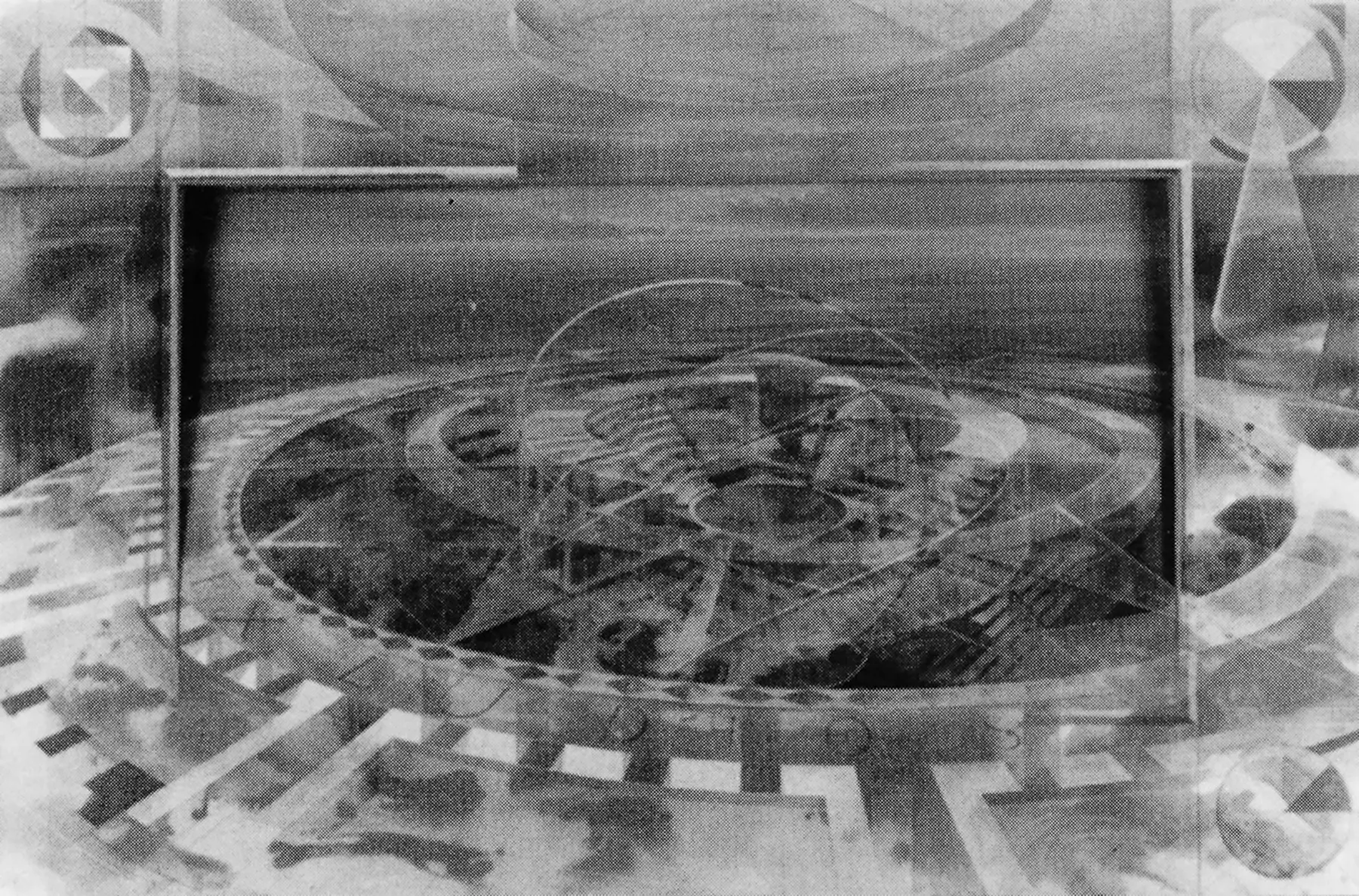
Of the many definitions of the term art critic, we must include that of the person who frequently visits the artist's studio to share views. For one reason or another, throughout his or her career, that person begins to make a collection - which reflects his or her tastes, convictions, privileges granted in the name of friendship with artists.
Then, because of the destiny of life, that collection, because it belonged to a very special person, becomes part of the patrimony of a museum, as when Clara Diament Sujo donated to the National Art Gallery of Caracas 95 works which she had collected throughout her life, and which were shown in November 1995 in a high-quality exhibition titled A Vision of Venezuelan Art 1940-1980. The Clara Diament Sujo Collection. On the other hand, the opposite sometimes happens, and the works are dispersed, as in the case of the collection of Alfredo Boulton (1995-1996). Finally, it may be that for reasons of health, a collection is put up for sale. This was the case with the works belonging to Roberto Guevara, one of the most outstanding critics of Venezuela, the author for many decades of a weekly column in the Caracas press, a commissary for São Paulo, and, for the last ten years, the national director of museums.
This exhibition is titled Discoveries and Surprises in a Collection. Works from the Roberto Guevara Collection (March 1977) was made up of 35 works by 35 artists, including paintings, drawings, and sculpture. Other works from the collection, paintings, and prints, had already been sold.
Guevara selected works by Venezuelan and Latin American artists, including Elsa Gramcko, Darío Morales, Luisa Richter, José Gamarra, Jorge Stever, Ana María Mazzei, Maripaz Jaramillo, Harry Abend, and Águeda Lozano, and most of the works acquired were in small or medium format.
The sense of space (Richter, Mazzei, Lozano) and time (Stever, Gramcko, Abend) offered a possible link between these artists, as did the sense of Latin American inventiveness - whether in Jaramillo, Gamarra, or Morales.
The collection included some very early works by artists who, over time, revealed strong personalities: Quilici, Alexis Gorodine, Nadia Benatar, William Stone, Margot Romer, and Patricia van Dalen, all Venezuelan.
Most of the works were on paper, such as example those mentioned in the previous paragraph, as well as the works by Jaramillo, Jose V. Aponte, and Antonio Moya (the latter using work in his work). The paintings included works by Carlos Alberto Castillo, Rolando Dorrego, Corina Briceño and Rodolfo Stanley.
Amongst the sculpture, Gramcko and Abend were represented by works from the 1970s. The piece by Gramcko comprised a relief with puckered wood forming horizontal and vertical surfaces, while that of Abend evoked a sense of accumulation and intensity.
For each work, Guevara wrote a few words in which he defined its creative characteristics, along with details of when the specific work was acquired.
JUAN CARLOS PALENZUELA