Why are international biennials organized? Who are they organized for? Are they conceived as strategic places for a new form of engaging in politics? Are they perhaps individual acts of passion? Do they seek self-representation? Is the objective international recognition or national legitimation? How can artistic expectations be reconciled with other kinds of demands? Can these events reflect our complexity? Biennials are a little of all these —and many other— things, which must be taken into account when any one of them is examined. During the meeting organized on this subject by Arts International and the Rockefeller Foundation a few months ago,1 such problems were raised and discussed in the light of a very different kind of global panorama from that which existed when these events first emerged.
In a recent article on the sixth edition of the Havana Biennial, Rachel Weiss rightly pointed out that ideally, a biennial is an opportunity for redrawing the global map, with the center newly located.2 Although this may be a temporary situation, the First Ibero-American Biennial of Lima, an initiative headed by Luis Lama and organized within the framework of the declaration of the city as a crossroads of Ibero-American culture, offered an opportunity for drawing the attention of the Latin American art world to something which has not been very visible so far, and to establish a dynamics of confrontation between what is local and what comes from outside.
The great traditional biennials —those of Venice and São Paulo, for example, biennials that essentially reinforce the center— are now facing broad competition at various points in the artistic constellation, and this proliferation of biennials southwards and eastwards is becoming intensified as the century draws to its close, with radical changes in the relationship between the center and the periphery. At the same time, a need is emerging for reviewing the structure of all these events and to question their validity as spaces of encounter and reflection, with all kinds of proposals being made for their re-adaptation to new schemas in accordance with the changes being brought about by the globalized system and the increasing presence of the peripheral sectors. What continues to be evident is that the existence of an international biennial at a given point —and for this reason, they are multiplying— temporarily focuses attention on that place: it suddenly comes into being and exists on the international circuit. The permanence and subsequent projection of the event are quite different matters.
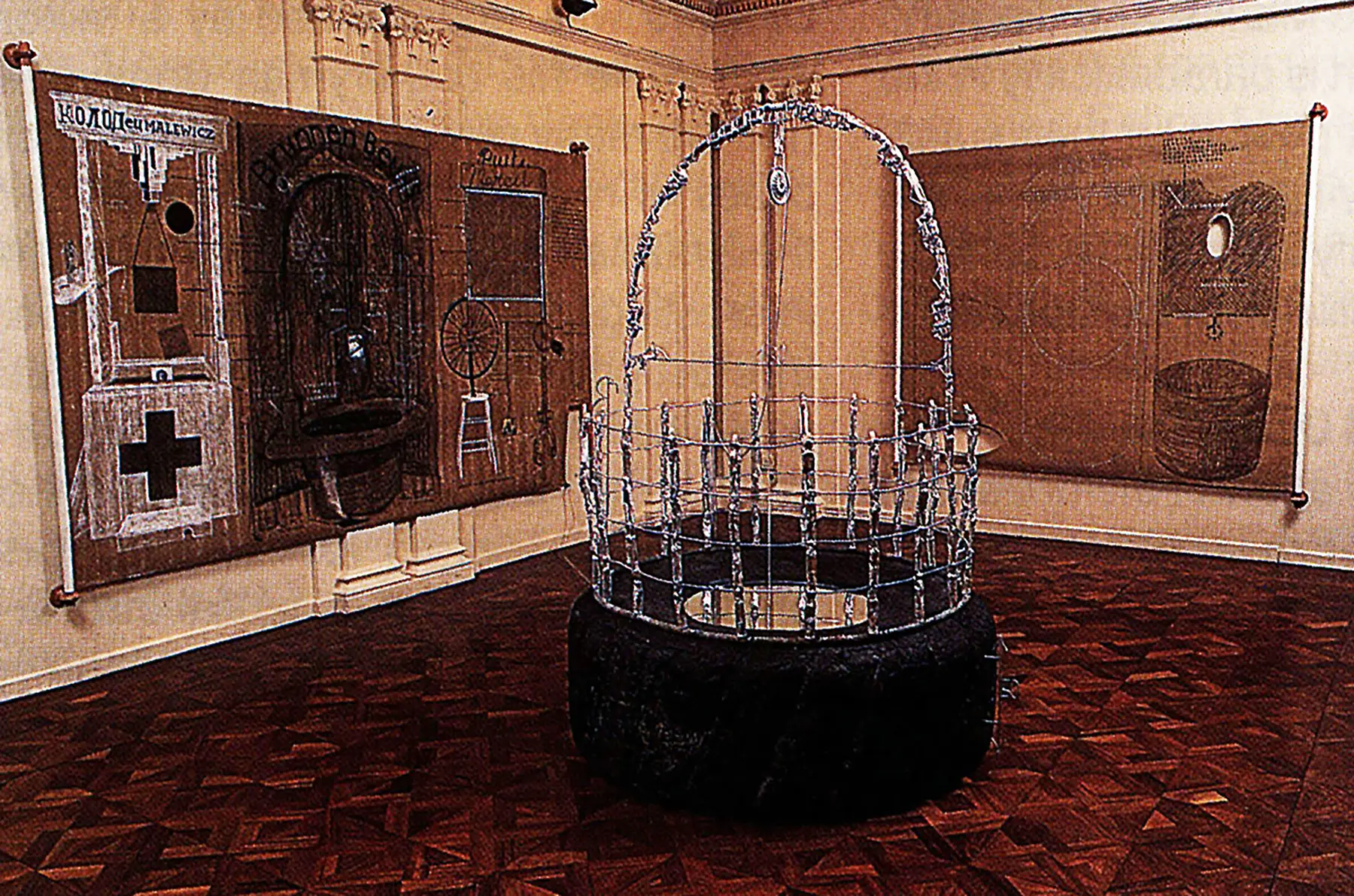
Within this context, Lima organized a biennial that sought to encompass a specific territory, under the subtitle of New concepts of art in Ibero-America. It decided to articulate the event as a variation of the model of individual national representations, inviting curators directly rather than through official or diplomatic channels, as is the practice in other events. Furthermore, it sought to open up space for a broad representation of the host country and selected a group of well-known international artists as special guests, including José Bedia, Melquiades Rosario, and Fernando de la Jara.
This first Ibero-American Biennial was presented in several historical buildings in the city of Lima, which has been renovated and revitalized not only as a testimony of its colonial past but as a place that also belongs to the city-dweller today, in search of her place in their city and the reappropriation of the present within an urban center which until very recently, as in many other of our devastated cities, was synonymous with fear and insecurity and had become marginalized and abandoned.
Although some of the intellectuals and curators invited expressed disagreement with some of the works, the selection process, or certain aspects of the organization process, these matters were of secondary importance compared to the dynamism created at the local level and the forward-looking expectations which motivated the event. Rather than going into details about works and artists, it is important to examine what was being sought by an event of this kind and what its meaning was within the Peruvian context.
It is very likely that the Biennial was conditioned by the current economic and political situation of Peru and the expectations of various sectors —not only in the cultural sphere. In the words of Luis Lama, the Biennial sought to gather together distinguished artists and intellectuals from through Ibero-America in the places of our historical center, which have been deteriorating. One of the goals of the Biennial is to achieve the restoration of these places and to show our public our architectural past, from the sixteenth century down to the middle of the twentieth century.3
This was without a doubt achieved by the Biennial: over and above the multitudinous official inauguration, the people of Lima itself spoke about the years since they had gone to the center, with the local public flocking to various places such as the Conservatory. A Peruvian professional told me that she recently brought along her children, who were of university age, to get to know the center of the city. Such a situation is particularly relevant in a context of belonging and identity —especially in the Latin American continent which has become an amorphous suburb around which new centers have appeared— but of a commercial kind and where local reality has disappeared in the midst of imported artifice.
The Biennial also wanted to be an event about proposals concerning the most representative aspects of our art at the end of the century,4 a place for studying cultural plurality and an encounter between artists who, working in their own context, have been able to assimilate the information available to them to construct initially hybrid proposals.5 Although not all the works on show were of the same level —such a thing never happens, of course— this was a Biennial that did represent current practice, with all that implied.
The Biennial clearly did not seek to establish any kind of guidelines. It was an uneven event, with museographical problems which negatively impacted the viewing of many works, as well as a general sense of saturation. However, the show also evidenced considerable vitality, reflecting (as was the objective) the multifaceted nature of current art in Ibero-America, with its good things as well as others of a more trivial kind. As confirmation of the diversity of production in Latin America, the Biennial as a whole could be seen as one single piece made up of many different facets of the continent’s contemporaneity —from kitsch to conceptualism.
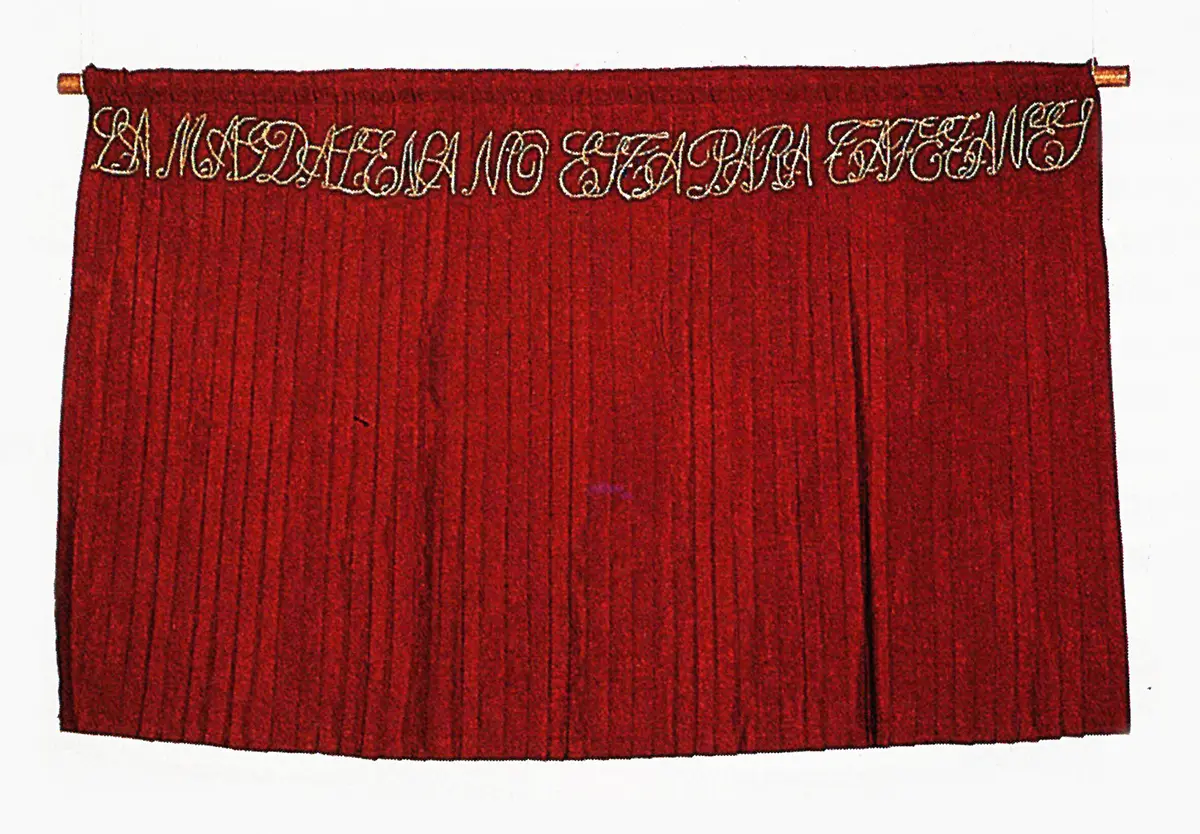
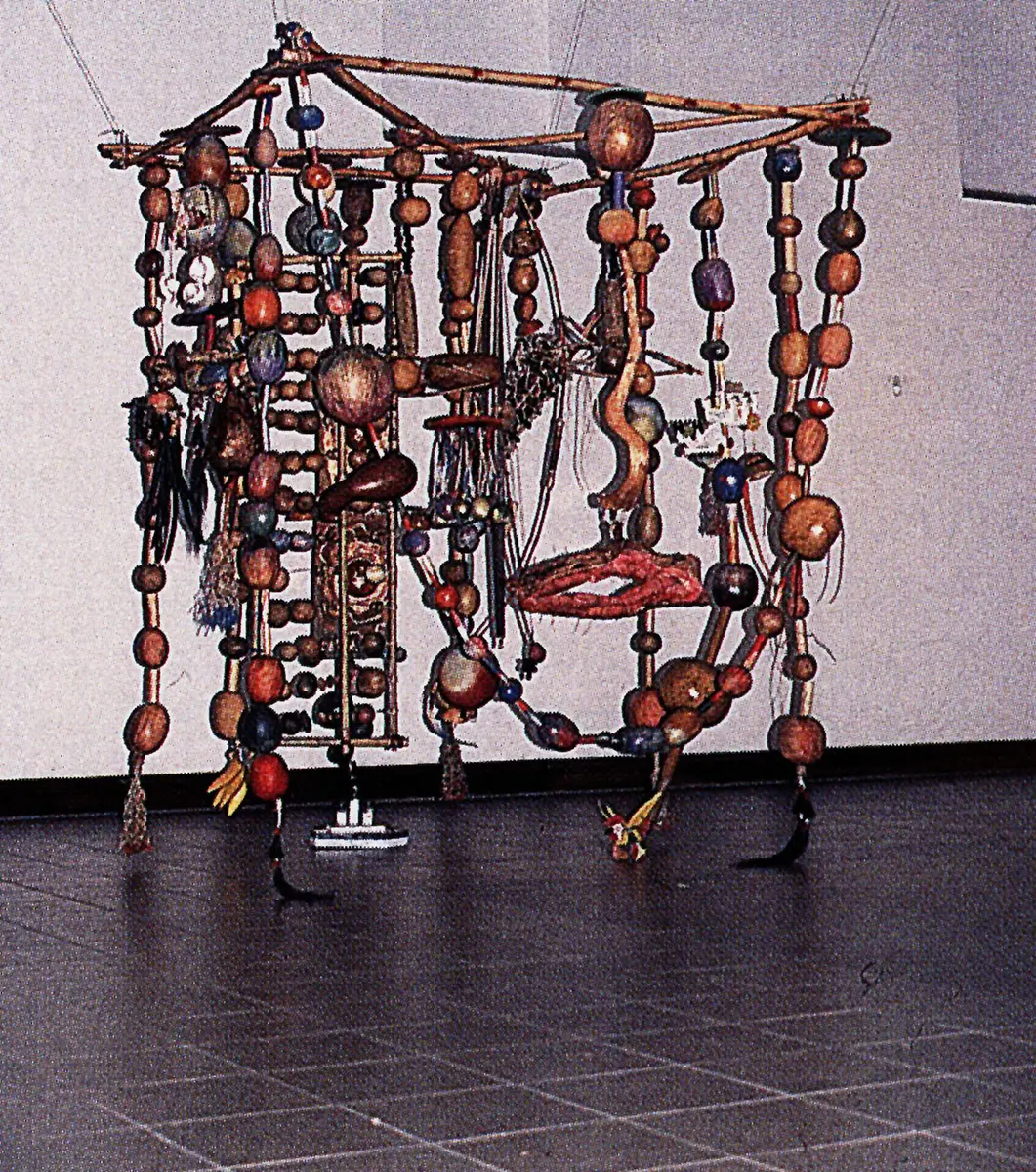
The most interesting works included the subtle video by Fátima Martini (Paraguay), in which a kite could be seen flying in a cloudless sky, creating an atmosphere of strange quietness. The installation by Pablo Conde (Uruguay) was a re-reading of his work presented at the Havana Biennial in which he plunged the spectator into the nostalgia of a comer in the city which was silent, intimate, and solitary, a hidden street heavy with the perfume of eucalyptus, but where death lurks. Both works, presented in the Casa Rímac, benefited from the isolation which they needed. Nearby, there was María Elena Perales (Puerto Rico), with a piece that inevitably suggested a work by Kcho. Paloma Navares (Spain) and Gerardo Suter (Mexico) were well-installed inappropriate places. However, it was in one of her small works and in a video on a wall that Paloma Navares proved to be most convincing. Ricardo Benaim (Venezuela) exploited several points in a large space to present a series of elements within the same project, the new Southern Cross: the mural pieces in the room of the Post Office building were the best part of his project. Patricia Belli (Nicaragua), who is currently one of the key artists in the Central American region, presented taut textiles and garments on stretchers which were amongst the most significant and suggestive works at the Biennial. However, she needed a space with greater sharpness and clarity, more in keeping with the scope of her proposal. The installation by René Francisco Rodríguez (Cuba) was well-conceived, but it squeezed too many elements into a room with little light. The minimal presence of Marcos Lora, from the Dominican Republic, was inexplicable —his work was placed almost unnoticed in a corridor. Otto Apuy (Costa Rica) presented a penetrable work, a mobile done with vernacular elements of a ludic and pluri-ethnical kind; placed on the balcony of the Casa Rímac, its own complexity engaged in a contest with architectural details and in turn interfered with the work by José Bento (Brazil), the sobriety of which needed a more isolated space.
Of the remainder of the Central American contingent, Santos Arzú (Honduras), in a grandiloquent piece, revealed an excess of media, as did Luis Lazo (El Salvador), and the passage from painting to the concept of installation still did not seem to be fully assimilated.
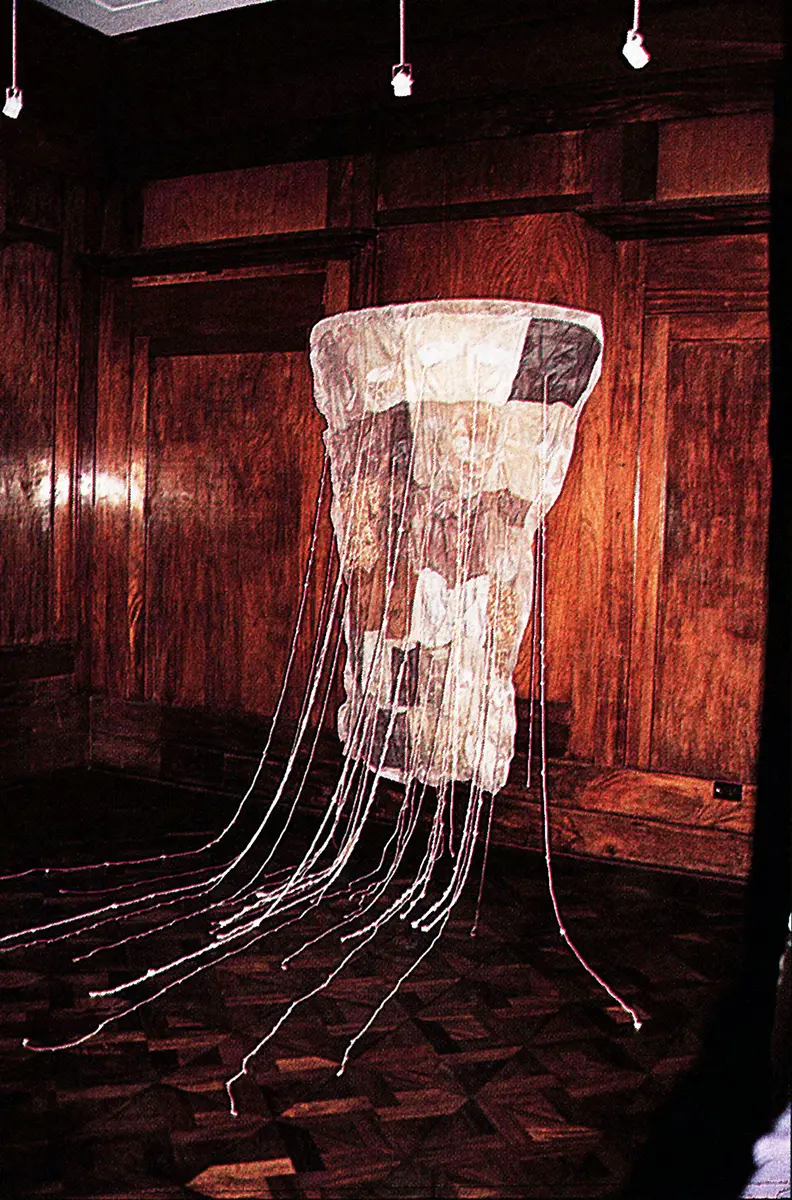
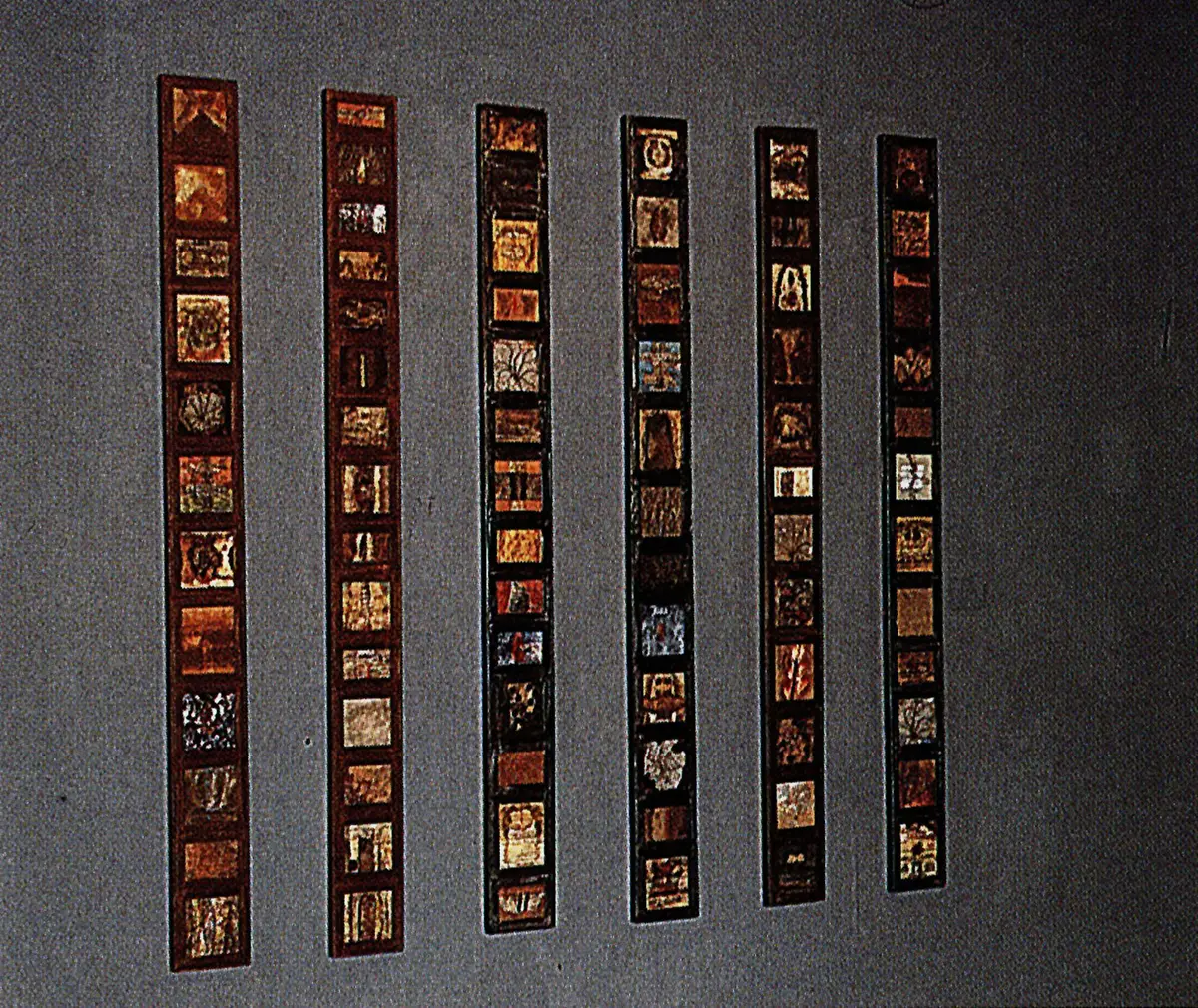
The Peruvian presence was very comprehensive, both within the framework of the Biennial itself and in the parallel salons.6 Special mention must be made of the work of Mariella Agois, whose sensitivity with embroidered textiles recalls that of the Costa Rican artist Priscilla Monge —and the excellent serial photography, a testimonial journey in the manner of Hamish Fulton along the Peruvian coast, by Luz María Bedoya. This young artist was present in the Casa Nicolás de Ribera, as well as in the impeccable exhibition of Peruvian photography organized by the Museum of Art of Lima —without doubt, the most impressive exhibition of local work seen at the Biennial. The best contribution being made at the moment by Peru in the field of art is undoubtedly in the medium of photography.
There was also a round table event that acted as a kind of framework for the new concepts of art in Ibero-America. Amongst other matters, the number of Peruvian artists included in the Biennial resulted in this theoretical space becoming a kind of platform, from which the Biennial was severely criticized by some of the guests, especially Raquel Tibol, who vehemently accused it of lacking rigor.
Of the dozens of biennials that have been organized —whether traditional or more recent, including some with much greater pretensions than those of the Lima Biennial, I wonder whether any has been totally free of mistakes— and sometimes even more serious mistakes in some cases, even though they might have existed for years, with a major curatorial team to back them up, as well as financial or technical resources much greater than those of the Lima Biennial.
Peru has been isolated for almost two decades, with very little visibility or presence at the international level —rather like Central America, where we are just beginning to achieve its proper projection. As I noted at the beginning, a biennial is an opportunity for visibility with regard to a new public. This was the intention of the organizers in this case, with the parallel salons which showed work by Peruvian artists not selected for the Biennial itself. Many of those who attended knew very little about the Peruvian scene and these salons made it possible to take the general pulse of what is happening at present and to present an anthological selection of earlier Peruvian production. It is to be hoped that the spirit of encounter and dialogue offered to artists of the youngest generations will be important in allowing them to define their language, develop their resources and analyze their themes.
Within the overall objectives of the Biennial, there were thus internal achievements that should be now be developed more thoroughly at the external level. Already the evaluation process of this first edition is underway. The second edition of the Ibero-American Biennial could become a major place of encounter, with a clearer sense of discourse, and closer collaboration between professionals in the area, thus avoiding recourse to galleries. It is essential for it to move away from the gallery circuit and towards the more active participation of the curatorial sector, both as regards the selection of the participants and in the montage, the preparation of texts, and the implementation of specific projects.
NOTES
1. The Conference on International Biennials and Exhibitions was held last August at the Villa Serbelloni, Bellagio, Italy, with the presence of the officials responsible for the Biennials of Venice, São Paulo, Havana, Sydney, and Istanbul, the Triennials of Brisbane and Carnegie International, as well as a number of museum directors, artists, independent curators and historians, and discussed aspects related to these major events.
2. "The Sixth Havana Biennial", ArtNexus, No.26, October-December 1997, p.70.
3. Luis Lama, circular letter to curators and panelists, dated 29.10.97.
4. Luis Lama, letter of invitation to the Biennial.
5. Visual Arts Center, project presentation text.
6. Nine Peruvian artists were selected: Mariella Agois, Luz María Bedoya, Johanna Hamman, Rocío Rodrigo, Carlos Runcie Tanaka, Emilio Santisteban, Eduardo Tokeshi, Ricardo Weisse and Moico Yaker. However, there were also the so-called parallel salons, which showed work from the youngest emerging generations as well as by figures of modern Peruvian art. This situation caused some confusion since the general impression was that all of these were part of the Biennial selection.
VIRGINIA PÉREZ RATTON
Director of the Museo de Arte y Diseño Contemporáneo of San José, Costa Rica.