The Museum of Modern Art recently paid a genuine and heartfelt homage to Raúl Lozza with a retrospective show covering the period 1939-1997. Lozza is one of the masters of the plastic arts in Argentina and was one of the protagonists of the avant-garde movements in the 1940s. The show was accompanied by a number of lectures and meetings between artists and art theorists, which enabled the work of this artist and the abstract movement, in general, to be revalued and re-assessed.
Raúl Lozza was born in a small town in the province of Buenos Aires in 1911 and was educated within a family which was not unfamiliar with different kinds of artistic expressions. At an early age, he took up literature, poetry, and the theater. The fact that he did not have academic training in the plastic arts did not prevent him from developing his vocation and from becoming one of the most controversial figures in the art world in the 1940s and 1950s. Since the 1930s he had played a protagonistic role in the cultural sphere as a painter, publicist, essay writer, lecturer, trade union activist, politician, and champion of human rights. His long artistic career ranged from socialist realism at the beginning to different facets of abstract art such as the concrete movement and perceptism.
In 1945 he participated in the establishment of the Concrete Art-Invention Association along with Tomás Maldonado, Manuel Espinosa, Ennio Iommi, and Alfredo Hlito. The following year he signed the Inventionist Manifesto and subsequently created perceptism and launched a journal of the same name.
Of the artists who made up the early avant-garde, Raúl Lozza was one of the most significant. He developed both in theory and in practice, rationalist proposals that attempted to overcome the subjective nature of illusionist representation in its different variants from socialist realism to poetic surrealism. Although he established a relationship between art and science, he differed from the European movements such as De Stijl, the Bauhaus, French purism, and the Russian avant-garde. Lozza eliminated intuition and subjective elements— for this reason, rejected creation and preferred to speak of the invention.
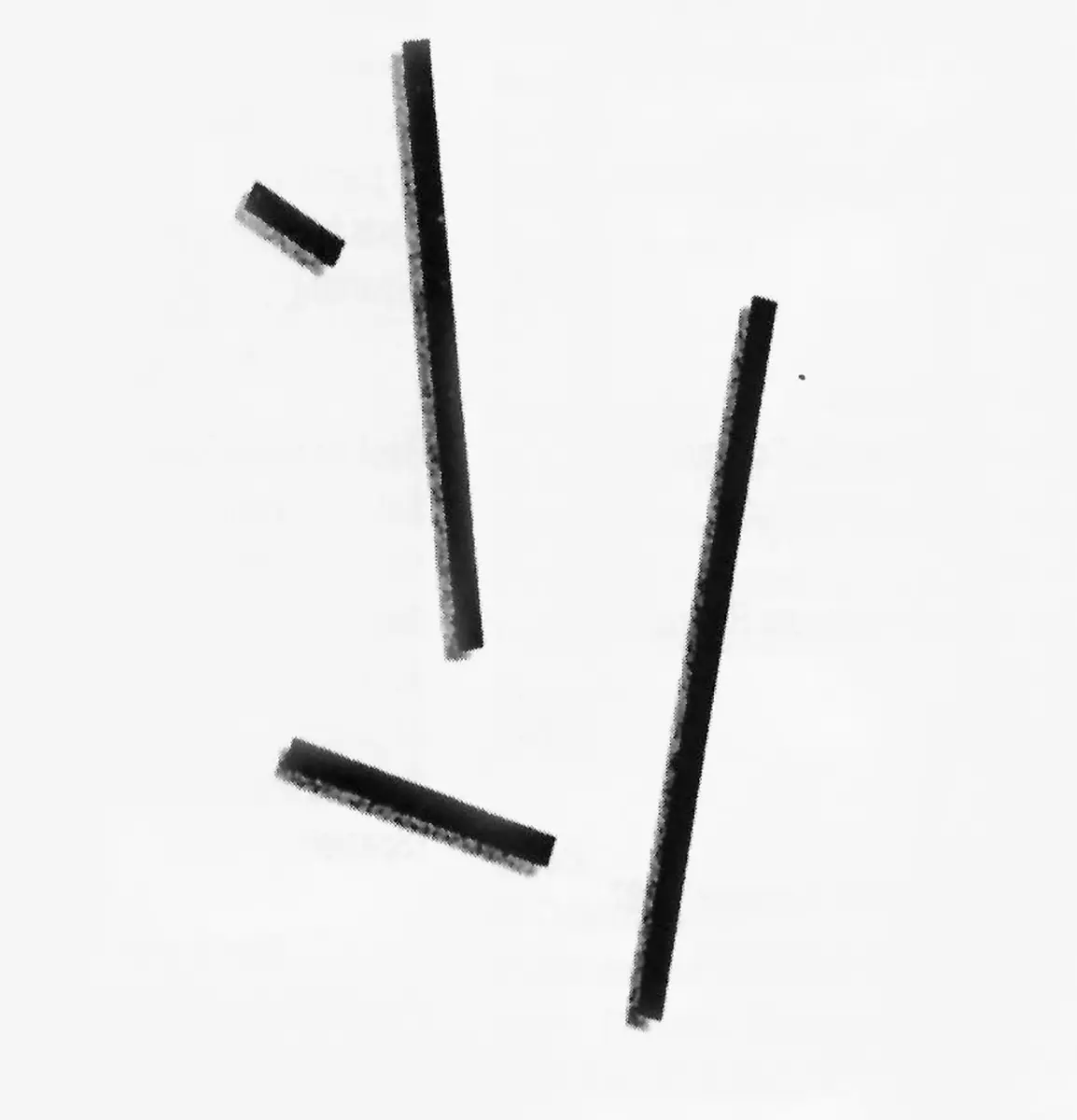
The antecedents can be found in 1944 with the journal Arturo, the contemporary Madí Movement, and the White manifesto of Lucio Fontana. The originality of these proposals led Lozza and other artists, such as for example Arden Quin, to do work in cut-out shapes, as in Painting No. 15 (1945), a work in enamel and cotton tape on wood, from the collection of the Museum of Modern Art. This approach became famous through the work of European artists in the 1960s under the name of the shaped canvas.
The elimination of the window frame was based on the fact that the work was integrated into the wall, the basic concept is that it is a mural painting that becomes part of the architecture. The works thus presented were sketches that would be transferred to the wall in the future, and which would be valid in themselves. This proposal did not change, as can be seen from Painting No.1056, dating from last year. It was interesting to note in his early work how figuration sometimes took him towards the goals of socialist realism and sometimes towards modernist conceptions of a surrealist kind.
In addition to re-assessing the work of one of the protagonists of the avant-garde movements of the 1940s, this show clearly confirmed that his works are much more than historical documents and have retained their freshness and vitality.
ALBERTO COLLAZO