
The controversy surrounding the Eighth Photography Biennial coincided with a key moment in the expansion and redefinition of the possibilities provided by this medium. The decision by the jury this year to present a Salon of excellence rather than a national thermometer of photographic creation was reflected in the fact that only 5 percent of the proposals received were selected. The "excellence" in this case was conceived as the capacity to endow photographic technique with sufficient aestheticizing values to allow it to make autonomous artistic proposals.
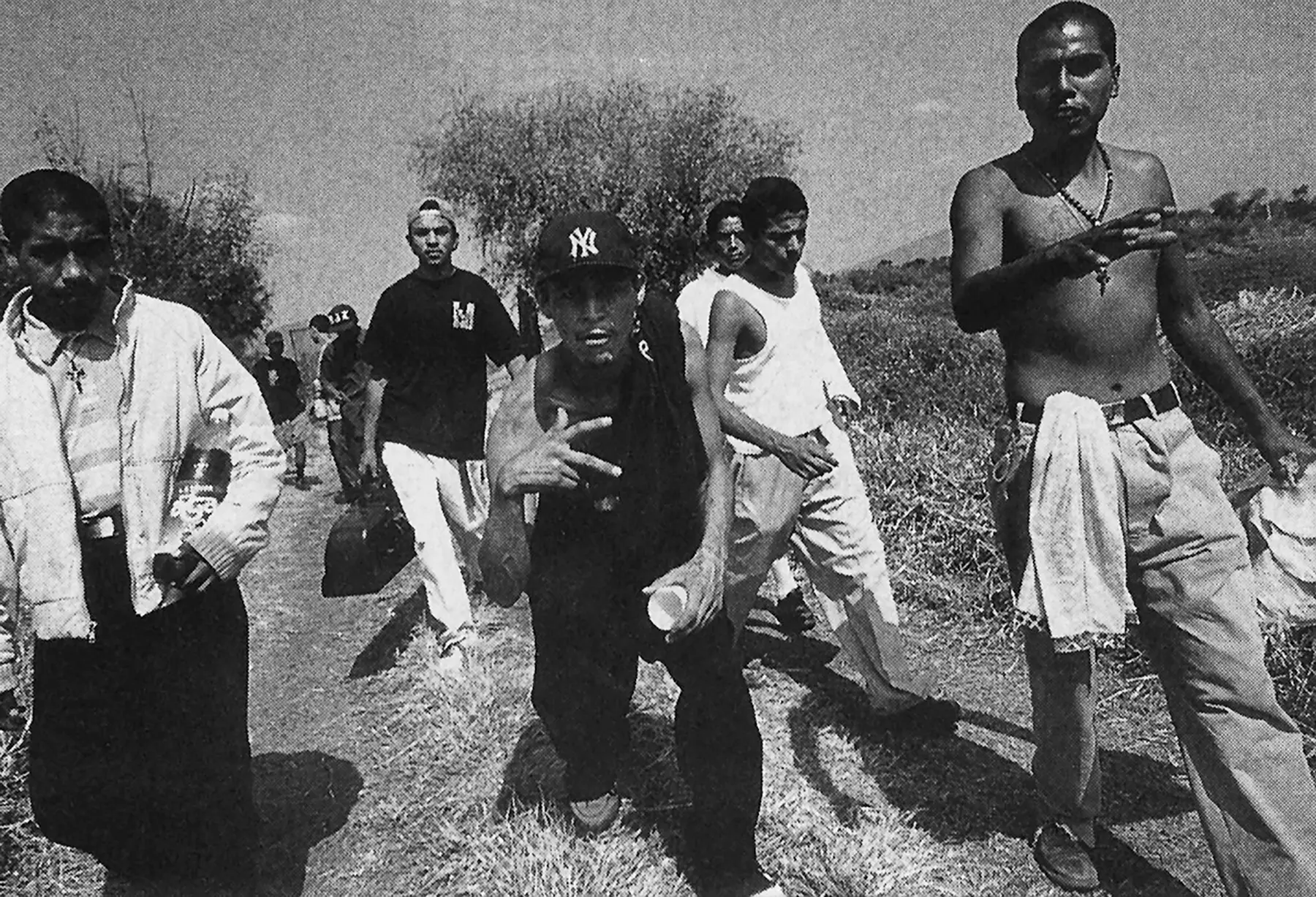
In this respect, it is noteworthy that only three series of photographs made reference to concrete reality which could to some extent be documented through the lens, and even here there was a clear aesthetic treatment of subjects: West Side Kansas Street Gang by Dantes Busquets (honorary mention), From the Street to the Studio, by Pedro Slim (Artistic Creation Encouragement Prize) and Tabaco de los Huicholes Nayarit, by Adrian Mealand. None of these proposals offered a condescending view of the respective subject, an attitude which is unfortunately common to a large number of contemporary photographs of indigenous peoples, marginalized groups, or "excentric" figures which, moreover, continue to base their proposals on the "exoticism" of their subjects.
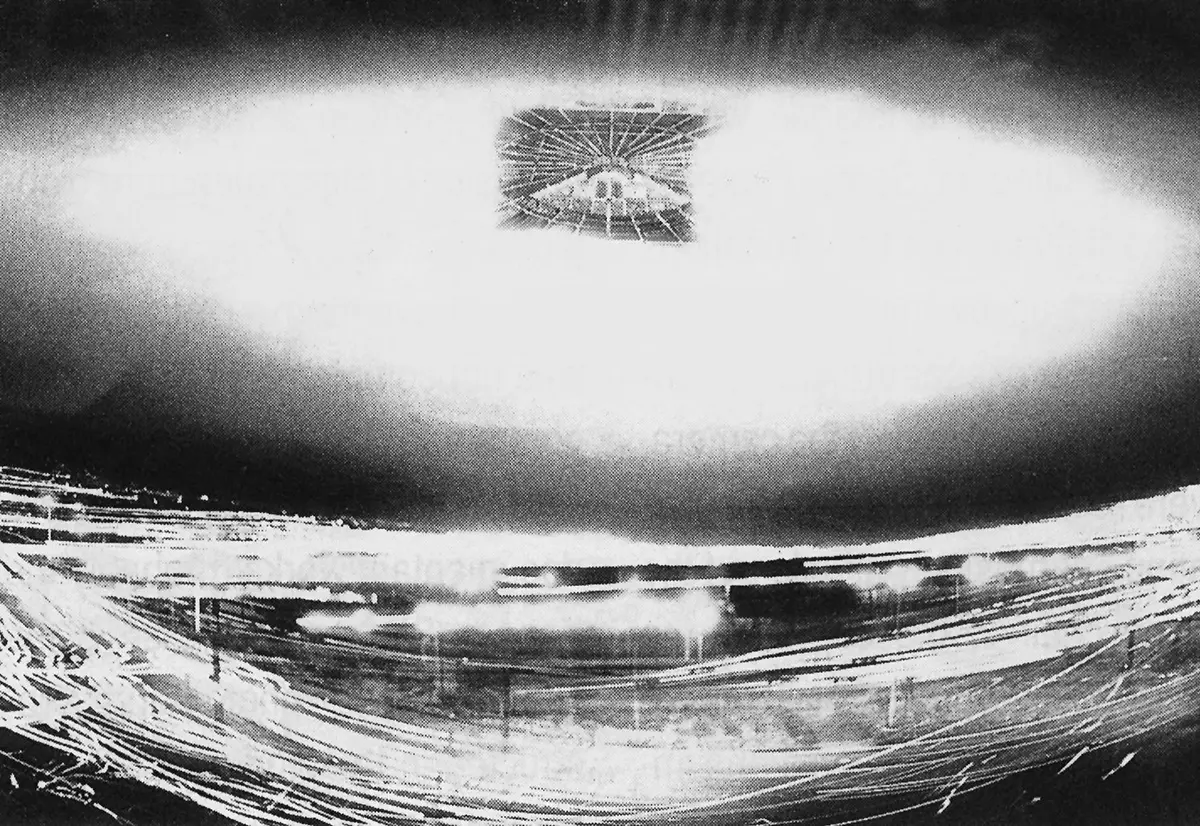
The reiteration of photography as an artistic medium did not however result in the excessive transgression of plastic language. The only photo-installation presented in the Centro de la Imagen was a work titled In Some Place by Keiko Ito, in which the evocations conjured up by the re-placing of the chair presence in different contexts, and recorded by the camera, were reinforced through the installation —surprisingly simple— of the same chair in the center of the room, obliging us above all to make a new reading of the meaning implicit in the series of photographic images. There was also a certain kind of emphasis on the almost pictorial possibilities of the manipulation of photographic techniques, reflected in several series which suggested a resignification —through their formats and themes— of the intimate and everyday qualities characteristic of the best examples of the still life genre.
These included such works as the series Bed by Jessica González, or the pieces titled Avisenme Cuando llegue by Egmont Contreras. Most of these series —if not all— were small-format silver gelatin prints, which highlighted the sense of detail, the quality of the printing, and in some cases the profusion of the photographed objects.
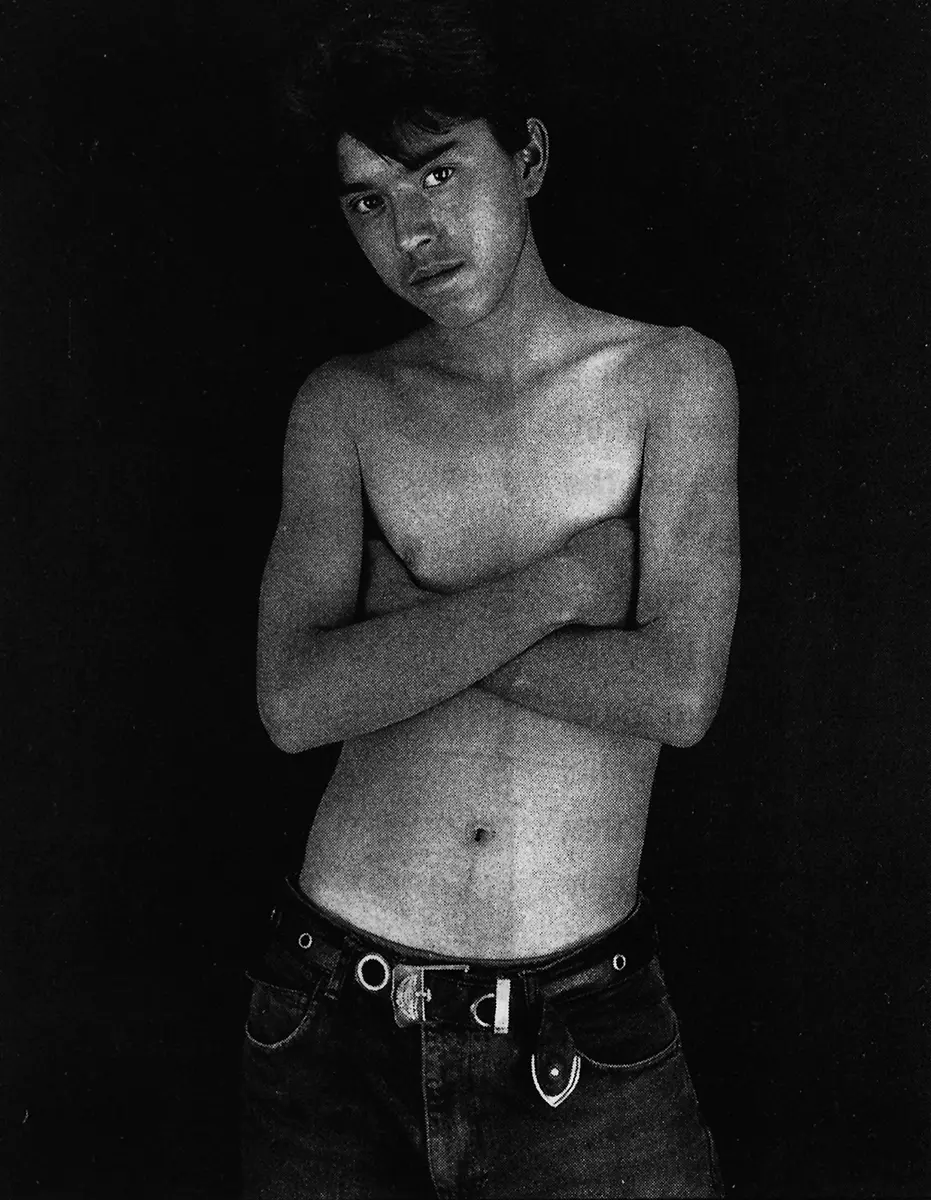
At all events the critical sense was not completely lost, although contrary to any facile supposition, it was not emphasized in the more documentary works (probably the Kansas Street Gang case is the exception) but in photographs constructed in the studio. There was for example the series Play it big, pretending that you are big in which Alejandro Guzmán, using little toy figures, depicted key moments in contemporary national reality, such as the assassination of Colosio, the drug trafficker, the events of Aguas Blancas or the problem of illegal immigrants. In this way, the ludic aspect of the objects becomes almost sinister when the artist, in manipulating the photographic textures, seems to play with the reality of both the little figures and the actual events. In this case, what is real is to be found in the convergence between the specific events —surreal in themselves— and their toylike reconstruction.
Another specific criticism of the environment was made in the series by Moy Volcovich titled Democracy in fashion or the fashion that suits you. Here the artist paraphrased the paradigmatic advertising images of recent years: the aesthetic values of a brand of cosmetics or a line of clothing by a celebrated designer are grotesquely transformed by the inclusion of models who have little to do with the world of top models or the heroine look characteristic of the spectacular spreads to be found in contemporary fashion magazines and who force us to look directly at the reality of millions of ordinary people who inhabit the planet.

In general, and despite the variety of printing techniques and handling of images —ranging from xerox copying to chromogen printing and including traditional silver gelatin prints and the use of electrography— it was the photographic principle that prevailed in this show, images conceived strictly as photographs. There was in fact coherence in the strict sense of the term in the selection, which on this occasion went beyond the direct photography/constructed photography dichotomy towards a preference for artistic photography and the definitive abandoning of documentary photography —to the detriment of a larger number of works and a perhaps more objective view of current photographic practice in the country. It is difficult to believe that the general level of photographic practice— including artistic photography —in Mexico can match the overall technical and conceptual quality of the works on show at the Centro de la Imagen. Such a reflection helps us to understand the real dimension of artistic practice in the country.
ISSA MARÍA BENÍTEZ DUEÑAS