Last September saw the first anthological show of work by Elsa Gramcko (1925-1994) in Venezuela. Gramcko, who began her career with the rigors of formalism, subsequently developed an unusual style devoid of any kind of generic or temporal limitations which earned her a major place at the national level resulting in her representation of Venezuela at such major international events as the Biennials of São Paulo and Venice. From the early years of her career, towards the end of the 1950s, Gramcko plunged into the world of her imagination to create work that was dense, intimate, perspicacious, and rich in meaning. Her research —which was neither academic nor conventional– was already directed towards spiritual cartography in which each gesture revealed the search for the human essence, poetry reflecting her creative anguish and expressive needs.
This show titled Elsa Gramcko: An Alchemist of Our Times, curated by Juan Carlos López made rooms 1 and 2 of the Galería de Arte Nacional into a place of magic and metamorphosis. The clear and didactic montage, with illustrative fragments of interviews with the artist, highlighted her twenty years of intense work and journeys through the most arduous terrains of contemporary thought.
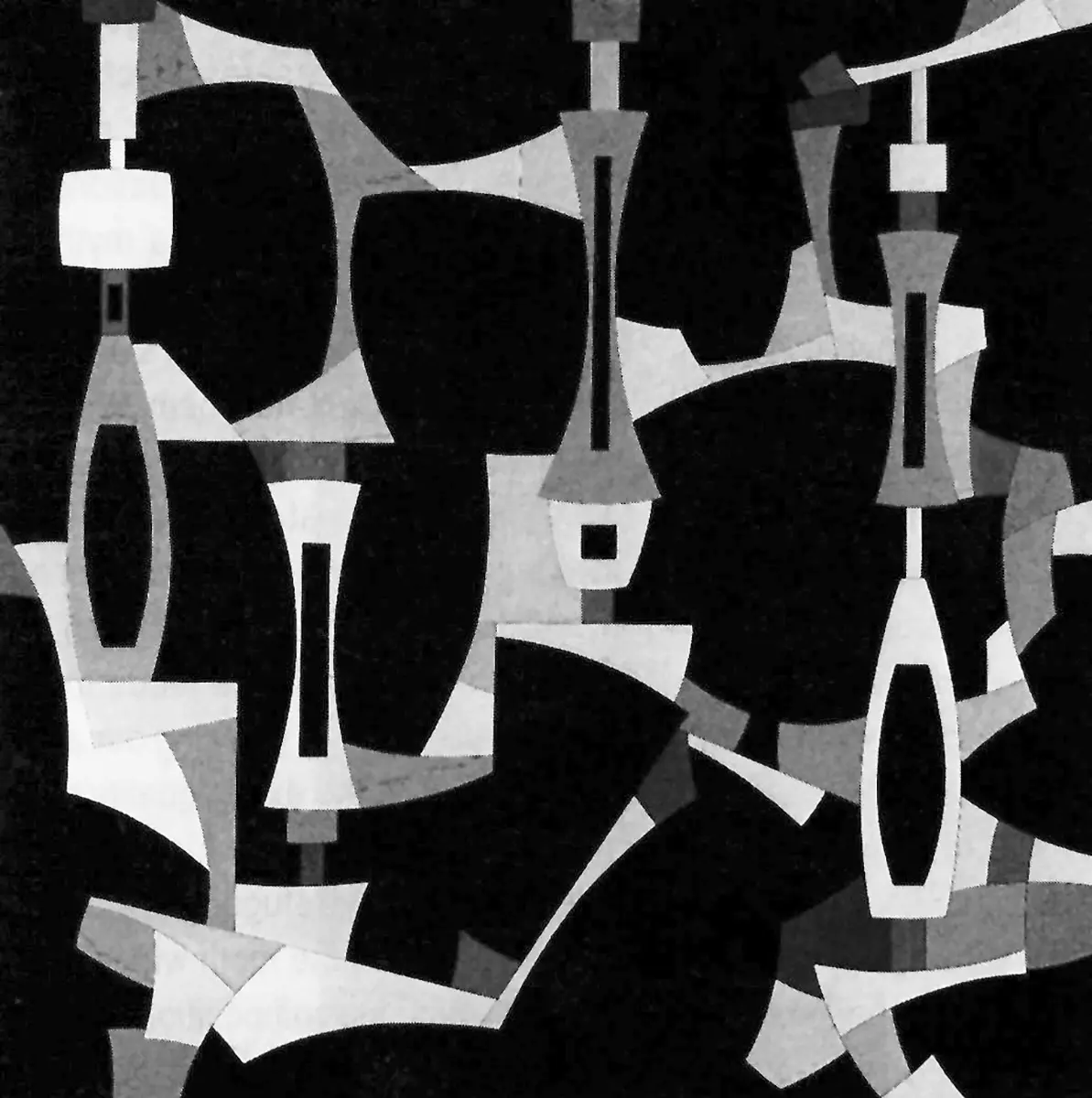
The exhibition began with the Geometrical Period (1957-1969), in which a multitude of sensual, lyrical, and colored forms acquired a sense of abstraction which was not interested in pursuing the discourse of the period, but preferred to echo the emotions and freedoms of play. This was followed by the Period of Textures and Black (1960- 1961), where her works became implacably black, revealing atavistic textures, occult worlds, and a definitive interest in abandoning the two dimensions of the canvas. Accumulators covered the third stage (1963-1964) in which she began to see her work in terms of the event, as an objectual mirror of a vital conflict between the urban world and intimacy and which would subsequently become all-consuming.
Between 1961 and 1962 Gramcko developed her Scrap Iron period, consisting of the accumulation of industrial waste materials which, like a kind of zoology of fantasy, created a textural, atmosphere of color and the palpable reality of sub-worlds which her technical and conceptual research reflected in her commanding collages. This was followed by Doors and Abodes (1964- 1966), a clearly poetic period in which Gramcko renewed her interest in figuration, although she now gave special attention to the expressive elements, found materials, and their inherent difficulties. There followed closely the artist's intense chronogram titled Animals, Eyes and Crosses (1966-1967), where an instigating eye appeared in the constructions like animals extracted from memory abandoned to the storm of desire, the vestiges of prohibited lights and worlds which subverted the logical order of artistic perception. The following period, Writings (1967-1969), was devoted to more traditional matters, in which the artist explored iconographies that were recognizable and appreciated at the collective level and which she endowed with an evident three-dimensional strength.
Finally, the exhibition included a section on Sketches of an artisan of our times (1974-1978), made up of assembled works with special reference to the object, word, and expressiveness of the materials. These last works were shown in 1986, eight years before the artist's death. This anthological exhibition paid a handsome tribute to the creative talent and consistency of this extraordinary artist.
JACQUELINE GOLDBERG