Although many art fairs may in the end be events for selling and promoting art, they also offer an opportunity for confrontation and meeting. A fair should be a means of establishing new proposals —not only in its content but as regards the very concept which gives it life— all of which should be reflected in its results vis à vis collectors and the public in general. With these remarks in mind, I should like to make a few comments on the sixth edition of the international contemporary art fair Expoarte Guadalajara’97, which was held from September 26-29th.
What does the collecting of contemporary art mean? This was perhaps the most important question raised by the fair. Or, what is happening to collect today in Mexico, Latin America, and the world as a whole? It is not simply a question of acquiring power and prestige, of being surrounded by objects which are historically and aesthetically important. There must be a sense of vision based on an effort to broaden our knowledge, understanding, and appreciation of our time through its art. Only in this way can such an obsession be justified.
In other words, an organization for the commercial exchange of art, in addition to involving institutional relations at the global level, must also make a commitment to the culture and the education of visitors and potential buyers. This is why the Fomento de Arte Contemporáneo (FARCO), the organizing body of Expoarte, complements its market-oriented objectives with the International Forum of Theory on Contemporary Art (FITAC), which promotes the academic discussion of subjects such as patronage at the end of the twentieth century. This year, FARCO launched an educational program that includes courses, lectures, and three traveling exhibitions, in addition to agreements with the Museums of San Diego and Santiago de Compostela for a major exhibition in 1998. Further, the fair provided an opportunity for continuing its cultural enrichment with the acquisition of 14 works for a Kunsthalle which will, according to its director Pablo del Val, endeavor to represent the most avant-garde tendencies of multinational contemporary art.
This year, however, the fair did not appear to achieve its high objectives, despite the almost 16,000 visitors, the greater participation by Mexican collectors, and the increased sales over last year. I believe that this lack of synchronization was due mainly to the content of the fair, but also to the distance separating discourse and reception, which meant that the fair left the avid eyes of the visitors largely unsatisfied.
With the exception of seasoned collectors, visitors to these fairs often lack the visual experience necessary to create their own mental picture, allowing them to contextualize what they see. The contemporary art collector, on the other hand, can choose works to match the objectives of their collection, determine whether a given work offers an exceptional opportunity, and whether there are any restrictions imposed by the artist or the gallery on its use, montage, or future use, and the costs involved.
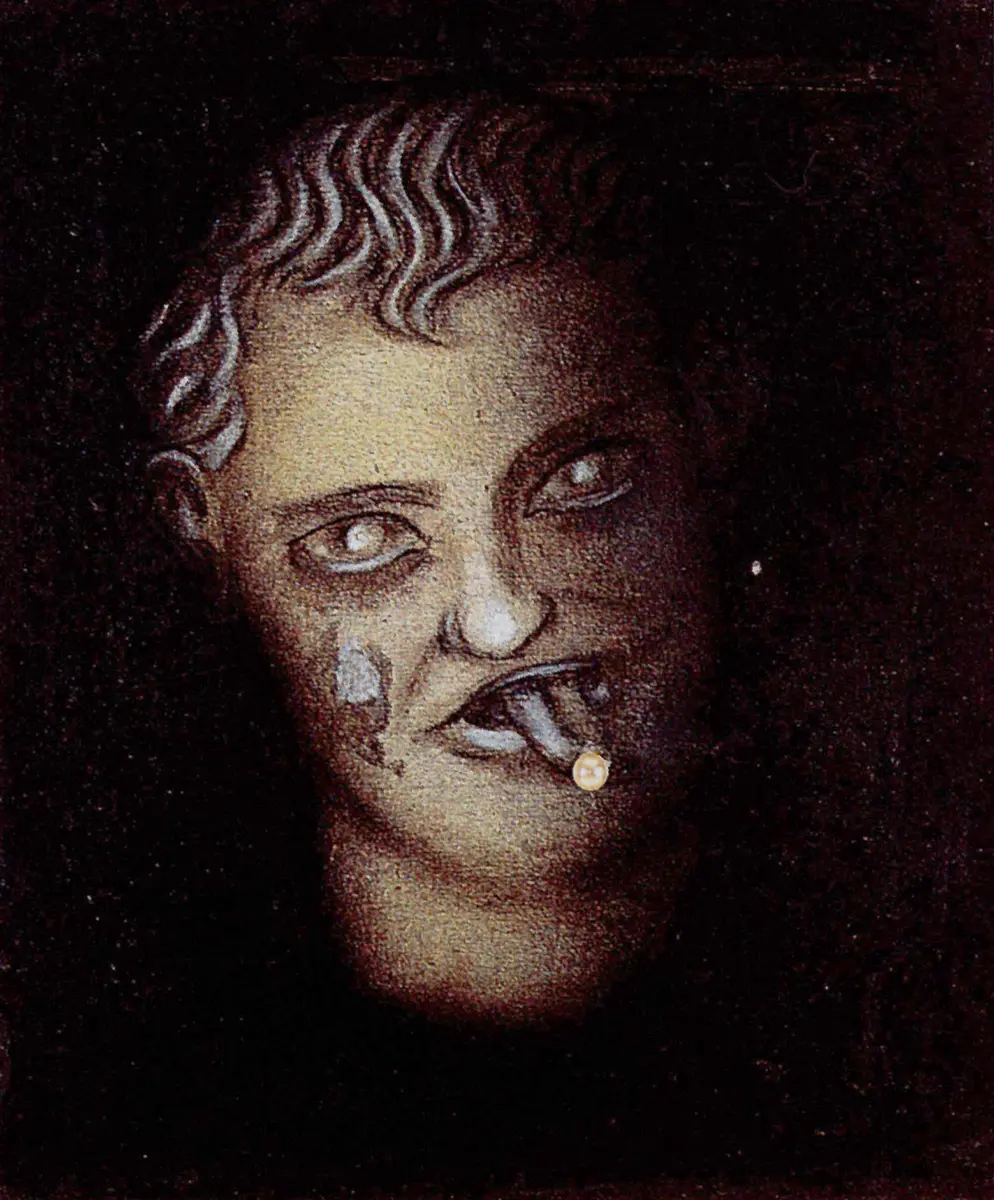
As regards the content of the fair, there was a predominance of photography and work in electronic and alternative media at the booths of the 81 participating galleries. It is obvious that these resources, by their dynamic nature, are posing an increasing challenge to traditional art. There were also a number of representations of sexual degradation in its grotesque and/ or perverse aspects. Since we have now gone beyond irony and sarcasm, all that is left for the artist is the degradation of the object. What previously had an impact is no longer a source of astonishment. Thus grotesque elements were exalted to the point of becoming senseless, showing, for example, the deprivation of sexual intercourse with a young child. The perversity of a question like: Who is the artist and who is the gallery owner? Both are naked and play as master and dog in a photograph at the Carles Poy Gallery from Barcelona; or the repulsive caricature image of a goat with a T-shirt lying on its back with its testicles hanging down, a terracotta work by Saidel Brito at the Berni Gallery from the same city.
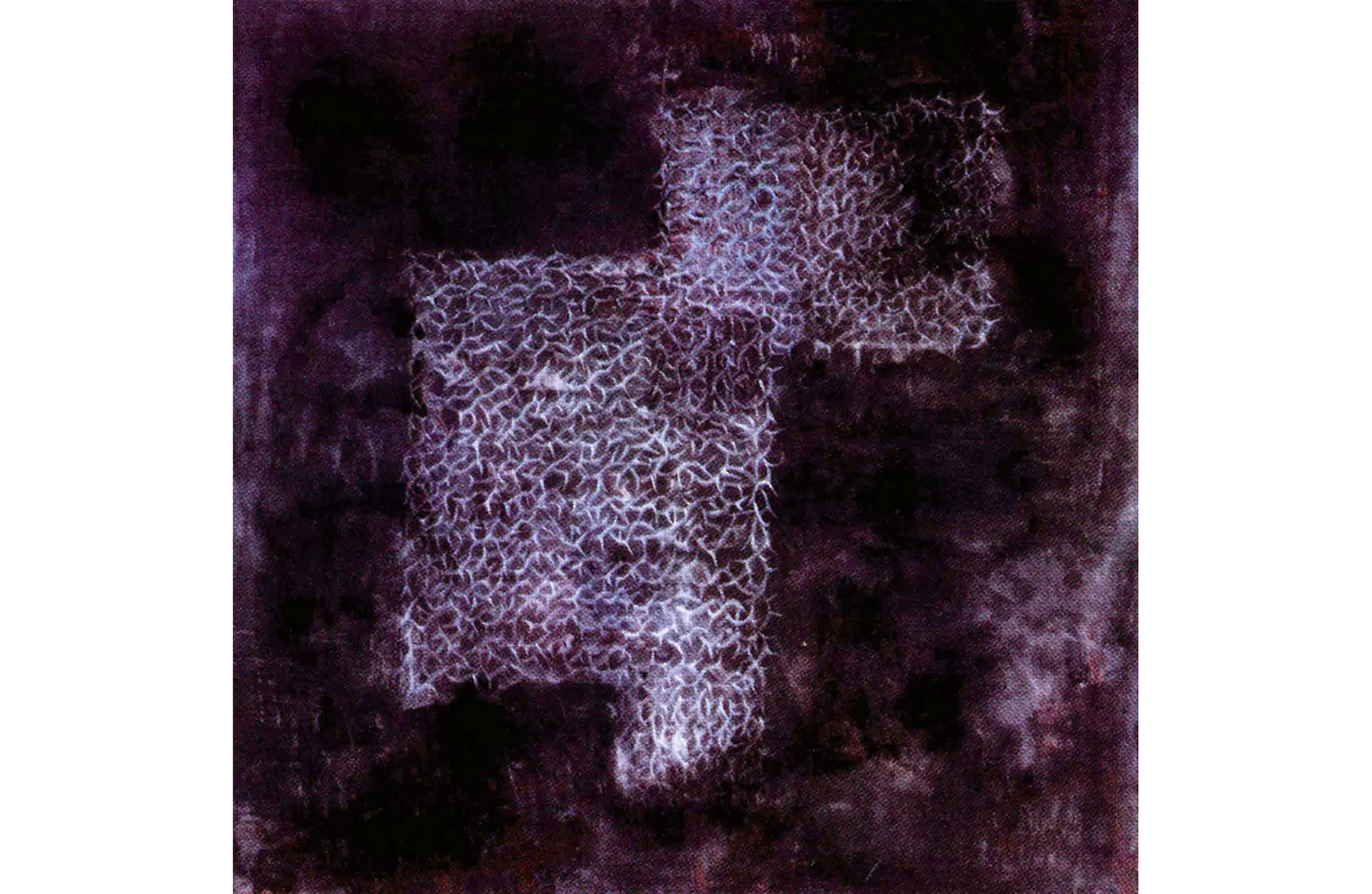
The fair included work by such recognized artists as Guillermo Kuitca, Julio Galán, Doug Hallo, Eduardo Medici, Thomas Hirschborn, José Bedia, Jim Hodges, Cildo Meireles, and Armando Morales, among many others. Special mention must be made of the photographs of the Baltic Sea by Hiroshi Sugimoto, of which the Sonnabend Gallery from New York sold 25 prints. The Austrian gallery Gria Insam, in one of the best-placed booths, proved particularly attractive with its photographs by Alfredo Jaar and Uli Aigner. Ice Box (Venice) and Kapernekas (Athens) also presented photographs and works on paper, while Jacobo Karpio showed work by Fernando Canovas, Carlos Quintana, and Daniel Scheimberg, as well as many other galleries which would be excessive to list here.
Over and above the uneven nature of the work on the show, the future success of what may well become the most important international fair of avant-garde art in Latin America (the objective of its organizers) will lie in the efforts made to ensure its continuity and promotion, by extending its horizons and resources, both financial and cultural, with and outside the country. It is worth reflecting, however, on the actual foundation of an event such as this, in an attempt to open up new perspectives at the conceptual level and revolutionize our way of seeing and looking at the event. It would be useful to imagine a spatial proposal that is not necessarily reticular, where the organizers themselves are willing to break with the traditional arrangements of the market-techno-museographical uses of an art fair. It would be very interesting to search for other kinds of support which would invert the assumptions about continuous/successive/geometric/ reticular order vis à vis the chaos-imposition-attraction-repulsion-saturation of thousands of works crammed into a few square meters, for the visual delight of some and the monetary gain of others.
ANA ISABEL PÉREZ GAVILÁN