For just over ten years, painting in Venezuela has benefited from the stimulating presence of an artist of English origin who lives in the south of the country, in Puerto Ordaz, at the limit between the city and the jungle: her name is Natalya Critchley.
Critchley’s work is characterized by a renewed interest in the landscape in the broadest pictorial sense. That is, she does not show the immediacy of the real surroundings, the astonishing dimension of nature in the Amazon region, which is in the process of industrial transformation, but rather, an expression and image in which perspective, support, the discursive meaning of the lines, forms and contents give way to the reinvention of a contemporary vision of this landscape of Puerto Ordaz, which is as important as it is unknown to Venezuelans.
An urban landscape in the grip of industrial conflict, a tropical forest, and sense of delirium in a land of adventure (technology, the future), and the human remains of enormous efforts. It is a painting that occasionally moves toward installation and is normally expressed in large formats, like canvases hanging without any frame or border. It is not by chance that one of the most celebrated exhibitions of this artist was titled Stretchers (1991).
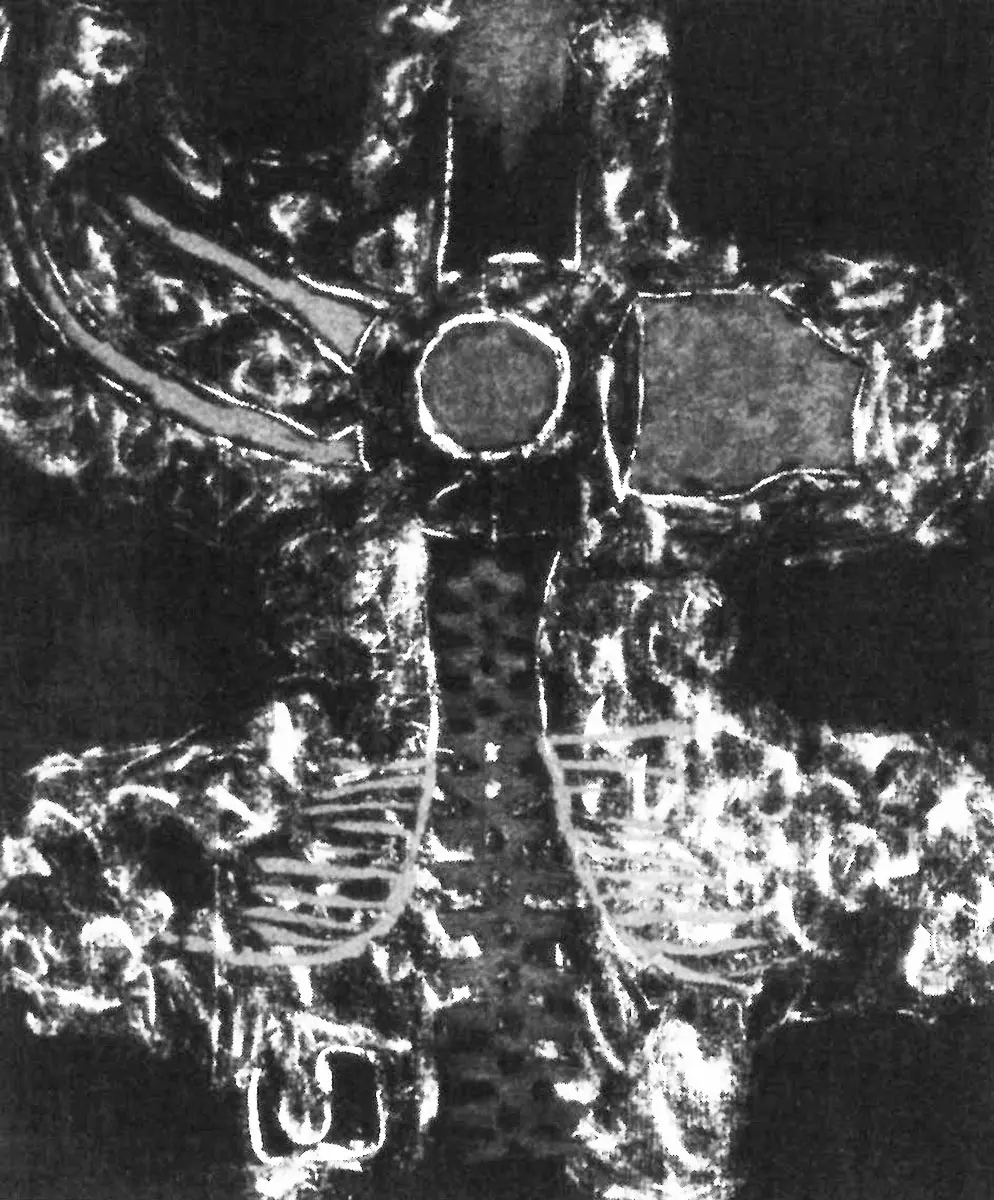
There is a pioneering spirit in her work, evident in the persistent presence of the streets, the gyrating cranes and mixing machines, and the elements of imaginary contemporary cartography. We have become accustomed in her work to seeing the industrial map of the south of Venezuela: enormous avenues, the reddish earth scorched by the sun and exposed by the excavations, the referential drawing of some mountain, the passing of the trucks, solitary traffic lights, tall cranes which also function as points of rupture or dynamism in the composition as a whole, the suggestive circularity of the scene, through the twisting streets or the course of a river, in short, the rich and intriguing overlapping of surfaces, both aerial and frontal, backed up by natural color, sometimes raw, reverberating, synonymous with the industrial region and the work area, although only the place was shown and not the names.
Now Critchley has just presented a show titled On the Edge of the Orinoco, made up of twelve oil paintings, at the Museo Sacro. The first characteristic is a change in subject matter: the river has acquired a presence, the stories of buccaneers (in the past and in the present) begin to emerge and the color becomes as light as in a print. Secondly, there is an interest in the motley image, in motifs that in their synthesis reveal a decorative intention.
Boat and Serpent and Export Products refer first of all to a figurative world in which two times co-exist: the past, represented by galleons, sea snakes, and the English, and the present, symbolized by cargo ships and the meaning of trade between men. Then there is a group of works which refer to primitive cultures, of a rupestrian kind, with certain earth red colors suggestive of printing on stone. Other works are called carpets by the artist and consist possibly of the fragments of ancient and modern legends from the area (the El Dorados of yesterday and today) and which, at times, seem to pay tribute to Matisse, with their broad arabesques, their use of blue, their sense of space, of signs that are both graphic and pictorial. Funeral Boat provides the link between the strictly figurative dimension with which we are already familiar and what the artist calls her carpets: a woman’s dedication to the postulation of the utopia of the image.
JUAN CARLOS PALENZUELA