The high desert city of Santa Fe, New Mexico, has been a popular tourist destination and an arts mecca throughout the 20th century. With a population of approximately 65,000, it is a bustling small town with a dynamic tri-cultural (Anglo, Hispanic, and Native American) heritage and an extraordinarily diverse arts scene.
Two of Santa Fe's most significant art institutions are the newly-opened Georgia O’Keefe Museum and SITE Santa Fe, both created with funds from philanthropists John and Anne Marion and their Burnett Foundation. Based on a Künsthalle-style model, SITE Santa Fe is a contemporary exhibition space that maintains no permanent collection. It functions both as an organizer and presenter of its own exhibitions and as a host of traveling shows. Originally conceived of as a biennial in the manner of Documenta, and the Venice and the Whitney Biennials, SITE Santa Fe, he has since initiated year-round programming.
The inaugural biennial, Longing and Belonging: From the Faraway Nearby, introduced SITE Santa Fe and its 18,000-square- foot warehouse space to the world in July 1995. The second biennial, TRUCE: Echoes of Art in an Age of Endless Conclusions, opened on July 18, 1997.
Curated by Francesco Bonami, the former US, editor for Flash Art International, TRUCE brings together 29 artists from 20 countries, representing every continent except Antarctica. The group is notable not only for its diversity, but also for its youth: only four of the 29 are out of their 30s, and several others are still in their 20s.
In his catalog essay, Bonami states that TRUCE is not an exhibition about peripheries and centers, it is not about multiculturalism and globalism, communication highways, and technology. TRUCE is a contradiction, a convergence of different contradictions within a space that itself contradicts the surrounding landscape. While multiculturalism, globalism, and technology may not be the direct subjects of TRUCE, the effects of these emergent regimes on societal and individual identity certainly are. Arguing that violence has become the primary transmitter of meaning and content in the modern world, Bonami extends the language of art as an alternative. Bonami's vision does not offer us the soothing fiction of the so-called global village, but rather something more provocative and questioning—a warehouse full of anxious objects and experiences.
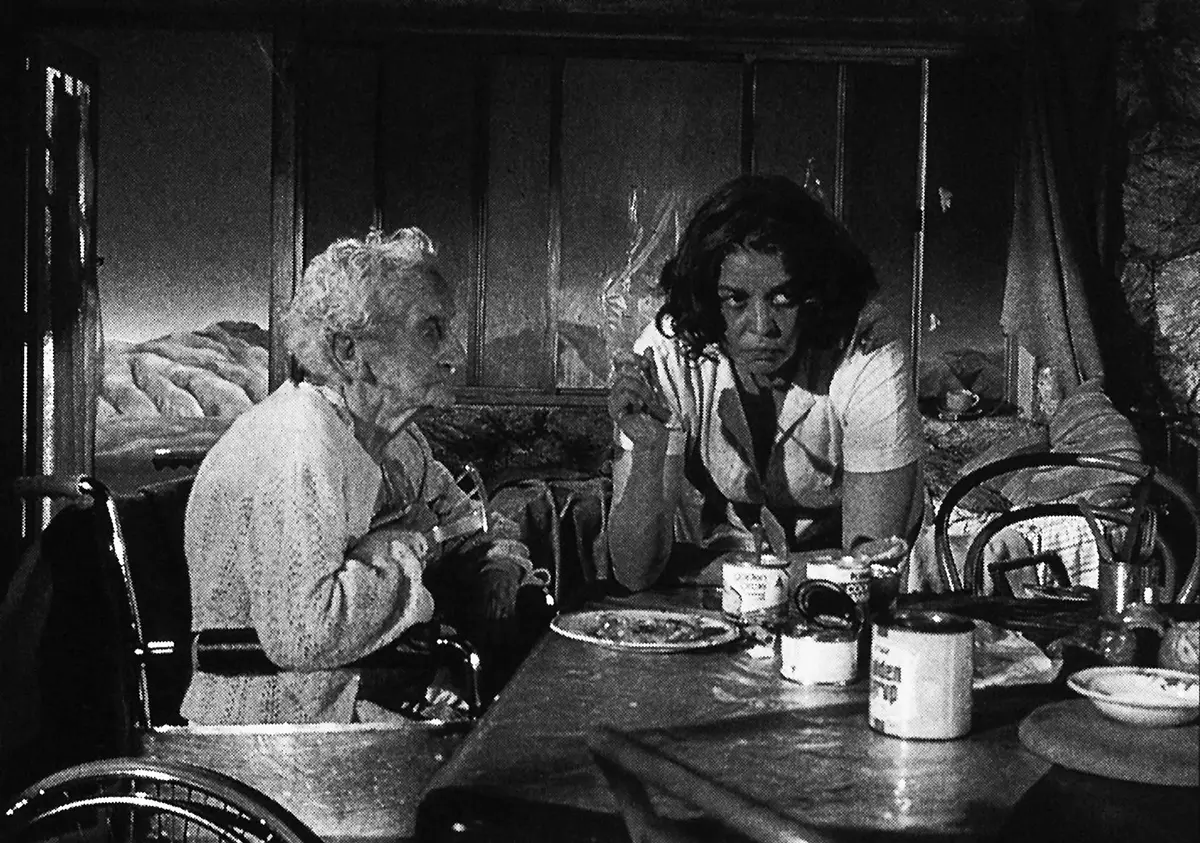
With scarcely any traditional sculpture or painting on hand (the exception being Elizabeth Peyton’s watercolors, Usomsak Krisanamis’ mixed media/collage paintings, and the tower of skeletal wooden boats by the Cuban Kcho), TRUCE'S emphasis is on installation art, video, and photography. Sam Taylor-Wood’s large multi-image video projection Pent Up presents a tableau of synchronized anxiety acted out by five agitated English people, while the Romanian duo subREAL evokes a bewildering night in Bucharest haunted by marauding dogs and spinning visions of Ceaucescu's monstrous palace. The South African William Kentridge weds images of surveillance and apartheid violence with Alfred Jarry's absurdist creation Ubu Roi. Australian Tracey Moffatt’s powerful short film Night Cries plays out a drama of devotion and despair between a daughter and her dying mother in a surreal Outback1 setting. Disconcerting environments filled with strobe lights, unsure footings, cacophonous soundtracks, and bad smells (the last emanating from Huang Yong Ping’s creepy insect/reptile/arachnid survival course) give much of TRUCE a distinct air of disorientation and alienation. The requisite element of sexual anxiety is provided by the Italian conceptual artist Vanessa Beecroft, who staged one of her signature performances on TRUCE’S opening night (which is to be replaced by a video installation for the remainder of the exhibition’s run).
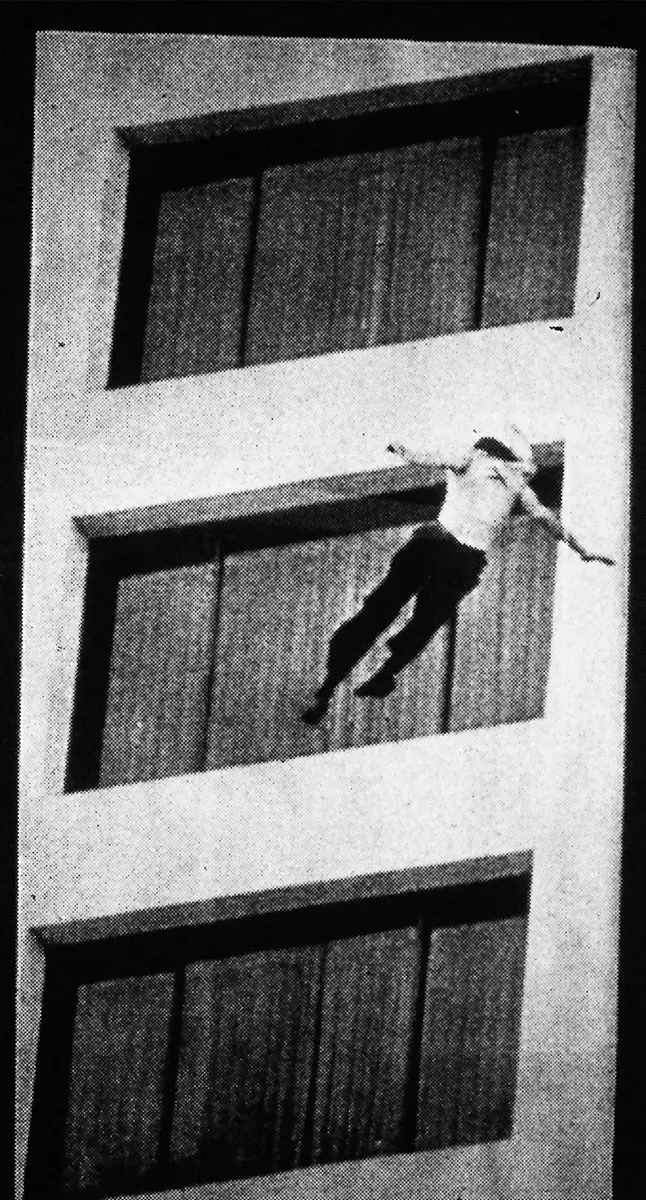
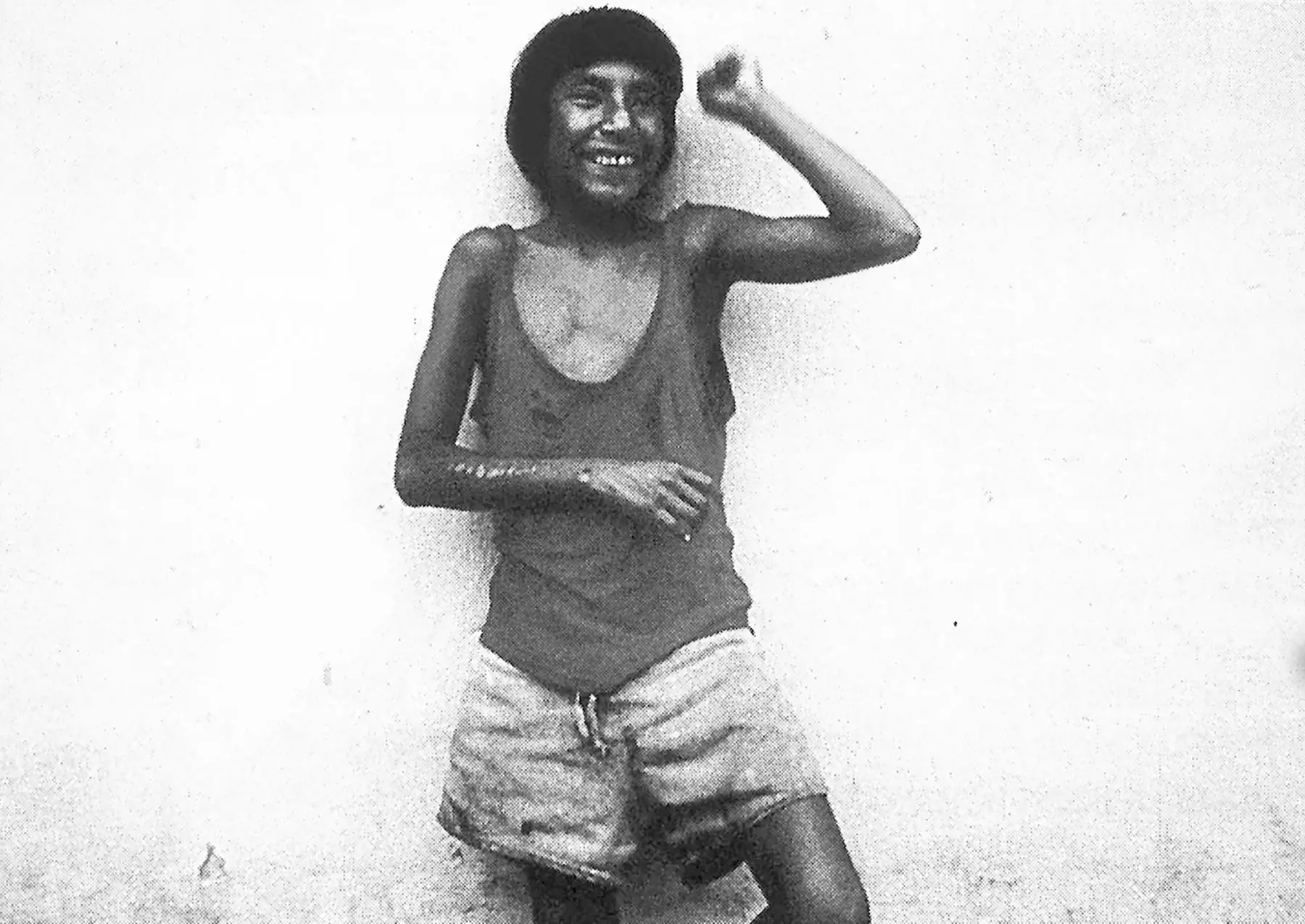
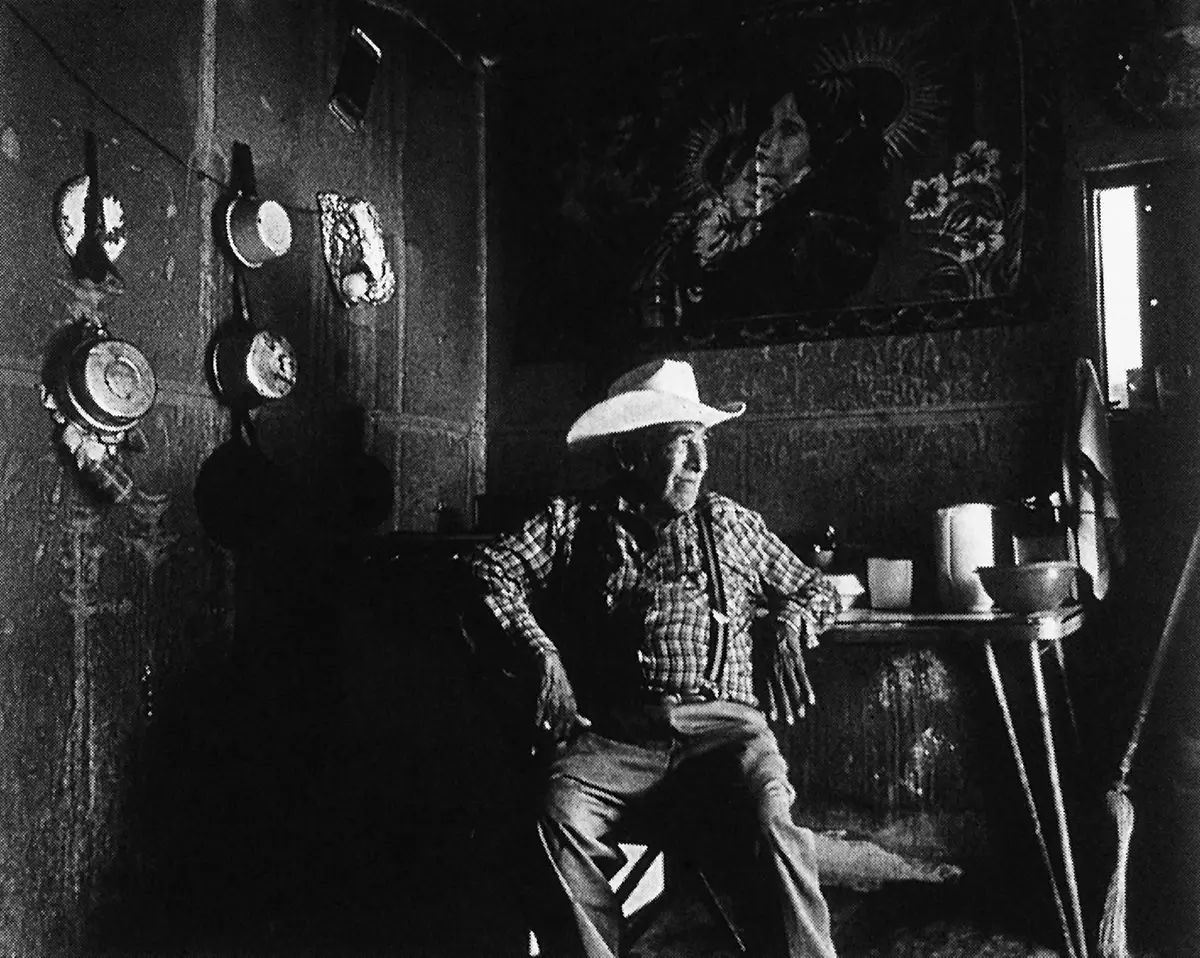
Some of the most moving work in TRUCE was that of the photographers Esko Männikkö (Finland) and Miguel Rio Branco (Brazil). Posing amidst the extraordinary clutter and decay of their rural Texas communities, the subjects of Männikkö’s portraits project a combination of serene resignation and dignity that transcends their impoverished circumstances. Branco’s Dialogue with Amau is a wall-sized montage of a young Brazilian street kid interacting with the photographer. The vibrant color of the images and the engagingly energetic, expressive demeanor of Amau defy the realities of death squads, cultural disenfranchisement, and crushing poverty. The image of Amau dates from 1983, and one cannot help but wonder what changes the intervening 14 years may have seen in this boy's life.
The contradictions that Bonami alludes to in his catalog essay are those of human life on a messy, riotously diverse planet, and the implied truce of the exhibition's title is the acceptance of those contradictions. The artists in TRUCE present a resoundingly humanistic body of work, and that is ultimately this exhibition's triumph— even if that humanity is occupied primarily with banging its collective head against the wall. The response of Santa Fe residents to TRUCE and SITE Santa Fe, in general, has ranged from bafflement and vague hostility to those who cannot believe their luck. Regardless, SITE Santa Fe continues to make a strong case for Santa Fe as a serious presence in the international contemporary art world.
NOTE
1. Outback: inhabited zone from Australia.
DAVID CLEMMER