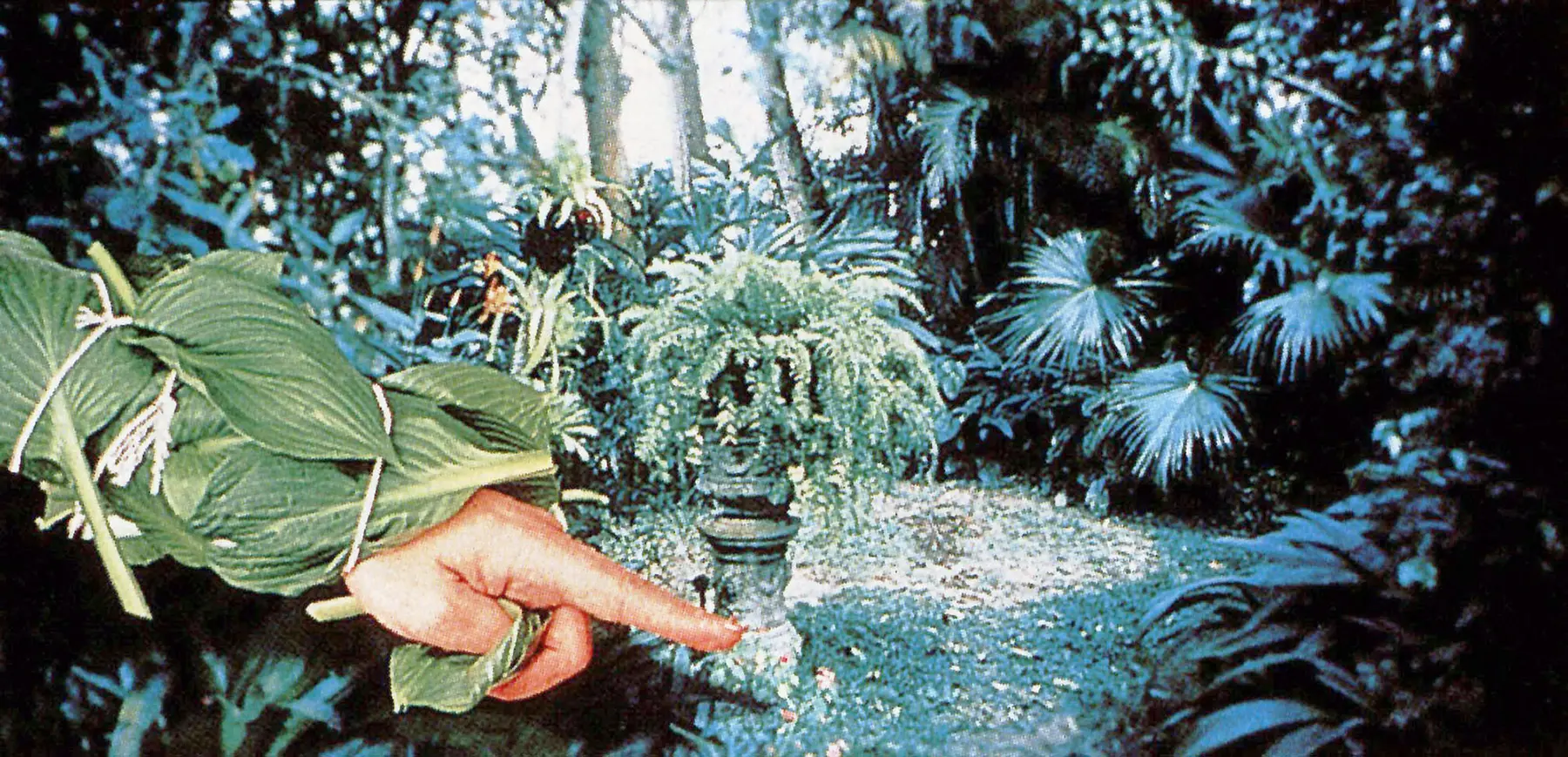
ARCO (short for contemporary ARt) is at once an art fair and a cultural event. A fair because there is buying and selling; art because the product being exchanged is the artistic object in all its manifestations; an event because of all the kinds of activities taking place there; and cultural because of the unparalleled gathering of creators, thinkers, spectators, and institutions dialoguing and evaluating the achievements and goals of artistic activity, inside and outside the event. It is important to recognize that there exist and persist curatorial criteria that raise the level of the fair to that of the interest of a more specialized audience. A summary and categorization of the visual and conceptual information offered might lack coherence but in sketching out certain routes, a certain sprinkling of its museographic character can be achieved, a fitting consolation for those who didn’t buy. We will note in particular the section of "Project Rooms," that of The Cutting Edge, the presence of galleries from Latin American countries, a bit regarding the works of young Portuguese artists, and certain discussions that never went into depth, led by critics, commissioners, and editors of note.
The "Project Rooms" were composed of about thirty solo exhibitions designed especially for ARCO and were presented by galleries invited by the organization that had received 50% percent off the total cost of the stand. Nearly half of these solo projects came from Latin America under the selection of Octavio Zaya, a commissioner since last year of “Latin America at ARCO." Rosa Martínez, the commissioner of the Istanbul Biennial, took charge of inviting the other participating international galleries. The Portuguese presence in the Portugal section was noteworthy; the country had been invited to ARCO 98 and its galleries were chosen by João Pinharanda. The corridor of the "Project Rooms" became one of the most interesting passages in this uncontainable fair.
Individualized spaces and emergent art
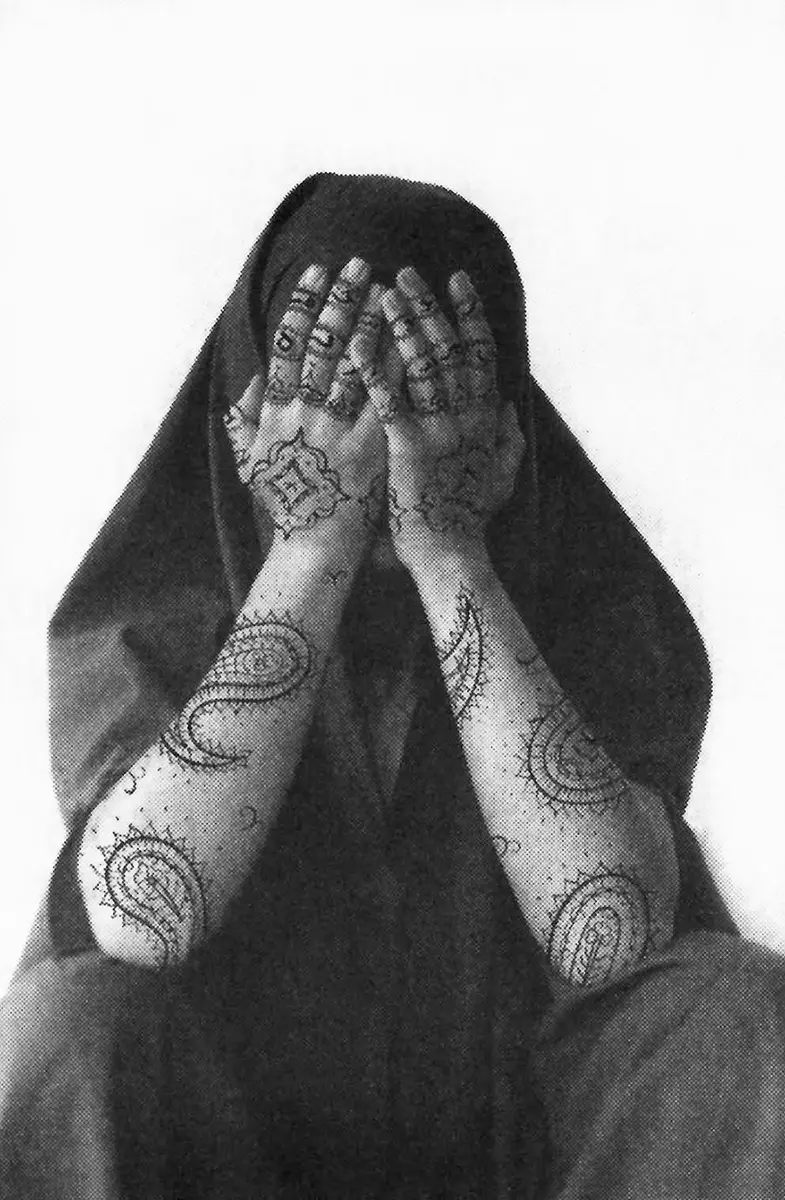
Perhaps the most complete, moving, beautiful, and heartrending artistic experience was that presented by Shirin Neshat, an Iranian artist living in New York (Marco Noire Gallery, Italy). This time the photographic codes of Neshat, which present the repression, exclusion, and violence experienced by women in Muslim societies, were translated into a cinematic format. Turbulent was an installation with two video projections facing one another, simultaneous and interactive. One projects a traditional Iranian singer interpreting a song, his back to an affluent, homogeneous, and masculine audience that applauds and praises him. The other video features a woman on the same stage which is now empty and silent. She performs guttural, melodic, and heartbreaking sounds as she composes an experimental song before an absent audience. This installation, emotional and painful, won the unanimous vote of an extensive, specialized jury that selected it as the winner of the Art and Health prize of the "Project Rooms" section, sponsored by the Sanitas Foundation. Turbulent was acquired by the Reina Sofía Center for Art.
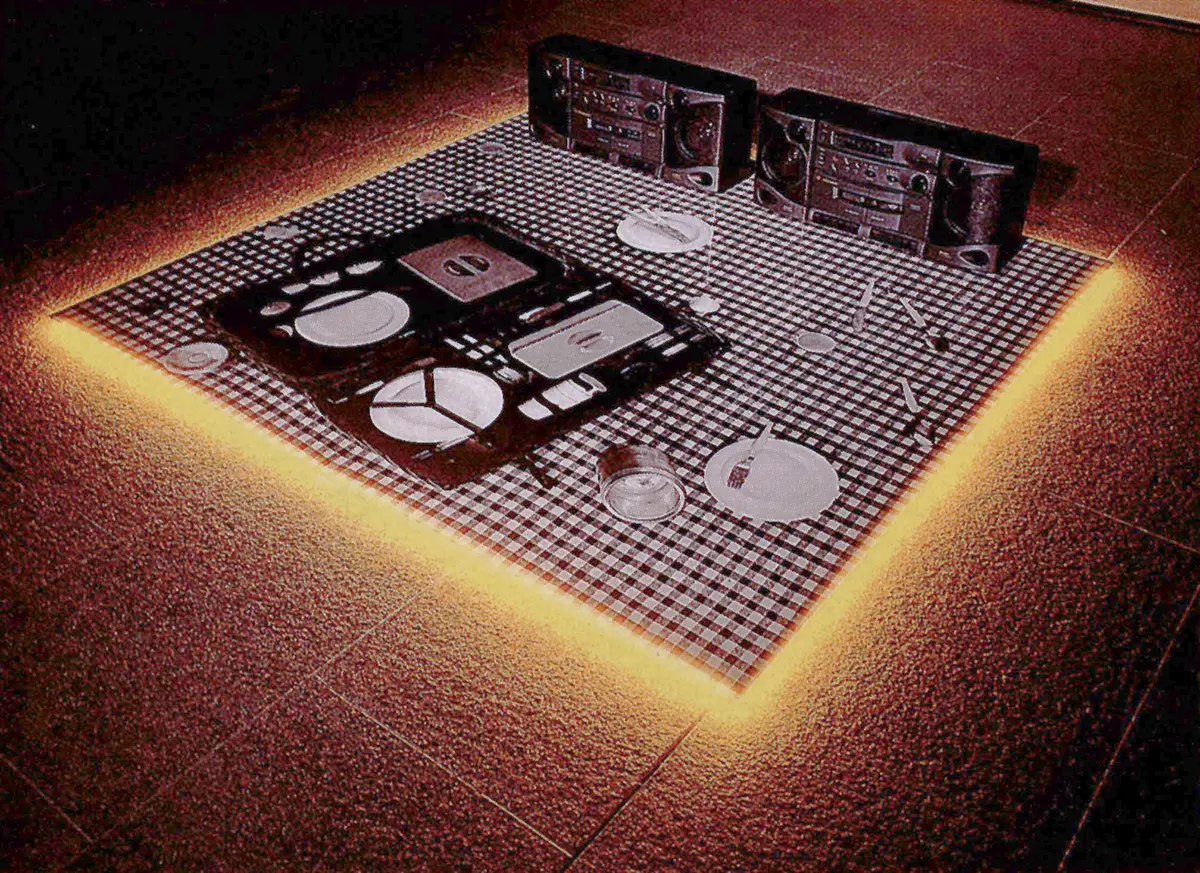
Other projects were on target in their use of the video graphics medium. Gerardo Suter (OMR, México) recreated on the floor of his darkroom a sort of crater made of lime from whose depths a figure in constant motion attempted to climb, escape, and free himself. Also from Mexico, the experimental space La Panadería was present at ARCO with a team project by their two artist-directors, Miguel Calderón and Yoshua Okon. Representatives of what Poliester has called Mexican adolescent art, these artists combine play, provocation, misbehavior, and informality paradoxically entering the commercial circuit and receiving recognition from the international art world. At ARCO they presented another of the public favorites: a sculpture composed of one hundred stolen car stereos behind which a video documentary was shown of one of the robberies being staged by the artists themselves. The budding thieves carried out their performance with emotion and enthusiasm in a high-class neighborhood in their city. They purchased the rest of the stereos in the black market of another, lower-class neighborhood.
Another important work that was right on the mark in this context was José Alejandro Restrepo’s (Valenzuela y Klenner, Colombia.) El cocodrilo de Humboldt no es el cocodrilo de Hegel (Humboldt's crocodile is not Hegel's crocodile)—a title that conveys the idea that the relativity of history—that of America in particular—depends on who is telling it. Thus he confronts the pejorative and Eurocentrist posture of Hegel toward American nature with the magnanimous vision that Humboldt grasped on the same topic. He presented a video installation as long as the 25-foot American crocodile Humboldt described, the same one that, in the eyes of Hegel, seemed smaller and less powerful than its homonyms in the Old World.
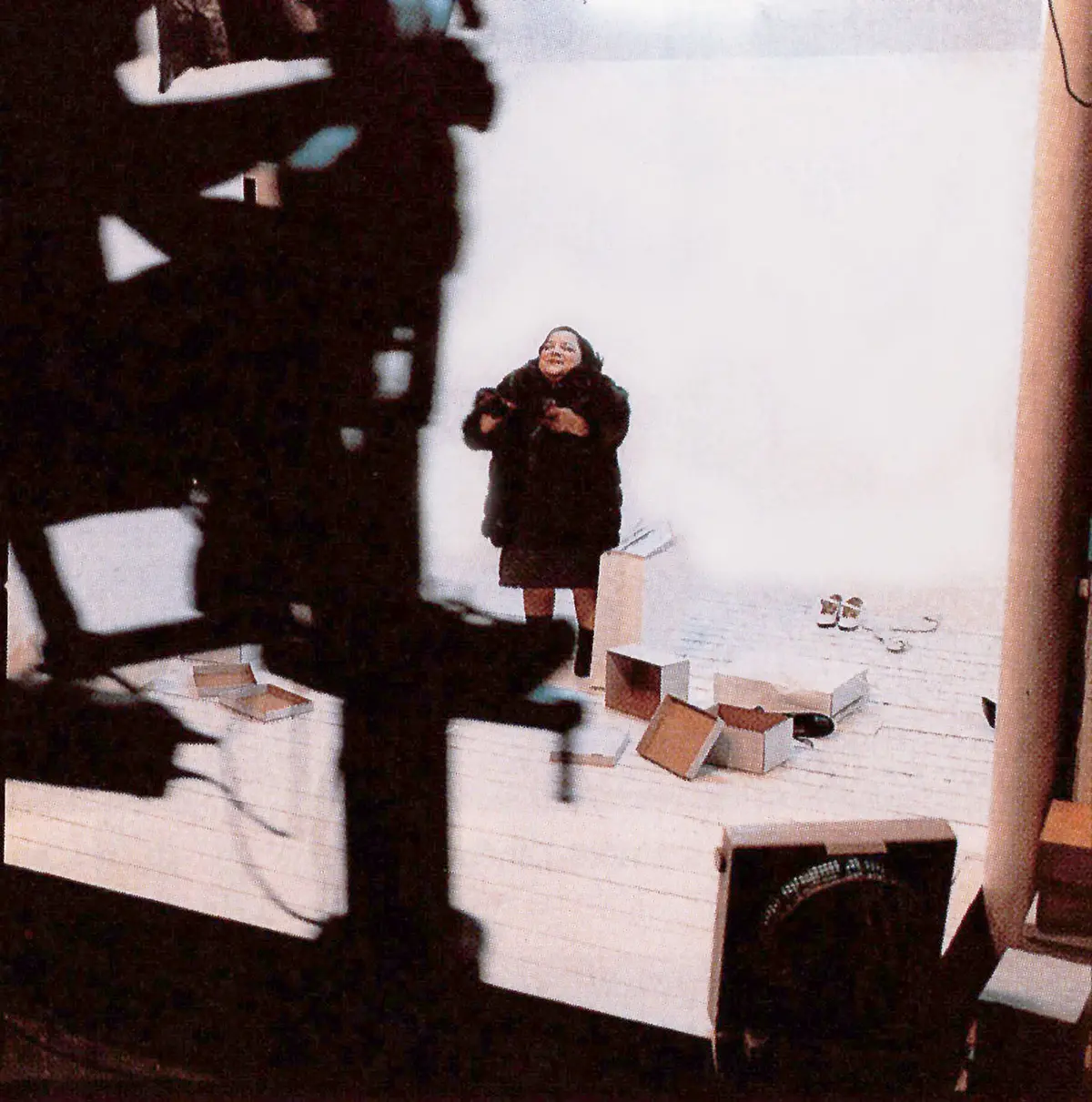
Jordi Colomer (Carlos Taché, Barcelona, Spain,) prepared a video in which the camera swung back and forth between public space and private space. A small, fat woman would enter and return to one and the other space carrying boxes, shoes, marmalades, and a carpet, and converting the reduced space of her house into truly impenetrable chaos. The very well-miked scenes achieved an audio-visual crescendo of the theater of the absurd.
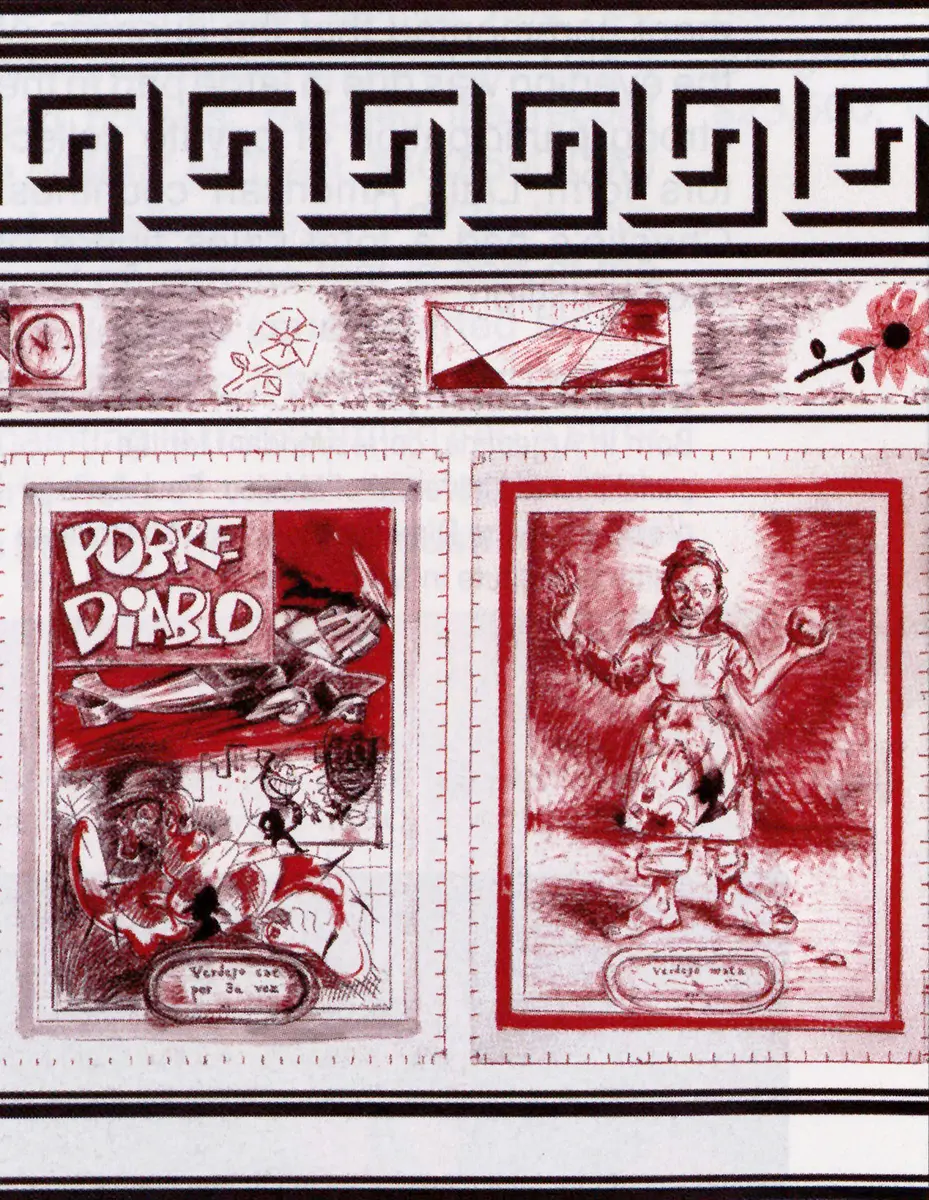
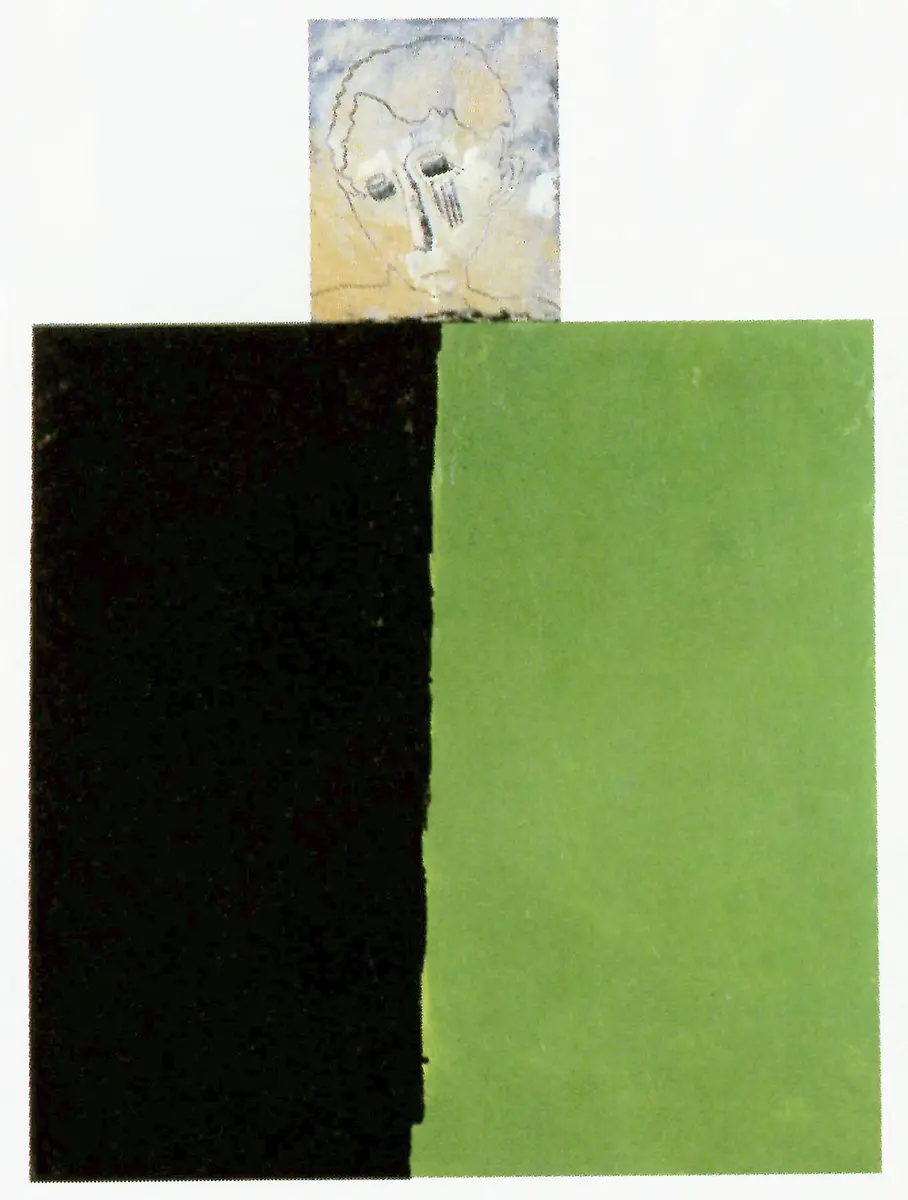
The Australian Greenaway Art Gallery presented the work of the Chilean artist Juan Dávila acquired (among other works) by the collection of the ARCO Foundation. The pieces were selected by Dan Cameron and Iwona Blazwick. Verdeja is a comic strip created in Chile in the thirties which Dávila recreates in a series of painting scenes of comics in a large format where the character in question is placed in the context of its whole life: the character is born, suffers, escapes, is tortured... and, finally, dies.
Los Carpinteros from Cuba (Iturrralde Gallery, Los Angeles) triumphed again, and their works Archivo de Indias (The Indies Archives) and Acceso (Access) came to form part as well of the ARCO collection. Also from Cuba, represented by Barbara Gladstone Gallery in New York, Kcho participated with his recurring work on migration and the personal situations in the face of contextual movements, this time using iconography of boat propellers and surfboards.
Also referring to his national, even continental situation, was Luis González Palma (Sol del Río, Guatemala). The violence people try to survive in the streets of so many Latin American cities and neighborhoods is suggested by the desolate photographic images captured through window bars and ringed with the names of brands of bullets that can be read on the walls like lethal advertisements. The near mythological beauty of González Palma's photographic work here transmutes the crude social scene where death is a daily threat, the senselessness of life.
Violence and pain also inspire Cuco Suárez (Vértice, Oviedo, Spain) presents the installation Cuco Suárez Inútil (Useless Cuco Suárez) or, in other words, the uselessness of Cuco Suárez. In a variety of images, the artist appears in a hospital bed, deprived of his natural functions while a torso made of clay is disintegrating as bottles of serum drip down on his head.
Two artists use the photo mural, playing with real space and transporting the spectator to another reality. Alfredo Sosa (Sala Alternativa, Venezuela) composes, several different levels of the same reality —emotional, spatial, and temporal— images that he finally prints in a large format and accompanies with bronze plaques in which he attempts to add the conceptual level while at the same time validating the images as history. Sosa is a sort of artist-theoretician who studies in depth the representation of his own ideas. On the other hand, Monserrat Soto (Luis Adelantado, Valencia, Spain) plays with a double trompe l’oeil by means of three photographs of windows blown up to actual size and through which can be seen landscapes and elements that suggest the construction of unreal histories.
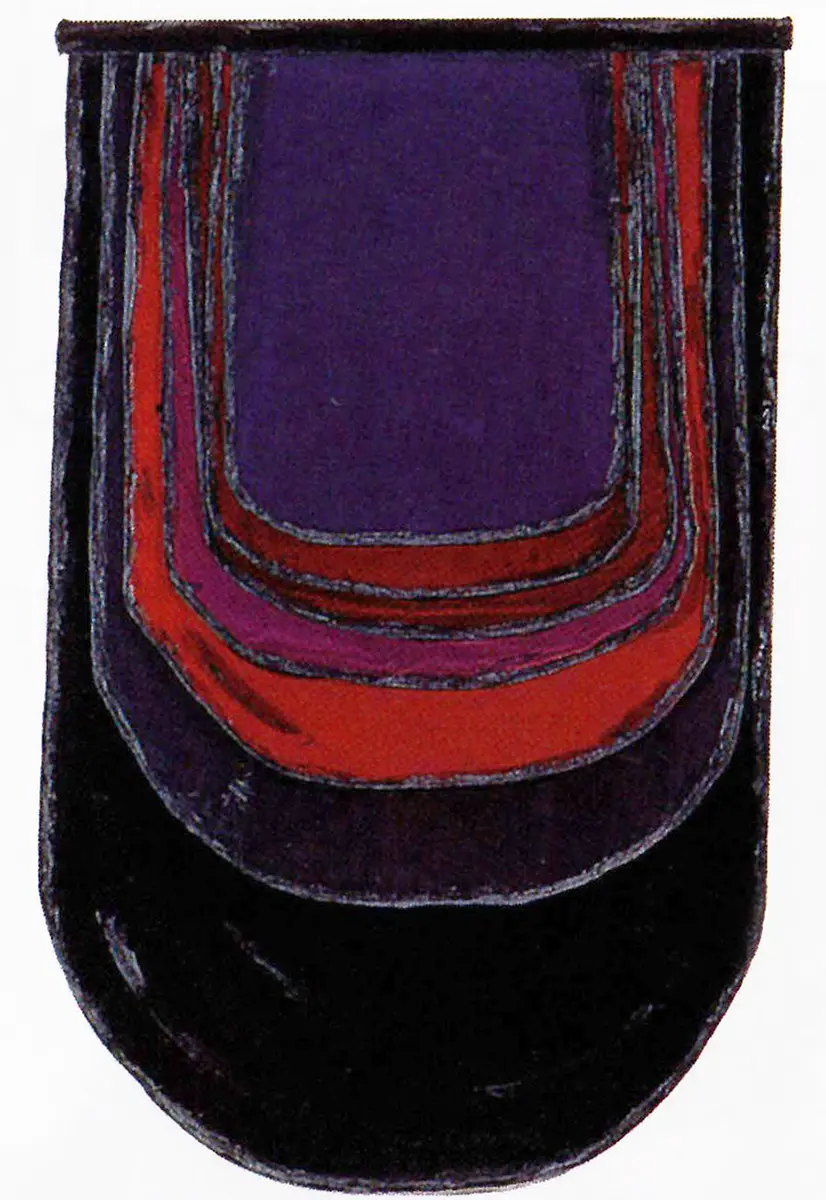
Along architectural lines, one could also enjoy the installation of Renée Petropoulos (Rosamund Felsen, U.S.) who, drawing and manipulating the flat walls of the space with construction materials, represents a three-dimensional space as if it had retracted into two dimensions.
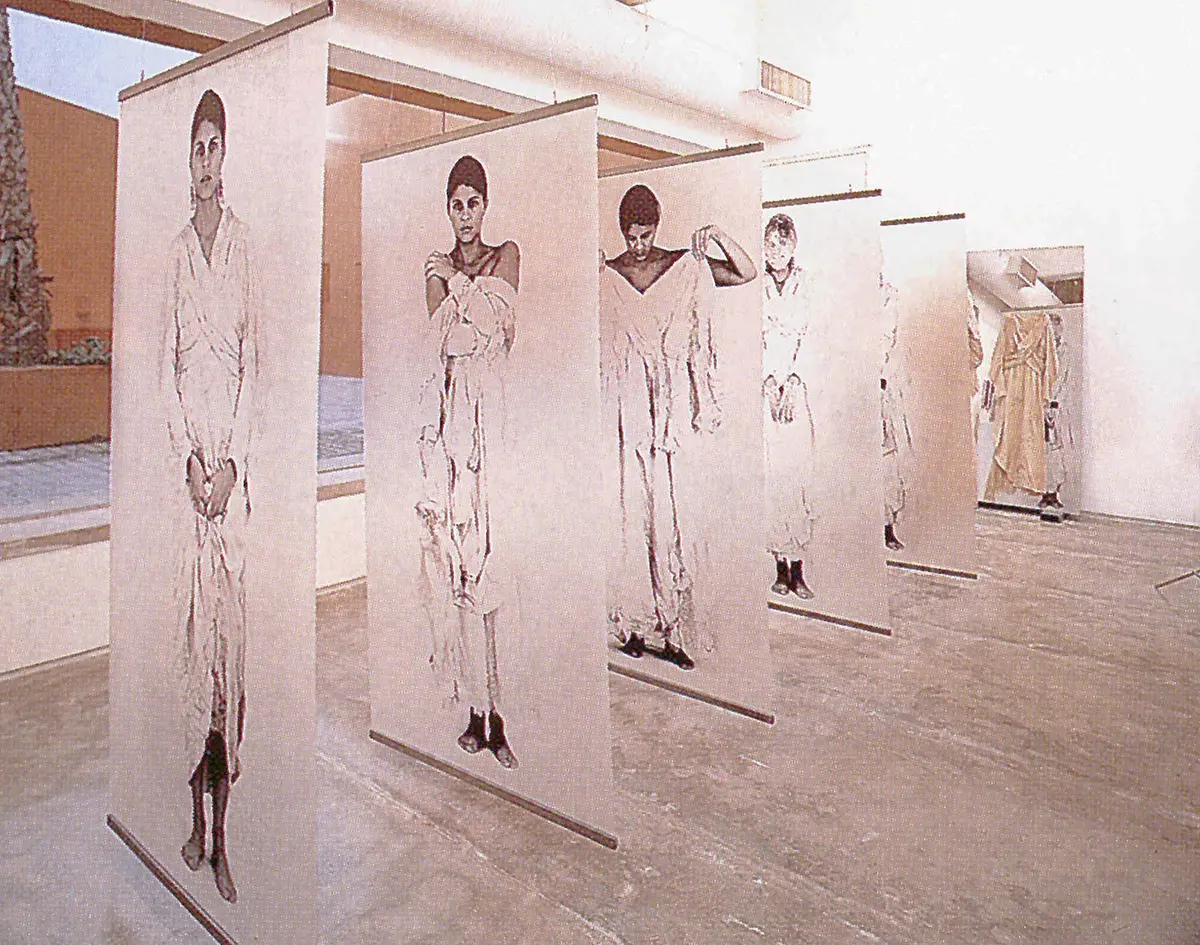
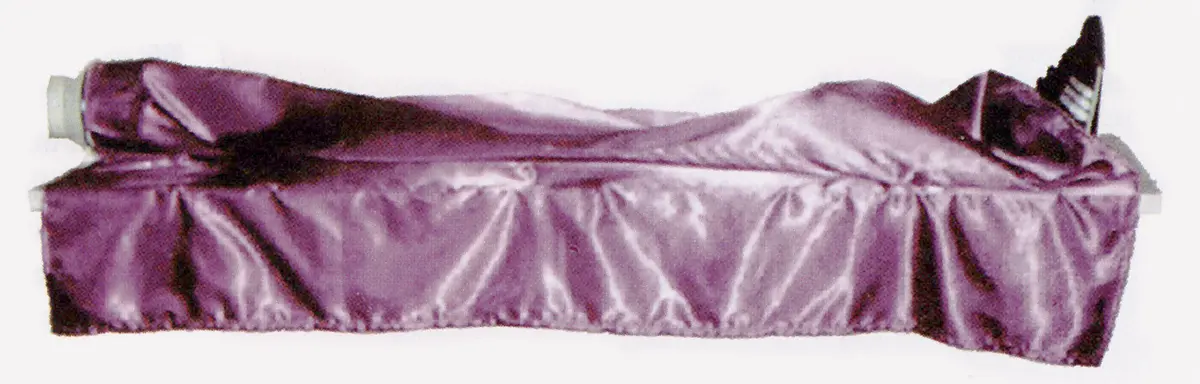
Finally, we shall spotlight the work of Pablo Reinoso, presented by the Argentinean gallery Ruth Benzacar. A sculptor-tailor, Reinoso constructs breathing works of architecture in his zeal to work with the air. Starting with ultralight materials and small fans, sorts of scenographies and wardrobes seem to take on life, recreating themselves as characters in a subtle, sensational theater piece.
Also worth mentioning is Cutting Edge, a program that has been part of the fair since 1996 that attempts to document the lesser-known scene of the moment in international visual art. The program presents young and emergent artists receiving little coverage in Spain.
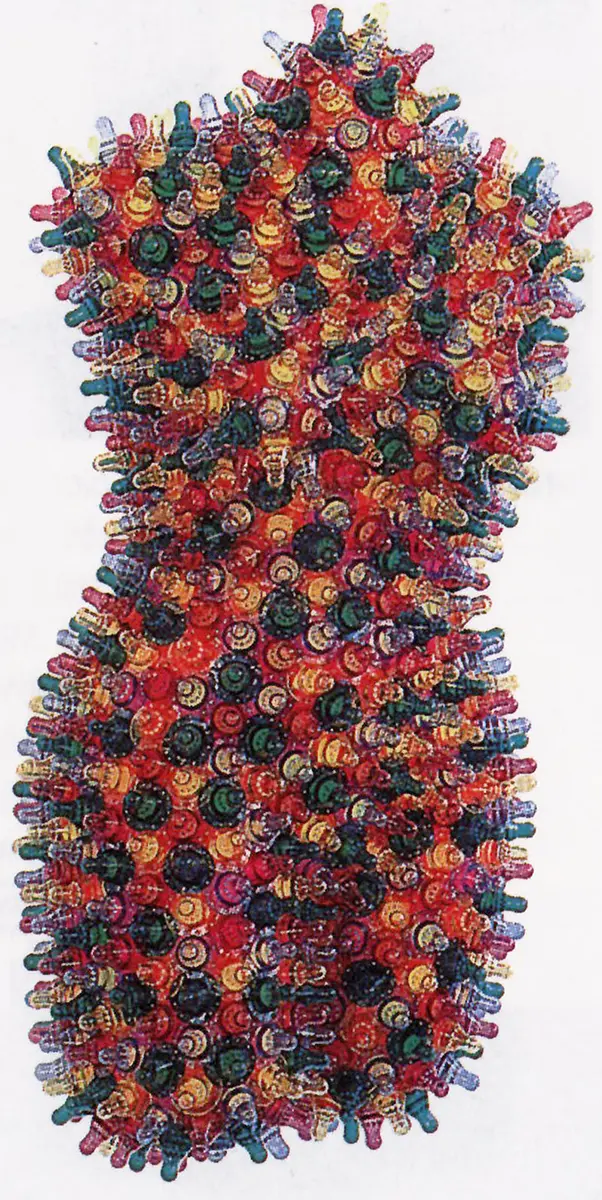
The Christopher Grimes Gallery in California, the U.S.A, one of the eighteen invited galleries, presented a clean and coherent booth with quality pieces that really stood out. One such piece was a mural by the Venezuelan Roberto Obregón who, just a year ago, had appeared in a one-person booth presented by the Venezuelan gallery Ars Forum. The Gandy Gallery —Czech Republic— which was the first Western gallery to open a contemporary art space in Eastern Europe, showed several unique sculpture assemblages by Wim Delvoye, built from birdhouses and sadomasochistic objects.
Latin America leaps into the eye
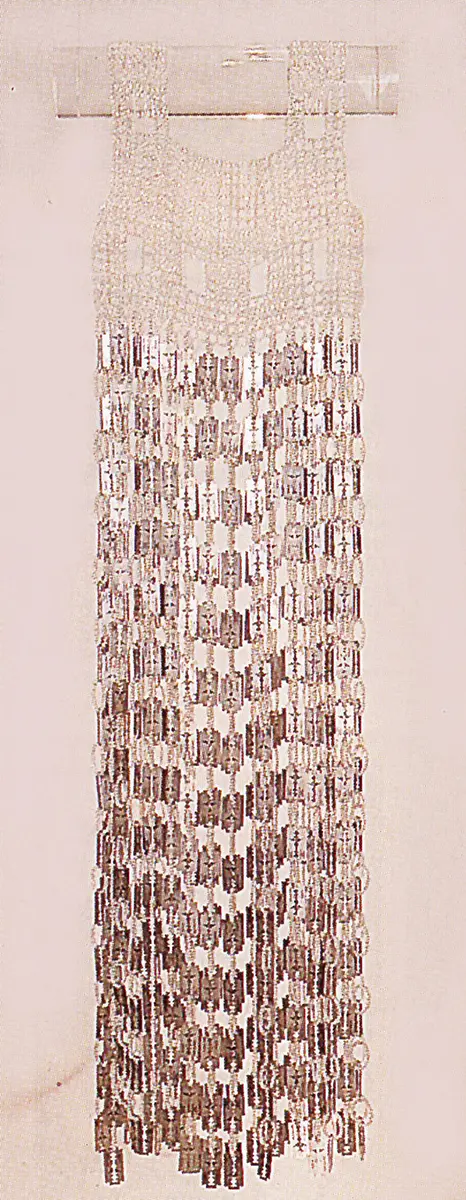
Twenty-five Latin American galleries participated in ARCO—a representative and noteworthy number. From classic masters (Joaquín Torres-García and Adolfo Nigro in southern Uruguay, Francisco Toledo, Wifredo Lam, Rufino Tamayo in the Galería de Arte Mexicano, Edgar Negret in Luis Pérez, Colombia); Juan Cárdenas in Claude Bernard, France, and Gaston Orellana in Christian Stein , Italy, both of them with individual shows, to spirited young artists (Federico Uribe Botero in Jacobo Karpio, Costa Rica, Fernando Prats in Isabel Aninat, Chile); renowned young artists (José Antonio Hernández-Diez in Camargo Vilaca, Brasil, Priscila Monge and Daniel Scheimberg in Jacobo Karpio, Juan Leal Ruiz and Óscar Muñoz in El Museo, Colombia; José Bedia in Ramis Barquet, Mexico/USA); recognized figures (Eduardo Medici in Der Brucke, Argentina; Cildo Meireles in Casa da Imagem, Brasil); and a strong presence of a female aesthetic through bodies, clothes, gestures (Nazareth Pacheco in Valu Oria, Brasil; Leda Catunda in Camargo Vilaça, Marta María Pérez and Carmen Mariscal in Ramis Barquet).
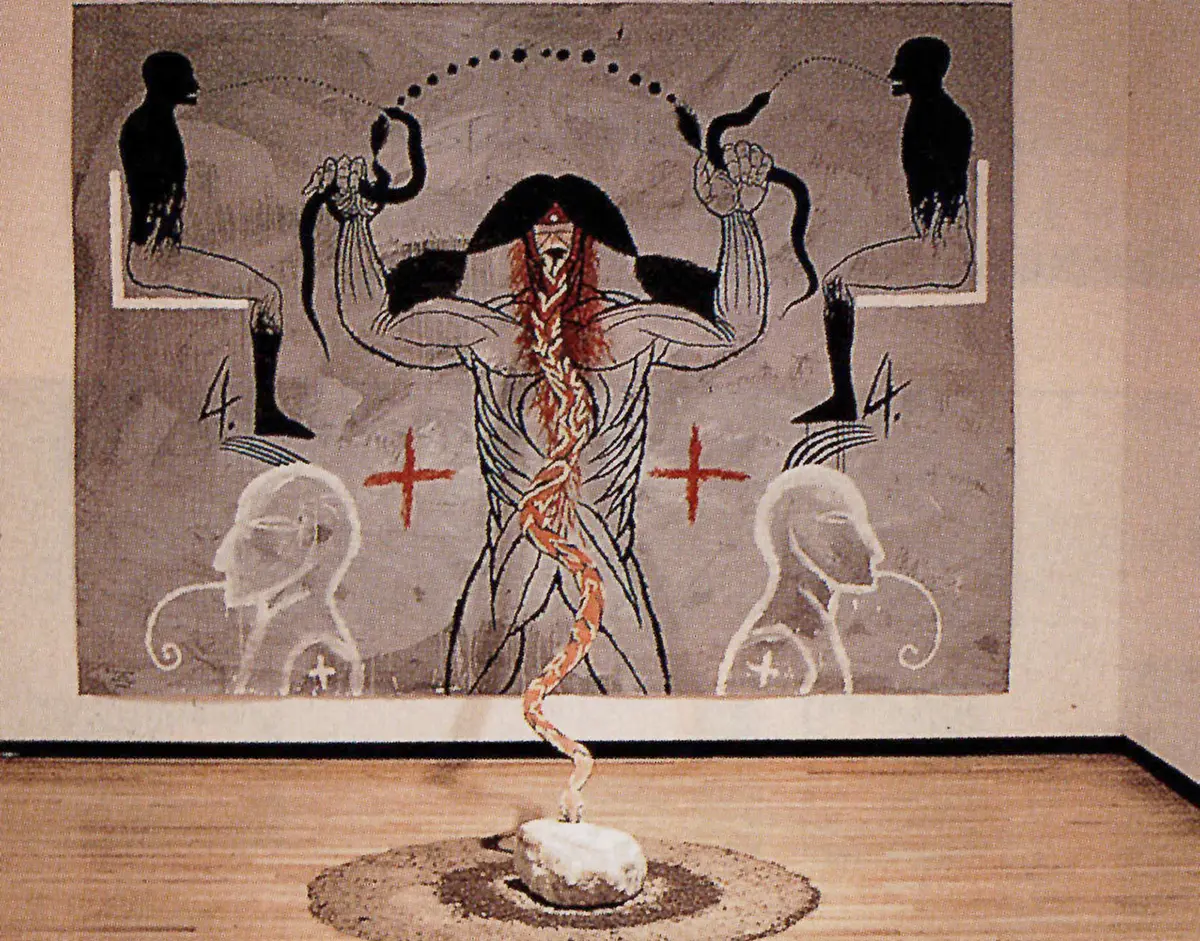
A Haitian gallery specializing in the art of the Caribbean, Bourbon-Lally, opened the way beyond the conventions and obstructions imposed by the country in which the industry of naif art intervenes in the exportation of any other artistic tendency. From this gallery came artists like Eduard Duval and the Cuban Santiago Rodríguez Olazábal who showed works that, beyond attempting to be works of art, obeyed their religious, mystical, everyday realities, imperative expressions of their spirits.
The Latin American presence was complemented by the debate panels organized by Octavio Zaya: "La crítica de arte: una práctica sin futuro and Sobre el nuevo discurso crítico en América Latina," and Dan Cameron:"La labor del comisario hoy en día, más allá de la teoría." The panels brought together the most important authorities in curating and contemporary art theory (Sandra Antelo-Suárez, Carlos Basualdo, Franceso Bonami, Kate Bush, Okwui Enwezor, Hou Hanru, Rosa Martínez, Hans Ulrich Obrist, Kyong Park, Mónica Amor, Jesús Fuenmayor, Natalia Gutiérrez, Paulo Herkenhoff, Lisette Lagnado, Carolina Ponce de León, Guillermo Santamarina, María Corral, Iwona Blazwick, Saskia Bos, Susane Ghez, Isabel Carlos, Yuko Hasegawa, Bartomeu Marí, Viktor Misiano, Paolo Colombo, Carolyn Christov-Bakargiev, Lisa Phillips), Nevertheless, the scarcity of time meant that debate and in-depth discussion of the topics touched upon was impossible.
Observation on Portugal
This invited country was represented by eighteen artists, eight of whom simultaneously appeared in the "Project Rooms" section. Of the latter, we will note a few curious projects: the Ze dos Bois gallery had prepared a CD-ROM that compiles all the information referring to emergent artists in Portuguese visual arts, among them the authors of the "Project Room" presented by the gallery. They are a collective called Trauma Cultural Society; their interactive work consists of a video game in which a group of Portuguese artist-terrorists kidnapped the Minister of Culture. The spectator must take control of the game and go about killing the artists, one by one, to save the Minister and with him, the cultural order of the nation. Paulo Méndez (Gallery, 1991) reflected on the artificial cost of the cult of the body. The work consisted of a hospital bed smelling of formaldehyde, surgical instruments, blood, and walls papered with pages from fashion magazines featuring images of perfect bodies, and prosthetic beauties. The hospital bed reappeared in the project by Miguel Soares (Monumental), Heaven's Gate, an allusion to the mass suicide of the California sect in 1997.
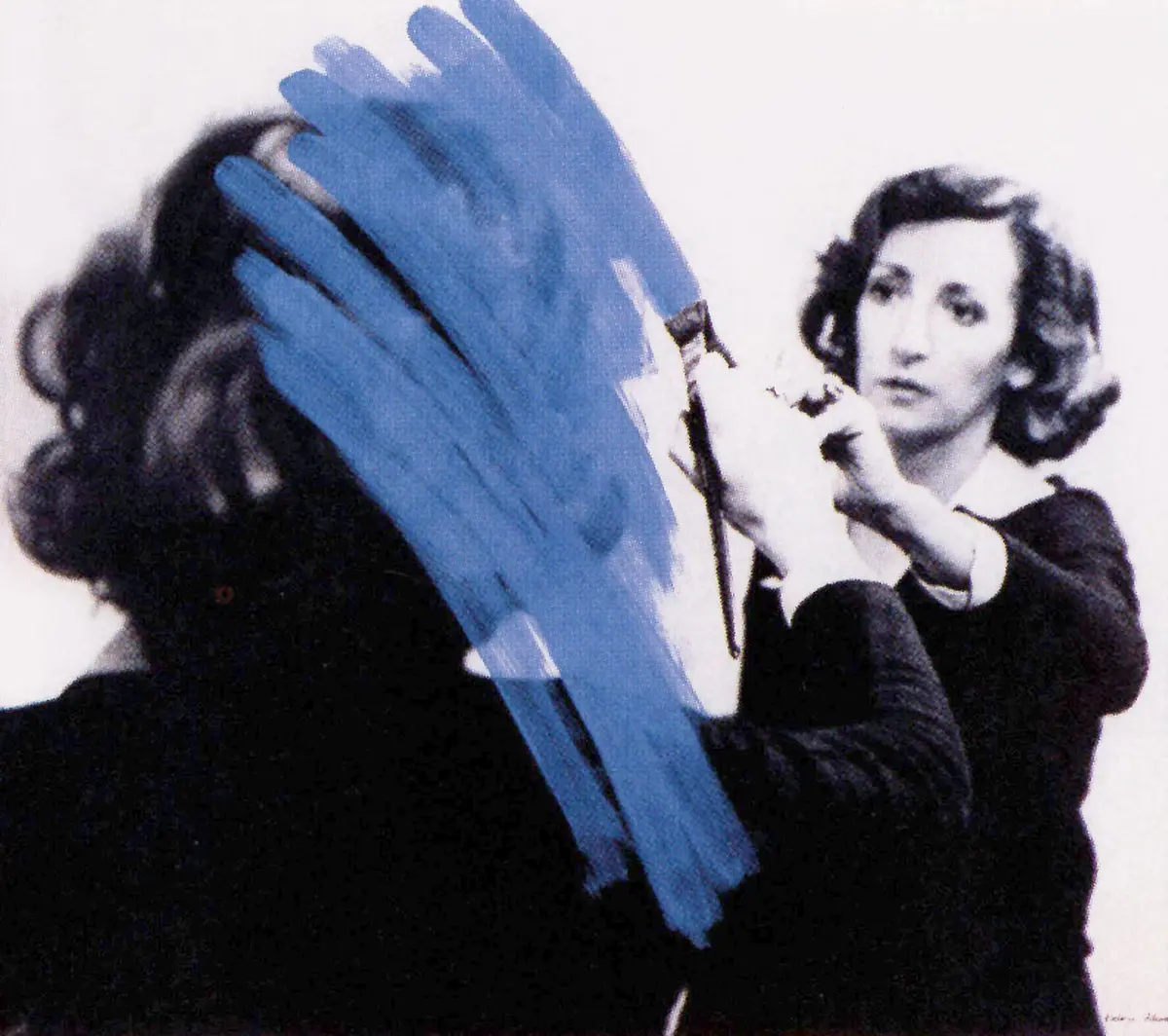
Rui Serra (Arte Periférica) produces his large, graphic paintings XII Mandamientos (12 Commandments) by painting over projections of his original themes while Rigo 98 (Porta 33) constructs in Coche del jabón azul (Car Made of Blue Soap) entirely out of junk, ideal for virtual journeys. From another generation, Helena Almeida, an important Portuguese artist recognized since the seventies, was present not only in several of the Lusitantian stands, but also in a solo show dedicated to the Casa de America. Her work combines photography, painting, and drawing starting from the representation of her own body, the inhabitant of her paintings, and the support for color. Almeida moves between conceptual art, minimalism, and performance; her senses seek a way out of the canvas, space is the support for the paint, and her body is related to the line, the color, and emotion. "Another logic imposes itself: that of the physical connection between the materials the artist uses in her work. A pencil line is transformed into a horsehair thread, taking on a three-dimensionality; a black background or a shadow turns into a field of color. And so on."1
With her, we end, exhausted by this selected tour of fifteen thousand square meters covered by more than two hundred art galleries.
NOTES
1. Carlos Isabel. From the text "Threshold of Languages" (p.6). From the catalog Blue Entry, Anthology of Elena Almeida. Casa de America. 1998.
ALEJANDRA POZO