
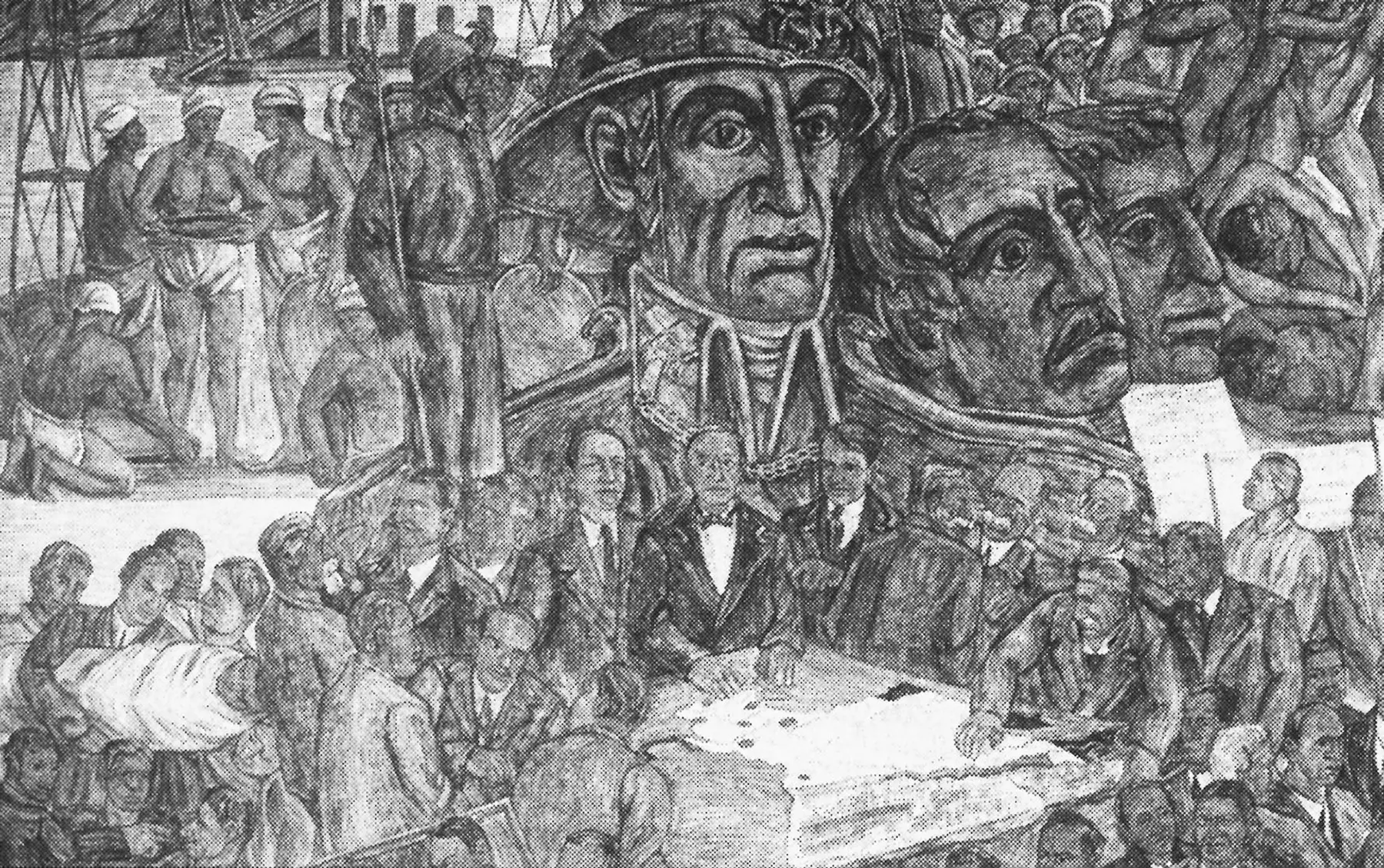
This exhibition provided an opportunity to study and inform the public about the work of early periods in Colombian art that has been misinterpreted by some historians. Time has passed and the need for justice rules. This was the first time that broad and proper recognition was given to the periods between the 1920s and 1950s. The exhibition, presented at the Museum of Modern Art of Bogota from November 1997 to March 1998 was sponsored by the Office of the Governor of Antioquia, the Suramericana enterprise, and the Office of Tourism.
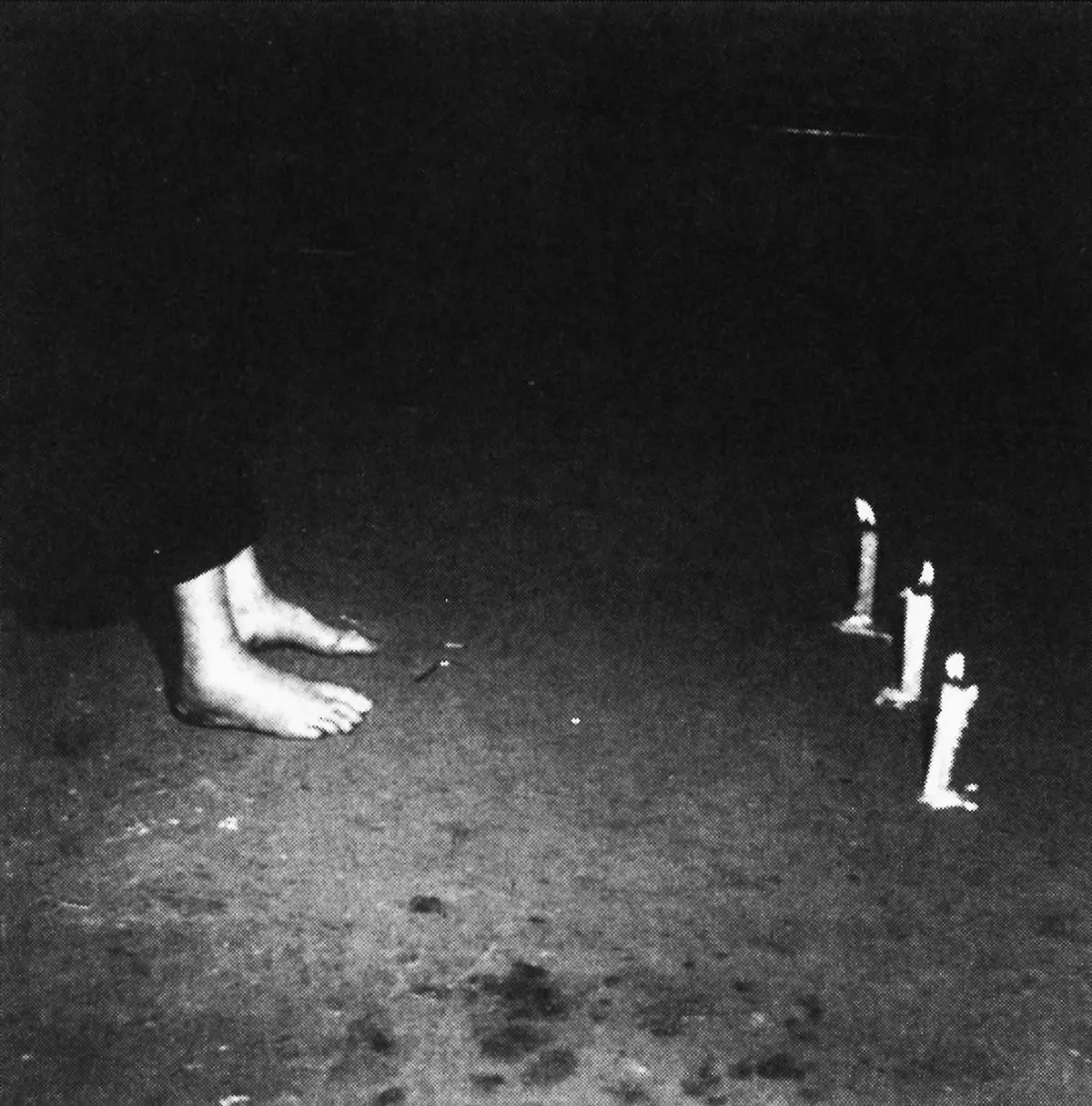
The show reflected the criteria, themes, tastes, and political turmoil that led artists towards an expression of the concerns that motivated their day-to-day lives. It illustrated the wide range of media used by these artists, which in addition to painting and sculpture, included photography, watercolor, ceramics, commercial drawing, and caricature among others, offering an extensive and excellent panoramic view of the work of this generation, one that endeavored to transform the tastes and aesthetics of Colombian art. The exhibition included some 400 works by 39 artists, all imbued with a noble sense of nationalism that placed man in relation to his environment.
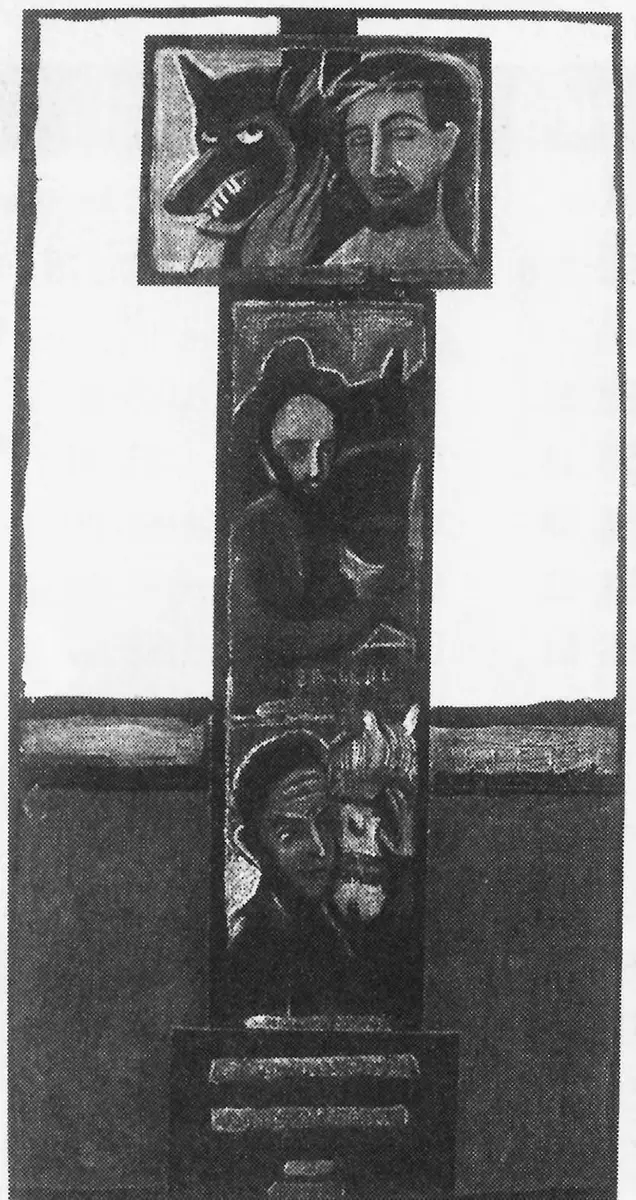
Reviewing the causes of struggles in order to discover the meaning of nationalism, and disputes with the state and with religion, the artists were able to maintain a creative sense of energy and artistic sensibility within a network of social relations. They reflect an attempt to search within the socio-political realities of the country and reveal a marked influence of the artists of the Mexican Revolution of the I920s, headed by the muralists Siqueiros, Orozco, and Rivera.
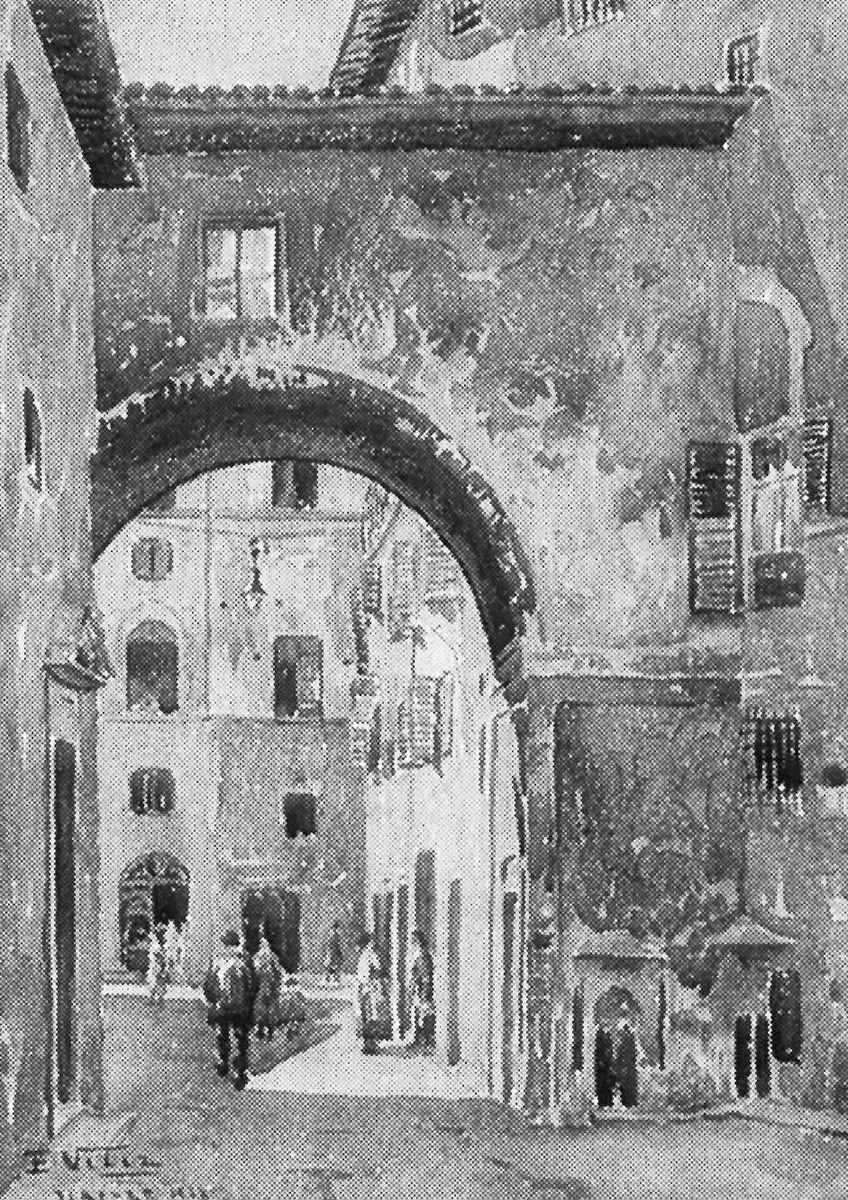
The powerful themes ranged from politics or historical disputes about the essence of the indigenous gods to the romanticism of the first settlers in the Colombian territory, as well as landscapes and still lifes as we can see in the work of Rómulo Rozo, Pedro Nel Gómez, Ramón Barba, Eladio Vélez, Rodrigo Arenas Betancur, José Domingo Rodríguez, Carlos Correa, Alipio Jaramillo, Débora Arango, Darío Jaramillo, Rafael Sáenz, Josefina Albarracín, Hena Rodríguez, Sergio Trujillo Magnenat, Marco Ospina, Gonzalo Ariza, Luis Alberto Acuña, Ignacio Gómez Jaramillo, Santiago Martínez Delgado, Santiago Medina and Carolina Cárdenas. The exhibition also included photographers, such as Leo Matiz, Luis B. Ramos, Otto Molí González, Jorge C. Obando and caricaturists, such as Ricardo Rendón, José Posada, Pepe Mexia, Jorge Franklin, Gustavo Lince, Lisandro Serrano and Reinaldo Scandroglio.
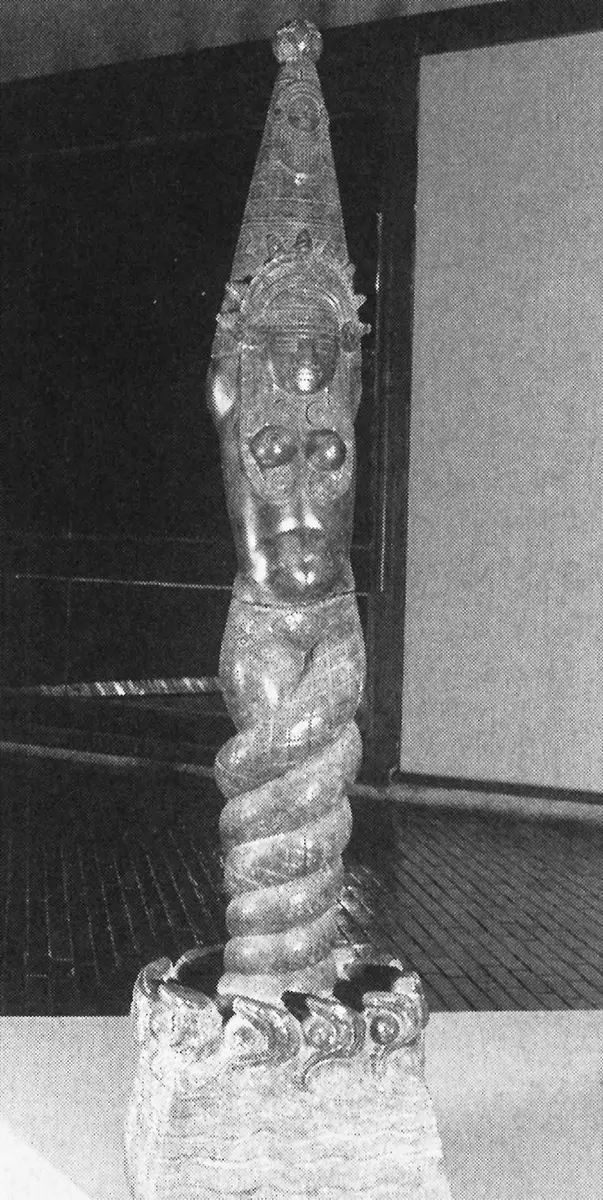
After so many decades of silence, research has now been underway since the 1970s on the history of Colombian art. This research first led to a book from the curator Alvaro Medina, published by Colcultura in 1995, and to this exhibition. Special mention should be made of Medina’s labor for the serious and esteemed research that he has carried out.
MARIA TERESA GUERRERO