
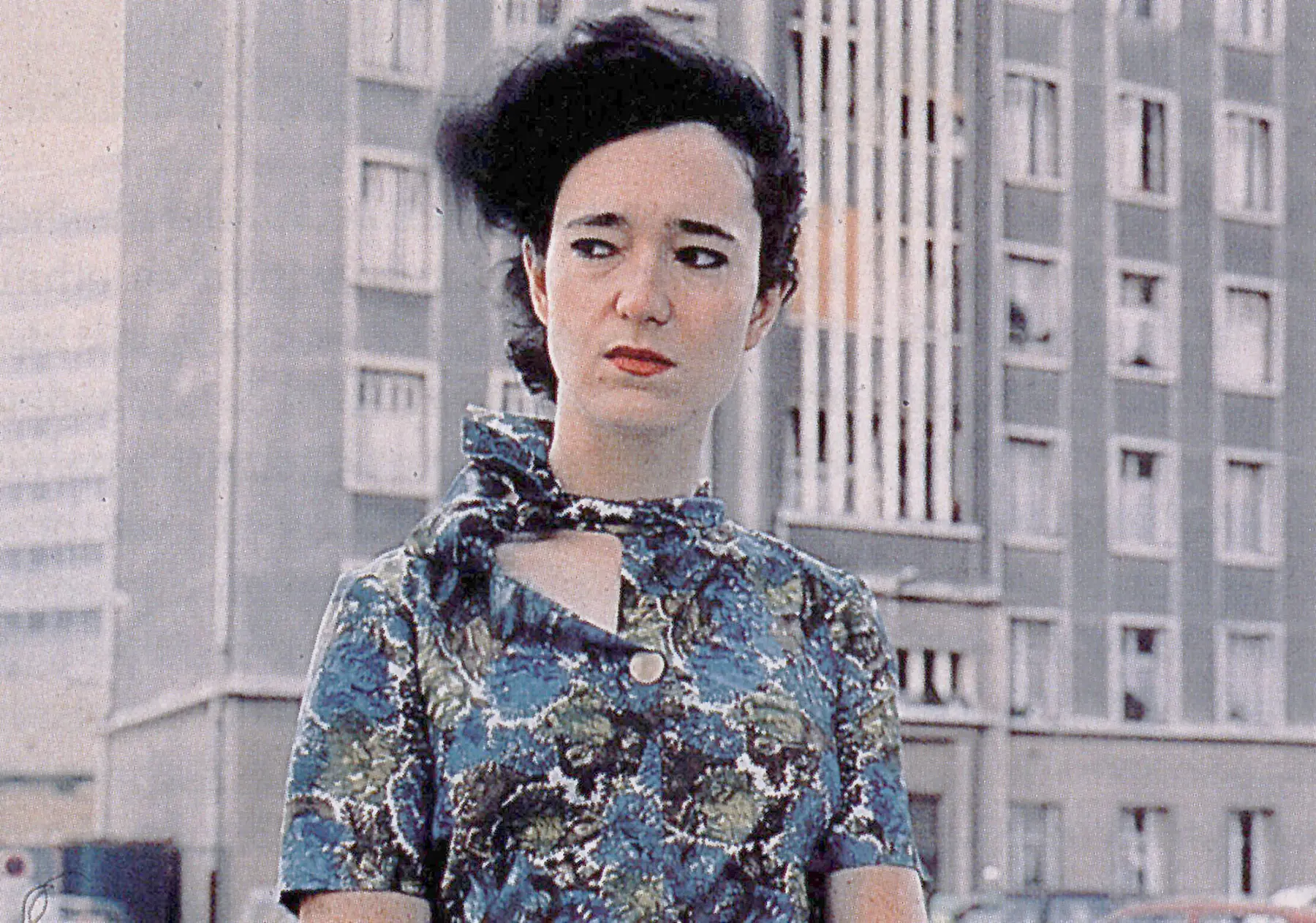
At the center of the extremely varied French artistic landscape and among the currents and the different practices, we have selected one trend. Indeed, we have noted that contemporary artists are paying more and more attention to economic questions and are attempting to reintegrate the selling sphere into art. In doing so, they are inciting the emergence of a new situation for the artist in society.
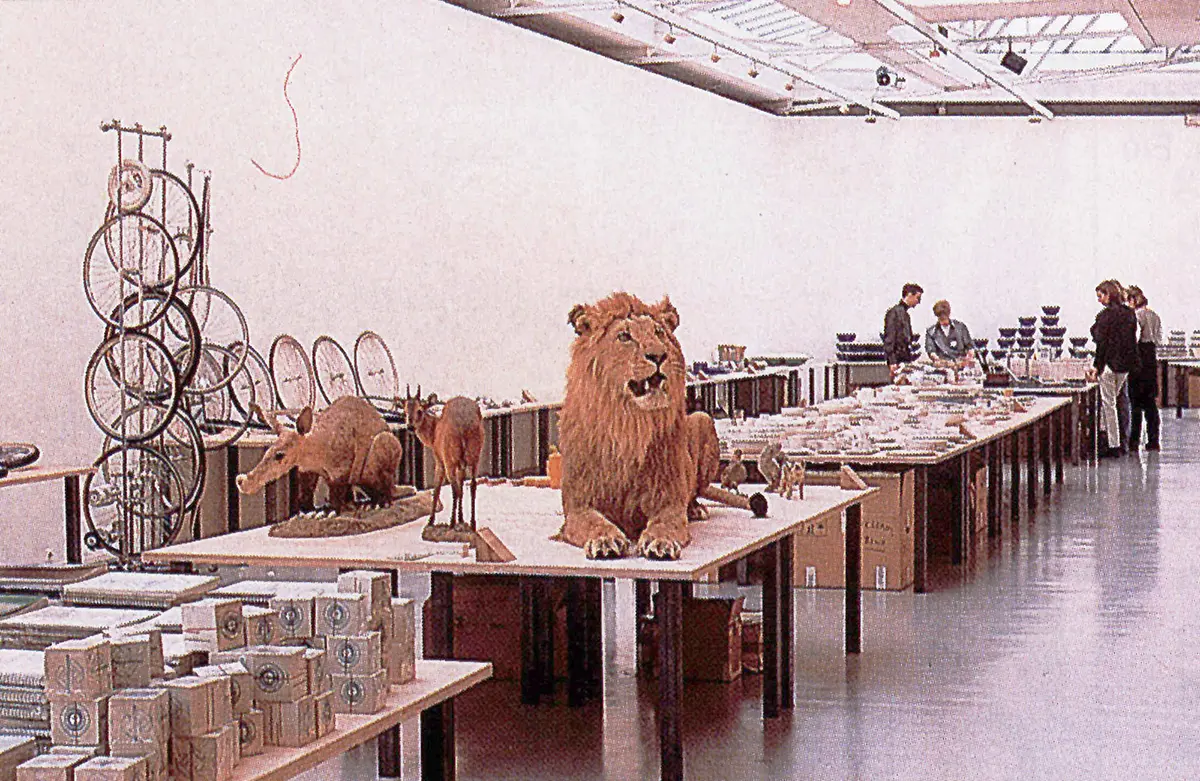
Stock market fluctuations, inflation, interest rates: today the economy seems like the only force capable of modeling social life. Faced with the collapse of ideologies and internationalization of trade, the sole reality left to us will be one of the regulated circuits of products and people. And the dual-level reality: on the upper level, an abstract flow of shares and quotations; and on the bottom, men and women are affected in their everyday life by the social reality of this stock trading. In addition to this, the art world itself has weathered the eruption of the economic crisis with the fallout of the art market at the end of the 80s, which caused a loss of illusions. The autonomy of art and its sacred value are our past beliefs. The economic crisis reminds us that artistic work depends on monetary fluctuations.
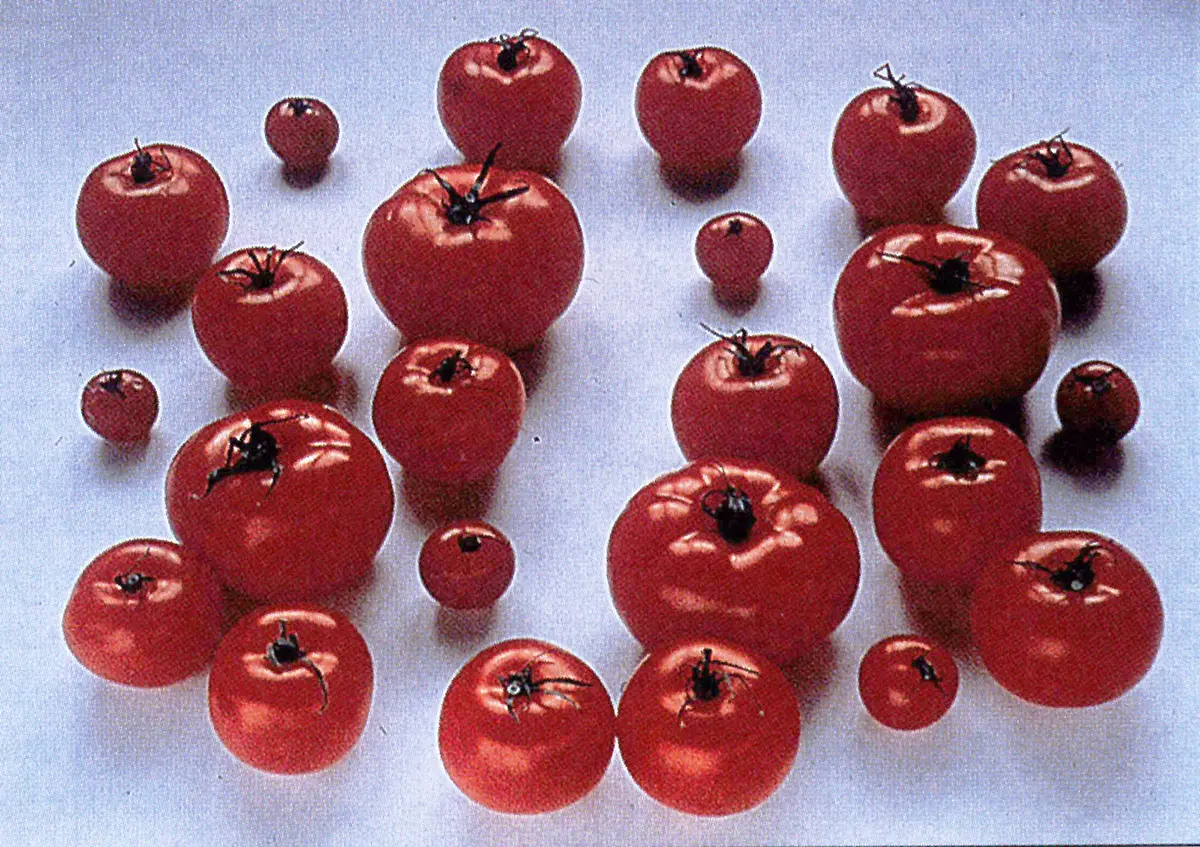
The striking evidence of this financially driven context explains why contemporary artists are interested in the economic question. On the international scene, the artist who is most representative of this new generation is undoubtedly Fabrice Hybert. Prize-winner of the best national pavilion during the Venice Biennial in 1997, this French plastic artist created his own company, UR (Unlimited Responsibility): from the smallest preparatory drawing up to the final sale of an installation, his aesthetic company is constructed like a holding company that absorbs all the stages of the work's production. Hybert has sharply broken away from the romantic conception of the artist who is all alone in his ivory tower and completely removed from the notion of the artist experiencing the effects of a lasting economic crisis.
A number of French artists are also eager to rejoin the consumer society and reject the idea of an artistic production reserved for a specialized public. On a more social side, the machines of Malachi Farrell, the photographs of Valèrie Jouve, the practice of prostitution by Alberto Sorbelli, and the advertisements without captions by Jean-Luc Moulène, all participate in this questioning.
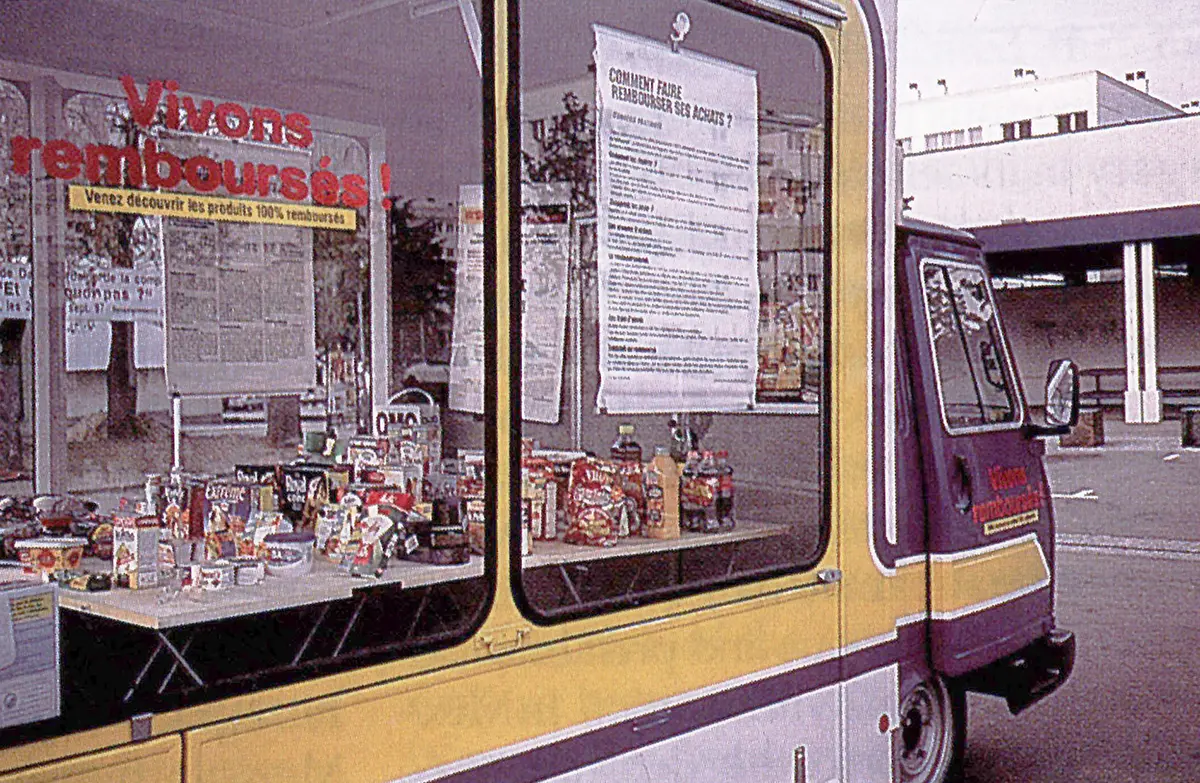
But we should not consider this as specific only to the French. This concern is obviously an international one even if it is subject to increase sustained attention in France. Less than a trend that is fated to a rapid disappearance like all fashions, the economic question appears, on the contrary, to be a consistent presence in contemporary creation. It reflects an open perspective that is taking many directions. Influenced by the world of economy and industry, these artists are producing works endowed with a major sculptural force that covers all the bases and of which the reception is made in a more immediate way. To different degrees, the artists Mathieu Laurette, Alain Bublex, Pierre Huyghe, and Marie-Ange Guilleminot, are participating in this broad movement that involves insertion and interference with the economic circuit, the adoption of industrial forms of production (that is to say, the invention of another method of production), and also the search for a disinterested economy. This comes just as many small and medium-sized companies are aiming at reducing liberalism to a small scale —microeconomics is considered one of the fine arts.
Serge Comte
Born in 1966, Serge Comte is the winner of the program Villa Medicis Hors Les Murs/AFAA 97. He is represented in France by the Jousse-Seguin gallery.
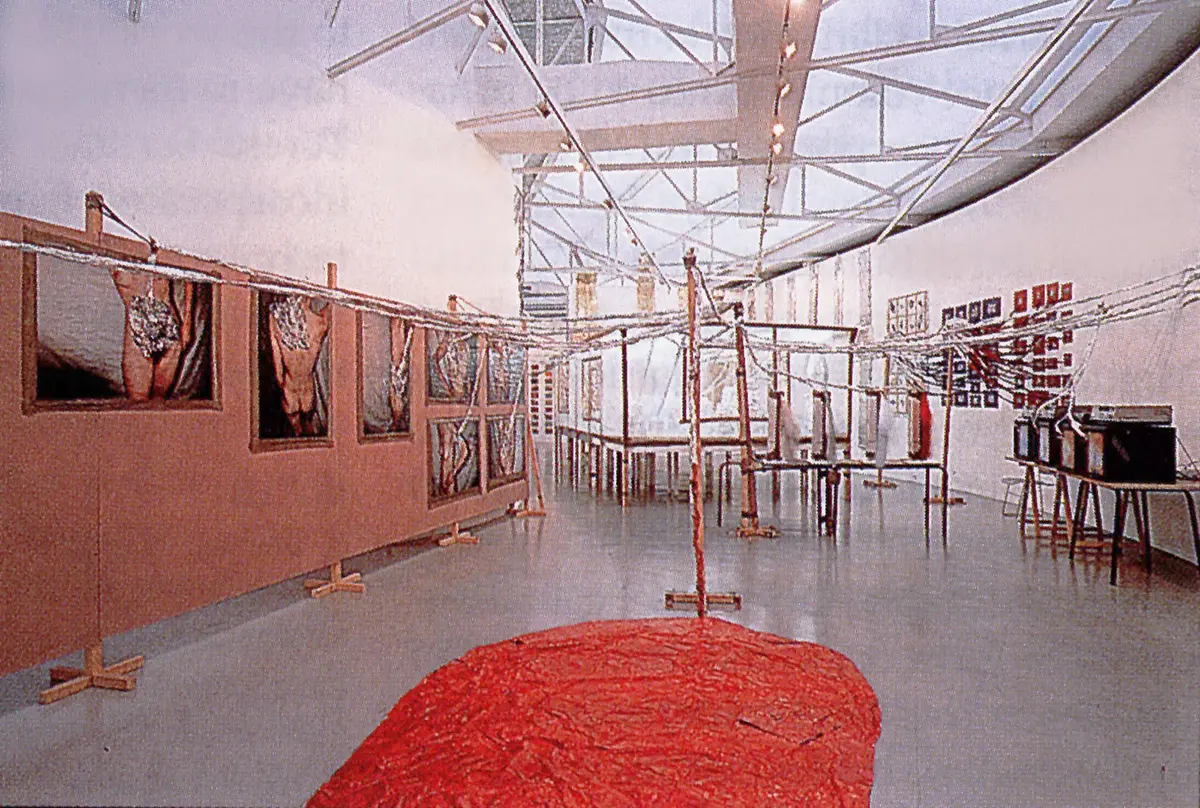
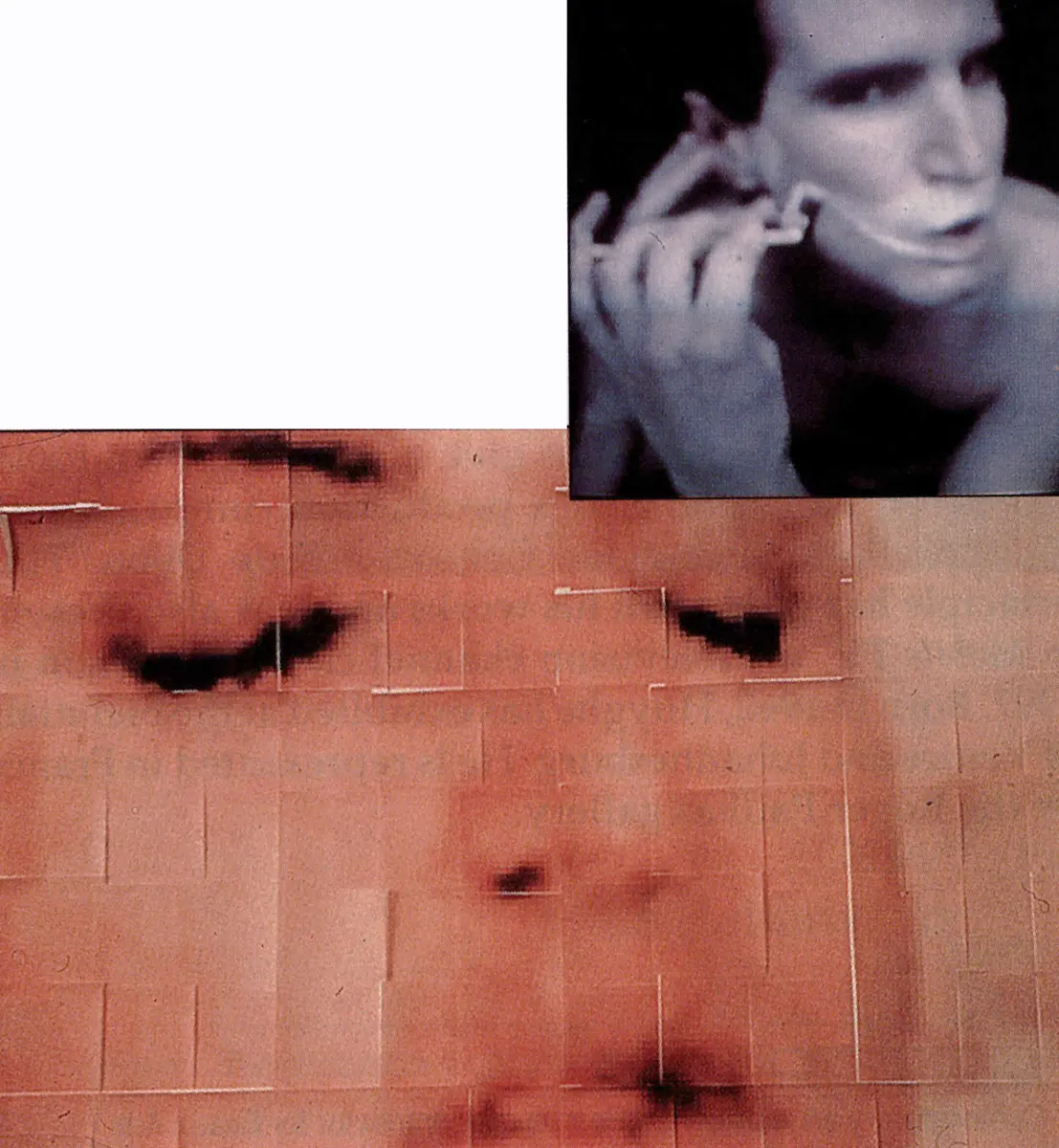
An economy of means: like the image of the Post-its he puts all over the walls, Serge Comte constantly adopts an extra-light production method. By working with videos, electronic music, and digitally-deformed self-portraits, Comte saves on transport, creation, and energy. Moreover, his attitude is a way of being that he calls "safe at home": a state of well-being, all by oneself at home, and economic lifestyle, and a way of protecting oneself through relative isolation. In this way, he develops an answer to the constant aggression of the mass free-market economy. Between cocooning and minimalism, Serge Comte invents a tiny economy of his own, centered around himself.
Alain Bublex
A former industrial designer born in 1961, Alain Bublex started to exhibit in 1992 in France and abroad. He is represented in France by the Georges-Philippe and Nathalie Vallois gallery.
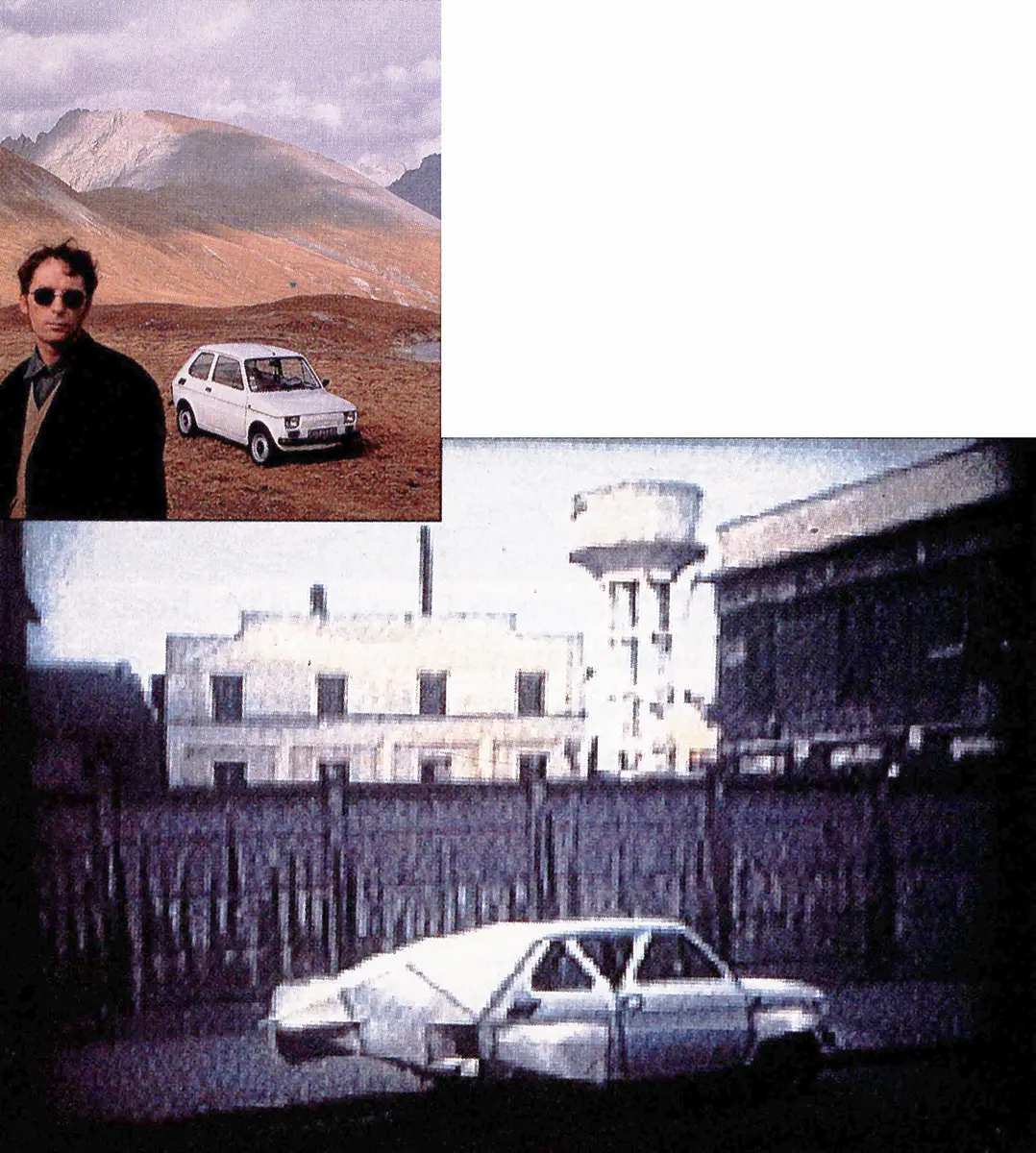
Alain Bublex, develops gigantic fictional companies. His Aérofiat 2.1 is an automobile prototype that was entirely created from an old Fiat 126. This imaginary vehicle is shown as an authentic model: industrial drawings, videos showing testing runs, mock-ups... Bublex plans to produce the Aerofiat 6.1 next and to show it as a real automobile vehicle in various trade newspapers. Therefore, the entire stake lies in introducing a product in the market economy which is entirely fictional. Dented, the prototype appears fragile and old: we have not seen machines as human as these ones for ages.
Marie-Ange Guilleminot
Already a fixture on the International Scene, Marie- Ange Guillerminot was 1997 present in Munster, Lyon, and Venice (with distinction). She is represented in France by the Chantal Crousel gallery.
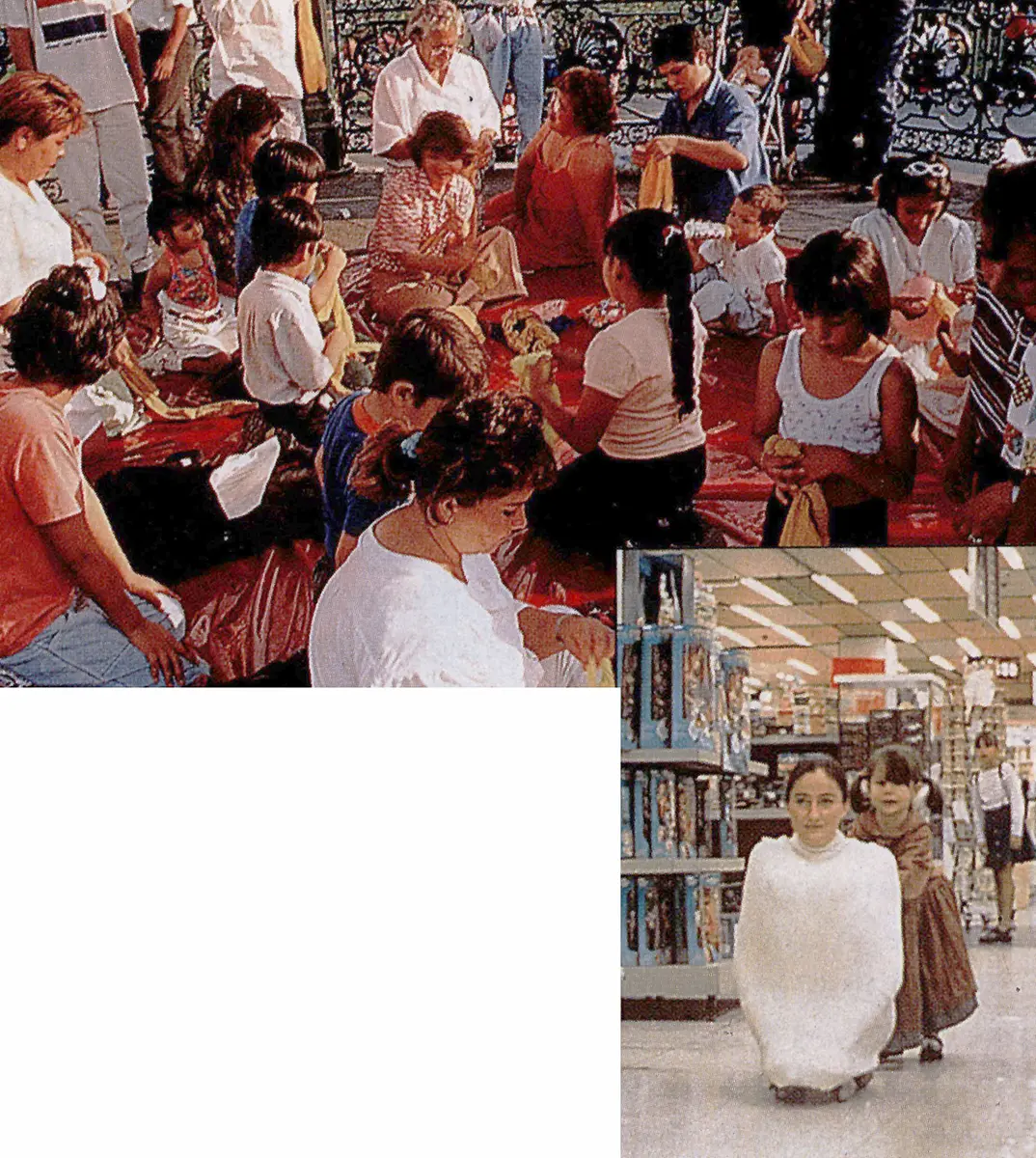
Known for her transformable textile sculptures, the artistic work of Marie-Ange Guillerminot is now encountering the field of the economy with the marketing of Cauris, a knapsack made from simple pantyhose. In the same spirit, she has just opened a company devoted to artist's books. In this way, she is attempting to constitute an economy of giving rather than selling. In opposition to the production of finished products, she is betting on making transformable objects which can be recycled forever and whose use can be invented by everyone.
Pierre Huyghe
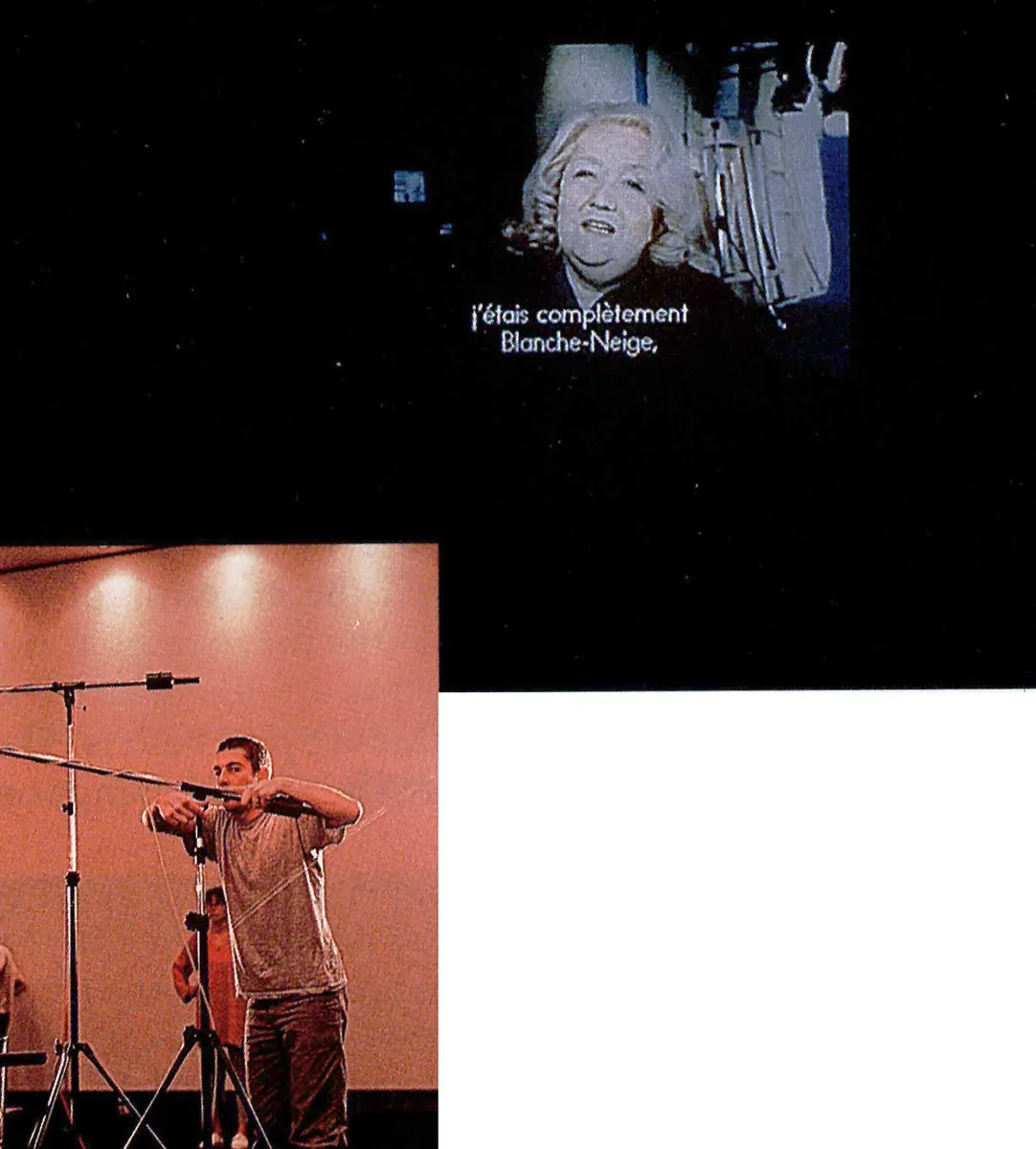
"I am trying to make the economic chain responsible." Not an easy task, even though the economic question is a wide-ranging base for the work of Pierre Huyghe. In his videos (Dubbing, Lucie, Multi-Language Version), in his Remake of Fenêtre sur Cour, or in Billboards, there is, first of all, a question about the relationship between the model and its copy. But Huyghe pays a lot of attention to the production method of his own images and believes that is necessary for each artist to give himself his own tools. Moreover, he established a production company with Philippe Parreno and the Consortium de Dijon. This principle has guided all his works and was also present in Mobile TV, the television channel created in Dijon in 1997. Born in 1962, Huyghe has exhibited at the biennials of Venice and Johannesburg. He is represented in France by the Roger Pailhas gallery.
JEAN-MAX COLARD
Contemporary art researcher. Permanent contributor for Beaux-Arts magazine.