
To commemorate the seventieth birthday of Omar Rayo (Roldanillo, 1928) and the seventeenth anniversary of the founding of the Museum which bears his name in the town of Roldanillo, the Rayo Museum recently inaugurated a complete retrospective exhibition of works by the master, including caricatures, paintings, sculpture, drawings, and graphic work, produced from 1948 onwards.
Omar Rayo is a self-taught artist who managed to train himself through his travels and direct experience with places, art, and artists. He began his career as a caricaturist, bringing to the medium a geometrical rigor and an uncanny way of revealing the character of his subjects. His eye and hand captured the great figures of politics and culture at the end of the 1940s. During the first four years of the 1950s, his production of drawings moved towards a new style in which symbolic evocation, the stylization of form, and the use of metaphysical spaces reflected his desire to create emotional sensations in the spectator. Rayo, undeniably influenced by surrealist art, made his figures more elongated and linked them to elements of vegetable nature. This period of his work was known as bejuquismo (or, the -reed- period) and covers works done between 1950 and 1954. This exhibition included a good selection of caricatures and drawings of this kind.
In 1954, Omar began a long journey through South America, which took him to most of the Andean countries and the southern cone, including Brazil. This journey full of intense experiences transformed his art, and for the next four years, he produced works in ink that already foreshadowed his subsequent bestiaries. Geometrical animals with a clearly constructivist air could be seen between branches of trees and leaves. These works were marked by their round and careful design and a sense of space, contained collaboration, foreshadowing the arguments which became the hallmark of the artist’s later work. In his caricatures, «reed» works, and South American production, Rayo expresses another of his constant features, his sense of humor.
In 1958, Rayo began his great work as a print-maker, beginning with the classic metal techniques: etchings, dry-point, and engraving. Figurative images appear which are treated in various ways, from the rigorous to the rational. Rayo moved to Mexico, a country that had already been a place of artistic pilgrimage for poets, intellectuals, and artists since the 1930s. Mexico and its muralists had set a noble example for the art of the continent. Rayo arrived at the end of the period of mural production and at the beginning of another generation, headed by Rufino Tamayo and José Luis Cuevas.
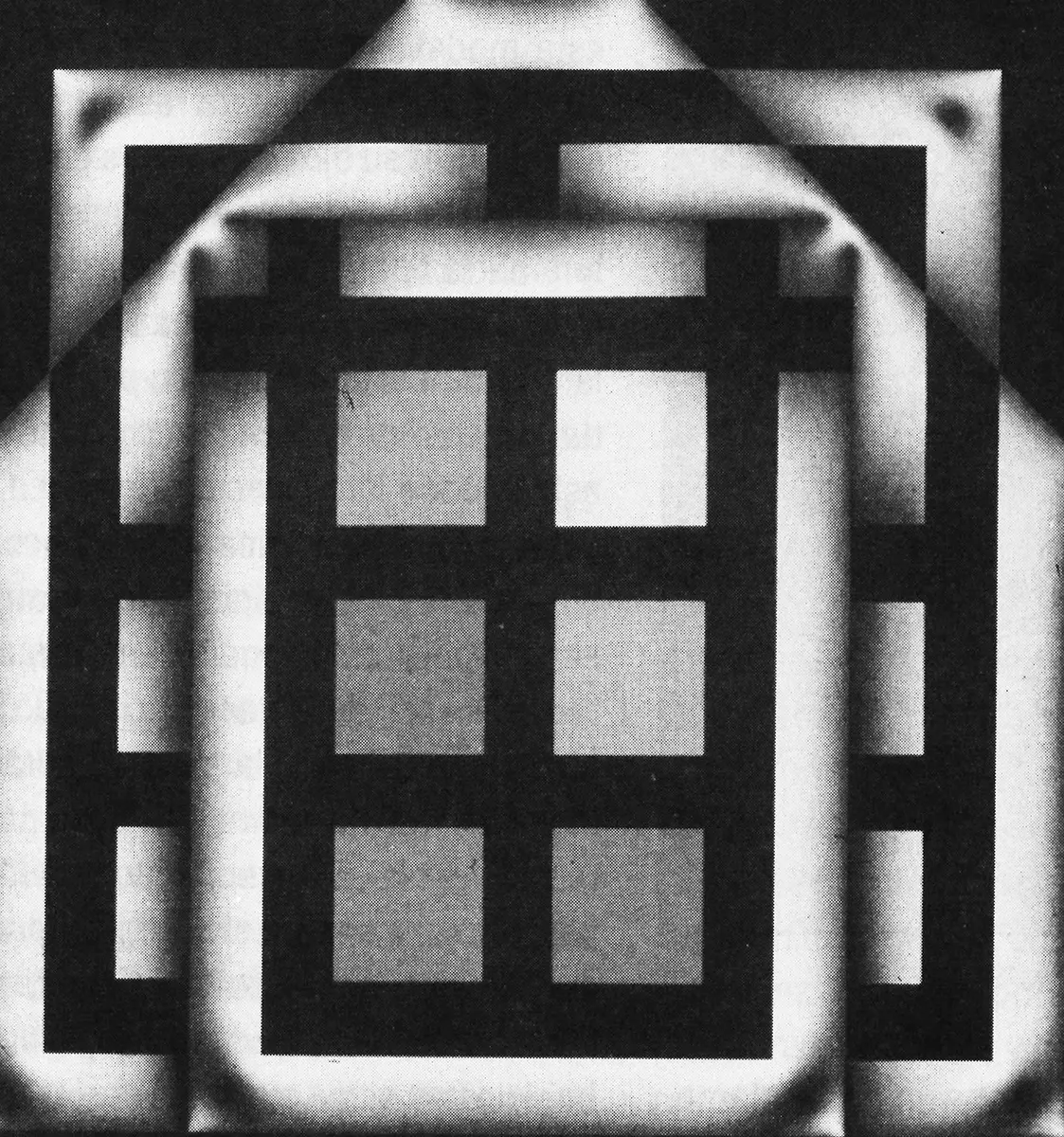
In the 1970s Rayo managed to consolidate his work as a painter and print-maker and moved from Mexico to New York. Here he was to produce metal prints, using thick watercolor paper and creating reliefs that exploited the plate. These very personal, round and elegant works would become his intaglios. They gathered together a range of everyday things: trousers, belts, scissors, buttons, linking his production and gaze with pop art which was one of the characteristic movements of the time. The series of intaglios continued over decades of effective, refined products, and in each new period of painting there seemed to be a series of these relief prints, whether totally white or with color, along with certain adhesive objects. They include such series as Femina (1959-1966), Erótica (1962-1969), Wounded Paper (1963-1978), Black Work (1960-1980), Tubulars and Cylinders (1985), Origamis y Nudobilias (1973-1977) and Arrow without a target (1966-1980).
In the 1960s and 1970s Rayo’s painting became geometrical and illusionist. He used acrylic and the color black to create effects that deceived the retina. His production is linked to op art through its refined and meticulous technique, creating suggestive images which intrigue the eye. Rayo’s geometrical works were well illustrated in the exhibition, which included canvases from different decades down to the present, where he uses shaded white and black colors and a counterpoint of red elements. This exhibition of more than 160s works—ranging from his caricatures to his most recent series of paintings in acrylic, Dragon Embryo (1997-1998), was the largest and most complete view of his work to date. It highlighted a career that has been characterized by a great sense of professionalism, immediately recognizable imagery, and a suggestive sense of rationalism.
MIGUEL GONZÁLEZ