
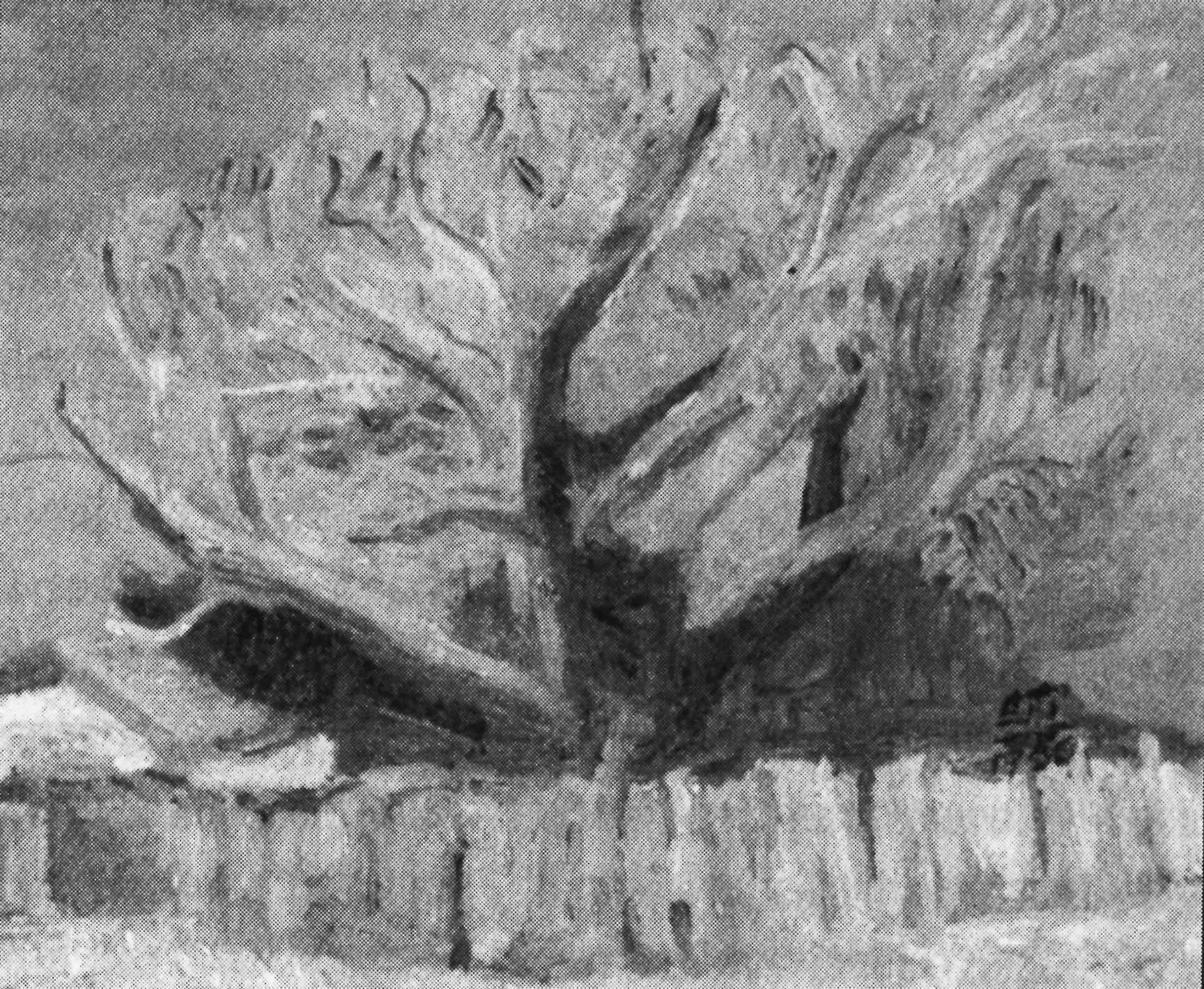
In April 1974, the critic Roberto Guevara wrote that our plastic arts lacked promotion, dissemination, and analysis, which meant that artistic movements were "consigned to oblivion." A similar idea was expressed by Luis Perez Oramas in November 1996, when he referred to the lacunary writing of the history of our visual arts. Indeed, absences, omissions, carelessness, and the lack of systematic, profound, and academic studies characterize the annals and investigation of the arts in Venezuela. And in this respect, the contribution made by the Galería de Arte Nacional has, after twenty years, been absolutely nil.
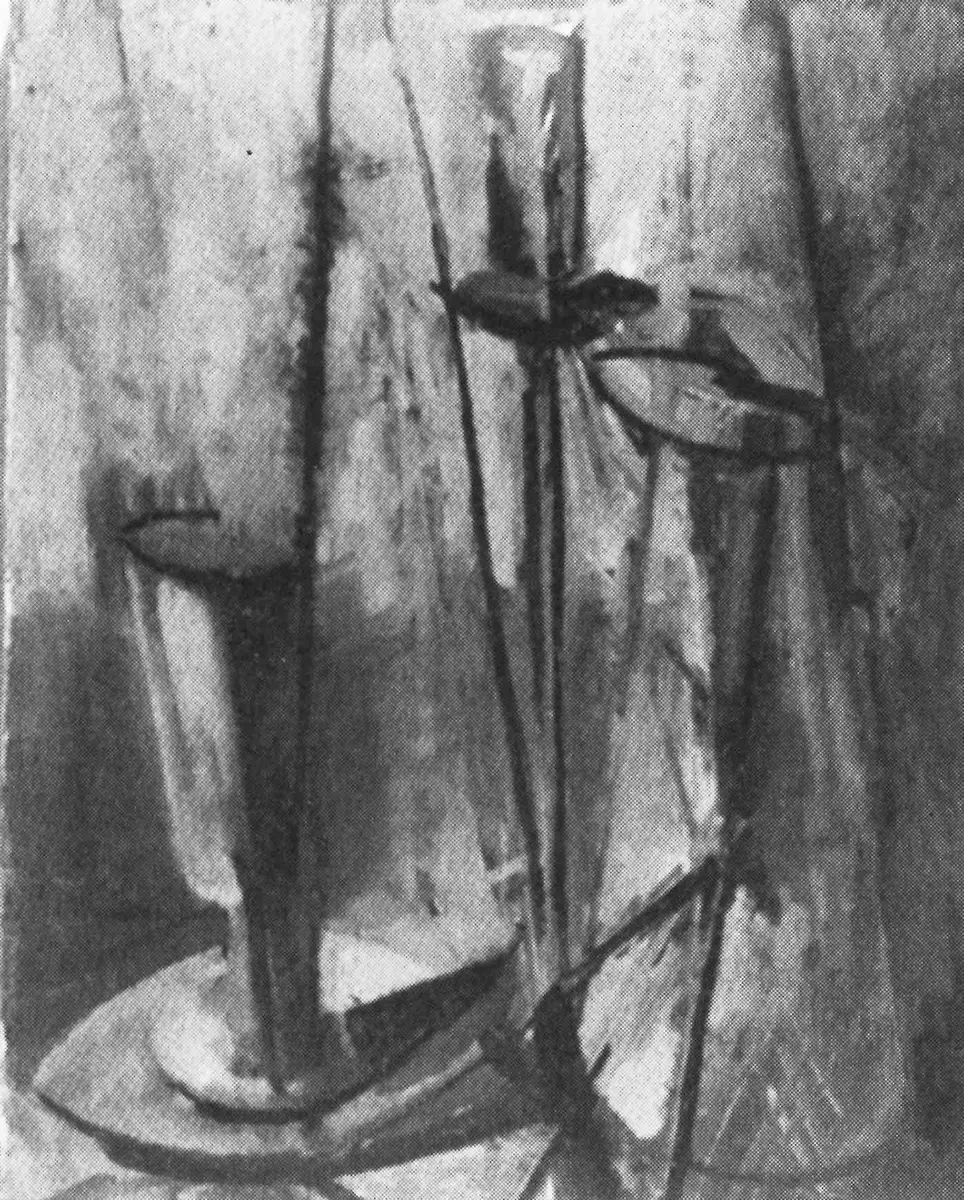
An important artistic movement in the development of the arts in Venezuela was the so-called Taller Libre de Arte (“Free Workshop of Art"), which was active between 1948 and 1952. The year it was established was a very important one for Venezuelan culture. To summarize some of the events of that year: the novelist Rómulo Gallegos became President of the Republic; a debate was launched between those who defended realism and those who advocated the new tendencies championed by Miguel Otero Silva, Miguel Arroyo, Mateo Manaure, and César Rengifo; there was an exhibition of photographic work by Alfredo Boulton; the journal Contrapunto was published, as was an essay by Enrique Planchar on painting in Venezuela; Antonio Edmundo Monsanto, the celebrated director of the School of Art, died resulting in a discontinuity in the institution; and Feliciano Carvallo presented his painting, of a popular or nail kind. The Taller Libre de Arte was established and, in 1949, it held a landmark exhibition titled Coffee-pots, by Alejandro Otero.
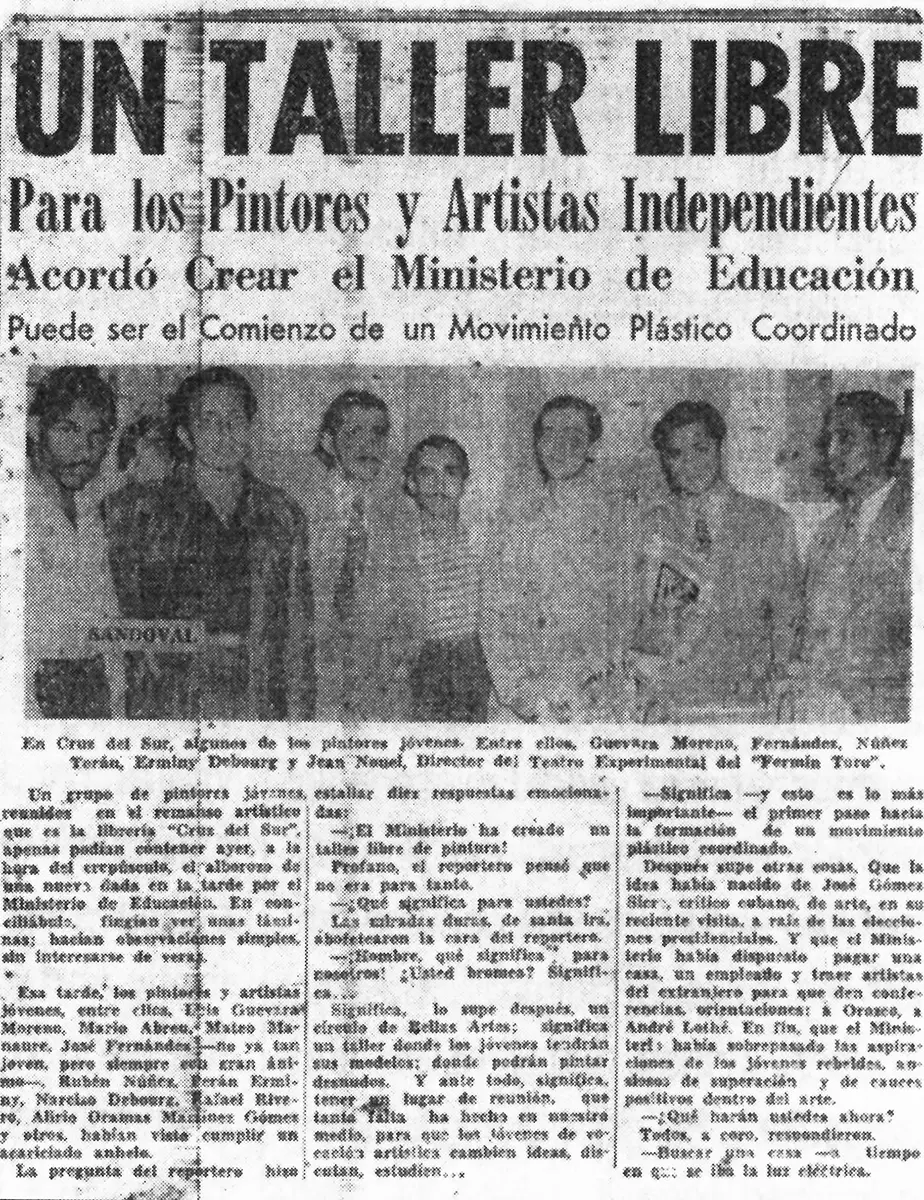
The Taller Libre de Arte gathered together students and recent graduates from the School of Art. The need for a place where artists could meet on a daily basis, and for an exhibition place and premises for artistic research were some of the reasons for the establishment of the group.
Compared with the training provided by the School under Monsanto, the Taller Libre tried to go beyond the lessons of Cézanne and was drawn toward Picasso and modem artists. This resulted in its break with the landscape tradition of Caracas, represented by the generation of Monsanto and Cabré, but also with the socially-oriented and Mexicanized art of Poleo and Rengifo. Hence, too, its admiration for the work of Alejandro Otero, who is now seen as one of the pioneers of Latin American abstraction, and the attention the group gave to Alejo Carpentier (who had been living in Caracas since 1945). Though Carpentier did not write about these young artists in his press column, he did maintain contact with them. They read his Kingdom of this world, and he was an inspiration for some of their work— as in the case of Mario Abreu.
Although the first activity of the workshop was an exhibition by Manaure, many of the painters that made up the group—Alirio Oramas, Oswaldo Vigas, Mario Abreu, Régulo Pérez, Marius Sznajderman, and Humberto Jaimes Sánchez— later achieved significant careers as artists. Other members pursued the path of art criticism, including Perán Erminy and Francisco da Antonio (current director of the Arturo Michelena Museum); or journalism, as in the case of Sergio Antillano, or writing (Oswaldo Trejo).
The Taller Libre de Arte published a journal of the same name; its members had a candid relationship with Reveron; they explored popular painting and presented genuine artists such as Federico Sandoval, Lourdes Armas, Víctor Millan, and particularly, Feliciano Carvallo. They organized regular exhibitions and invited artists from other generations whom they were close to, such as Zapata, Pascual Navarro, Víctor Valera, Otero, and, in the sphere of realism, Rengifo, Pedro León Castro, and Carlos Cruz-Diez. They paid due homage to Jose Clemente Orozco and presented six prints by Picasso in 1949. The exhibitions by Carvallo and Sznajderman were reviewed in the press by the writer Guillermo Meneses and Sergio Antillano, their champion par excellence. Another important event in the group’s history was the solo exhibition by Soto in 1950, before his move to Paris.
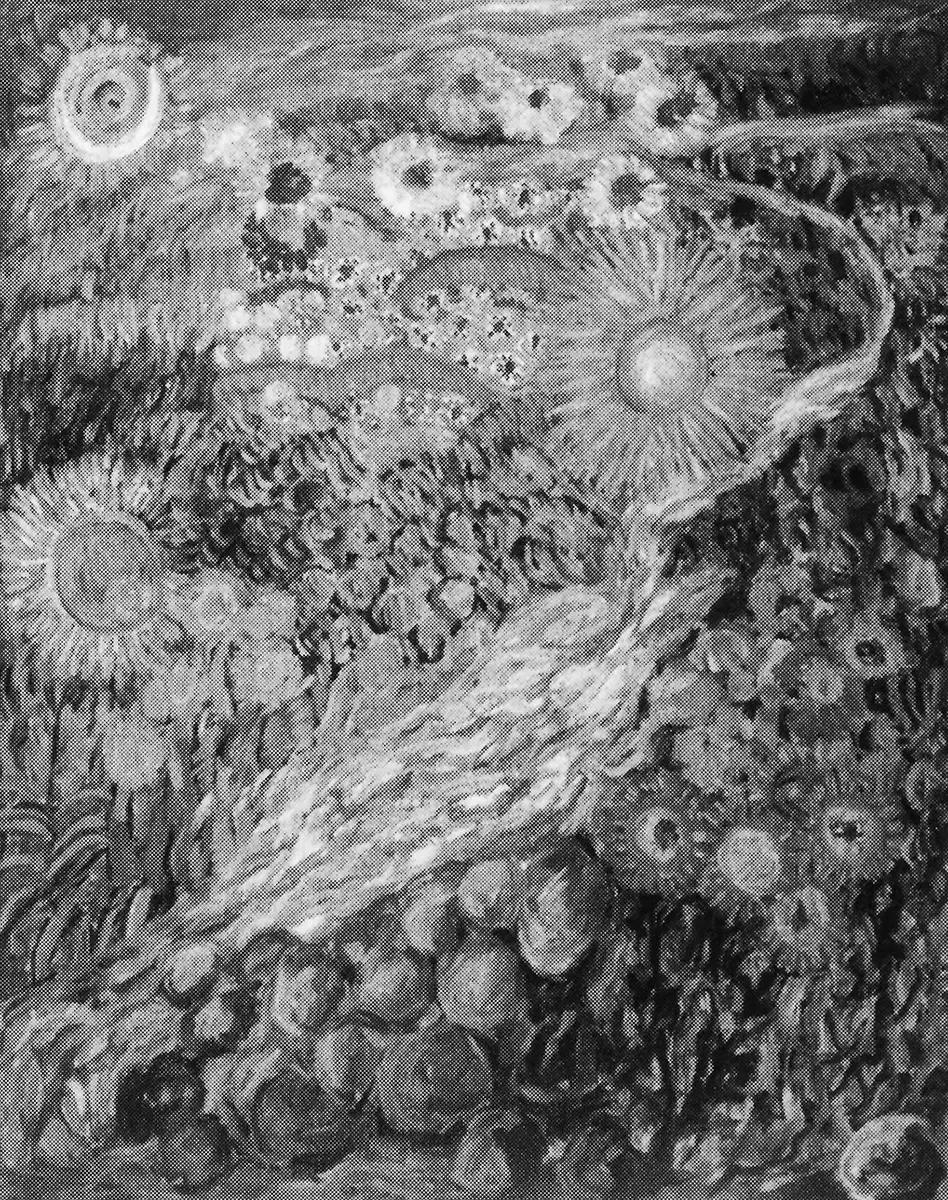
The Taller Libre de Arte was to produce some works of interest and importance to Venezuelan visual culture, including those of Mario Abreu, and Oswaldo Vigas. Alirio Oramas and Feliciano Carvallo. This exhibition was an original show based on research by Lía Caraballo T., who has made a careful examination of both the artistic movement and the period. The exhibition included more than 100 works, with a series of documents, photographs, catalogs, and periodicals presented in showcases, as well as a comprehensive catalog. In conclusion, the show was proof of the capacity of the young Jacobo Borges Museum to meet the challenge of artistic research and museography.
JUAN CARLOS PALENZUELA