
A visit to the shop of any great museum shows that CD-ROMs are beginning to replace catalogs as souvenirs. The exponential growth of the Internet has placed art lovers within reach of an even greater wealth of collections all over the world. If they possess adequate hardware and software, they now have vast options for enjoyment and entertainment. But they must remain aware that the new medium merely provides for an increase in their knowledge, and cannot be a substitute for the real experience of art. This is why the fear that people will stop going to museums because they can visit them online remains groundless —at least for the time being.
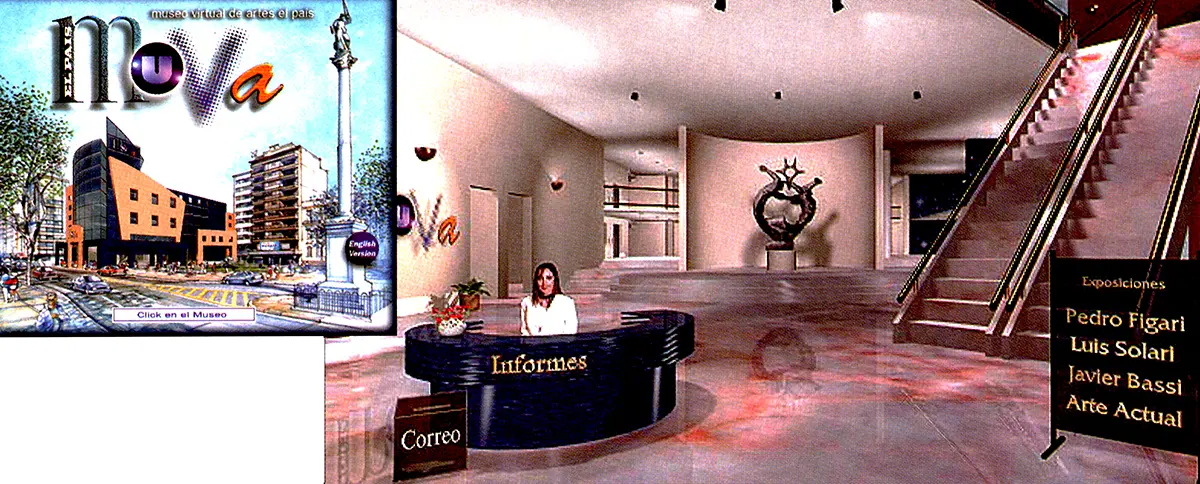
The Virtual Museum of Arts El País (http://www.diarioelpais.com/muva), created by a Montevideo daily, takes an original approach. It is literally “virtual." Like a few others, it does not reproduce a physical art collection or a real building. (Fortunately, one might add, since the home page portrays a large modern building invading one of Montevideo’s best-known squares). Its undeniable qualities have won it an impressive array of international distinctions, and it is visited by thousands of persons every day.
MUVA sets out to give visibility to a number of works that are tucked away in private collections or in artists’ studios. It does not stand for a museum: it “is" a museum as can be seen from the current show that includes dead masters alongside contemporary working artists, some of them very young.
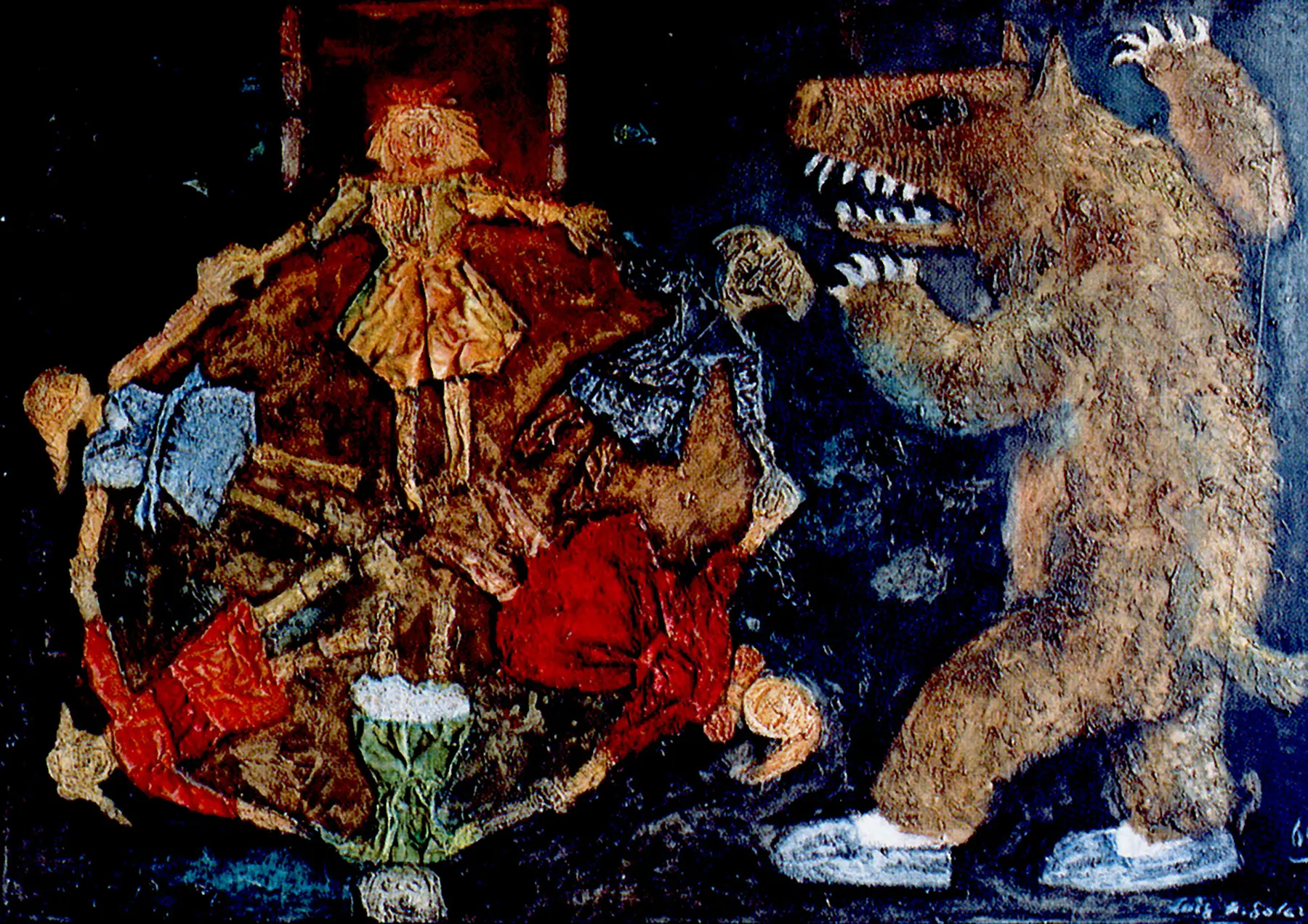
The work of Luis Solari (1918-1993) shows particularly well on the computer monitor, given the clear-cut nature of his imagery, based on imagination and memory rather than sensuous color. He reached a wholly Uruguayan compromise between the wish to express his inner vision and the realistic vehicle he chose: the masks of carnival, or rather of a childhood carnival of the twenties when Mardi Gras costume was still a living tradition. Terrifying memories and myth come together in the celebration as witnessed by a child in Solaria’s portrayal of a costumed werewolf menacing a circle of dancers who seem right out of a Busby Berkeley or Esther Williams film.
Pedro Figari (1861-1928) is an international asset, maybe the best-known Uruguayan painter outside the country along with Joaquín Torres-García. The MUVA selection, while over-emphasizing some of the artist's usual themes-rural life, romantic Montevideo, and African cultural traditions—offers the additional pleasure that these paintings cannot be seen in any other museum.
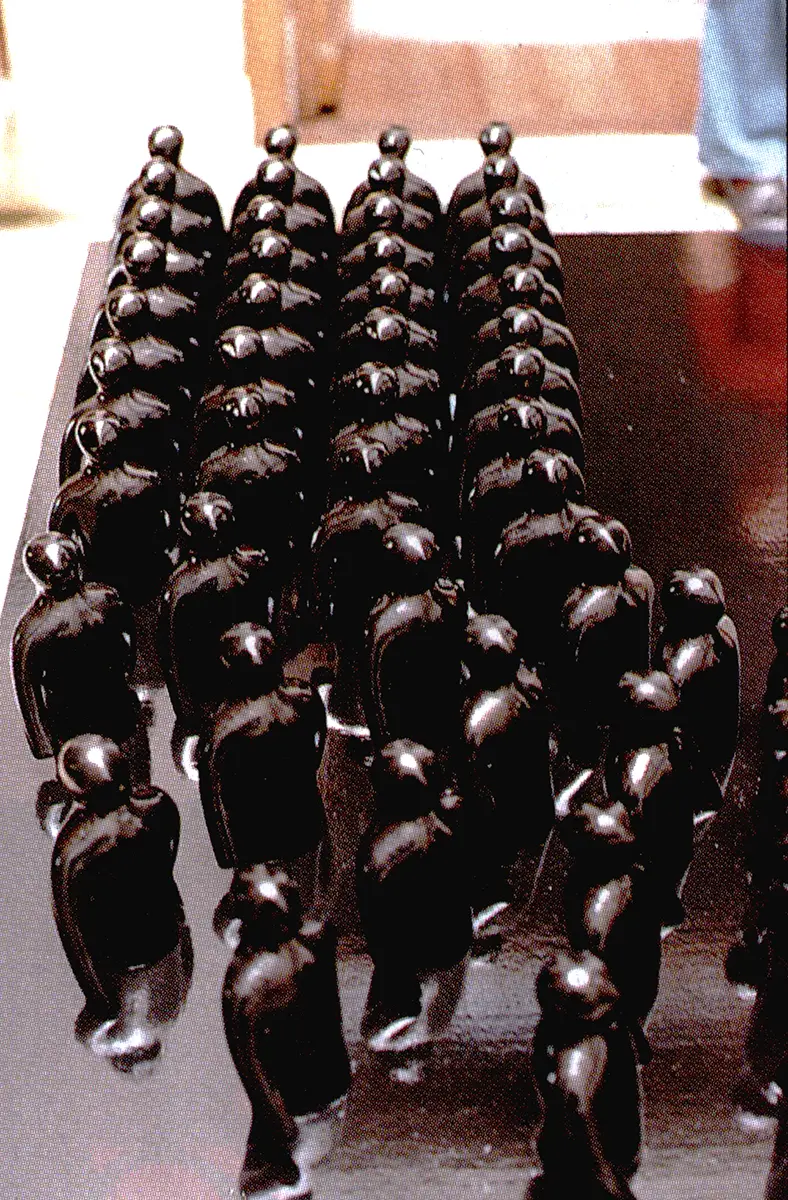
The work of Javier Bassi (1964) is not read well on the electronic screen. It is unable to adequately translate the most outstanding feature of his work: the somber colors and subtly graded textures of his paint. There is, however, beside him, a striking array of young painters recently added to the museum who illustrate what the curator, Alicia Haber, rightly terms a radical change in Uruguayan art. It has lately veered from its usual placidity and matte coloring (geometric abstraction remains an isolated episode of the 50s and 60s) into work utilizing more daring and colorful images are the external expression of inner freedom discovered after the military dictatorship ended in 1984.
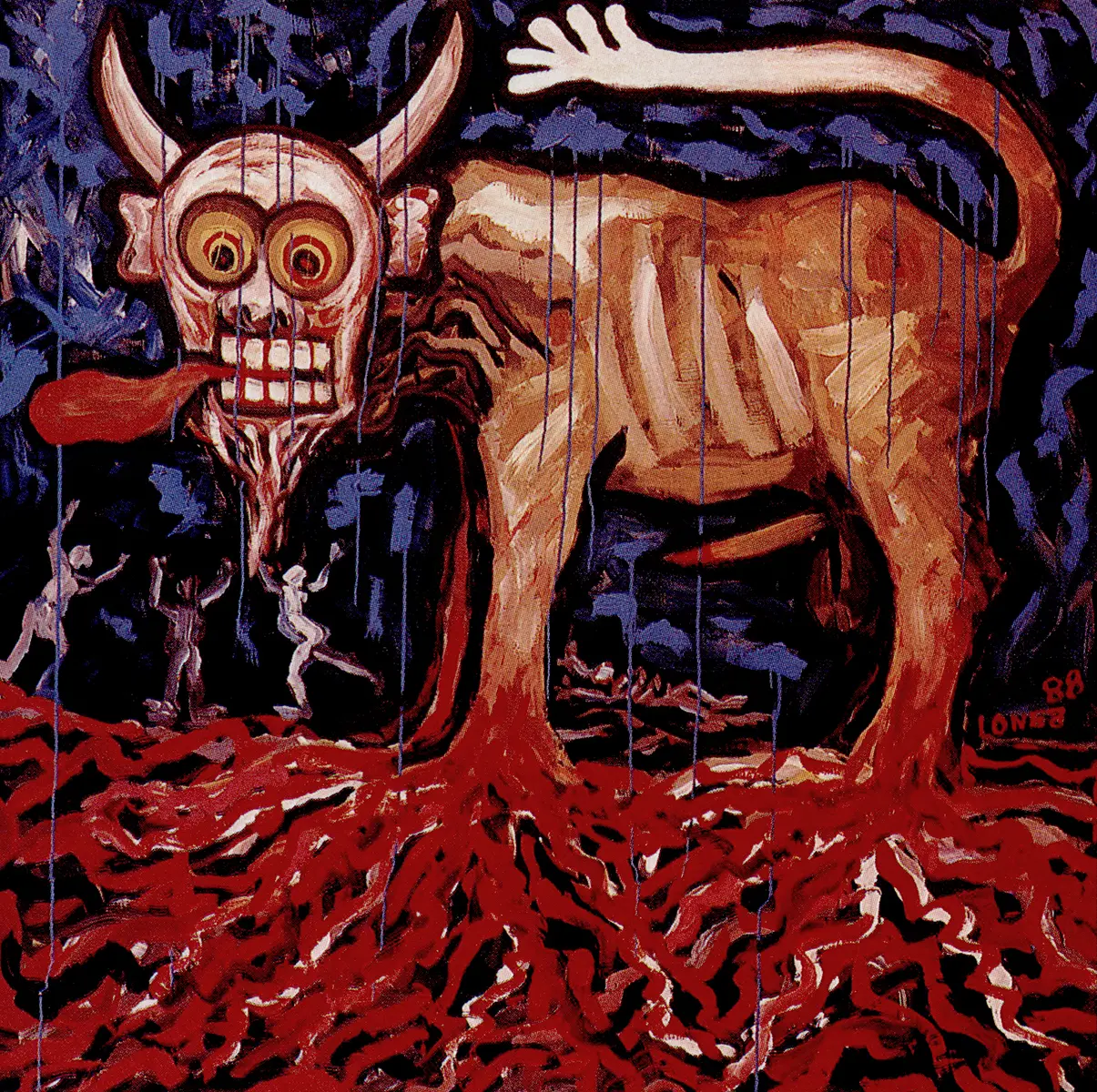
Several painters illustrate this trend, born not only of their inner expressive sense but also from the influence of European painting, which has now led Uruguayan artists towards figuration and expressionism. The references to European painting are quite obvious but this does not limit their originality: van Gogh, for instance, looming over Virginia Patrone's powerful Maternity and Hotel Colón, Jean Dubuffet and Hans Arp behind the garish coloring and aggressive imagery of Hugo Longa, Francis Bacon presiding over the desolate, catatonic Carlos Musso, or fin de siecle symbolism as the explicit inspiration for Álvaro Pemper’s Salomé.
MUVA is authentically “interactive" insofar as it allows for individual communication with each visitor. A word of warning, however: it works at its best with Netscape 3.0, the latest version of this internet navigator.
MARIO TRAJTENBERG
Uruguayan cultural journalist. Resident in Montevideo.