
This exhibition at the Maison de I'Amerique Latine, titled Comment peut-on être cubain? (How can one be Cuban?), was initiated by the Ludwig Foundation (an outpost of Havana) and prepared in Cuba. With the support of various cultural bodies of the Ministry of External Relations of France and the National School of Fine Arts of Paris, it included painting, installations, and photography. This was the first major show of its kind at the official level in France and offered a selection of work by 14 contemporary artists, all residents of Cuba. The Latin American Institute of Rome presented simultaneously, under the auspices of the Cuban Embassy in Rome, a show titled Contemporary Tendencies in Cuban Art, with established young artists working from within and outside the island.
At first sight, the title given to the show was not very clear—despite its reference to Montesquieu's Persian Letters—and its ambiguity seemed to create confusion about being a Cuban (artist) within and outside the island. "How could one not be Cuban?" one person wrote in the visitor’s book. Perhaps this is the real question that these artists tried to answer. The deliberately provocative concept/ question was an attempt to make the visitor question the social, political, and cultural context of art in this country, and the outlook for its identity in the context of globalization. However, while sharing these objectives, the visitor could also understand the works and see the artists as prisoners of a question whose ambiguity was both evident and complex. Confusion could also arise from the fact that the artists who have left Cuba and who are now working outside (in Europe, Mexico, or the United States) are precisely those who have given Cuban art an international reputation (and identity), expressing its essence through social critique.
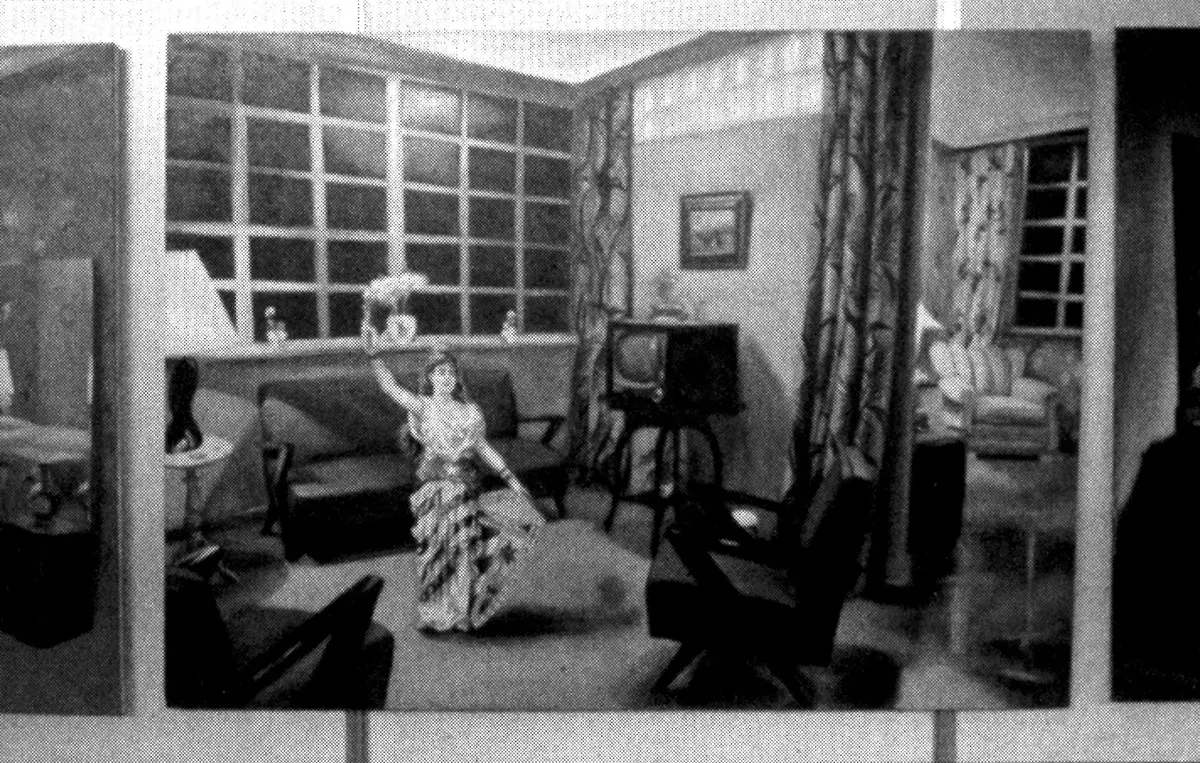
The Ludwig Foundation selection, which was well-balanced, sought to reflect through a diversity of works the problems concerning the economic, ideological, cultural, and sexual situation on the island. The Maison d’Amerique Latine devoted two floors to the show, with excellent museography: upstairs, there were image symbols, some of a paradigmatic kind, of Cuba; paintings by Jose Angel Toirac with the Turquino peak, the highest in the Sierra Maestra; an installation by Marlon Castellanos, with 18 packing paper bags (the only ones available in Cuba), with the image of a Russian truck painted in black on them; an installation by José Manuel Fors that was a kind of initiatory journey along the path of memory, with fragments of objects, bones, stone, sepia colored photographs, and sea shells—a possible evocation of shipwrecked rafts. Before the staircase down to the second floor, there was an impressive large format work by Carlos Estévez, entitled the Energy of God (1995), a kind of red sun in the form of a cobweb, at the center of which a mask spat out-fire —recalling the African and ritualist dimension of Cuban culture.
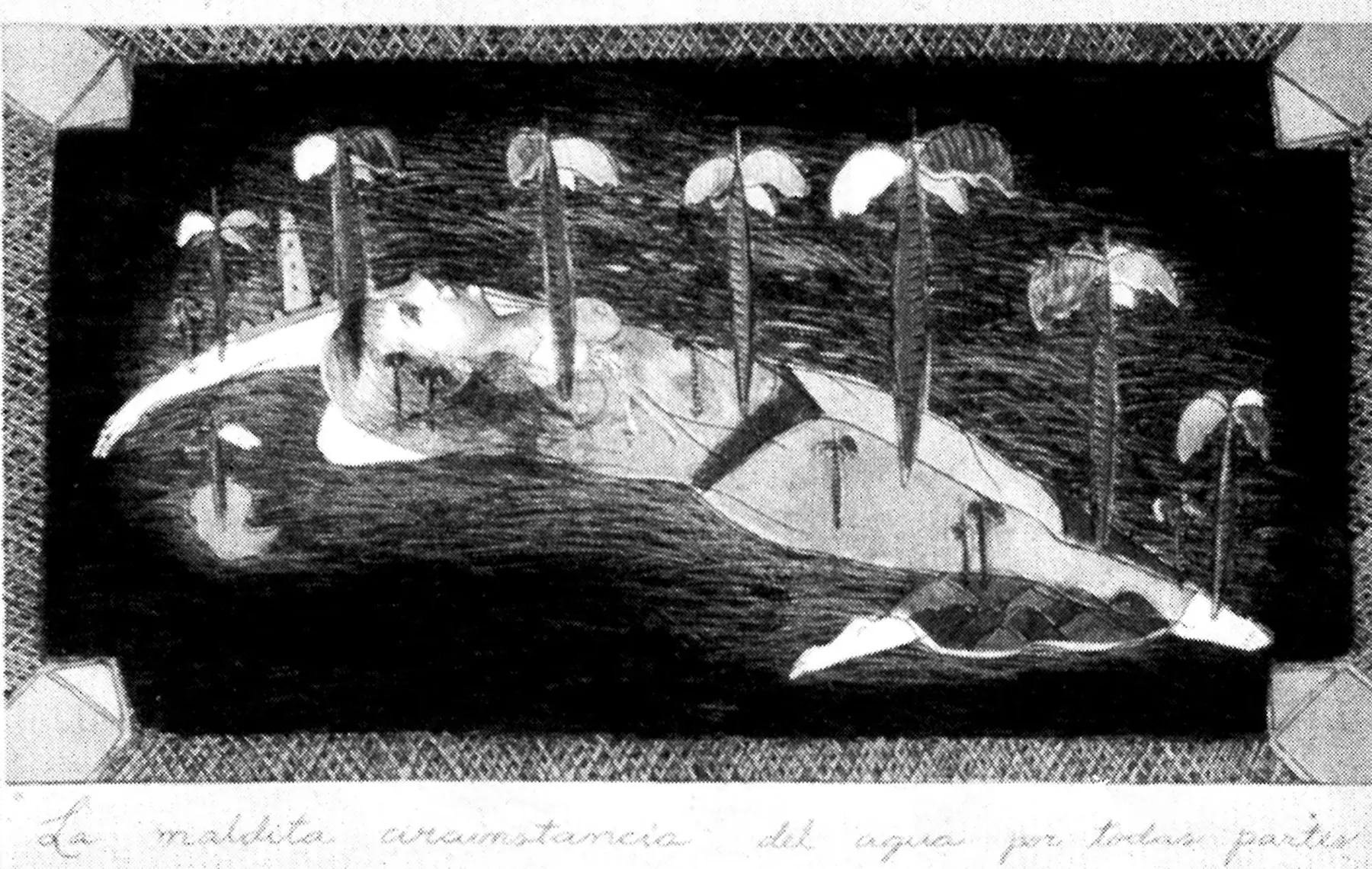
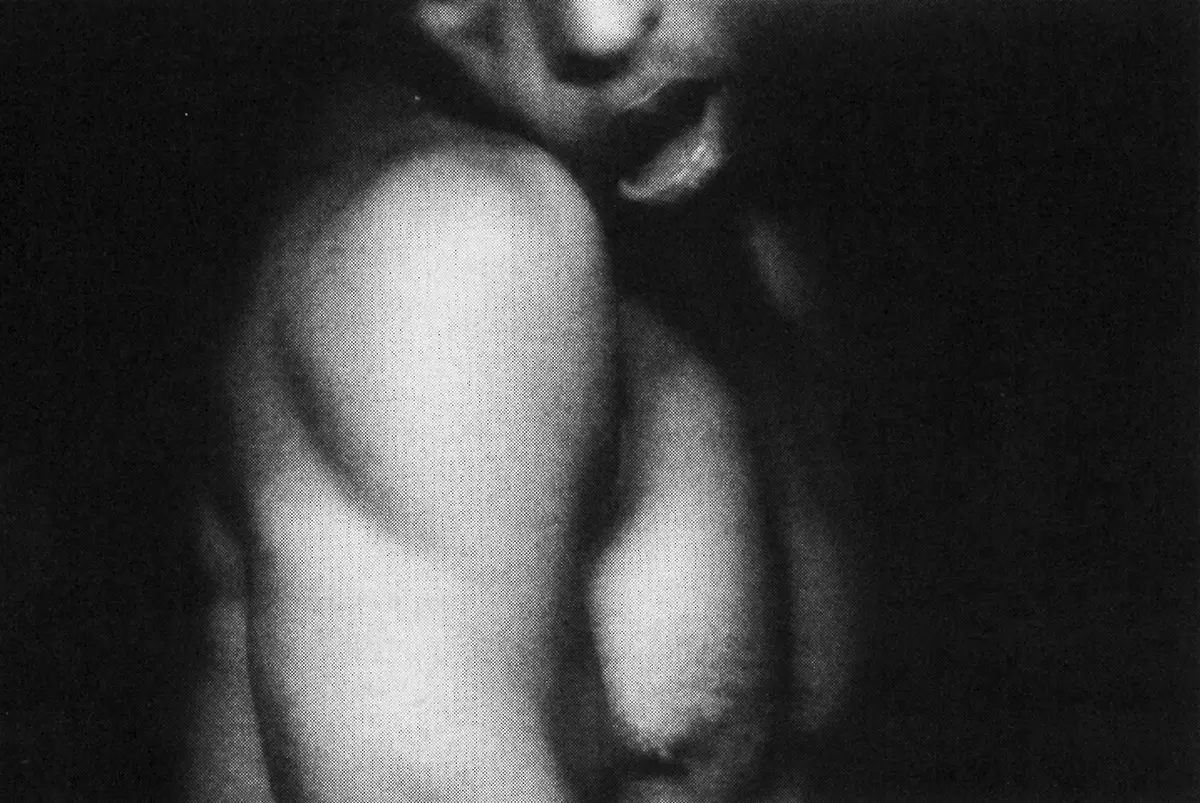
Downstairs, the enormous black and white prints by Belkis Ayón alluded to the secret practices (masked men) of a prohibited sect, as well as Afro-Cuban cults. This entire section explored themes related to sexuality, the relationship with the city and its surroundings, the problems of insularity, artistic and cultural cross-breedings, ideology, and economic failure. The photographs by Abigail González revealed a raw kind of intimacy, while René Peña’s nudes questioned the black male identity. In The Promised Land, Ramón Pacheco proposed devastated and desolate landscapes, while Marlon Castellanos’ installation (a pile of sugar sacks) evoked the trauma of the sugar harvest and the single crop. Special mention must also be made of the humoristic, historic, and utopic-satirical parti-pris of Tonel (an ephemeral work painted on the wall), and the paintings of Pedro Álvarez.
It was above all the realistic-poetic chalcographies by Sandra Ramos (evocative of the surrealist collages of Max Ernst), and the photographs by Carlos Garaicoa on the relationship between man and the city which reflected, with tenderness and poetry (the former) and the disillusion with the absurd (a reference to Duchamp with his tooth brush) (the latter), all the pain and solitude of the insular being.
What was striking in this collection of works was the absence of any frontal critique such as that which emerged in the 1980s—the icons of the Revolution heroes have now disappeared—and the expression of a social and cultural malaise that clearly reflected a profound and painful love for the island. Sexuality is a means of questioning identity; the absurd, humor, and irony as forms of escape, metaphorical language which even impregnates the films of Gutiérrez Alea. The young Cuban artists are without a doubt, totally Cuban. Fragile and destabilized, both threatened and strengthened by the present difficulties, their Cubanness manages to emerge within a framework of freedom that they themselves know is limited without distancing themselves from a true balance between their local roots (themes) and their international reputation (modernity).
CHRISTINE FRÉROT