
The Caracas FIA (International Art Fair) 98 demonstrated its firm grounding in the Venezuelan cultural structure as a consequence of perseverance that has turned out to be more powerful than any sociopolitical or economic circumstance. The Caracas FIA has ceased to be an isolated and circumstantial event and has become an axis around which the cultural programming in the city is organized.
That impact was also highlighted through additional activities designed within the context of the Fair such as the affiliated events that were organized along with it. Of note was the seminar titled From the Plenitude of the Canvas to the Overflowing of the Painting, by Fernando Castro-Flórez, which generated a significant response among the intellectual media connected to the visual arts. Likewise, emphasis should be placed on the interest awakened by the presence of Norton Batkin, Director of the Center for Curatorial Studies at Bard College in New York, and of Phyllis Tuchman, an important critic from the United States. Of similar importance was the Young People's Salon, where, under Jesús Fuenmayor’s curatorship, ten artists were brought together and evaluated by a qualifying jury composed of Cecilia Fajardo, Fernando Castro-Flórez, and the Costa Rican gallery owner, Jacob Karpio. The award winner was Alfredo Sosa for his work From the design to the fact of boxes leaning up against a wall and brimming with provocative images. Several special mentions were awarded to the duo of Daniela Lovera and Juan Nascimiento and to the important work of Carlos Julio Molina.
Noteworthy was the TECNO-FIA, which is in its third season and reaffirms the willingness to provide incentives for bringing art and new technology closer together. On this occasion, projects were presented by Venezuelan artists, among them, Enrique Enríquez, Pedro Morales, Nela Ochoa, Esso Álvarez, and the trio Escuadrón Sudaca.
FIA 98 defined the activities of all circuits related to art. It would be helpful to highlight the exhibitions of Roberto Magalhães at the MACCSI and Jaume Plensa at the Jacobo Borges Museum, a Catalan and guest of honor at the FIA 97 and one who links his current exhibit to a reflection on contemporary culture through the registering of the kitchen as a place of individual affirmation, a space for formal interaction, and a creative environment in the culinary arts. Also worthy of mention were the programs organized by the private galleries in sync with those of the Fair. Of particular note were the efforts of the Grupo Li with the third year of their exhibit titled Cosecha (Harvest), which brought together an exhibit of more than 30 outstanding artists under 35. Mention must be made of the supportive reception by the national press.
As we get to the matter we must mention that this version of the FIA drew the participation of 50 galleries, coming from Colombia, Brazil, Spain, Costa Rica, Peru, Argentina, the Dominican Republic, France, Mexico, and the United States. Many of them occupied larger spaces, which translated into an increase in the number of works on display. Nevertheless, some argued that this is the moment to fine-tune the selection criteria so as to promote a higher caliber and greater coherence in the work.
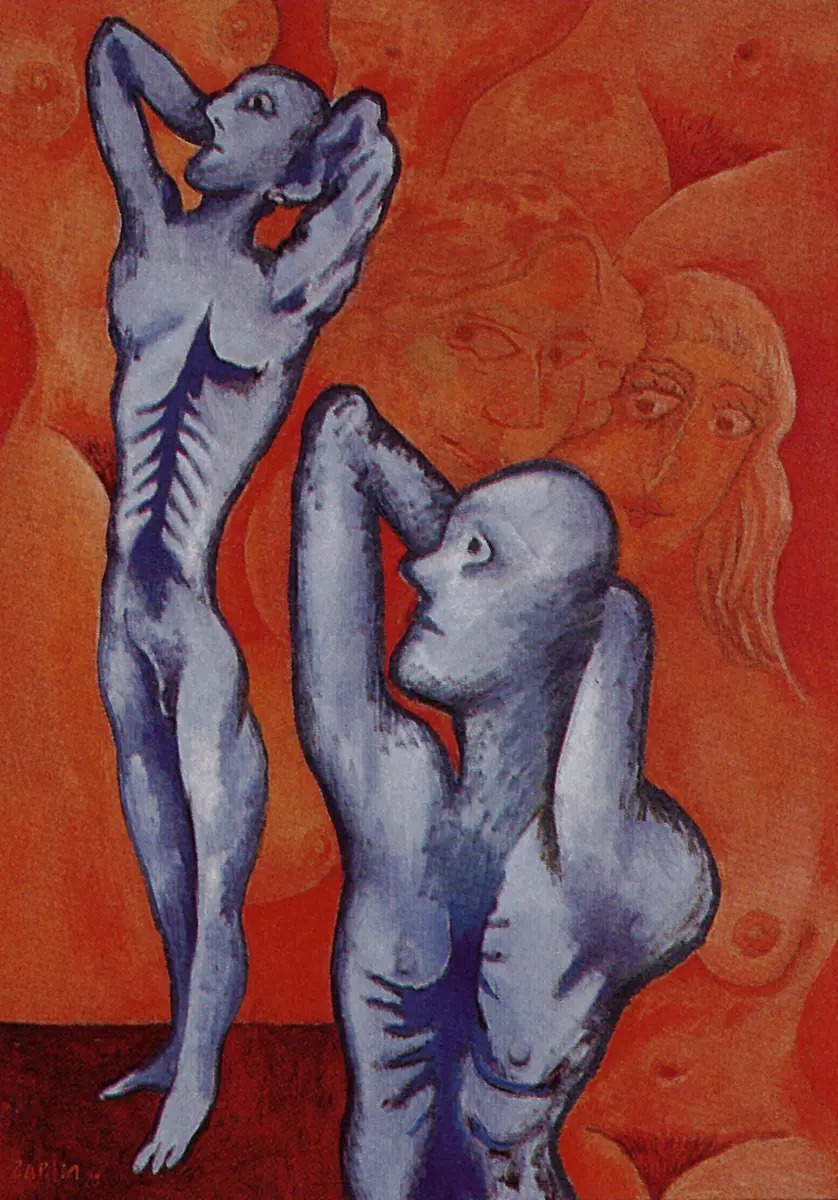
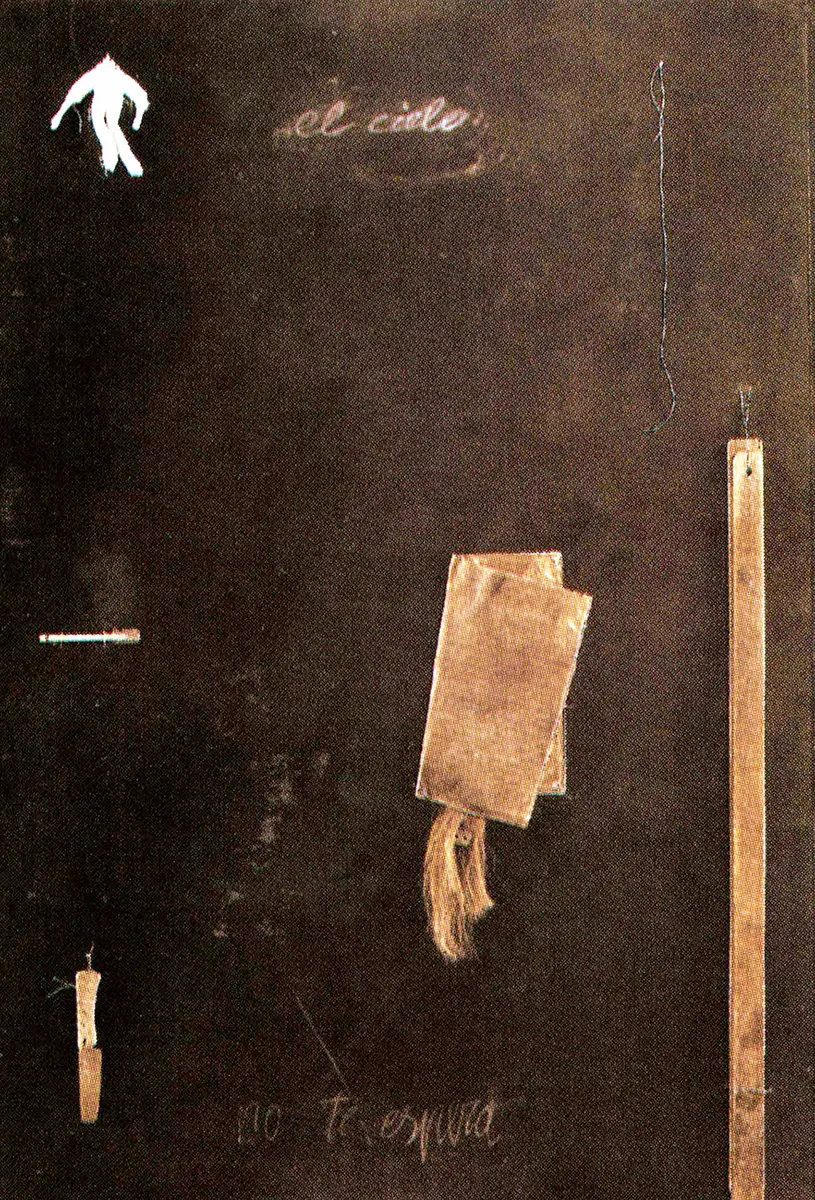
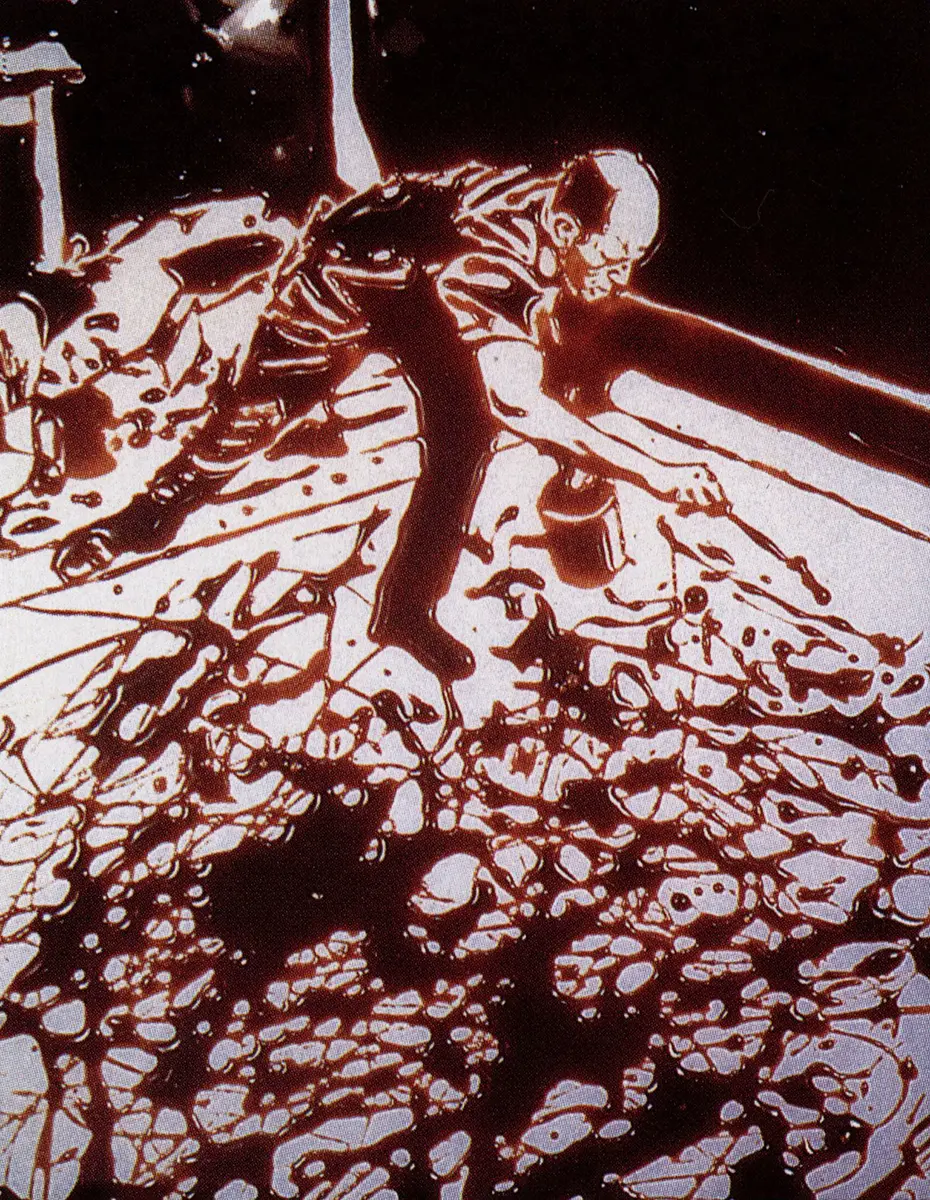
Pedro León Zapata was the Venezuelan being honored, and the special guests were Carmen Calvo from Spain and the Brazilian artist Vik Muniz. Zapata in Galería Sin Límite is an esteemed and admired artist who combines in every one of his pieces all of the genres and disciplines he cultivates: caricature, drawing, painting, communication, humor, and chronicles—in short, his pieces are veritable compendia that never cease to surprise and persuade. Calvo is an artist who generally turns to chalkboards, gameboards, or surfaces that serve as palimpsests upon which are accumulated the most varied and autobiographical objects. The sense of recollection, selection, and classification serves as a base for the extraordinary and suggestive compositions by this interesting artist. Carmen Calvo represented Spain at the last Venice Biennial. Muniz looked to photography as a guide more than as a self-sufficient means. Taking this as its starting point, his work turns representations into curious ambivalences, all the while duplicating them through unexpected materials: thread, chocolate, melted candies, mud, etc. In this way, representative illusions are produced out of extraordinary materiality and transmuted artificiality.
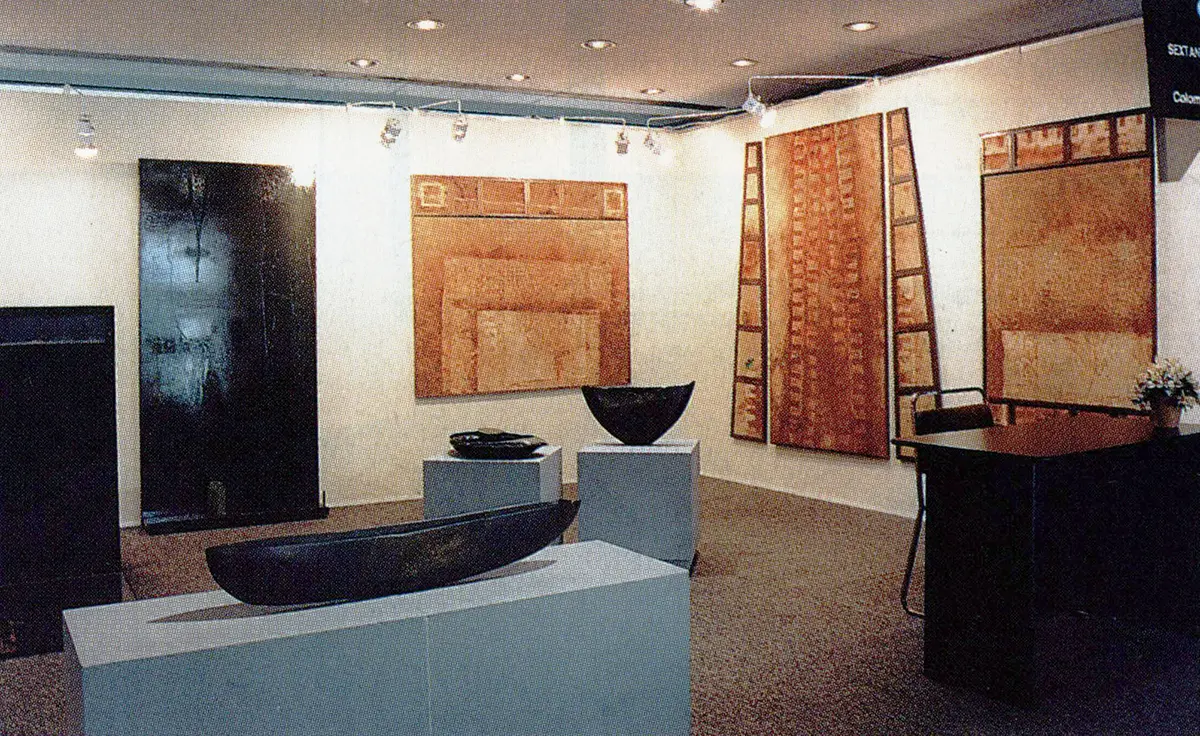
The sequence elaborated in the FIA 98 makes for fine viewing. Every time a group of artists congregated in the Sextante Gallery stand, even as they assumed distinctly personal and technical languages, they promoted the harmonious atmosphere of a collective. On display were the works by Alberto Riaño, Hugo Zapata, Ricardo Benaim, and Luis Fernando Peláez. Together, they produced a sort of suggestive installation.
The Quinta Gallery from Bogotá presented an individual show with an extensive and documented selection of the Lithuanian-Uruguayan master, José Gurvich. The Euro Americana Gallery of Caracas with a sort of anthology-style selection that recalled the ten-year anniversary of the death of the “archaic-classic” artist, Emerio Darío Lunar, which also falls within this individual approach. The same happens with the collection of pieces by Ignacio Iturria presented by Praxis Arte Internacional Gallery of Buenos Aires.
Viewing the Fair immediately put us in contact with the spaces occupied by Joan Guaita Art, a Spanish gallery in attendance for the first time and which showed an interesting variety of works, among them Kcho, Ernesto Pujol, Bernardí Roig, and above all, Manuel Mendive who, through his spiritual beliefs and ritual indications, presents a broad range of tapestries that revitalize the allegorical and mestizo vision of art.
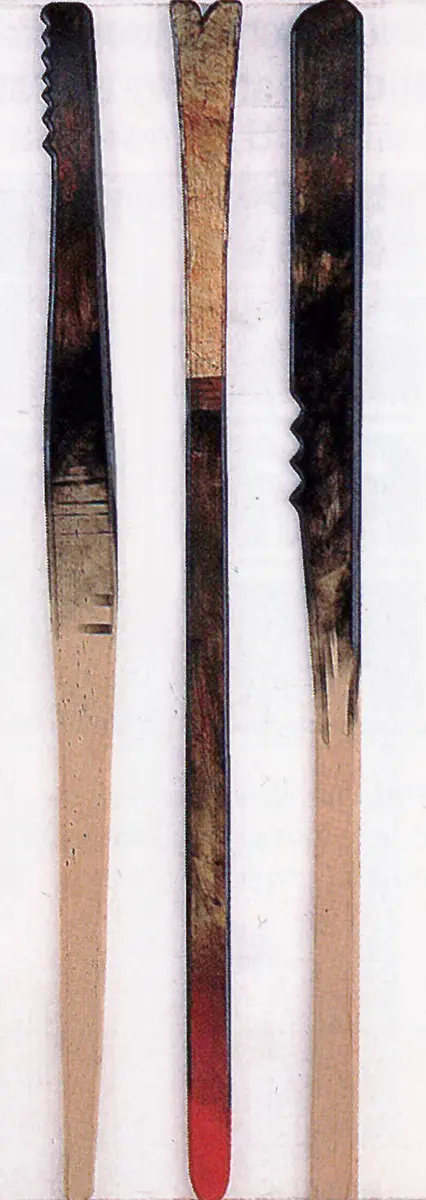
Also seen for the first time at the Fair was the Forum Gallery of Peru, which brought us into contact with the works of Eduardo Tokeshi, a Peruvian artist of Japanese descent, who presented several vertical planks with images that simulated inlaid material and ritually inspired symbols associated with the multiracial world. The impeccable finish combined with a certain naive touch and a dose of kitsch heightened the challenge and persuasions of these renditions. The Forum Gallery presented a particularly interesting group of sculptures by the artist, Silvia Westphalen.
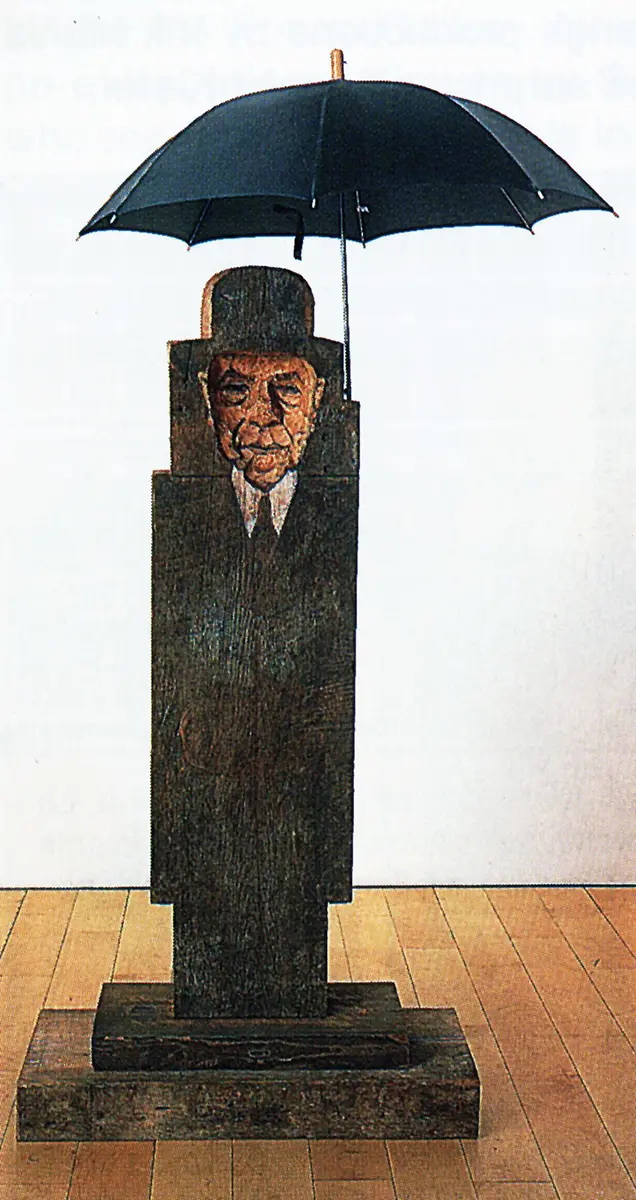
The presence of the Marlborough Gallery was a gratifying stimulus for visitors to the FIA 98. Among the various works, one could appreciate were those of Magdalena Abakanaowicz, Fernando Botero, Claudio Bravo, Arnaldo Pomodoro, Alex Katz, Juan Genovés, and Antonio Saura. This was accompanied by the powerful presence of five medium-sized pieces by Marisol. Special mention should be made of two sculptures in which the artist pays homage to René Magritte, the surrealist painter from Belgium.
The Thomas Cohn Gallery of Brazil exhibited a varied collection of pieces by Cildo Meireles, Waltercio Caldas, Beth Moysés, Félix Bressan, and Rosana Palazyan. An extraordinary piece by Tunga, constructed of pleated felt with cord and screws, recalling a strange article of clothing, was also on display. Of similar interest were the paintings of Daniel Senise, noteworthy due to the atmosphere wrapped within their environments as well as for their subtle sensuality derived from the silk covering the surface of the paintings. Also from Brazil was the important presence of the Camargo Vilaça Gallery. The plurality and quality of the works on view preclude any summary description. It is enough to mention the assemblages of Pedro Cabrita Reis, the subtle and suggestive pieces by Rivane Neuenschwander, the strange productions by Vik Muniz, and the striking and always surprising Anselm Kiefer.
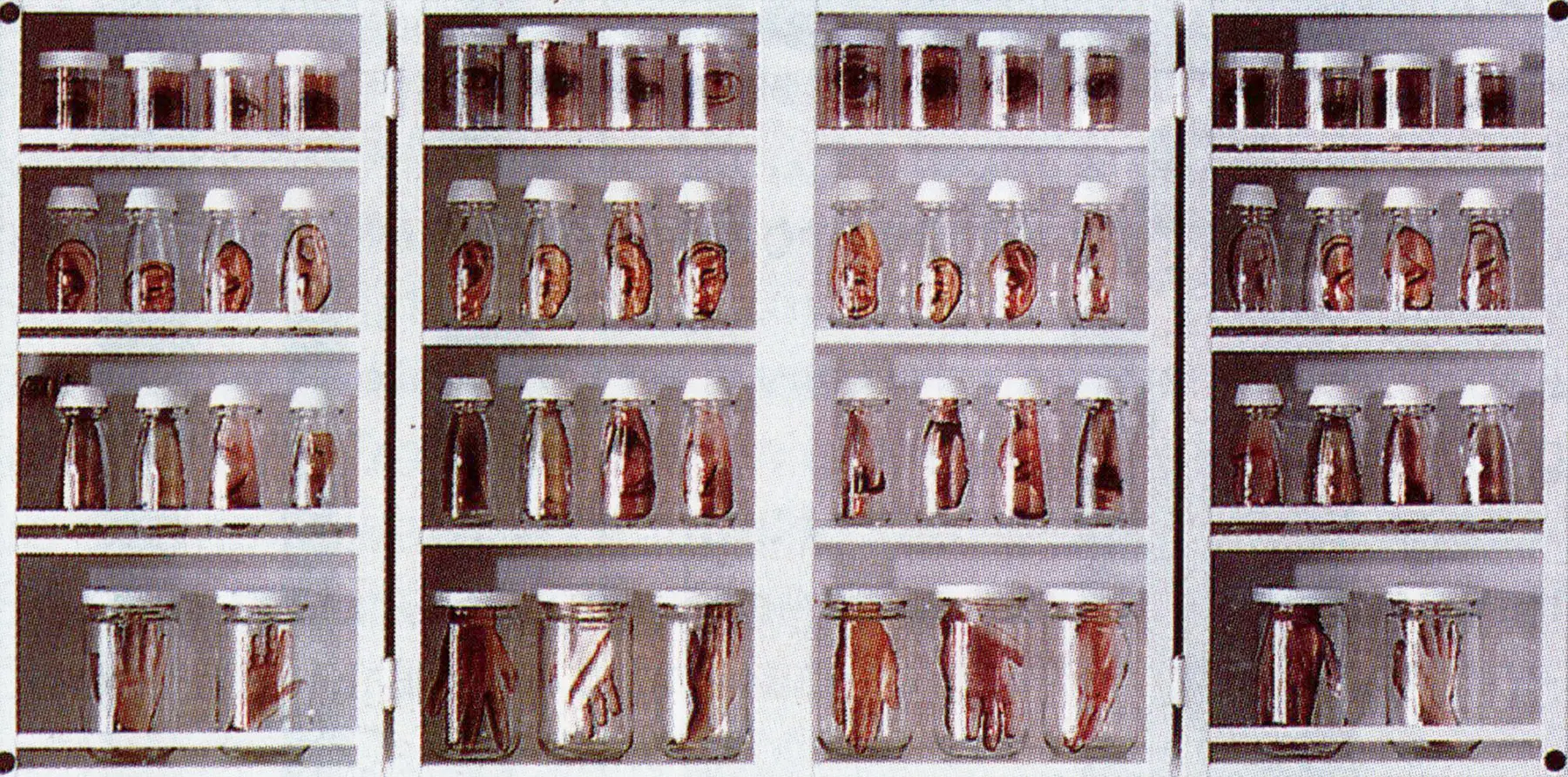
The Colombian galleries reaffirmed their support for the FIA with an important presence. The El Museo Gallery filled an extensive space and presented a variety of pieces by Óscar Muñoz, Vicky Neumann, Rodrigo Facundo, Aurora Cañero, Ana Mercedes Hoyos, and Nadín Ospina, among others. To this list were added the extraordinary and intimate productions by the well-known Spanish artist, Paloma Navares who recently exhibited at the Alejandro Otero Museum in Caracas. Among the various pieces by Navares, El armario de los sentidos (The Wardrobe of the Senses) was noteworthy—a small-format piece in which the artist places images in bottles alluding to each of the human senses, which are turned into a series of modules, laden with irony and criticism. The Alonso Arte Gallery could be observed in its display of works by Nicolás de la Hoz and Luis Cabrera-Montenegro. The Luis Pérez Gallery exhibited pieces by Botero, Bravo, Matta, Morales, Negret, and Rosas, as well as some erotic drawings by Alejandro Otero.
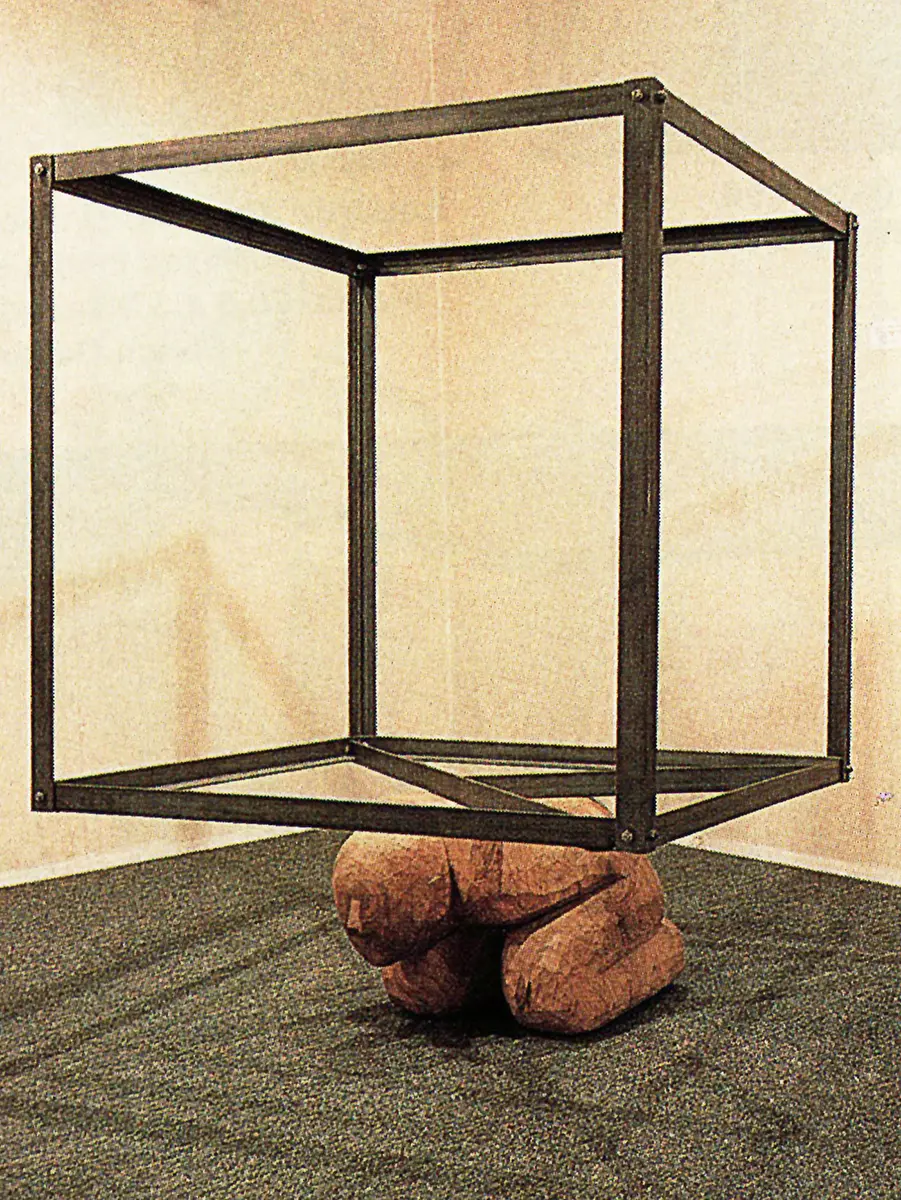
The Der Brücke Gallery from Argentina presented an elegant and representative show of works by José Bedia, Óscar Páez, Mauro Machado, Juan Lecerona, and Eduardo Medici. They also exhibited a sculpture by Tulio Romano in which his mastery in carving wood played with the definition of a prototype that supports the weight of an orthogonal structure. Without a doubt, the symbolic charge of this piece, combined with its expressive force, reveals the sculptural ability of its creator.
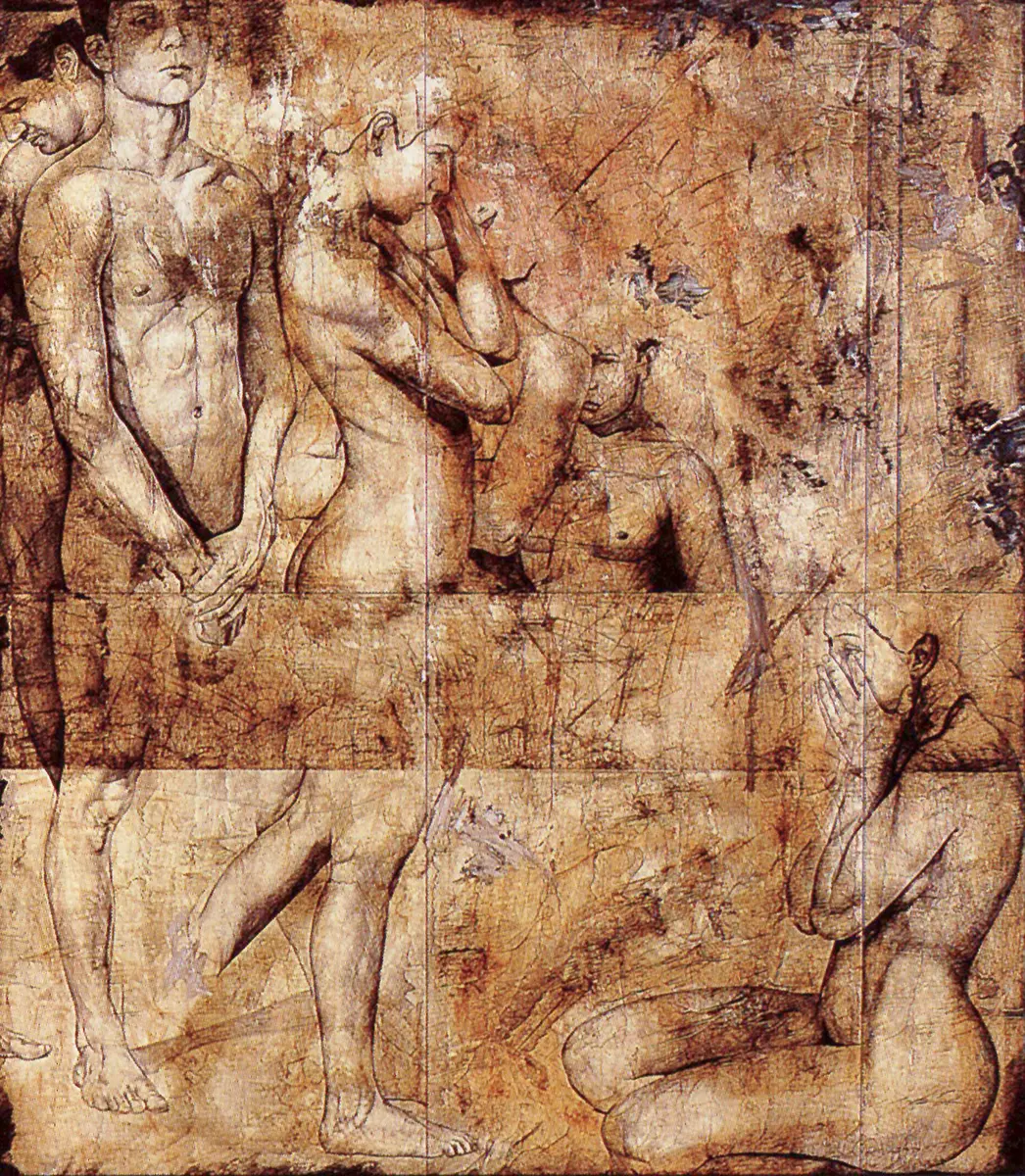
Praxis International Art of Mexico brought together a curious collection of pieces by Santiago Carbonell, José Nuño, Roger Mantegani, and Roberto Cortázar. It is worth emphasizing the rarefied and defiant atmosphere produced by the piece by Cortázar titled Siete figuras humanas caminando en una habitación (Seven Human Figures Walking Around a Room) in which the figures share a psychological temperature that strains toward deep nostalgia.
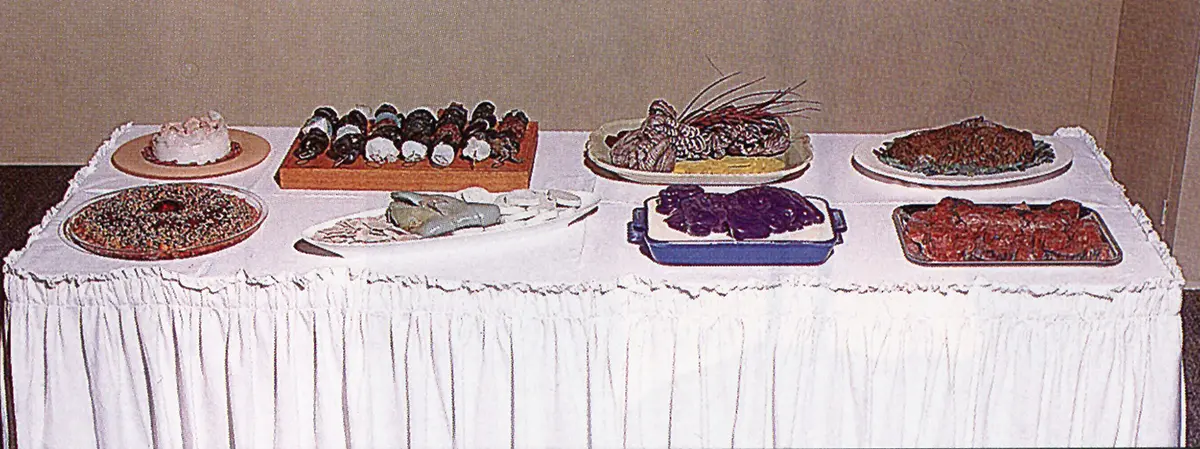
In its space, the Leila Mordoch Gallery of France brought together a variety of works by the French artists, Gerard Delafone, Patrice Girar, and Laura Nillni. Also housed in the space was an installation by Carlos Poveda, made up of a table piled high with mimetic forms that explicitly allude to foods that awaken contradictory sensations of incitement and repulsion.
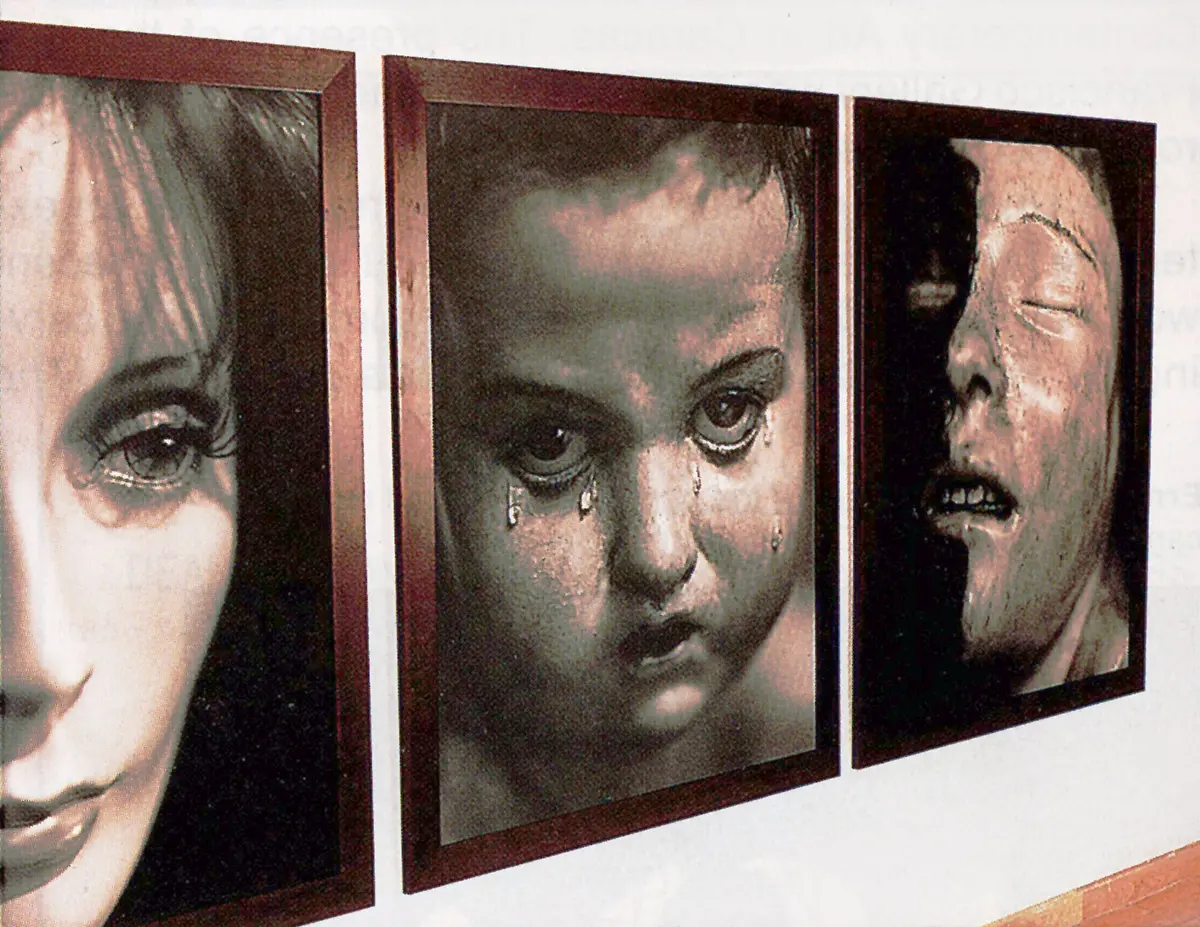
Noteworthy in the Spanish galleries was the selection by Luis Adelantado that allowed one to see extraordinary pieces by José Noguera, Miguel Navarro, Eva Lootz, José Pedro Croft, and the young and successful Venezuelan artist, Emilia Azcárate; the pieces by Carmen Calvo must also be highlighted. Among the Spanish galleries the Elba Benítez Gallery which showcased the piece by José A. Hernández-Díez, composed of a piece of furniture that serves as a base for a monitor showing a suggestive video, was also a highlight. Equally moving were the large-format photographs by Valentín Vallhonrat which approach the immediate planes of wax faces that appear to sweat through their humid, oily skin. The impact of these images is heightened as a result of an impeccable technical achievement.
The quality of the works remained high in the spaces occupied by the Carles Taché Gallery which once again offered viewers the opportunity to enjoy pieces by José Manuel Broto and Lluis Lleo. In addition, they exhibited an excellent piece by Joan Brossa.
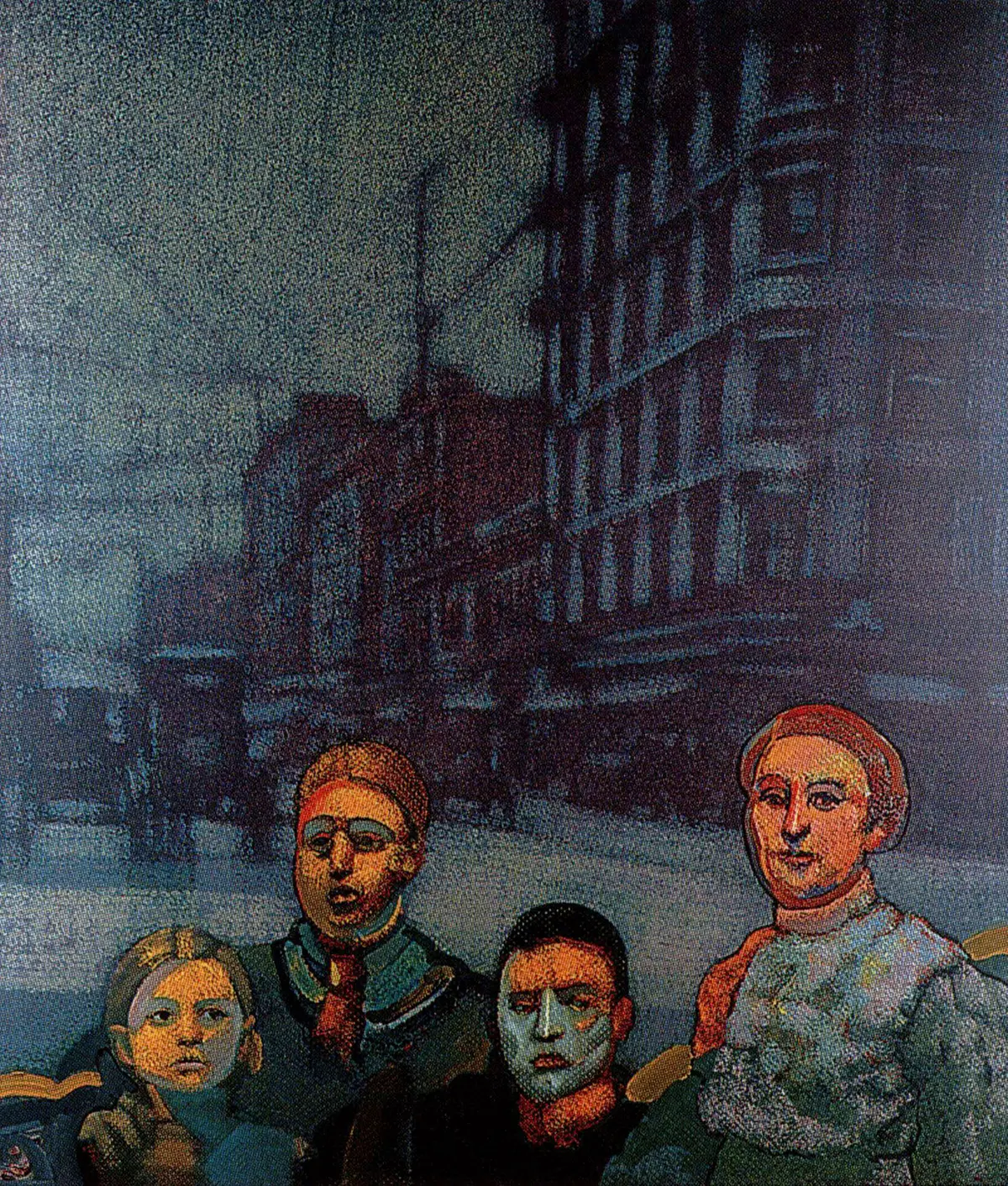
Paintings by Joan Miró, Joaquín Torres-García, and Roberto Matta were shown in the Spanish gallery, Almirante y Mercart. Other Spanish galleries at the FIA as was the case of the 4.17 Gallery’s extensive show of small-format sculptures by Joseph Bofill, Elena Laverón, Carlos Evangelista, and Cristóbal Tovar while the Espai Miguel Gaspar Gallery maintained its high quality with stupendous paintings by Lluis Barba, along with a piece by James Rosenquist and a magical and curious assemblage of shoes by Susanne Höppner.
Costa Rica made its presence through the Jacob Karpio Atma Gallery. Priscilla Monge's pieces warranted special attention—articles of clothing composed of sanitary napkins which the artist wears and walks down the street in, provoking curiosity and astonishment from passersby.
The Adriana Schmidt Gallery from Germany presented the work of four impeccable artists, Eduardo Chillida, Paloma Navares, Jaume Plensa, and Antoni Tàpies.
In addition to the presence of foreign galleries was the sizable participation of Venezuelan galleries. A systematic walk through the FIA 98 leads us to the gallery of the Fundación Previsora in which the coherence of the works was patterned around the concept of the fabulous and of magical realism. One could appreciate works from the series Haciendo Aguas (Making Waters) by Edgar Álvarez Estrada, Yeguas Pentesileas of Zañartu, among others. The Acquavella Gallery, as in previous years, insisted on displaying masters from this century: Anthony Caro, Manolo Millares, Darío Morales, Francisco Zúñiga, Rafael Cauduro, Antonio Barrera, and Fernando Botero. The Altamira Gallery exhibited a broad range of pieces by Jesús Soto and works by the young Venezuelan artist, Alberto Cavalieri.
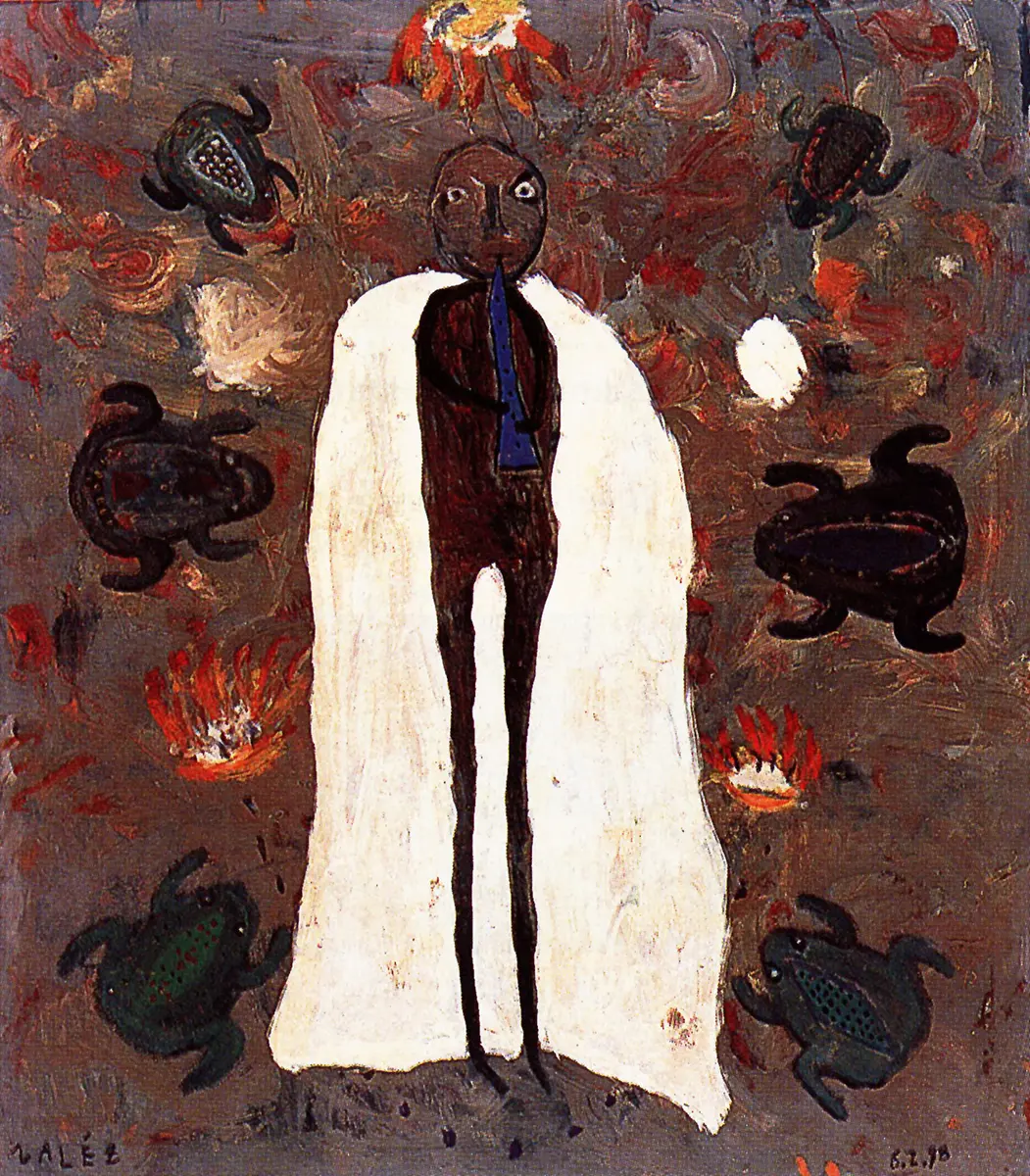
An extensive list of works was at the same time shown by the Ars Forum Gallery. Noteworthy among them was an extraordinary diptych by Roberto Obregón, an artist who represented Venezuela in the last Venice Bienniale. Likewise, one could appreciate persuasive paintings in a variety of formats by Margot Romer.
In the spaces of the D’Museo Gallery, one could appreciate a stupendous series of graphic pieces by Tàpies.
The Ascaso Gallery of Valencia exhibited a piece by Carlos Cruz-Diez that was featured in the São Paulo Biennial. They also showed a great sculpture by Baltazar Lobo.
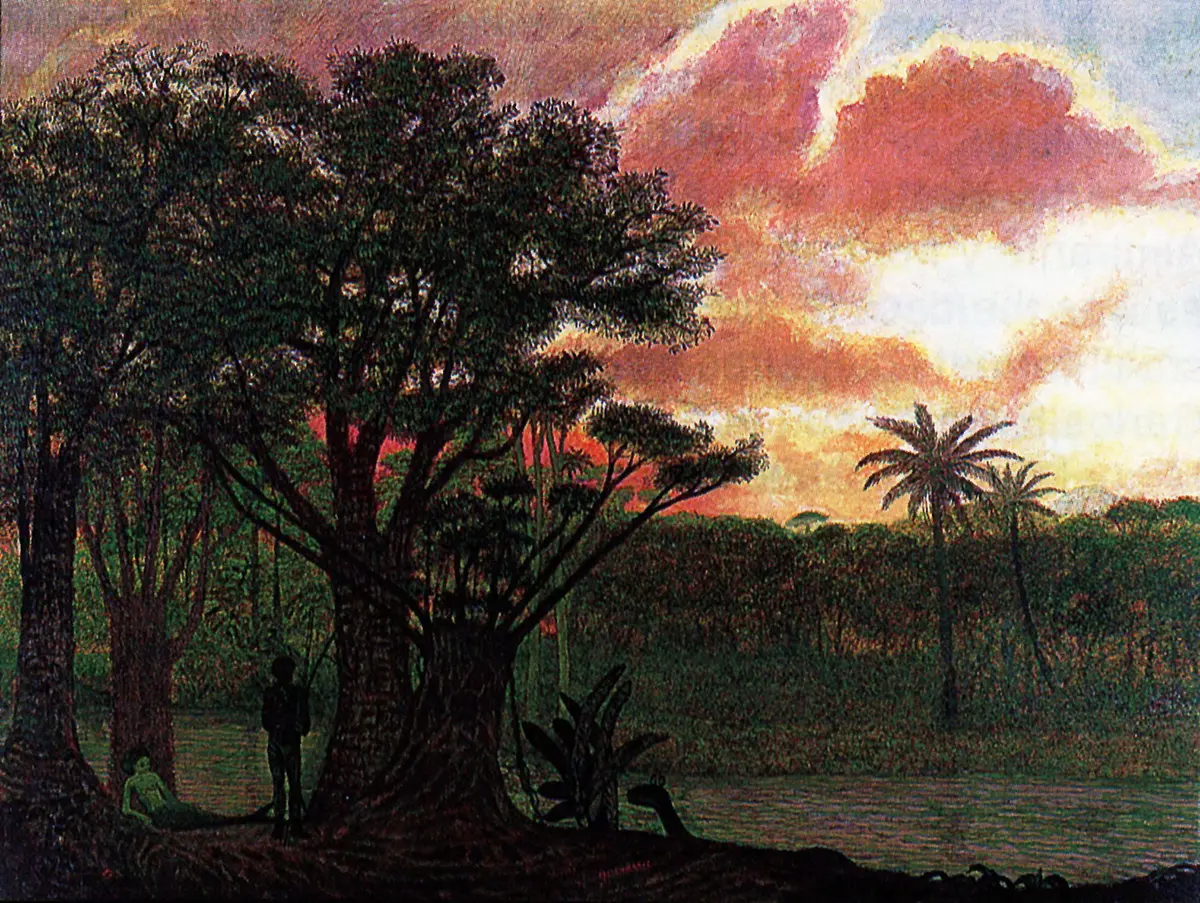
The Durban Gallery concentrated basically on three artists: Agustín Cárdenas, Jesús Soto, and the expressive Venezuelan artist, Ernesto Zalez. The ample spaces of the Freites Gallery housed pieces by Armando Barrios, Jacobo Borges, Santiago Cárdenas, Lynn Chadwick, Henry Moore, Alirio Palacios, Manolo Valdés, and Abigail Varela; Three recent pieces by Edgar Sánchez were displayed that demonstrated the maturity of a career brought to bear on a project producing multiple dialogues among techniques, genres, and times.
The Graphic/CB2 Gallery profiled the harmony of its spaces according to constructivist languages. One could observe representative pieces by Soto, Cruz-Díez, Nanín García, Benito Rosas, René Ugarte, Ramón Morales Rossi, and Zerep. The Minotauro Gallery showed the possibilities of fantastic languages through pieces by José Gamarra and Matta. They also exhibited numerous paintings by Pájaro and Pancho Quilici. The former insisted on an interesting mixture of ritual and mythology, revealed in the integration of figures and landscapes. Quilici, in turn, was astonishing in his capacity to generate subtle geometries that framed desolate and expansive landscapes.
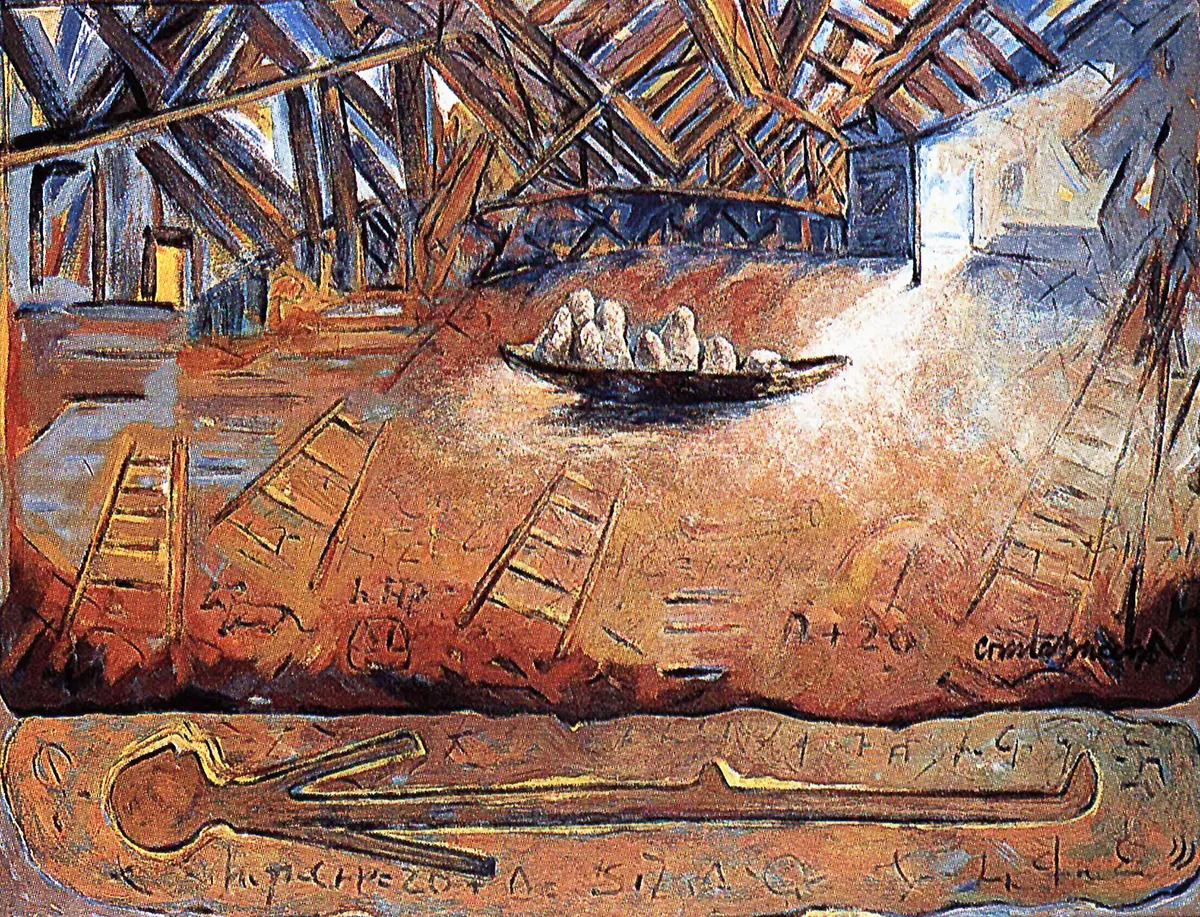
At the Okyo Gallery paintings by Justo Osuna were displayed along with “three-dimensional drawings” by Antonio Lazo, and an interesting glimpse of what Asdrúbal Colmenarez will be showing at the Sofia Imber Museum of Contemporary Art in Caracas. The presence of the San Francisco Gallery was noteworthy primarily because of the rotund sculptures of Cornelis Zitman.
The Uno Gallery succeeded in bringing together an extensive range of artists, including Amaral, as well as recent works by Ismael Mundaray and an extraordinary wood carving by Francisco Narváez, titled La pescadora (The Fisherwoman). The Grupo Li Art Center drew a good deal of interest due to the exhibition of several paintings by Félix Perdomo. Also worthy of mention was the sales success of the pieces by the sculptor James Mathison. The marvelous architectural speculations of Julio Pacheco Rivas also provoked great curiosity. The Fair’s sequence of viewing finally put us in contact with the exhibition presented by the Icono Gallery, composed of a series of sculptures by Sydia Reyes and paintings by Corina Briceño. Reyes featured a series of encapsulated sculptures that manifested the pressure and repression that accompany objects from their urban speculation. Corina Briceño, in turn, made viewers feel the effects of her continuous contact with the Amazon jungle and its inhabitants. These sensations were evoked through signs brimming with nostalgia and ritual qualities.
We cannot conclude this review without indicating that, as in previous years, the event drew the massive presence of the local public as it did a growing and significant curiosity on the part of collectors from other parts of the world.
VÍCTOR GUÉDEZ