Dissemination, Cross-roads, and Deterritorialization was the subtitle of this exhibition curated by Octavio Zaya which sought to bring together artistic proposals from various cultural realities experiencing the joys and sufferings of the globalizing processes underway throughout the world.
Transatlántico navigated through a good part of the planet. Like the little ants in one of the works at the recent Documenta, cultural worlds are little by little losing their purity with each voyage and the particles of color in each flag are blending with the others. The show was one of the recent curatorial projects of Octavio Zaya for the Centro Atlántico de Arte Moderno (CAAM), which marked the final stage of a fictitious trilogy that might have begun with Displacement (CAAM, 1991), followed by Between Zones (Copenhagen, 1996), with each show pursuing problems concerning origins, identity and the resulting losses of territory which displacements and globalization fuse together in the contemporary world of culture.
Some concepts are paradoxical since contemporary culture both identifies a symptom and then champions it and vaunts it as an exclusive condition. Thus the pluricultural and mestizo map of recent times is what makes up international art, while the more autochthonous, virgin, and unknown expressions are consigned to the popular. Access to contemporaneity is achieved either through the channels of technology (the Internet, satellites, television, and international cinema) or by docking in one way or another in the central ports. Transatlántico brought together works by all races and cultures, but they all boarded the ship in New York, Paris, or London. The neo-colonial reality which reigns in the global village and art can be recognized by the market systems. The world is becoming intermingled as a result of trade, tourism, migrations, wars, and social communication media; cultures live in a condition of perpetual negotiation and undergo mediated changes that transit between loss, alteration, and innovation.
It was on such waters that Transatlántico sailed. From their different cultural realities, almost thirty artists helped clarify the currently debated problems of heterogeneity and hegemony, wealth and poverty, freedom and dependency, authenticity and coincidences.
Artist, proposals, and other forms of promiscuousness
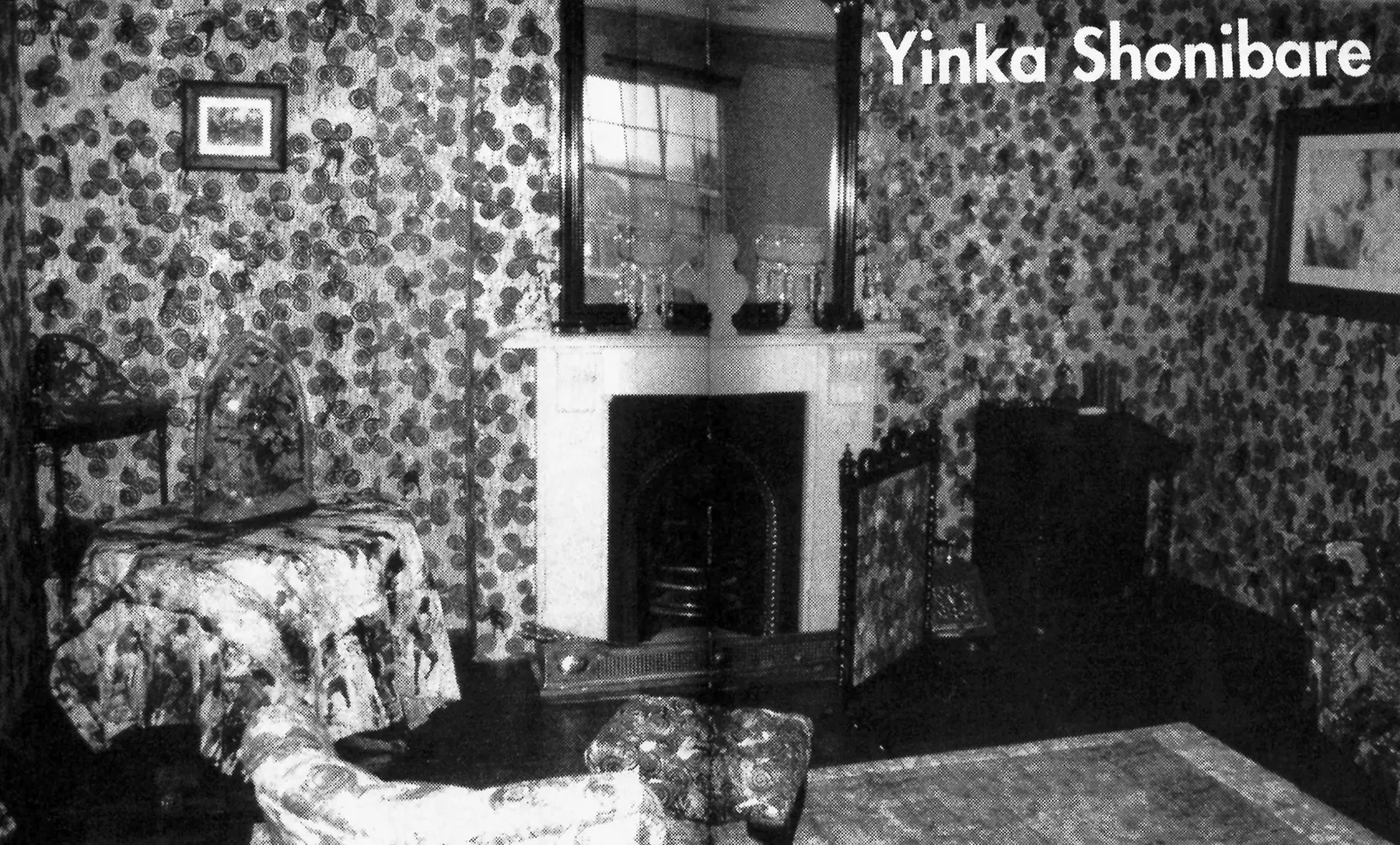
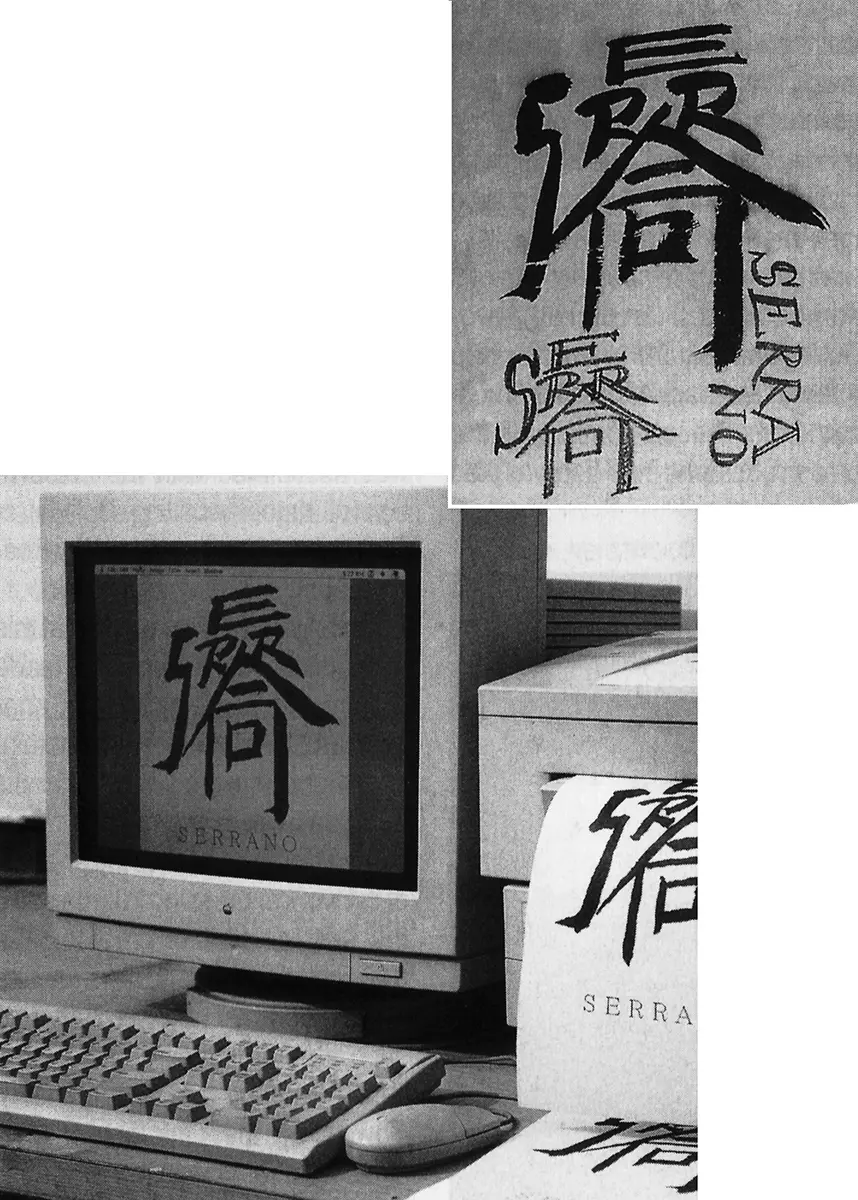
The exhibition took on board works that recreate languages based on the re-invention or crossing of original languages: Xu Bing proposed a new form of writing in which the letters of our alphabet are arranged according to the aesthetics of Chinese writing, fed by a database which included more than one hundred pure surnames written apparently in Chinese. Yinka Shonibare recreated a Victorian drawing room in which all the furnishings (walls, furniture, carpets, curtains) were designed by the artist according to the aesthetics of "African tapestries”. Such dissimilar cultural parameters were combined in a space that created a strange harmony of great beauty and multiple readings where identities were transferred to the organic, fluid, and fused fields. Miguel Ángel Ríos reworked colonial maps and challenged the mistaken interests of those who have manipulated cartography and its ideological causes. The airmail paintings of Eugenio Dittborn and the klepto-collections of Jac Leirner referred to the storing of experiences-events-objects which are the product of movements in space.
Touhami Ennadré is a master of the art of photography, which he imbues with the cultural imprint of his origins (he is from Morocco): "In my culture, there are no images but imagination; in the West, everything is reproduced, and everything is predictable;" his black and white photographs conjure up an aura of mystery, darkness, and dreams. An air of enigma also characterized the photographs of scars-tattoos presented by Rosângela Rennó.
Project Sugar, Project Cotton was the title of an installation by Marc Latamie, which was full of meaningful elements evoking the map of colonial structures imposed on the Caribbean, based on single-crop agriculture, dependency, and slavery.
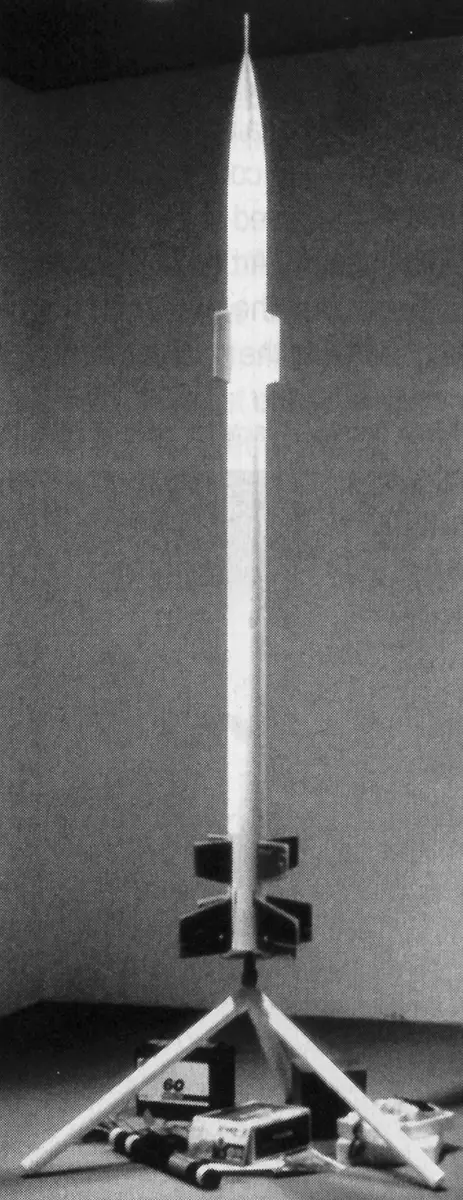
An enormous white missile-a work by Gregory Green introduced the subject of arms and violence as a vehicle of power. For his part, Juan Fernando Herrán, in a handsome photographic installation titled Project Papaver Somniferum examined the growing and marketing of the poppy flower and its resulting illegality. Alejandro Kuropatwa also dealt with the subject of drug dependency from the pharmaceutical and also photographic standpoint.
Kay Hassan presented an installation, The Flight, in which several personal objects of a person who might be an exile, a fugitive, or homeless, were arranged in space, forcing the spectator to move between bags, suitcases, foodstuffs, candles, mattresses, bedcovers, etc. Lovett & Codagnone work together and contrasted the intimacy of a homosexual relationship with the de-sexuality of the public, urban space, while Shirin Neshat examined the subject of discrimination against women in Muslim society. Sergio Vega presented a complex installation, Adan and Eve, in which sex, religion, and nature were placed within a critical and daring railway circuit. Nadín Ospina’s commercial figures (Mickey Mouse, Bart Simpson) “idolized" in the form of pre-Columbian works were perfectly contextualized within the framework of this exhibition. Juan Carlos Robles' Indirect Gaze, invited the spectator to peer through a crack whereby a system of reflections and views produced another set of eyes in which he soon recognized his own gaze.
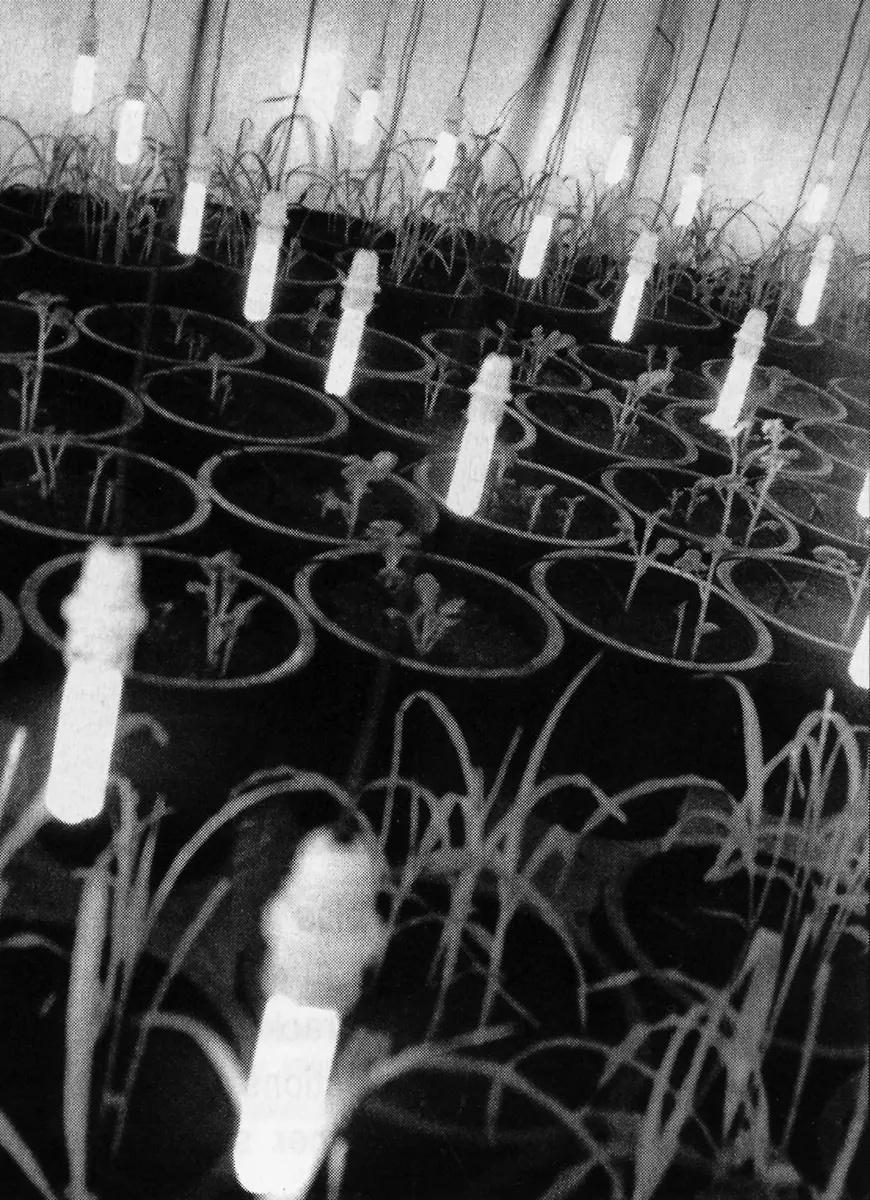
The show also included the neo-academic, handicraft work full of references and historical content of Los Carpinteros; the detailed satellite images of the earth presented by Laura Kurgan; the associate multi-crop cultivation of Néstor Torrens, who transformed one of the rooms of the museum into a greenhouse, a cyberspace for artists proposed by Äda Web through the Internet, as well as works by Oladélé Ajiboyé Bamgboyé, Candice Breitz, Olafur Eliasson, Renee Green, Moshekwa Langa, and Aaron Salabarrias.
Finally, the experience was admirably captured in a splendid catalog of images, texts, and impeccable design-a logbook of this voyage through different perspectives of this small world.
ALEJANDRA POZO