
The 37th edition of the Salon of National Artists, a veritable macro-exhibition, was presented in a six-story pavilion in the Corferias fair complex. The Salon was the result of nine regional events held in the main national centers of contemporary art: Ibague, Santa Marta, Villavicencio, Pereira, Bucaramanga, Medellín, Pasto, Cali, and Bogotá. Lacking any specially invited guests, the event appeared almost exclusively devoted to the new generations which have emerged in recent decades. This made it more palpitating, daring, and in tune with the chaotic society of today. The new artists were thus given ample space for exhibiting their works rather than seeing them packed in closely together as in the past due to the presence of pieces by established and invited artists.
The Salon effectively reflected the symptoms characteristic of art at the end of the millennium. It gave a privileged place to performance art, installations, video, photography, and the presence of groups. There was little painting, formal sculpture, drawing, or printmaking. The show also seemed to eliminate hierarchies and meditated on the meaning of the “here and now”, since it is produced within a society stigmatized by various forms of violence and largely disorientated as regards the establishment of clear cultural objectives.
To provide greater space for the Salon, a series of extension activities were established as an alternative to allow for marginal activities involving animation, words, music, documentary expressions, and dance. The diversity of activities focused on concepts such as new technologies, the use of the body, and the urban gaze. At the same time, there was a symposium on the subject of Memory and Identity: Places for Art at the End of the Century, whose participants included theorists from various disciplines. The event also included the First National Encounter of Artists, which intended to promote a discussion of the Act respecting the culture and the establishment of a Ministry of Culture. National homage was paid to Manuel Hernández (1928), who presented a comprehensive retrospective of his work in drawing and painting, curated by the artist Danilo Dueñas.
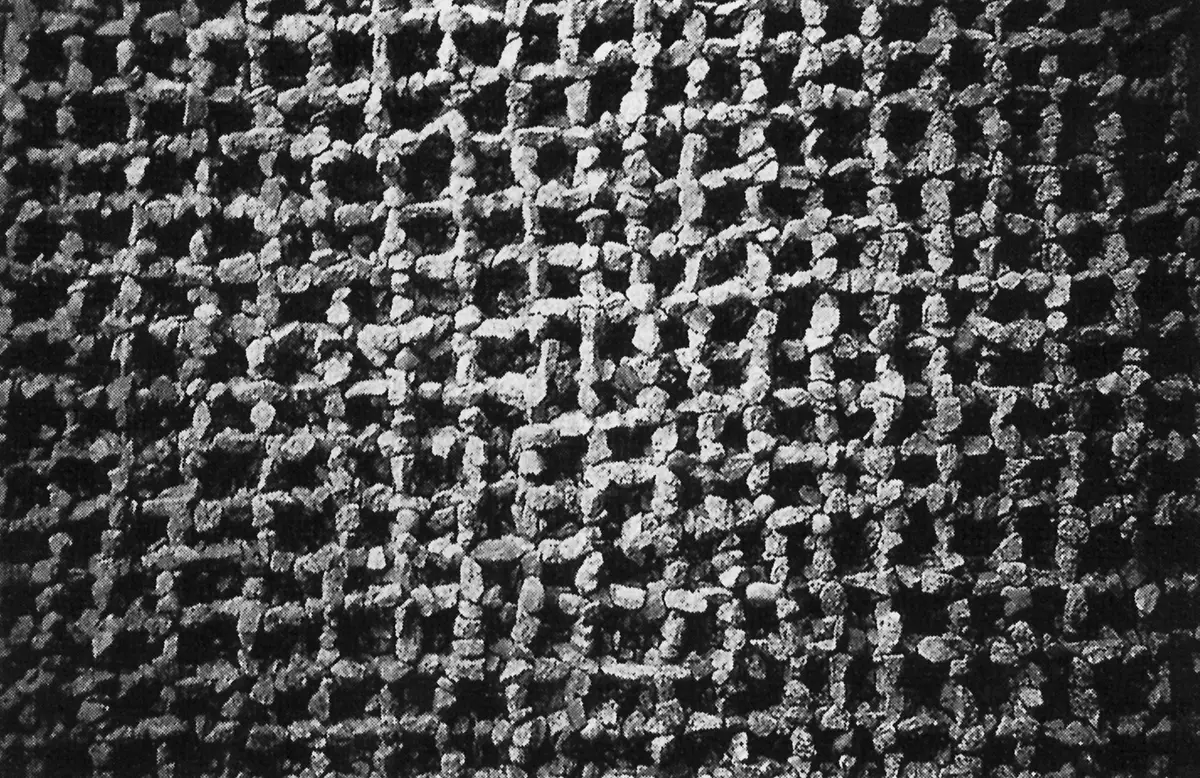
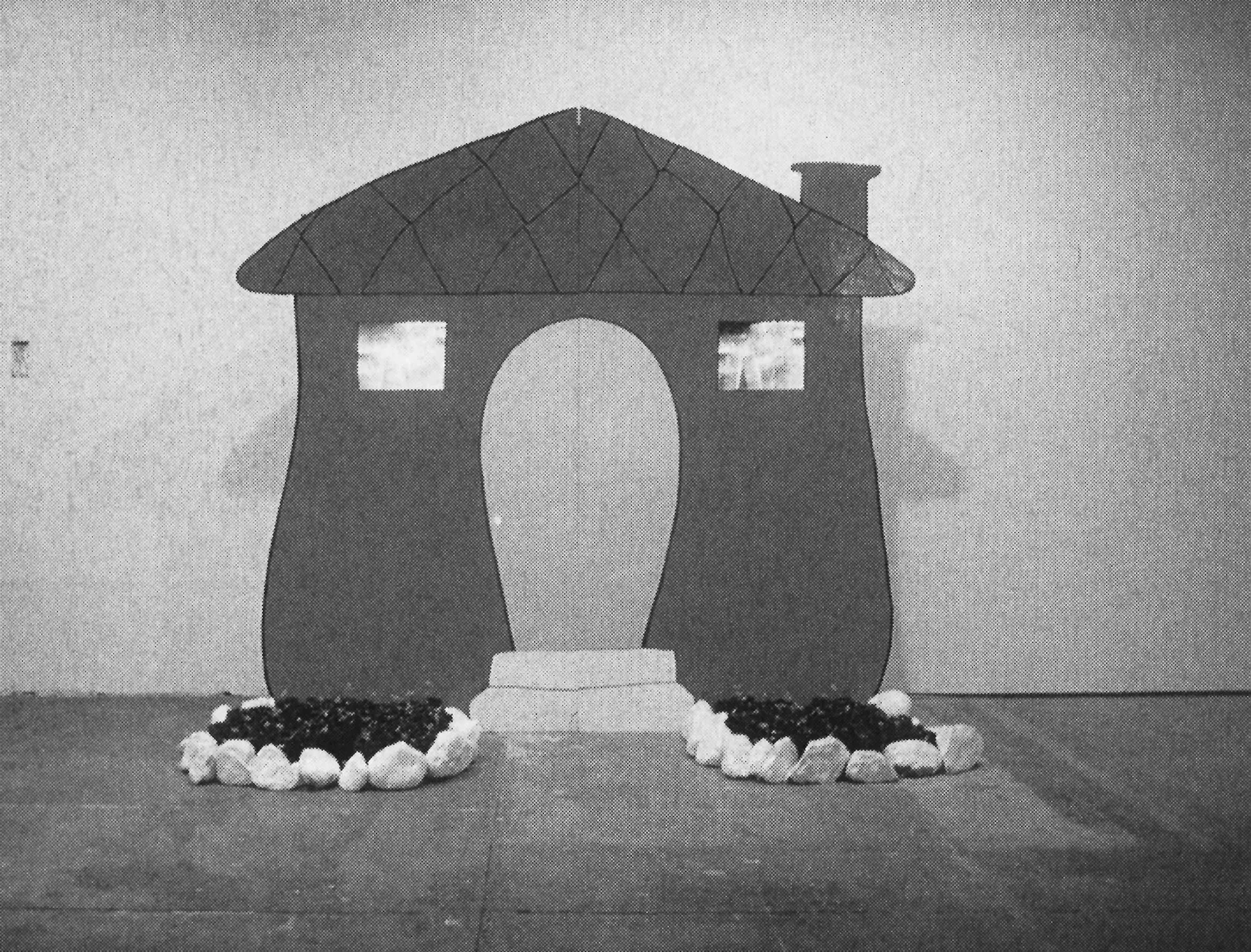
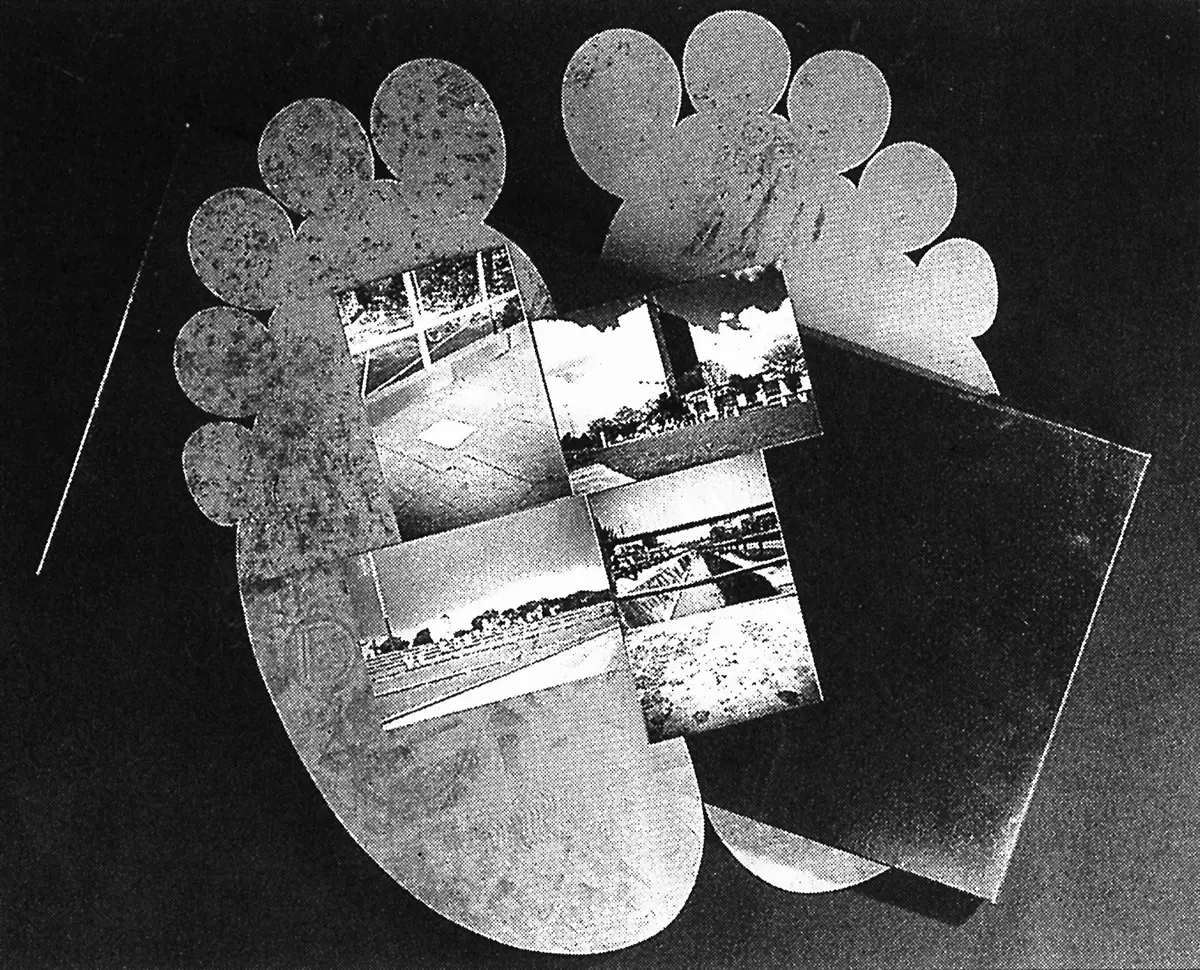
The jury this time was made up of three New York-based critics; the Venezuelan Monica Amor, the Argentinian Carlos Basualdo, and the North American Robert Morgan. They awarded three prizes: one went to the video installation with coca plants titled Original Flaws by Wilson Díaz (1961), who used the Little Red House (a publicity slogan of a housing corporation) with television windows as a simile for “Your own house. Cocaine and poppies. Uprooting. Urban lack of communication. Non-identification and oblivion." Another prize was awarded for a performance by the Nomada Group, whose members are Máximo Aponte (1963), Beatriz Eugenia Jiménez (1965), and Rafael Mora (1960). They presented an action event that involved not only the artists but the public, titled Vestiges in the void. A prize was also awarded to an untitled work by Alejandro Ortiz (1972), made up of small grey stones, measuring eight square meters. This was the artist’s thesis work, which he defined as follows: "through the use of objects close to places that make up my surroundings, and based on the principles of abstraction and minimalism as means of expression, I construct this image through elementary actions, until I achieve a resonance with the material used, thus strengthening the image which is projected".
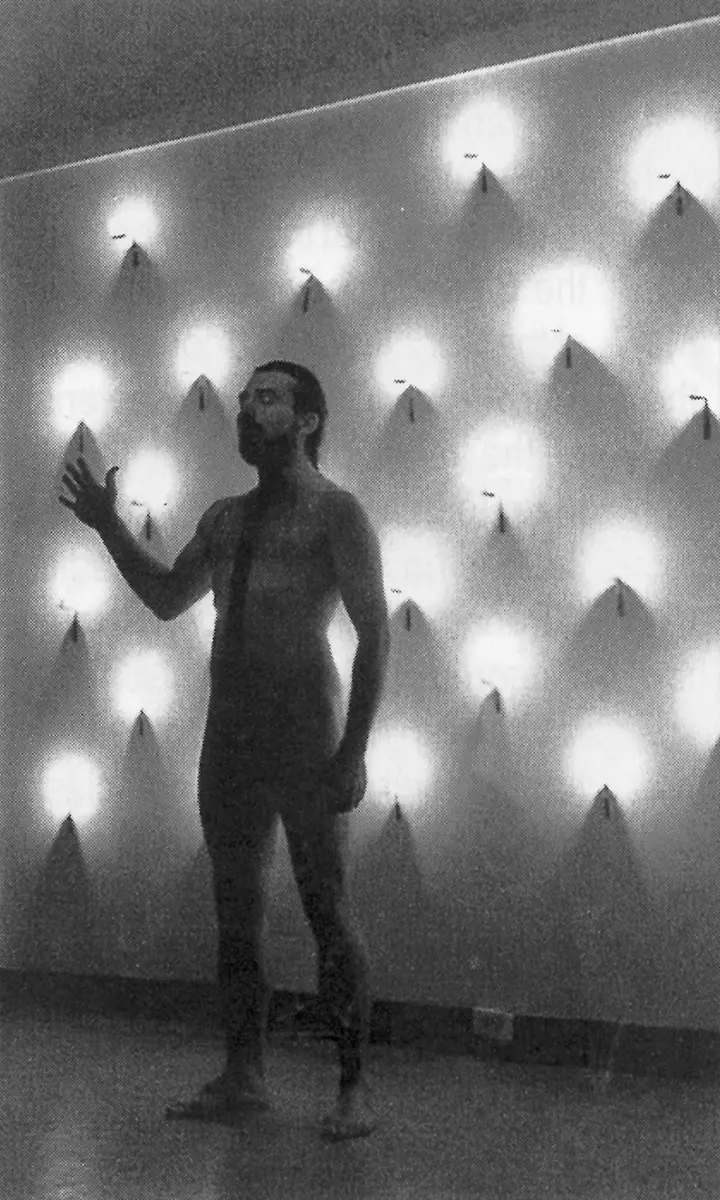
By highlighting these three works, the jury was clearly expressing an ideological judgment about art that challenged the circulation and distribution channels, reflected an interest in the spectator, and which was of a transitory nature. This same preference for different forms of expression was reflected in the six honorable mentions awarded: they went to the video-installation Distance by Adriana Arenas (1969); an installation with paper, texts, and chairs, by Gloria María Barros (1972); an empty space made taut by the presence of a very small piece of trunk and an axe, by Maria Teresa Corrales (1969), titled Intermission; an untitled installation with photos, videos, and objects, by Maria del Carmen Espinoza (1971); a space constructed by Juan Luis Mesa (1961), Suelo fluido, Suelo sembrado, suelo copiado, and a performance by Alonso José Zuluaga (1964), titled Spoon our life.
The Salon, with its similitudes and divergencies, was generous in its use of space and the works as a whole were well treated. The show was accompanied by a large and well-designed 360-page catalog, as well as a CD-ROM documenting the story of these 37 events.
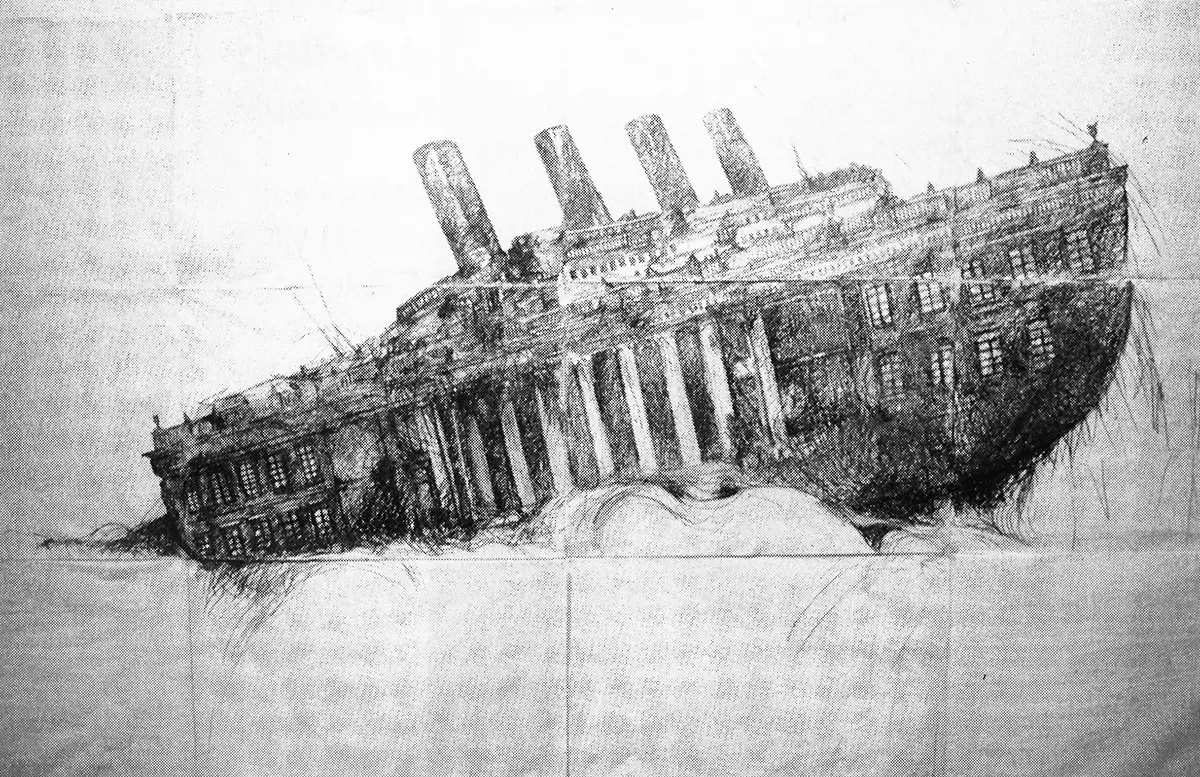
Although one of the conceptual themes of the Salon was that of memory, a theme also used at the last Havana Biennial, this concept is so broad as to mean almost anything or nothing. Many artists took note of the theme, while others seemed to ignore it, but in the final analysis, this broad idea encompassed all the works in one way or another. Through the concept of memory, the show also sought to recall the presence of its originator, Jorge Eliécer Gaitán, on the fiftieth anniversary of his assassination.
Although there were some memorable works among those presented by 130 artists, there were some failures, opportunistic occurrences, and variations on themes already explored. This is natural in a Salon made up for the most part by newer artists. Performance art and installations have also now become academic exercises that are often not very moving. But there were some memorable performances here, including those by Leonel Galeano (b.1971) and Guillermo Marín (b.1968). Equally impressive were the works carried out on the spot by Carlos Blanco (b.1961), Guillermo Quintero (b.1965), and Carlos Rendón (b.1963), and the paintings by Beltran Obregón (b.1964) and Aurora Lario (b.1967), the drawing by Gustavo Zalamea (b.1951) and the jewelry-works by Astrid Campo (b.1962).
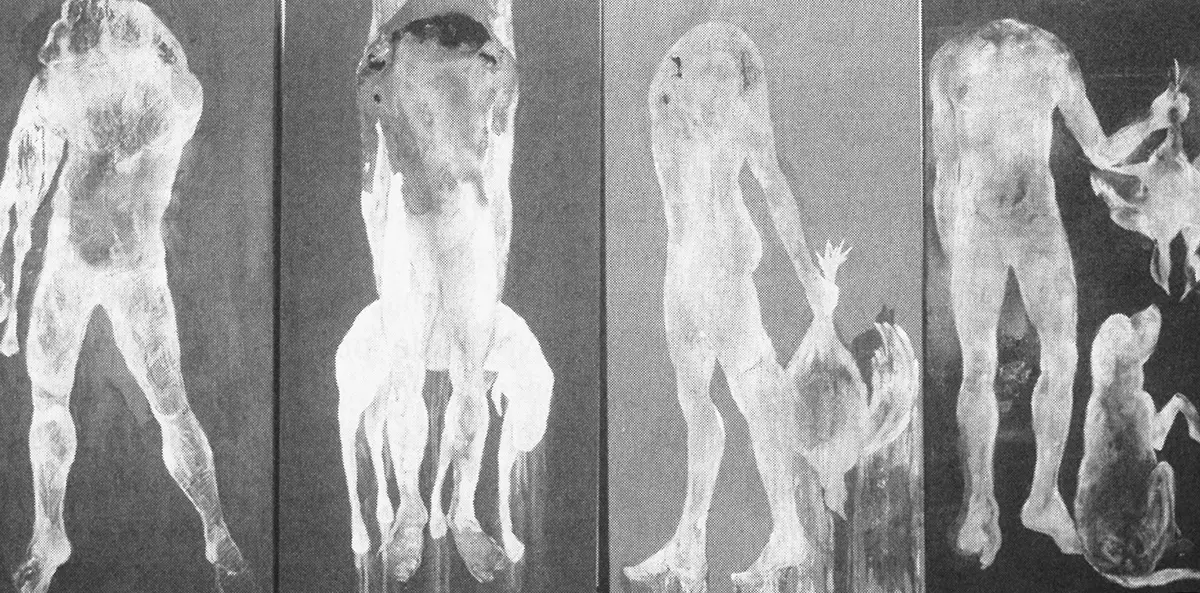
The artistic geography of Colombia, centered as it is on a few cities where there are schools of fine arts, museums of contemporary art, galleries, and cultural activities, undoubtedly does not reflect the political geography of Colombia, as the government, and in this case, the Ministry of Culture would like. Contemporary art is a weak signal in a country like ours which is beset by the most dramatic events concerning guerrillas, paramilitary groups, the army, and all sorts of urban violence.
However, the state of war and permanent instability seems to be a suitable framework for a massive production that seeks to give material expression in various ways to the daily life of the country. There is nothing like a crisis to awaken the senses. The time of war is also a time of art.
MIGUEL GONZÁLEZ