
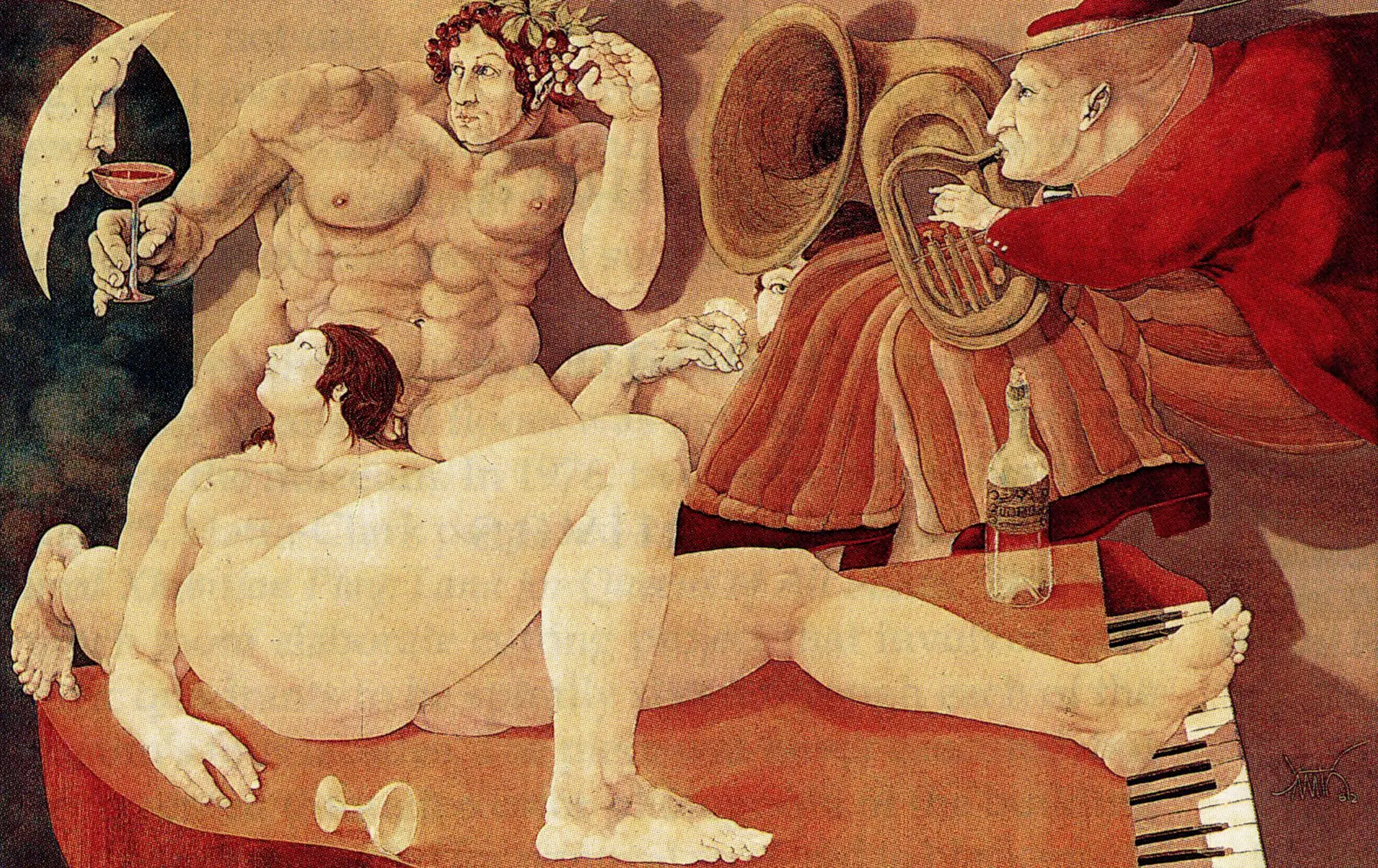
In the auctions of Latin American art held at Christie’s and Sotheby's in May of 1998, the outcomes seemed to indicate opposing tendencies.
Christie's auction was one of their best in recent years; for Sotheby’s, however, things were quite different. Isabella Hutchinson, director of the Department of Latin American Art at Sotheby’s explains: "The sales demonstrated certain of the changes in the Latin American art market. Despite the rigorous selection of the material presented and the reasonable estimates made, the lack of Mexican buyers was notable as they are the ones who traditionally give strong support to the market. Nevertheless, we could discern an increase in North American buyers as well as from Argentina and Brazil."
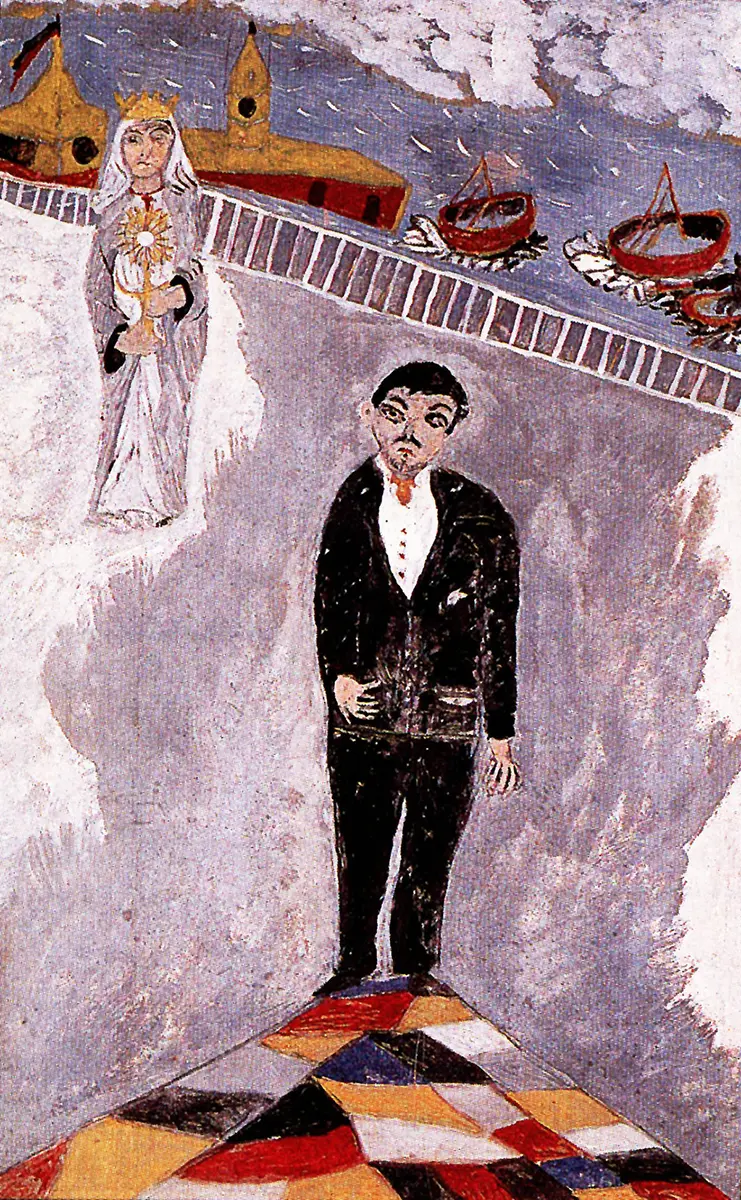
These contradictory results may have been due to the adjustments carried out by the regional offices of Sotheby’s in Mexico, as noted by Alberto Barral, a private art consultant previously in charge of international clients at Christie's and Sotheby’s. The death of Gonzalo González, consultant to the Mexico offices, who maintained a very close relationship with local collectors, along with the replacement of Francoise (Pancha) Reynaud de Vélez by Ana Sepulveda, who succeeded her, created a feeling of unease in the Mexican group.
When do we add to this the surprising removal of the two important pieces by Diego Rivera, Paisaje cercano a París (Landscape Near Paris) (est.$400- 600,000) and the cubist work Retrato de madame Lhote (Portrait of Madame Lhote) (est. $500-700,000) at the last moment—which, according to unconfirmed rumors were detained by the Mexican authorities, considering the works to be national treasures that were being illegally taken out of the country—the discomfort and unease felt by collectors is easier to understand.
Sotheby's opened the night of auctioning amidst this atmosphere of uncertainty, selling the first two lots in excess of their estimates, Vista de Río de Janeiro desde la iglesia de Gloria (View of Rio de Janeiro from the Church of Gloria), attributed to Raymond Quinsac Monvoisin, for $68,500 US (est. $15-20,000 US) and Vista de Acapulco (View of Acapulco) for $35,650 (est.$20-25,000 US). The next six lots were all Mexican pieces with the exception of the magnificent Boggio La mer a nervi, which surprisingly was not sold (as it is considered a very important piece in its genre).
The next work sold was Fruta bomba (Papaya) by Wifredo Lam, the front page of the catalog which sold for US$398,500 (est.$300-400,000 US). This work from 1944 belongs to the famous La jungla (Jungle) series and comes from the private collection of Fanny de Margoulis Roscnak. The stellar painting of the evening was Lam’s very famous Mañana verde (Green Morning) (est.$1.2-1.8 million US) which was featured on the auction catalog cover. It is the sister painting to La jungla which is in the collection of the Museum of Modern Art in New York. It was acquired by the Constantini Foundation for $1,267,500 US (the same work was sold for $965,000 US in 1994), another jewel for Eduardo Constantini’s collection in Argentina. It is important to note that this price is the second highest for this artist at auction. While this was cause for enthusiasm among those present, it did not fundamentally change the evening's outcome.
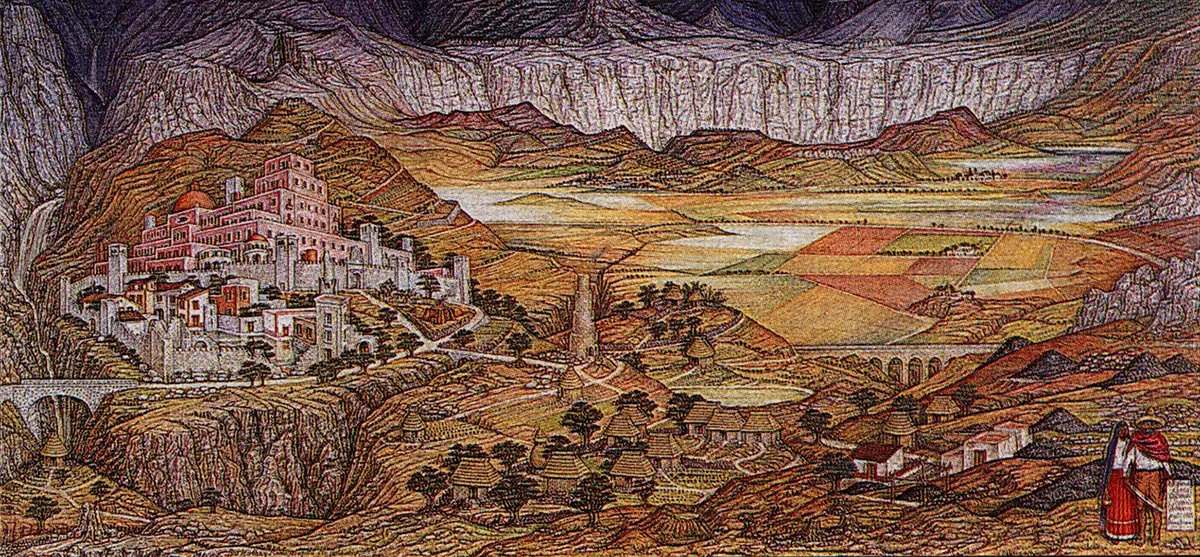
The other important pieces sold included Construcción en blanco y negro (Construction in Black and White) by Joaquín Torres-García (est. $400-600,000 US), which sold for $442,500 US. Juan O'Gorman’s Latifundio época colonial y feudal de México (Plantation, Mexico’s Colonial and Feudal Era) sold for $299,500 US (est. $250-300,000 US). Bacanal (Bacchanal) by the Salvadoran painter, Benjamín Cañas, achieved a record price for the artist at $200,500 US (est. $90-120,000 US), making him one of the most sought-after Central American artists, a spot he now shares with the Nicaraguan, Armando Morales. Another record was set by Ignacio Iturria, of Uruguay, whose work sold for $101,500 US (est. $40-60.000 US). An untitled work by Emiliano di Cavalcanti sold for $167,500 US (est. $175-225,000 US).
Christie’s opened their auction night with a full house and a quite different atmosphere from the day before. The results confirmed that the air of optimism present was real. Notable among the important works of the evening was Los invitados (The Guests) by Wifredo Lam, a surrealist oil of 1966, painted in white against a dark background. In this work can be seen strange mythic figures, half animal, half human, nearly calligraphic—reminiscences of magical ceremonies from Afro-Cuban culture. These pieces went for $827,500 US (est. $800-1,000,000 US).
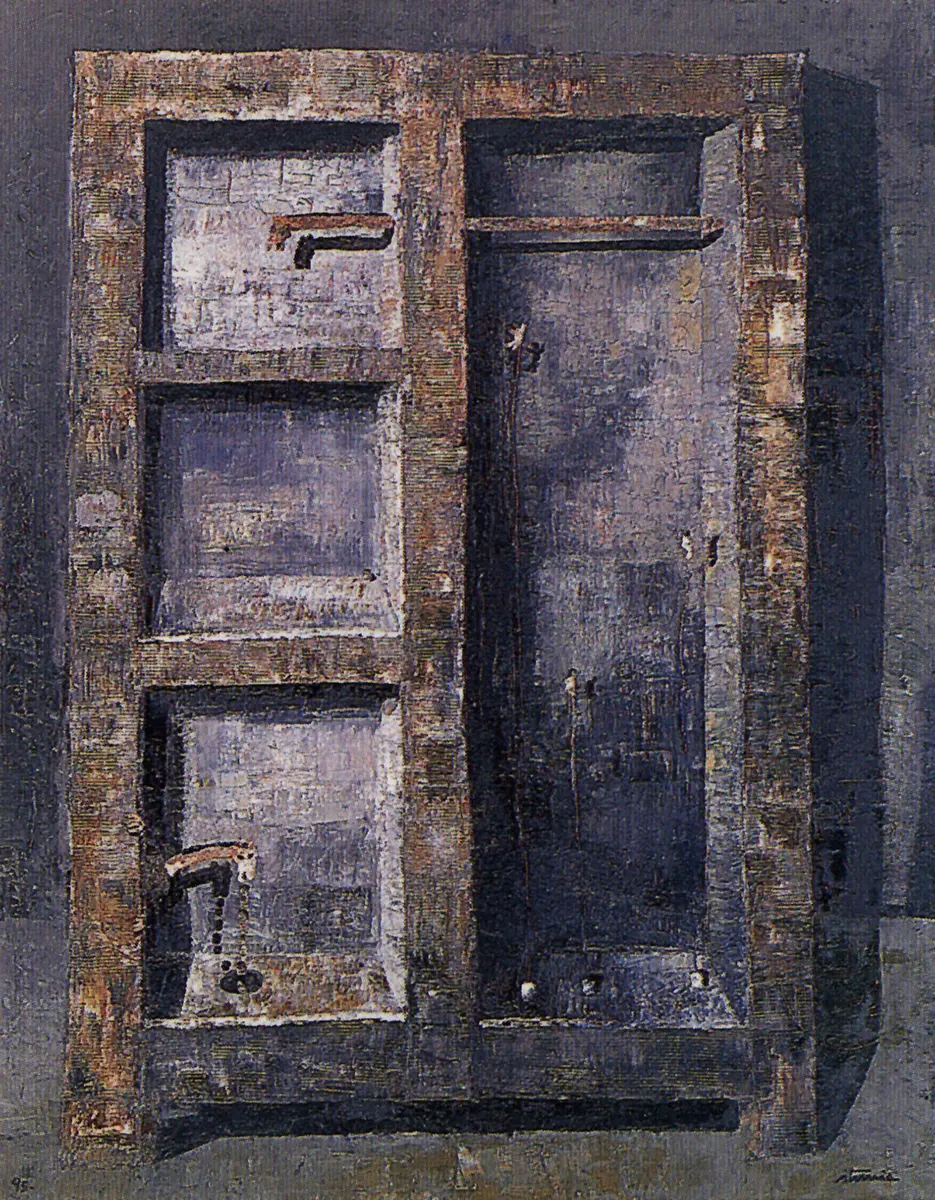
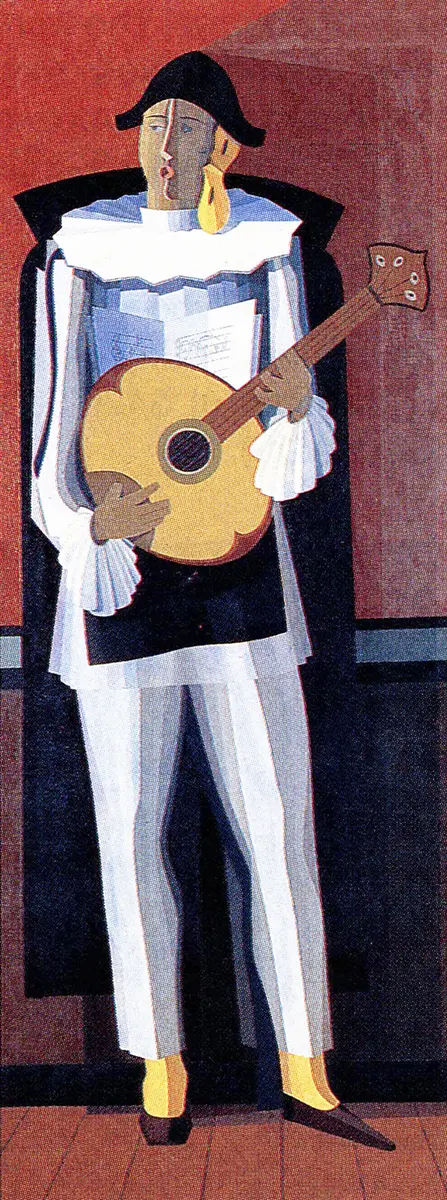
Rufino Tamayo's Los músicos (The Musicians) featured on Christie's catalog cover, was painted in a universal but above all contemporary pictorial language. Rejecting realist representations, Tamayo conceived this elegant composition in gray hues, favoring a subjective interpretation of this oil painting from 1934. This important work fetched $827,500 US (est. $500-700.000 US).
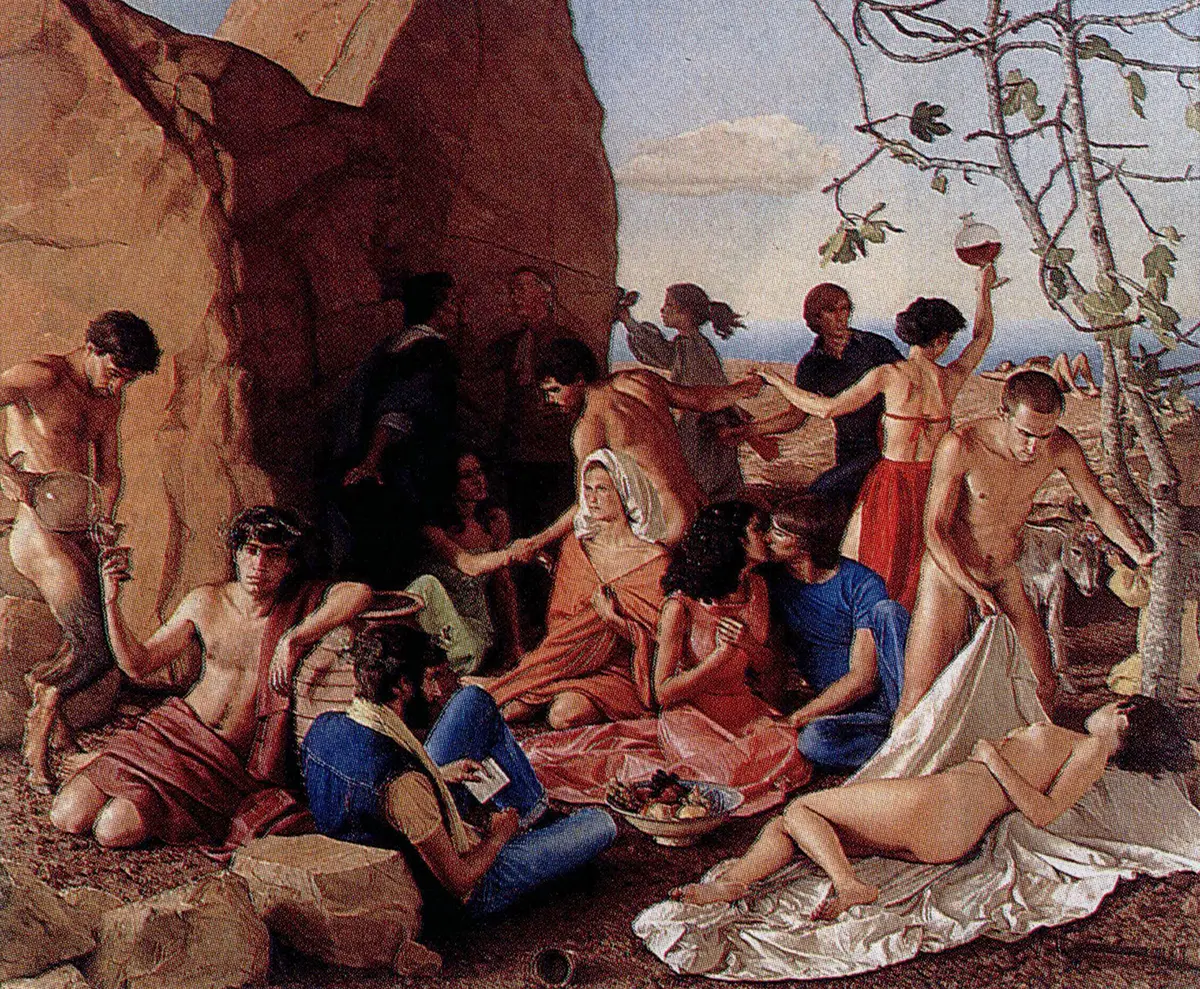
Painted by the Argentinean Emilio Pettoruti, a member of the abstract movement of the twenties and a pioneer in South American cubism, El morocho Maula, an oil from 1953, was sold for $497,500 US (est. $500 – 700 700,000 US), setting a record price for the South American artist. From the Chilean artist Claudio Bravo came La bacanal (The Bacchanal), an oil painting from 1981, and one of the artist’s most complex paintings, vividly colored on the theme of vibrant sensuality. In this work the artist remains faithful to the pictorial tradition of the Renaissance, painting with grace and precision and emphasizing the quality of “realism that transforms reality.” This oil work obtained a record auction price for the artist at $607,500 US (est. $500-700,000 US).
Antonio Francisco Lisboa, the baroque artist from Brazil better known as Aleijandinho, was represented in the sale by a sculpture made of multi-colored wood, Nossa Senhora das Dores (Our Lady of Sorrows) The work, which was being offered in New York for the first time reflects the European tradition of religious statuary and is an extraordinary example of Brazilian rococo from the eighteenth century. Nossa Senhora das Dores, which produced a climate of tension among the Brazilians present, sold for the sum of $420,500 US ($400-600,000 US).
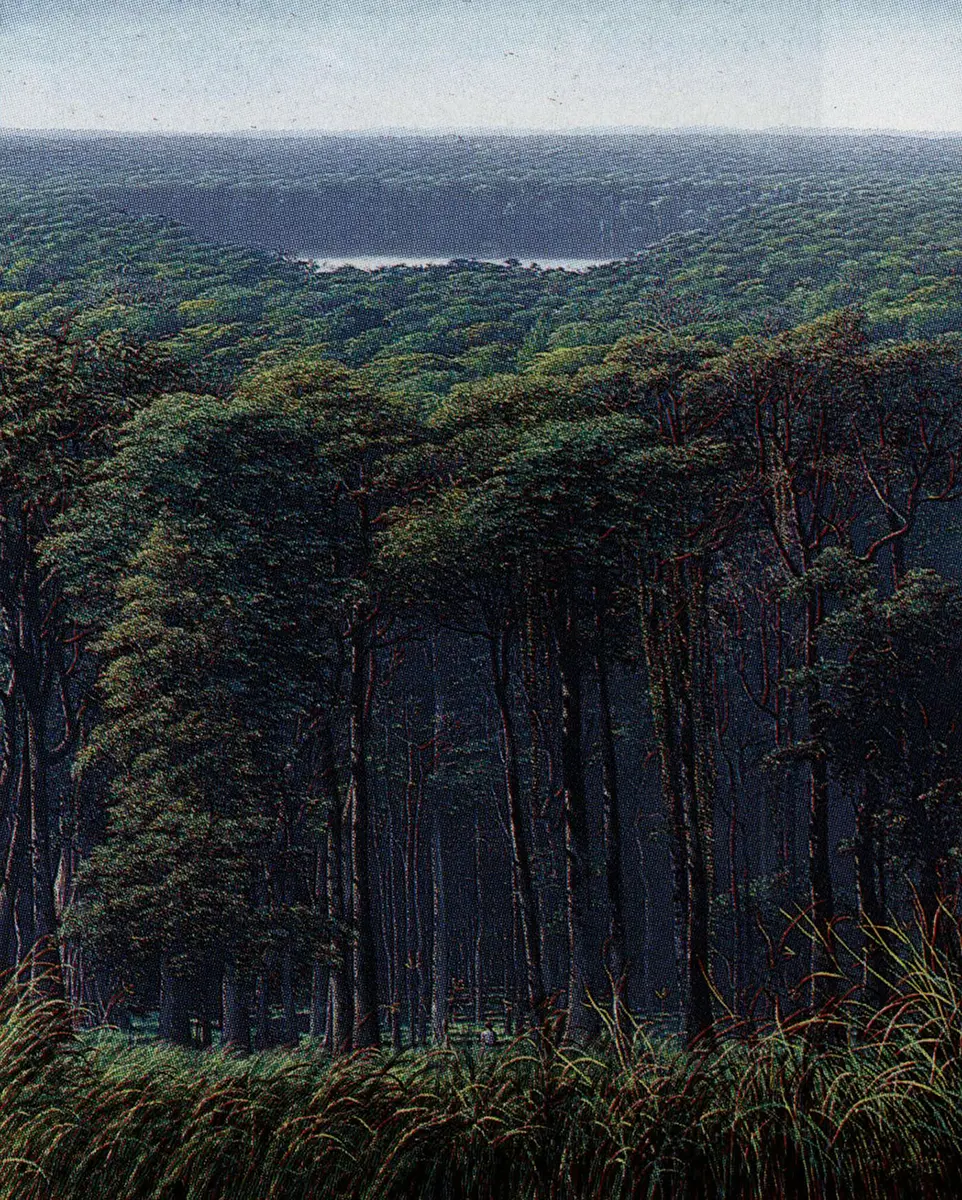
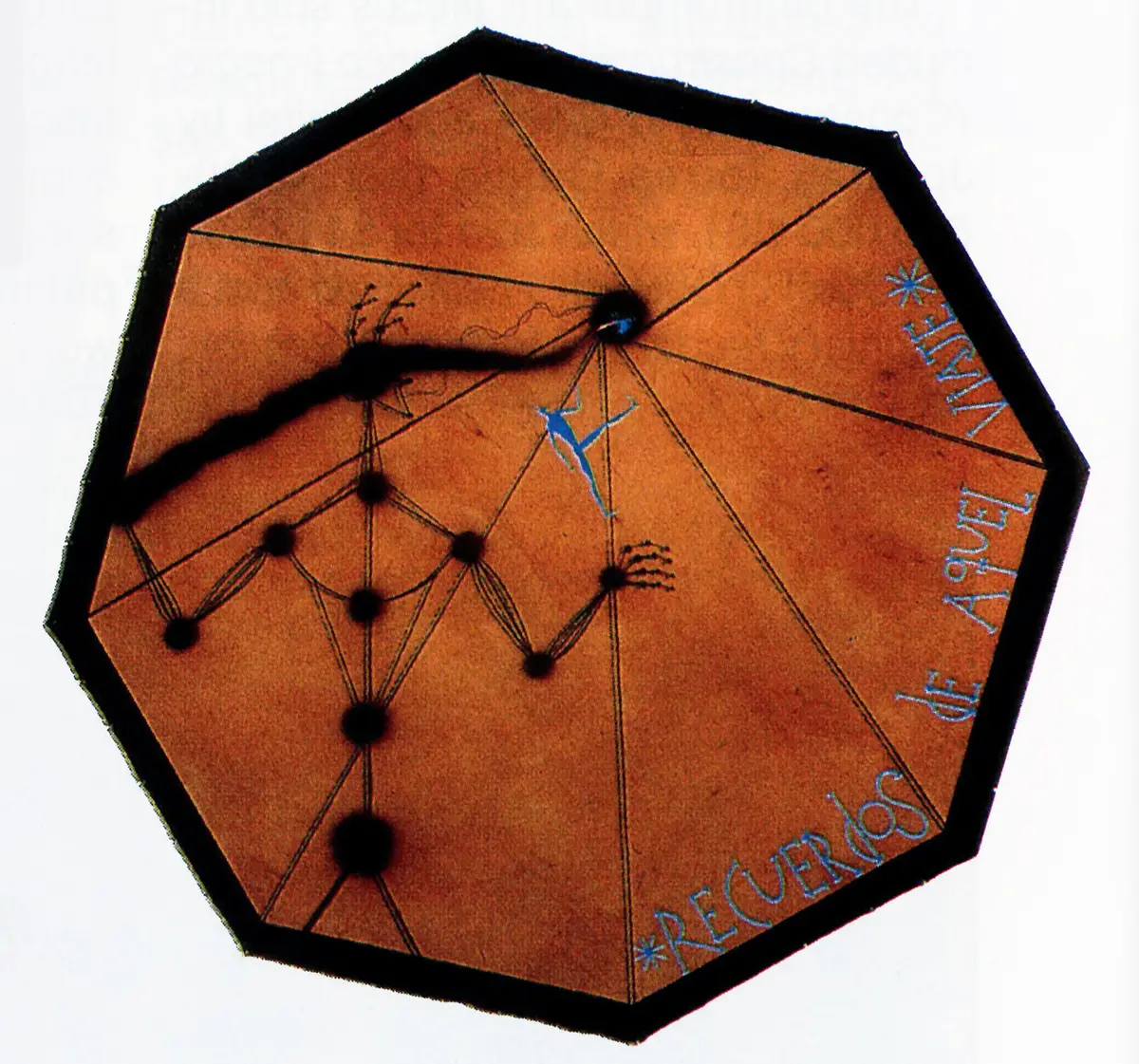
Another artist who set record prices over the course of the evening included the Cuban Tomás Sánchez whose 1995 oil painting, Meditador y laguna escondida en el bosque (Meditator and Lake Hidden in the Forest) sold for $310,500 US ($220-260,000 US), and the Cuban artist José Bedía whose acrylic Recuerdos del Viaje (Memories of the Trip) from 1996 sold for $43,700 US (est. $18-22,000 US).
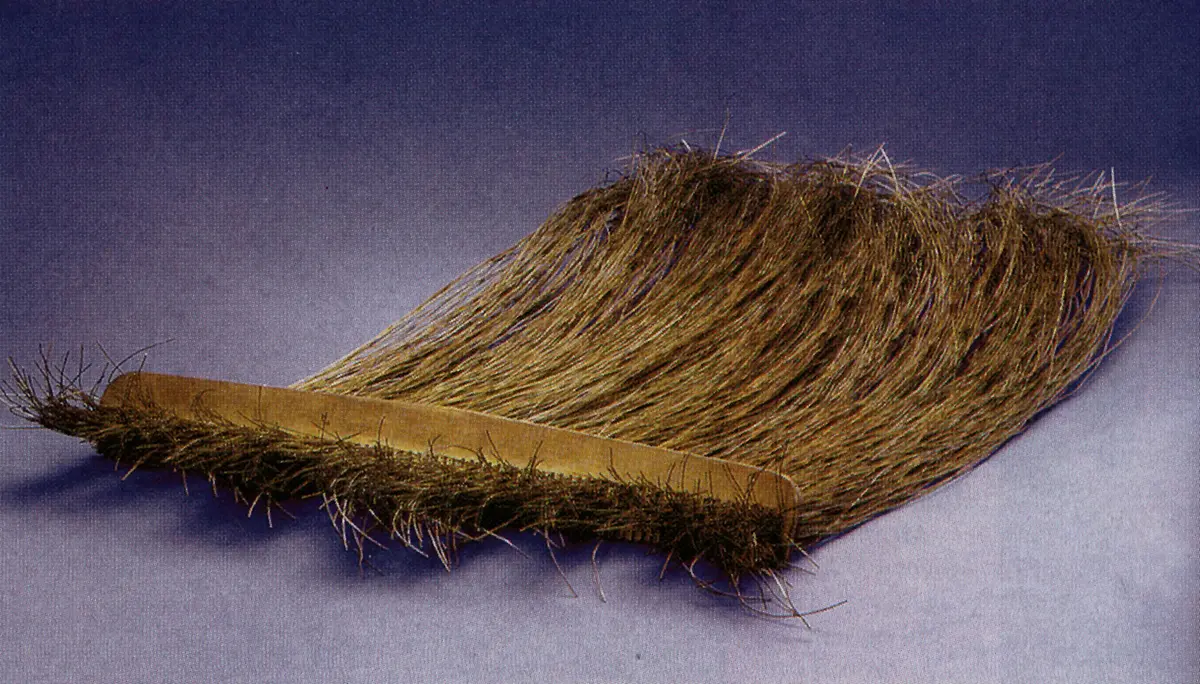
Perhaps the most significant information to come out of these auctions is that there is a new tendency in the market, signaled by the success achieved by the young, contemporary artists who sold on a steady basis in both houses. Among them we should mention the Brazilian artist Tunga, whose Peine (Comb) sold for $25,300 US (est.$18-22,000 US); Waltercio Caldas’ The Next, which sold for $27,600 US (est. $18-20,000 US); Saint Clair Cemin’s Naven which sold for $29,900 US (est. $35-40,000 US); and Adriana Verejão's Cristo (Christ) which sold for $29,900 US (est. $18- 22,000 US) in the auction at Christie’s. At Sotheby's, Verejão's difficult conceptual work, Autorretrato en Preto, sold for $10,350 US (est.$12-18,000 US). It should be mentioned that the collectors that acquired these works were, for the most part, not from Brazil but from North America.
The night's successful auction at Christie’s was demonstrated by a room packed with collectors energetically competing for important works of art, culminating in one of the finest auctions in recent times, Fernando Gutiérrez, vice president and director of the Department of Latin American Art at Christie's, told us. Important artworks sold solidly and many went for prices above their estimates. This shows that the market in Latin American art is growing at all levels of collecting. The two days of auctions brought $12,670,802 to Christie's. This places Christie's auction house in a leadership position in the Latin American art market. Sotheby’s took in a total of $8,272,015 US.
MIRTA KOZOLCHYK
Born in Argentina, a correspondent for El Universal in Mexico. Founder and president of the board of management of the Mexican Cultural Institute in Miami. She lives and works in Miami.