
The time will come when Cuban historians, in order to obtain objective data on what happened in the country in a given period, will have to explore the plastic arts, particularly during the final years of this century, where the narrative element has been so predominant. A case in point is Manuel Alcaide Majendie.
It would seem that everyone has his or her own version of what is happening at the social level and wants to use the available media to tell the story, to take sides, to make themselves heard like the story of the little dog in exile who left because he wanted to make his bark heard. A strange form of patriotism, to be sure, but in Cuba, everything is possible.
Like many other words, patriotism seems to be falling into disuse (even at the international level there is much cynicism and skepticism); but no one criticizes things about which they are truly indifferent. Recently, the events on this island in the Caribbean can be seen as a leitmotiv in many works, so much so that some artists are running the risk of lapsing into the “sin" of localism. A sign of the post-papal times? It would be good to see people emerge from their lethargy, which does them no good at all. It would be a suitable option for relegating the hackneyed theme of the blockade to a new level and for our own guilt to be placed on our own Cuban selves.
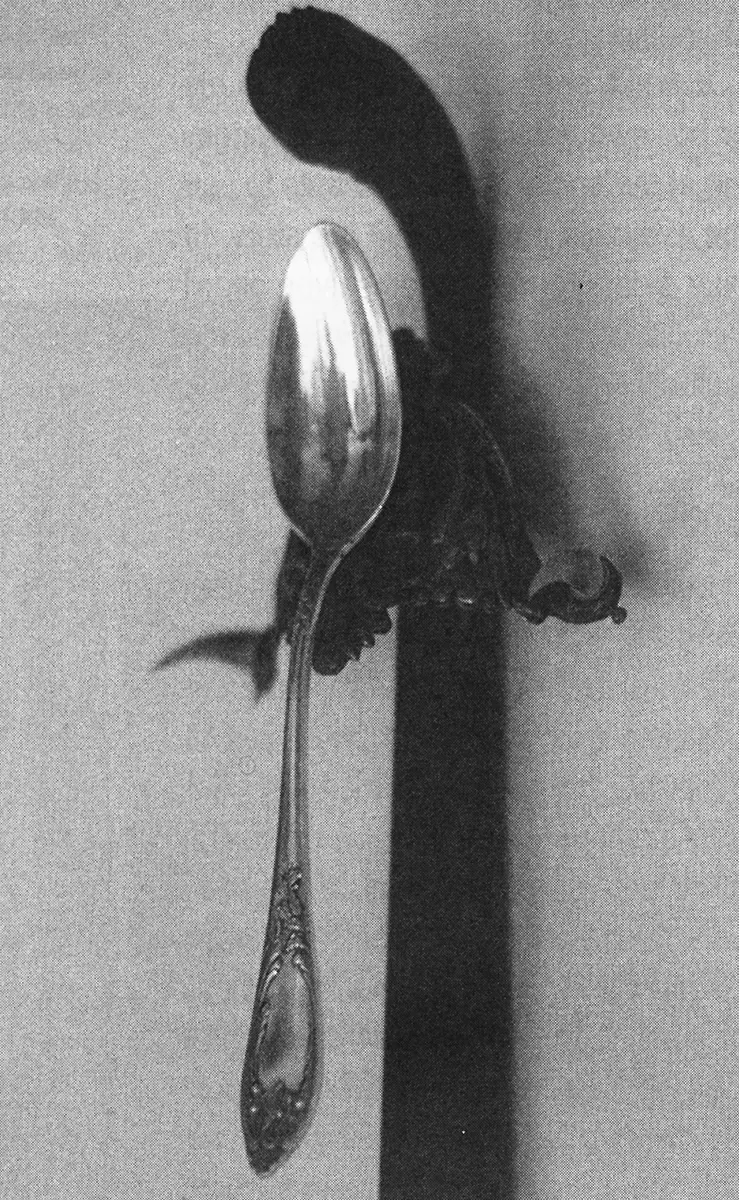
Alcaide Majendie presented his work at the Center for the Development of the Visual Arts in an exhibition sponsored by the Ludwig Foundation. He proposed a story about the education given to a Cuban child through to adulthood. This can be summarized in the titles of the works: Men don't cry, Men don't eat soup, Men are not afraid, etc. It would be amusing if it were not pathetic; in Cuba, there are even macho homosexuals, and even worse, who are married, with children and male lovers, and who practice more or less surreptitious discrimination against women. Who is deceiving whom here, beginning with themselves?
From the realm of individual, sexual aberrations (where mothers are seen as the most masochistic women), Alcaide moves on to other value distortions. Ironically, the exhibition paraphrased the title of Flaubert’s Sentimental Education. In his disquisition on bad forms of education, he applies all the stereotypes created by the rhetoric of grandiloquent political discourse, with its dreams of creating new and romantic men, and economic plans that would resolve everything.
When Alcaide was a young man, cutting sugar cane on a voluntary work basis was a “training" activity, a means of strengthening character through the stoic acceptance of mosquito bites, dirt, bad food, and separation from family. Failure to last through the duration of the course was seen as an affront to one’s virility.
Alcaide constructed his personal archaeology by recovering the distorted meaning behind this “spartan" education which avoided so many things that should not have been overlooked, and the consequences of which are being paid for today. What resulted above all, was a sense of spiritual void (which religion has exploited) and a dualistic mode of behavior lacking any sense of responsibility towards one's self or other people. It would appear that no sufficiently clear kind of social ethics was ever created so people are now turning to the Ten Commandments of the law of God as the most rapid way of reconstructing a civic spirit. They are stoic and rather utopic, though with a dash of pragmatism, paradoxical as that may seem. As I said earlier: in Cuba, everything is possible, provided that Cuba is placed first. The tropicalization of certain dialectics.
And so Alcadie has painted effectively and created small sculptures made with found objects, as well as installations. His works possess a sense of flavor behind the fine finish and concern for details that reflect the Russian academy where he studied, but do not deny his debt to the generation of young artists in the National School of Art of Havana who has recessitated art in the country, and with whom he shares a sense of imagination and fantasy. Above all, his time in Moscow did not result in any loss of his innate Cuban capacity to make fun of even the mother responsible for his “sentimental” education. Fortunately, from being spartan we move on to the stories of Pepito and vice versa. What will happen next? asks the emblematic figure from popular jokes, the symbol of dramas and comedies on this tropical island. We have to read between the lines to extract the real meaning from the different layers of text.
ERENA HERNÁNDEZ