
Even before the notorious wall fell, Berlin was a city divided by conflict and internal battles. For artist Enrique Martínez Celaya all wars are internalized, leaving scars on the psyche as well as the body he made. Berlin is the thematic touchstone for his latest paintings and sculpture. On the wall of the gallery, he scrawled part of a 1997 poem he wrote, an ode to the city's decayed glitter and unforgettable violence. But it is the work itself— chillingly empty, littered with rose petals, human hair, watery paint, or amputated body parts—that most fully summoned the emotional tide of longing and regret which gave this show its almost physical heartbeat. Modernism and postmodernism have long been uncomfortable with emotion.
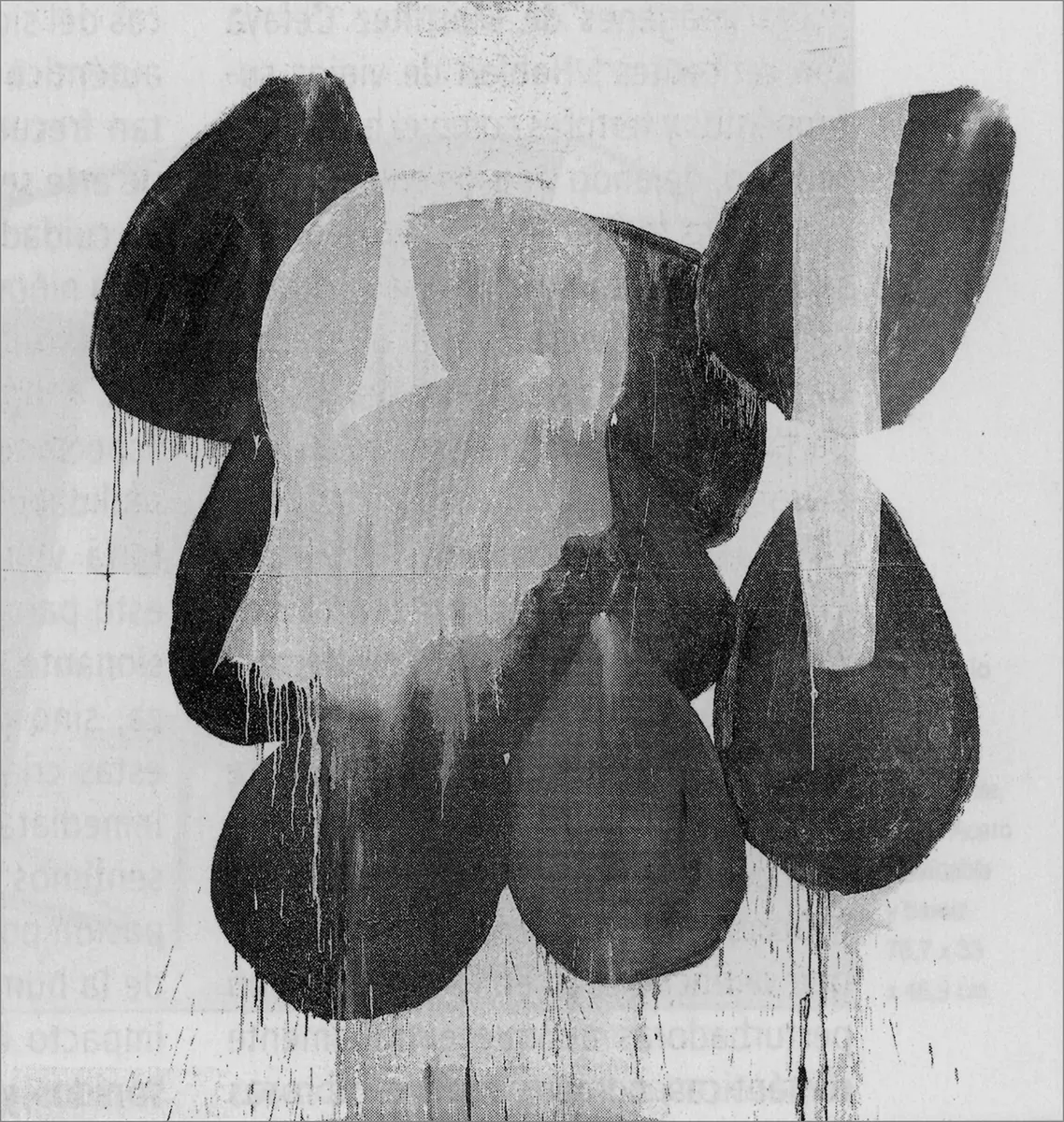
More acceptable, especially in Los Angeles, are works that relay detached cynicism or critical irony. But Martínez Celaya's works are unabashedly ardent in the way they combine physical materials and intelligent, suggestive paint. It makes for a refreshing encounter with something deeply felt as well as profoundly thoughtful.
Always in Martínez Celaya's images, and the way he presents them in the gallery, there is space—large regions of theatrical emptiness that enshrine the iconic contents of the canvas while allowing room for ruminations about meaning. In The Confessional, watery white paint makes a broad but fragile background for several round red stains and the telltale evidence of the paint-smeared paper doily that the artist used to make them. The stains dot the painting like a decorative bloody footprint surrounding an almost invisible bird. Its body is a embroidered on foggy silhouette under the paint but its delicate, pencil-line head emerges unscathed, gently emitting the penciled word untrue like a whisper from the parted beak. A script line of gold glitter spells out the enigmatic words just great amid the doily blots sending the whole image into a tailspin of lies and denial that seems to question all truth as well as the territory between silence and speech.
For me, it is the way Martínez Celaya's paintings refuse certainty and continually present significance as fragmented and elusive that makes them so compelling. By layering images he allows meaning to coalesce slowly from the canvas. In paintings like Terror and Remains, the eye has to reach beyond the surface image's strong color to ferret out the thick, colorless web of embroidery oozing from the top of a melting, transparent head. Almost invisible is an ambiguous leg or arm shape in one corner that floats, like a severed head on top of the crushing red forms, and renders the entire canvas a battleground of melting ephemeral flesh and weighty bloody stain.
Martínez Celaya's images are reticent. They speak of old pain and brutal terrors like the Jewish holocaust by letting colors and materials form associations that are drawn like a toxin from the viewer’s own mind. It is an understated treatment of lingering horror and is especially haunting in his sculpture.
For this show, Martínez Celaya cast heads and arms made of resin mixed with dirt and dried foliage until they were almost black then set them out on high pedestals. Strongly reminiscent of Catholic reliquaries or museum displays of mummified cadavers, they are disturbing yet oddly romantic with their twists of dried roses clotting at the neck, partial skins of pale beeswax, or white sacrificed lines of sensual poetry running like sentimental, loving tattoos along the backs of the arms. Perhaps more than the paintings these works reveal how Martínez Celaya views conflict as both pain and beauty. It is a position entwined with loss that struggles to find meaning in the ashes.
SUVAN GEER