
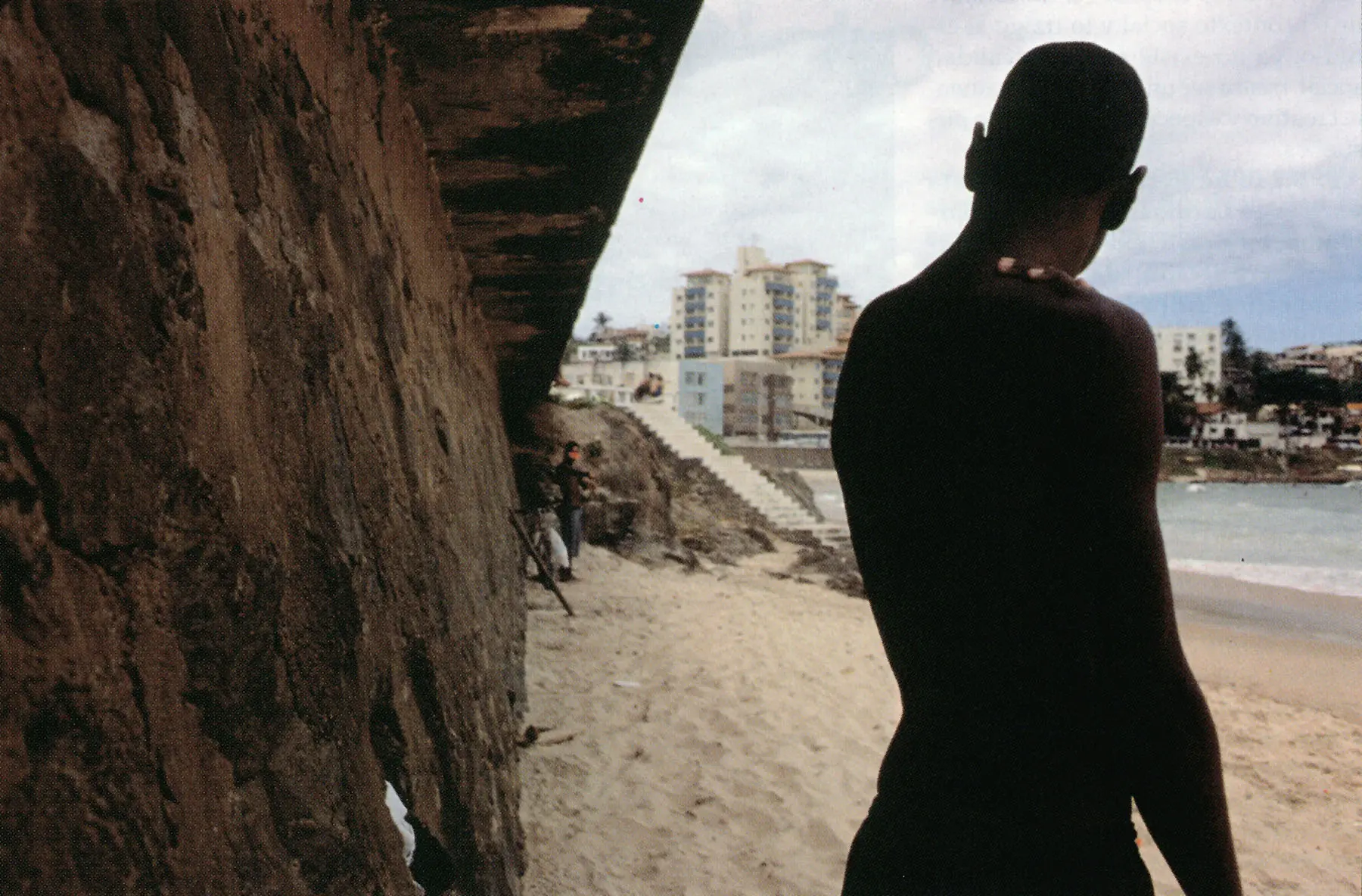
Born in Salvador de Bahia in 1947, Mario Cravo Neto is doubtless one of the most interesting creators on today's Brazilian art scene. The black-and-white images of people and cultures of his land shape an intense universe charged with ambiguity which moves between the mystical and the erotic, between the ritual and the sensual. Initially trained in Berlin as a sculptor in 1964— he had arrived there after his father, Mario Cravo Neto, also a sculptor, took him on a trip to Europe— he only began to show his photographic work in the early '70s. His stay in New York's Art Student's League between 1969 and 1970 —coinciding with the magnificent days of Carl Andre, Sol Lewitt, and Jan Dibbets— would also mark the development of work with a certain Minimalist taste. His color compositions, like his installations, though less familiar to the public, facilitate a more complete comprehension of a creative activity that forcefully searches deeper into what used to be fixed territories for sculpture, film, and architecture.
Paco Barragán: How would you describe your relation with sculpture and photography since your work shares both disciplines to a certain degree?
Mario Cravo Neto: The relationship between sculpture and photography in my work is not very complex because one thing is interdependent upon the other, one completes the other. Between both disciplines, there exists a clear relationship, so to speak. But for me, what interests me deep down is expressivity, the artist's ability for expression.
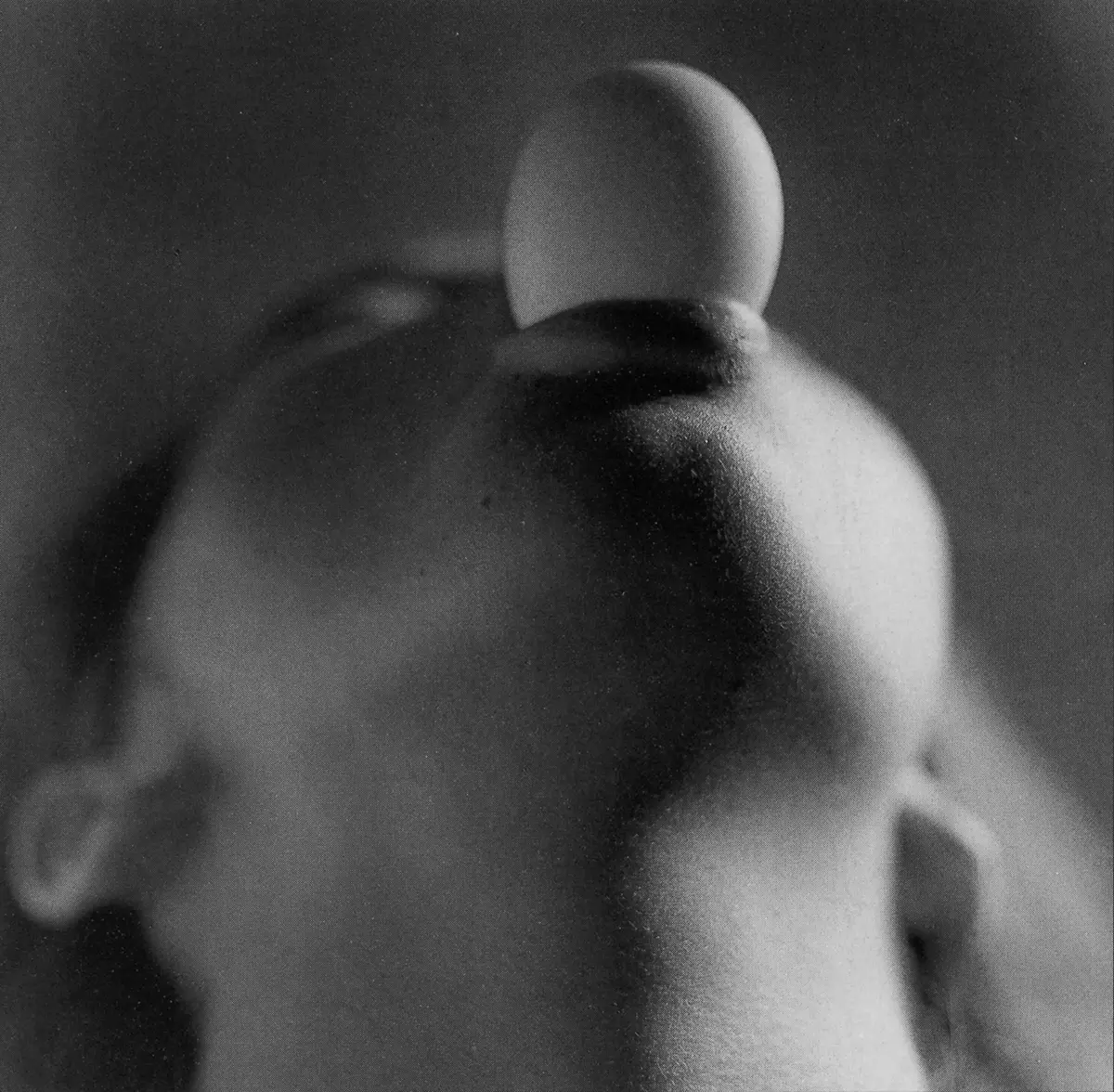
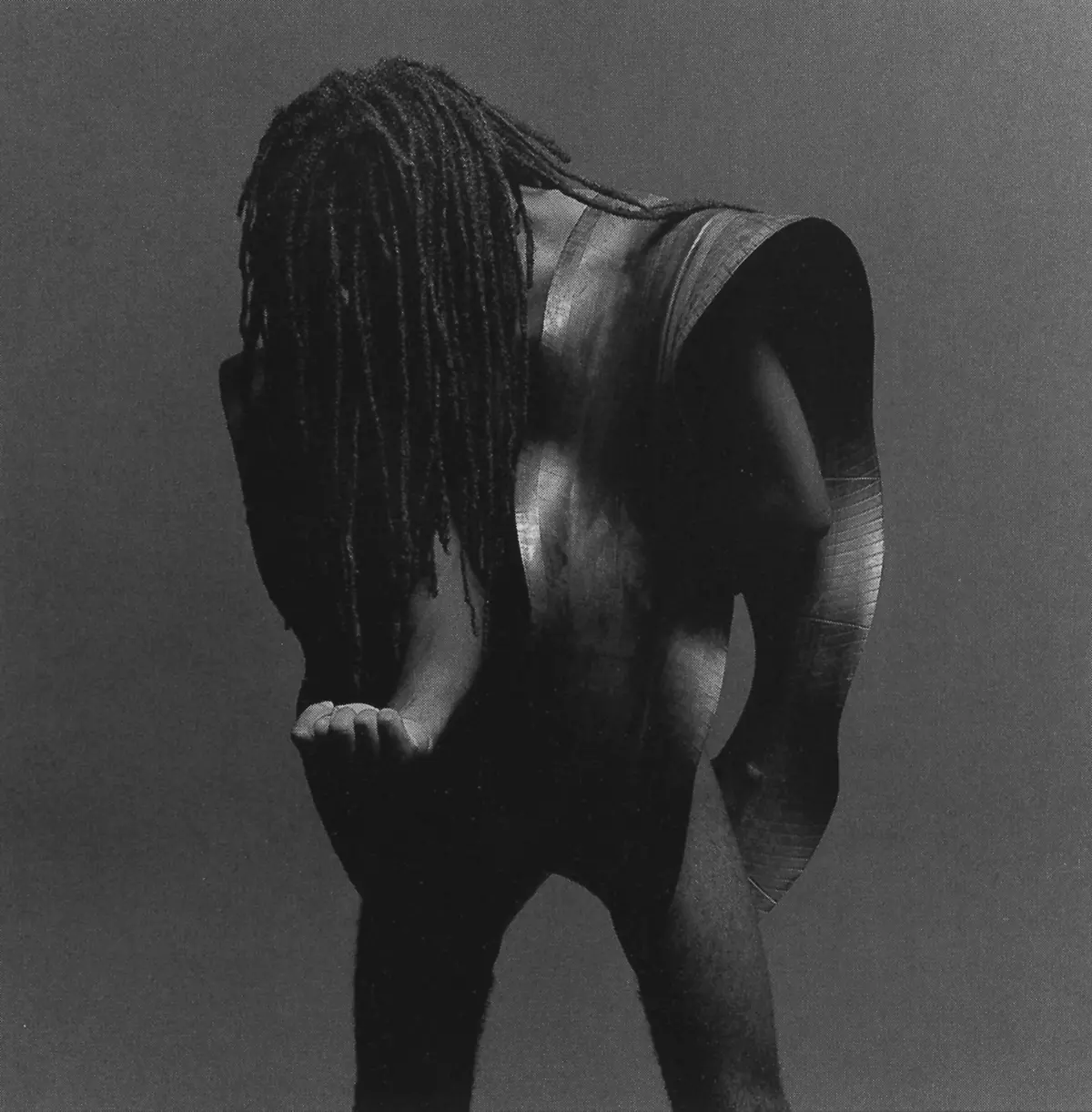
P.B.: I make this comment because some of your images, Lúa con huevos (Lua with egg) or Eduardo con daga (Eduardo with a dagger), are in this sense quite significant, they give the feeling of having been sculpted.
M.C.N.: That is precisely their relationship. The relationship between sculpture and photography lies in that third dimension, which is my work as a maker. The image of Lúa con huevo, to which you have just referred, is a homage to Brancusi; it's grounded in a perspective of memory, of the influence that some great artists had on me in my adolescence, and in my youth. Brancusi, and Picasso, as well as musicians, painters, and sculptors, influenced me much more than the photographers themselves. The issue is that photography constitutes a means of expression like any other; whether or not it’s sculpture is secondary. My father also interests me a lot since his sculptures have influenced me, without a doubt, in a decisive way. In this sense, I'm attracted to the Minimalist artists, with whom I coincided in New York, as well as to other contemporary American sculptors, like Richard Serra. And, of course, the sculptures of Picasso, Miró, and Michelangelo.
P.B.: Your photographs take as their point of departure people near to you, to your Bahian land, and there are also some works dedicated to the Yoruba. Do you see your work as a sort of cultural conservation?
M.C.N.: The viewer may perhaps get that feeling. Nevertheless, the fact that my work is tied to my land is of no importance to me, it's simply a feature that has cropped up. Nor does it have some intellectual or psychological function, since what I make are, in some way, self-portraits of my inner expression, self-portraits that I have obviously linked to my land, my culture. And this is not a process that I actualize consciously. Rather, I like to work freely, and 1 like for the themes and characters to flow from me in a poetic way. Because, for me, poetics means displacing an element from its context and placing it in a totally new one. So, if I displace a man from his social context and bring him into the studio, that social reality no longer exists, it becomes a purely creative and speculative context, the fruit of my dreams.
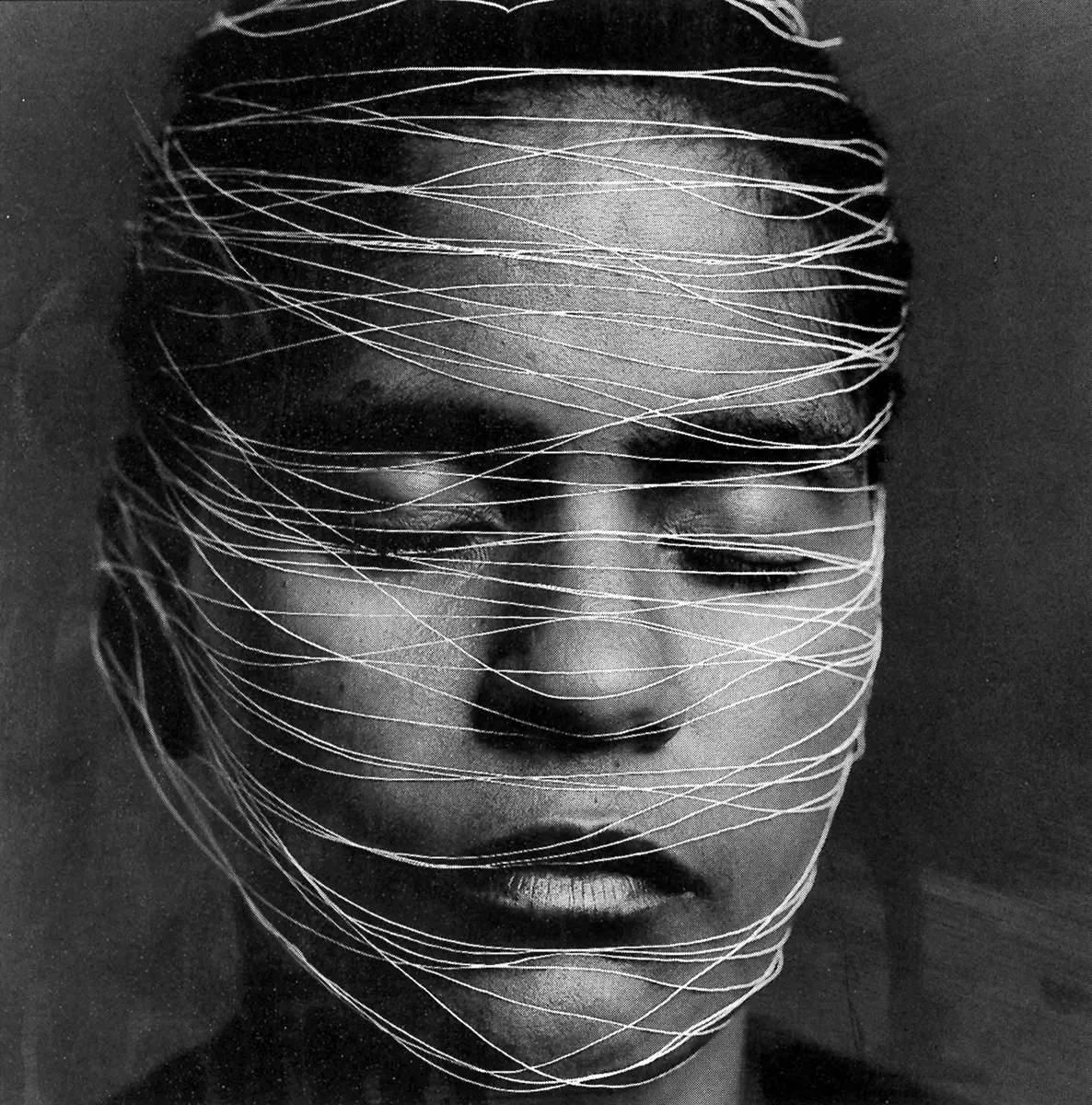
P.B.: I asked you this question because in Latin America and, in particular, in Brazil, there is an important tradition of ethnographic photography among which the critics have included your work time and again.
M.C.N.: Naturally I don't agree with that label. My work is the result of some mental landscapes, of some of my own introspections through which 1 attempt to give life through art. Let me say in passing that there are three opinions at play here. One is the author's opinion, another is the public's opinion, and a third would be related to time, to the period in which we live. So, we live in three different realities, and those three realities give proportion to the work. Today there are artists who are very important, but tomorrow they probably won't be. And this has to do with the fact that the work needs to mature, it needs to reflect on a universal and atemporal technique, without the ties or conditionings imposed by our own time.
P.B.: Talk to me about time, since this is, without a doubt, one of the fundamental elements in your photography.
M.C.N.: Time comes to be the concept of all I do in my life, in my work. I notice this, especially in terms of my children, whom I'm also photographing. In my role as a father, I notice this becoming of time, that is, how they begin to change and become men and women, and how my relationship with them begins to acquire another meaning. In this regard, time finds its reflection in my images.
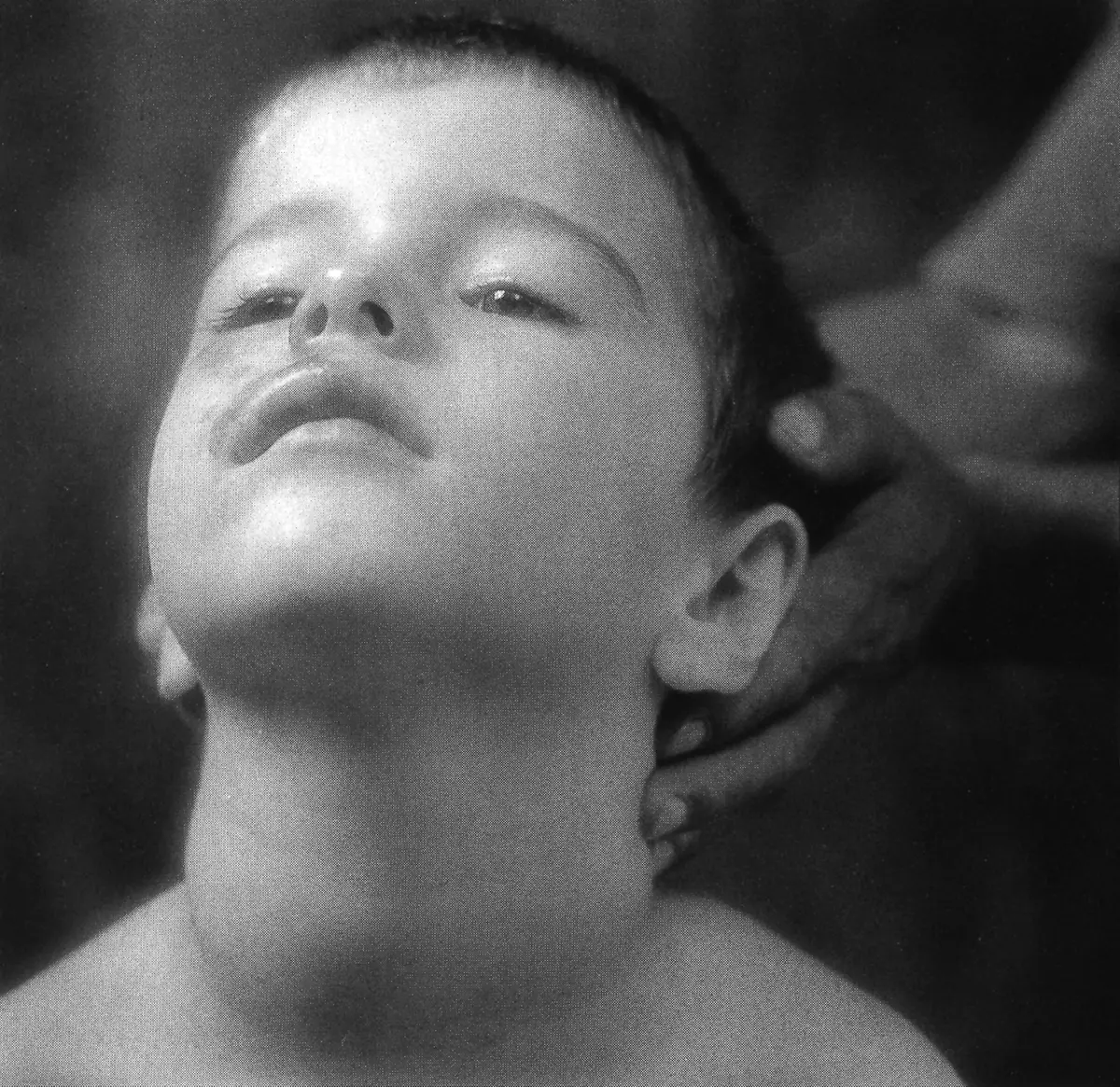
P.B.: Your images are very dual, given that they show a strong tension between the spiritual and the erotic.
M.C.N.: Yes, that relationship exists. My vision of the world, of life in general, is articulated around a sort of vertigo that, in turn, manifests itself in various tensions, and various contrasts. And what you have just mentioned is, without a doubt, one of them.
P.B.: It's reflected in certain postures, in the bodies and faces that you portray. Also in the relationship that you maintain with those portrayed, with your models.
M.C.N.: The attitude of the models and the form in which I place them is very important because it gives the historical dimension of the characters, like those in Giacometti's sculptures. This is also a question of time since it deals with a futuristic vision of his era. Then, what the attitudes of my personages have, which is the most important for me, is that through them I wish to express the reality of a new, tropical country, a country that has an important relationship with nature, a country of future.
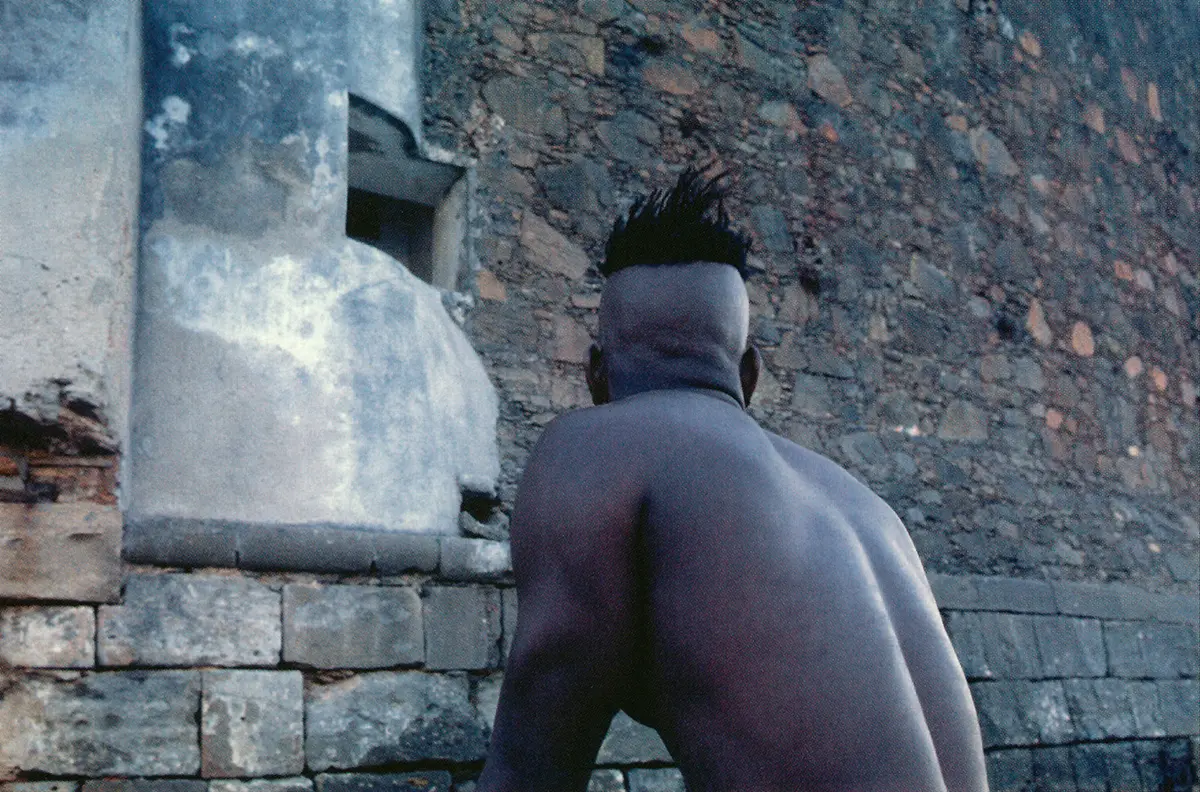
P.B.: Hence such a manifest tension in your creations between man and nature.
M.C.N.: Exactly. You mustn't forget that I'm the child of a land that is almost totally nature. The nature in Bahia is so strong —and the tropics are very different from Europe— that many times it becomes threatening, even brutal. Many times, when we speak of the conservation of nature —with which I totally agree— the survival of man in the tropical nature of Brazil, as in the Amazons, constitutes a question of life or death. Besides, since nature is so present, that also implies for me a positioning of personages when I work in the studio or outside.
P.B.: Composition powerfully calls attention to itself in your images. Do you consider yourself, in this sense, a Minimalist photographer when it comes time to conceive and prepare the image?
M.C.N.: It's a concept that I would consider true. However, in an international artistic context, critics would not consider my images to be Minimalist. In any case, I do consider them so because I'm the child of a generation of plastic Minimalist artists, a tendency that I also practiced. Besides, when I mention that I've made sculptures, I'm not referring to sculpture in the traditional sense of the term, but rather to its interdisciplinary meaning, of working in space. As I pointed out before, in the '70s I delved into Minimalist work when I was in New York, and it was then that I began to do photography, which somehow reflects those influences that you mention.
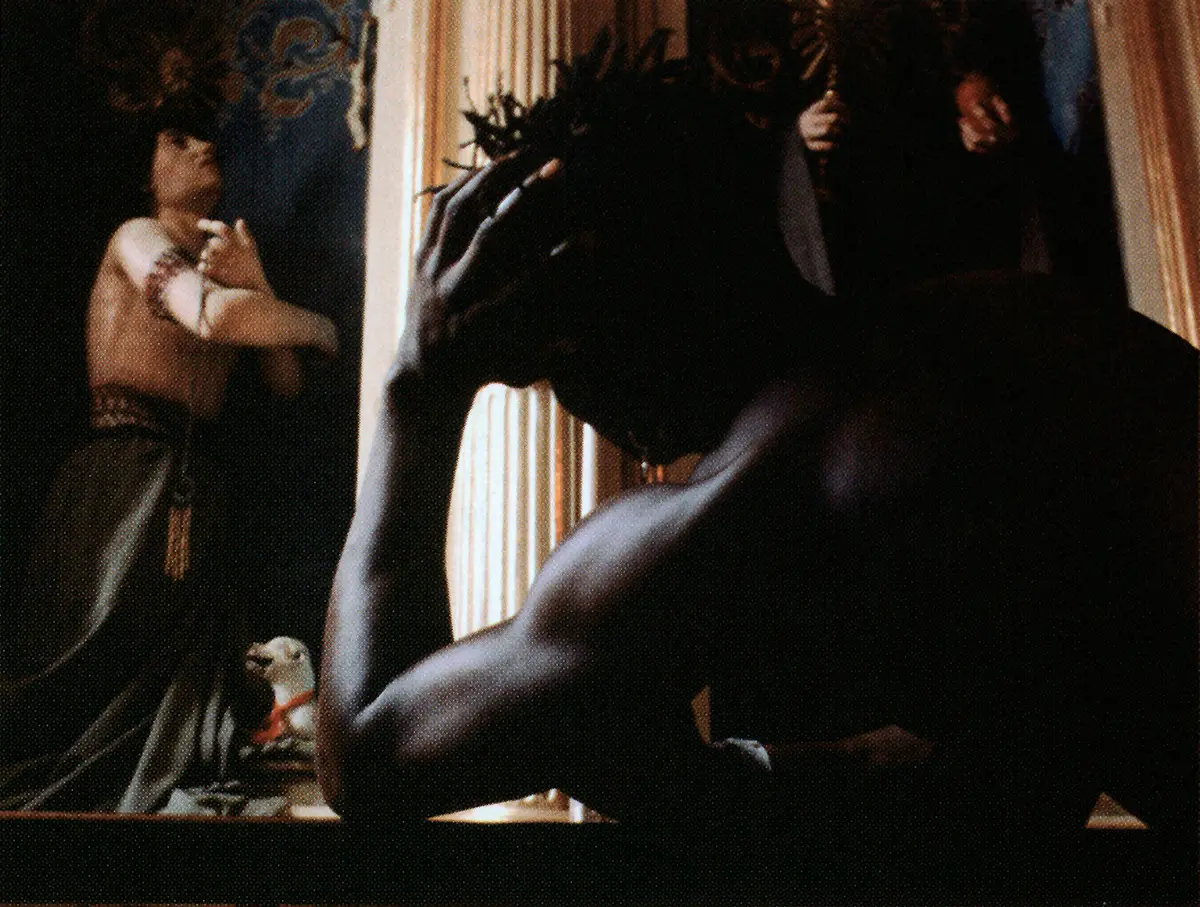
P.B.: Another aspect that draws my attention is the use of light which, at times, I would call baroque.
M.C.N.: If you're asking me if my photographs are Minimalist, I'll say that they are for me, but for others, they may not be. You see, if they're baroque they can't be Minimalist; apparently, there could be no relation. I think that the baroque aspect exists, however, and perhaps more so in my color works. On the other hand, the use I make of light is quite simple. I work with flash in the studio and I try to make a light that simulates natural light as much as possible; I try to make it diffuse. And, of course, my work generally has a certain baroque nuance that I would attribute to my Portuguese roots.
P.B.: We also perceive a subtle use of grays.
M.C.N.: Grays somehow allow me to bring out all the realism that the images possess.
P.B.: People know you, especially for your black-and-white work. However, you have a very important corpus of work in color. How do you understand the relationship between the two?
M.C.N.: It's important for an artist to be able to work with a certain language, whether it's black and white or color, a language that conforms to his or her feelings. The work that I do in color in the streets and outdoors of Bahia could not be realized in black and white since Bahia is a very colorful city. However, the work that I realize in the studio does indeed offer me a conceptualization in black and white.
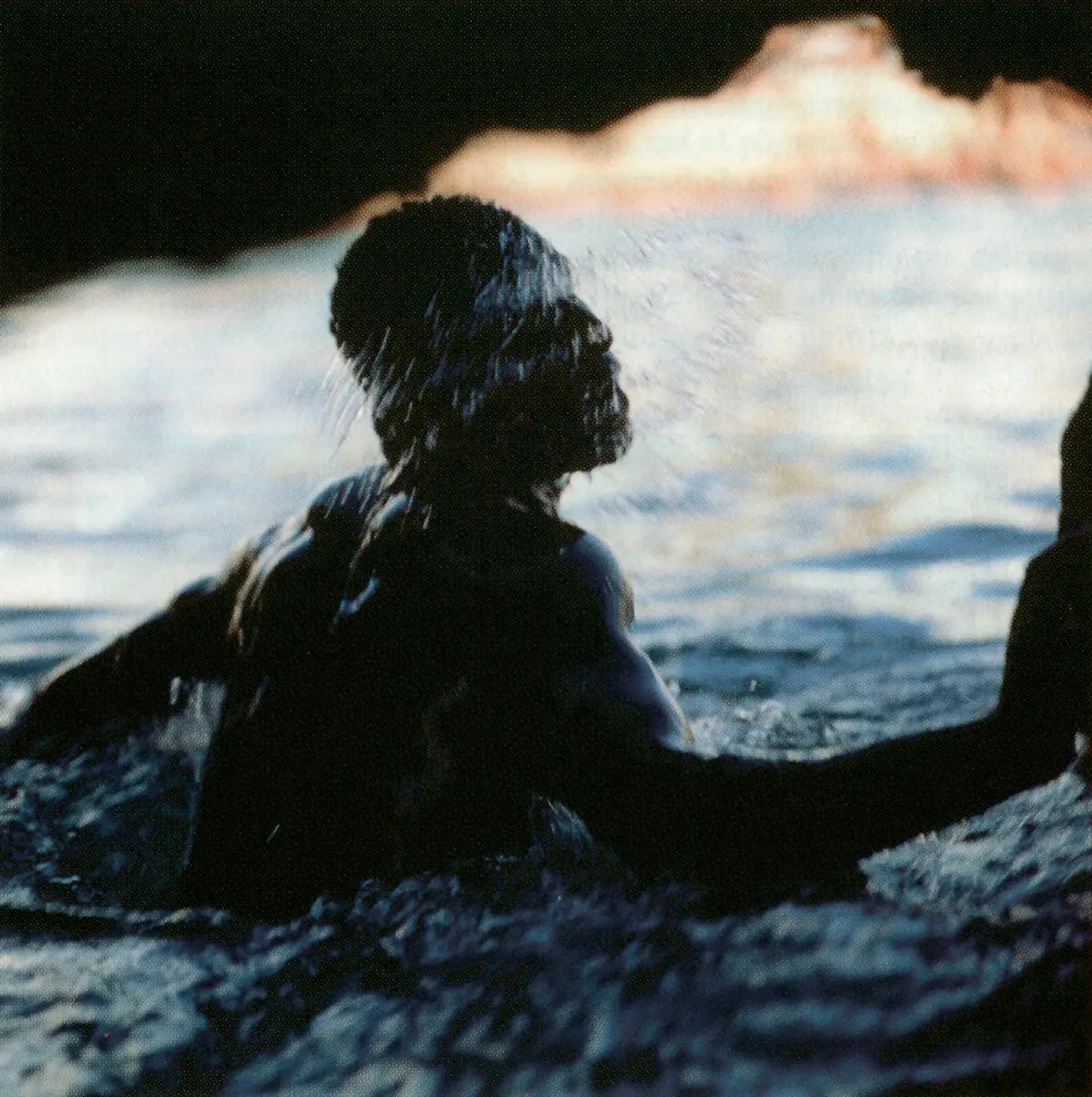
P.B.: However, you realized the series on the Yoruba in black and white, while in many African cultures, or cultures of African origin, color is present in all its facets.
M.C.N.: It's part of the African culture, but it's not so decisive. In any case, my work on Bahia, where African culture is so strong, is precisely in color. My color work simulates an image created in the studio, but they are not elaborate images, they capture a sort of Bressonian moment...
P.B.: ...the decisive moment?
M.C.N.: Not the moment of action, the decisive moment as Bresson understood it. In my case, it's a matter of capturing the moment of a static event, and this is why it could be called Minimalist, since I work with a static time, as if it were a sort of detained time. It's a question of meaning, as Nietzsche would say, time is one.
P.B.: Although lesser known, you have also made incursions into the field of installation, as is the case with Body to Earth, a video and sound projection at the Fisher Gallery in Los Angeles in 1995.
M.C.N.: Installation interests me because it constitutes a different way of visualizing the work in large dimensions —the installations with the projection that I did measure 5 meters by 5 meters, and some were even larger. Life and art are a type of circus that is mounted in order to be dismounted immediately! The importance of the image is one thing, regardless of whether it's a minuscule copy or an image in a newspaper. But, depending on the context —what you want to show and to whom— you use images in different ways, as with the installation, as with Intimist photography.
P.B.: You've also made an independent film titled Uríbajara, shot in 1975, which won prizes on several occasions and was well-received by the critics. Do you see your work developing more and more in that direction?
M.C.N.: I've already done some work in film, but it honestly doesn't interest me very much. Uríbajara was, without a doubt, a very interesting experience. It's an independent film based on the novel of the same title by the Romantic Brazilian writer Jose de Alencar. On the other hand, today's cinematography is very bold, very American, and very Hollywood, and it's influenced by the extended use of computers. You can only take a poetic photograph with a camera; you can't compete with Hollywood's cinematographic photography, which for me is great photography, but it costs a lot since it requires some powerful equipment. Video work was the result of purely personal interest, and I've already done some more work in this field. Without looking any further, during the Gulf War I did an installation that, though initially a video projection, was conceived as an installation, although it hasn't been assembled to date. During the 41 days of the Gulf War, I captured on tape all the images transmitted by CNN. It was hellish work because the transmissions were very short! Imagine the transmission of TV images that lasted only 10 seconds, maybe 20 or 30 seconds tops! I called it G(ulf) W(ar) 41, and after 41 days, when I imagined an apocalyptic end, which never happened, I edited it. I presented this video, which I consider an important work, at the Berlin video festival, but they rejected it.
P.B.: A moment ago you mentioned Hollywood photography. Are you interested, in this sense, in works like those of Philip-Lorca di Corcia or Jeff Wall, which are characterized precisely by that type of staging?
M.C.N.: I'm interested in many types of photography, but I'm not especially interested in those artists.
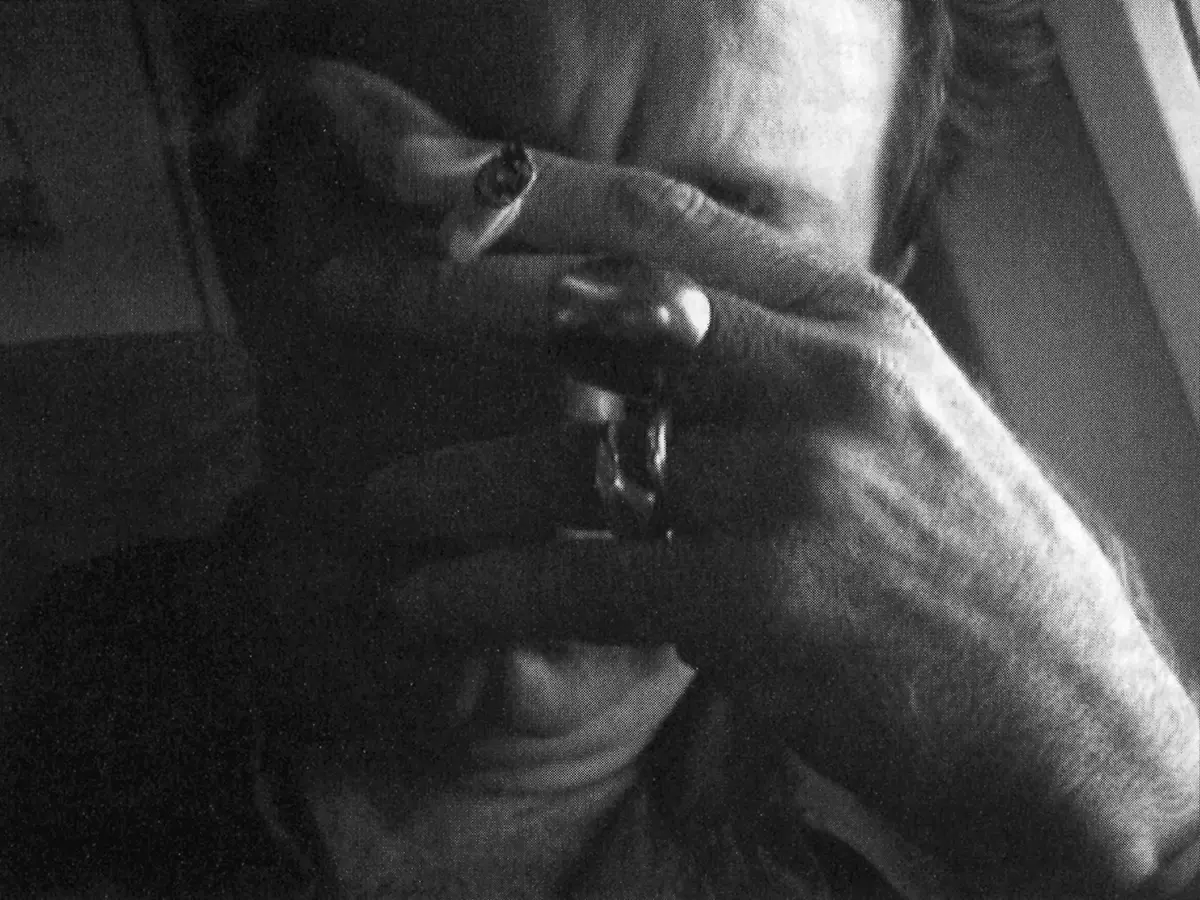
P.B.: In Spain, you've just finished your first show within the framework of the Festival PhotoEspana 98 in the Botanical Garden. What made you decide on that space?
M.C.N.: When the director of the competition, Alejandro Castellote, called me to ask for photographic copies, the exhibition space had not yet been selected. And since we were a little short on time, he mentioned to me that he had the Botanical Garden space available, where we could make large format images of 2 or 3 meters, specially adapted to an open-air exhibit along the paths and trails of the garden. This seemed fantastic to me because, at that time, I was also digitalizing my images for practical purposes. And the idea of having them in nature was something I found very beautiful and even unique. The only problem was that I couldn't be here to supervise the printing; I'm very demanding in that sense. Anyway, I liked the idea very much, it was simply perfect.
P.B.: Do you see photography as a sort of social or political activism?
M.C.N.: No. I'm not interested in that question, although it may sometimes be important for humanity, but I think there are other problems that are more important. After all, the question of pain, whether psychological or physical, is a more important issue than political activism in itself. Political activism is something inherent to man, to his nature, and therefore more transient. This is the reason why I'm more interested in a less political and more humane form of activism because not everything that is social and political is human.
P.B.: You've done some work for the media. How do you see your relationship with them?
M.C.N.: Not much work. A few years ago I did something to make a little money, but that's it. Today, I live from my photography, from my shows in the United States, where there's a very important market. But sometimes I also do more commercial work, but they're not really as commercial or commissioned as cinematographic photography or certain trendy photos could be. I always attempt to bring them within my aesthetic, within my temperament. I'd never accept jobs just like that, and even less if they were jobs for the establishment, to give it a name. In this sense, I'm a little bit anarchistic.
P.B.: Finally, do you believe that today's society is characterized by an excess of images, even by a certain contamination that makes the human being ever more insensitive?
M.C.N.: That is precisely the problem with political activism because it's necessarily tied to the media. That impact, that excess of information that exists in the media makes man colder, more insensitive, and more obsolete, in the sense that he becomes desensitized and lives out relationships characterized by business, by the rational, forgetting the affective side.
PACO BARRAGÁN
Licensed in Philology. Chief editor for the World Press Service Agency.