
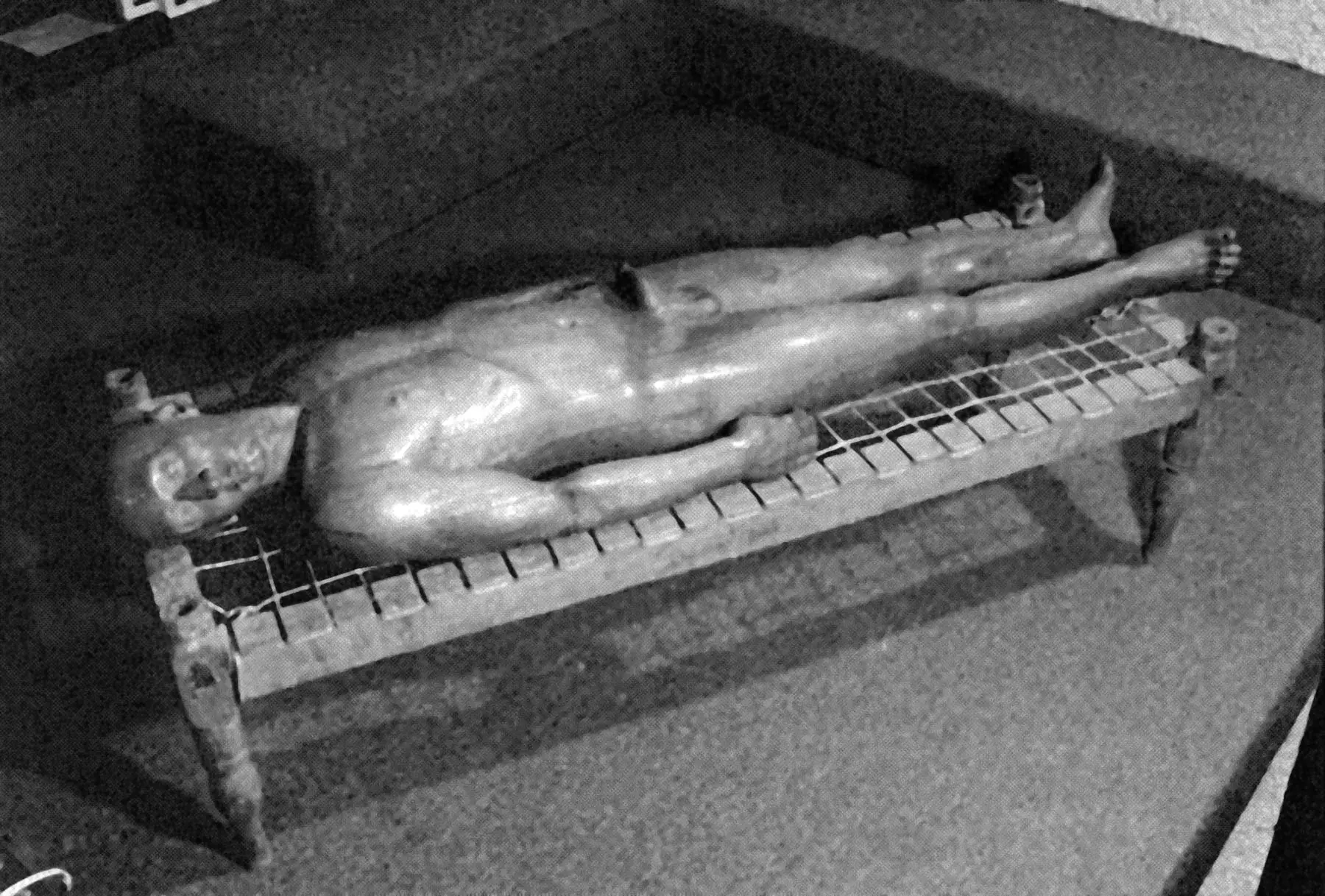
In a country used to chronological and/or monographic exhibitions, a show like this, titled The Body in Allusion. Anatomies and Constructions. Mexico's 16th-20th Century was surprising in its rather historicist proposal. Using a variety of resources and artistic techniques to transmit their message-"the symbolic uses of the body in Mexico from the sixteenth century down to the present"— the curators brought together an interesting selection of work created during different periods of the history of Mexican art.
The projection of classic works from the Mexican cinema, an excellent selection of fragments of Latin American poetry, painting, sculpture, prints, photography, video, printed material, and installations made up what might be called a turn-of-the-century exhibition. What appeared to be chaotic in fact had its own purpose and very clear objectives.
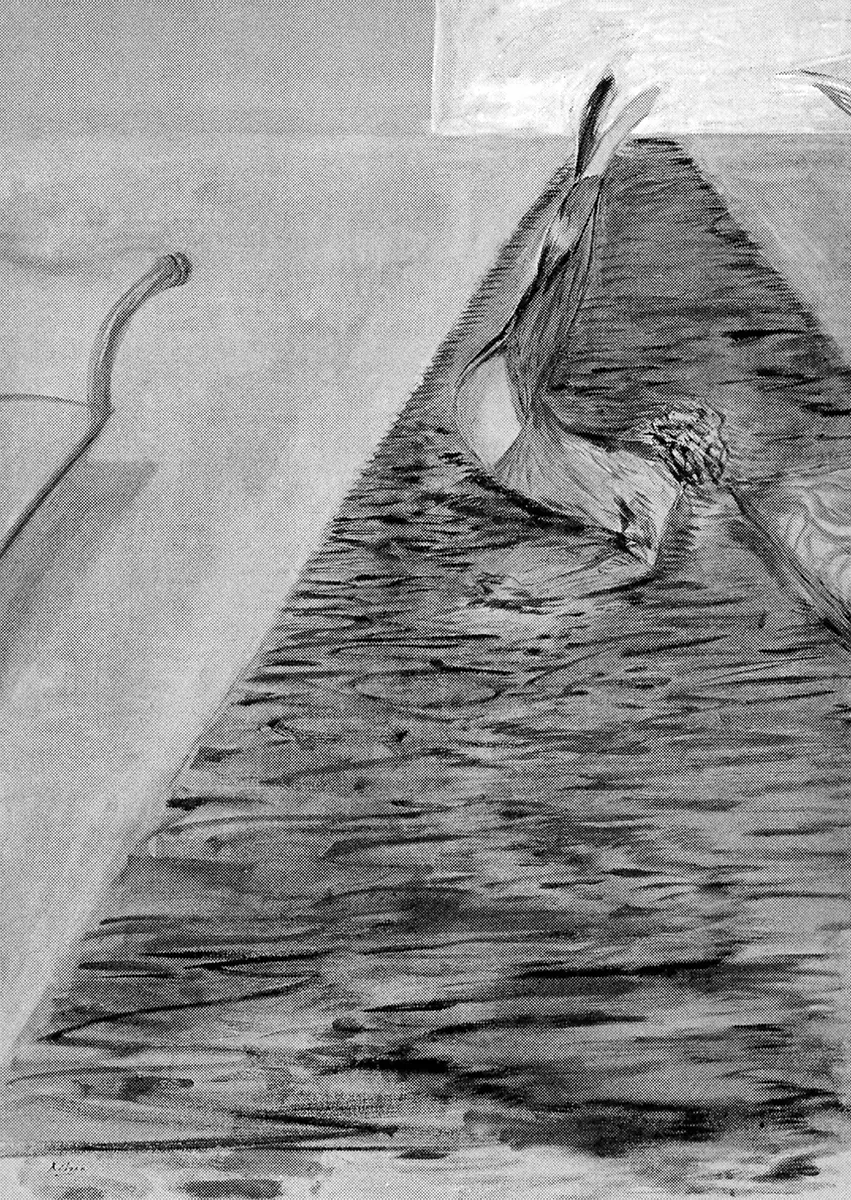
At present human beings are increasingly aware of their bodies, with their obsession with perfecting the body acquiring almost incredible dimensions. This exhibition was a good opportunity for reflecting on and analyzing the various meanings of human matter over a period of four centuries. Seven thematic sections proposed seven different readings which resulted in a whole: the body itself exposed, revealed, and finally, only alluded to.
The first section, "On the lightness of being," showed images of light bodies rising up, suspended in time and space. Angels, gymnasts, and ghosts appeared before the spectator and made him aware of the relativity of his weight, and tempted him to challenge gravity. "The search for the perfect body" revealed man's search at different periods for achieving an ideal, incorruptible, and eternal body. "The flesh and bone body" was the title of the third section, which was the most substantial and included works by Yolanda Paulsen, Felipe Santiago Gutiérrez, Diego Rivera, and Reynaldo Velázquez, among others. The spectator was presented with the aesthetics of the body through the passage of time, female, male, and even divine elements in their different meanings.
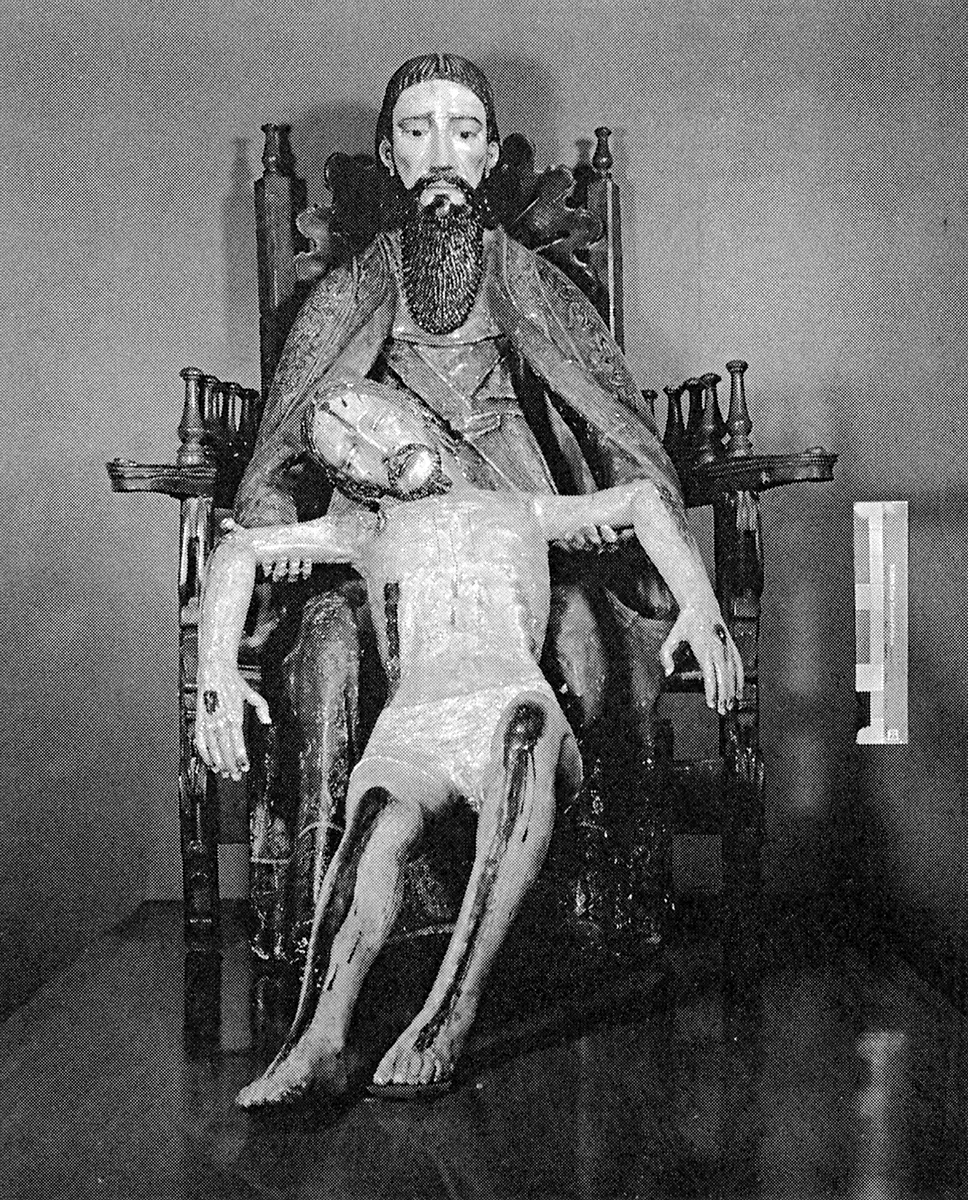
The fourth section, "The body, and its fellow beings" included works exploring an imminent relationship with the other. "The erotic body" focused on the senses and the way in which they are related to the body in the search for the object of desire. The body in pain, a theme that has been exhaustively explored in Mexican art, included flagellated anatomies and souls in purgatory crying out with pain and suffering. The final section was titled "The fragmented body". Here mutilated, fragmented pieces of the body allowed the spectator to discover the various meanings of the fragmentation of the human figure in the past and the present.
A splendid catalog worth acquiring, with all the works from the exhibition, and intelligent and well-documented texts, complements this interesting show. In museographical terms, the exhibition encouraged the spectator to lose himself in the context of the body. Exploring the various sections was a confusing task and though the title of each section and its various images might have suggested that there was no problem with interpretation, the visitor looked at each section with a certain sense of unease.
The exhibition was based on an interesting piece of research and a curatorial vision that will undoubtedly influence the way we see and relate to objects in the future.
ANA ELENA MALLET