The Art Biennial at the Museum of Modern Art has now been in existence for ten years. This year the participation of the sixteen invited artists presupposed a generous space for the different works, most of which consisted of installations. The event attracted the opinions of various critics on the most recent production of Colombian art.
Death, violence, humor, and everyday life were juxtaposed with the paradigms of architecture, customs, and various allegorical options. The single prize was awarded to a work that explored old age and death.
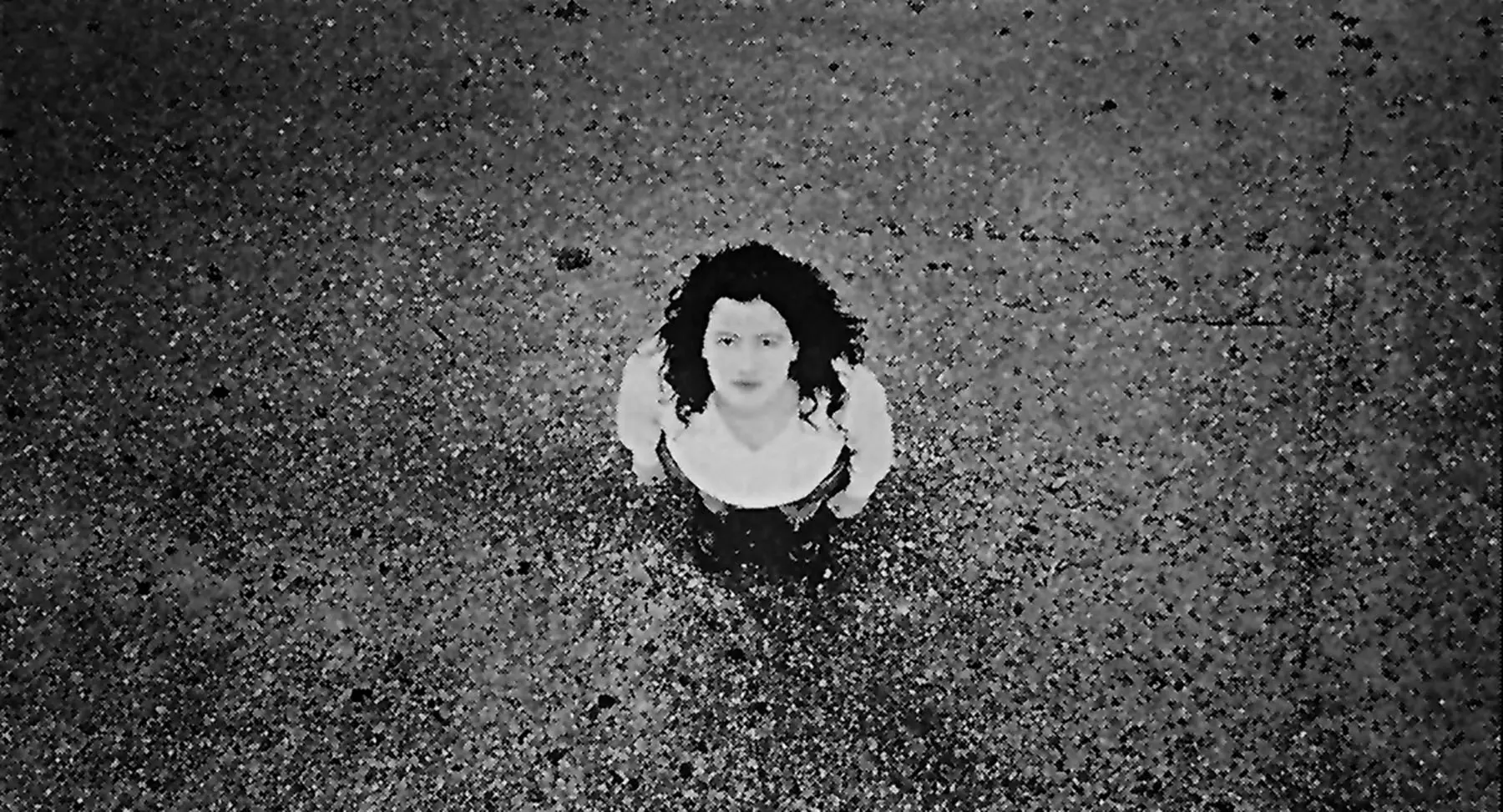
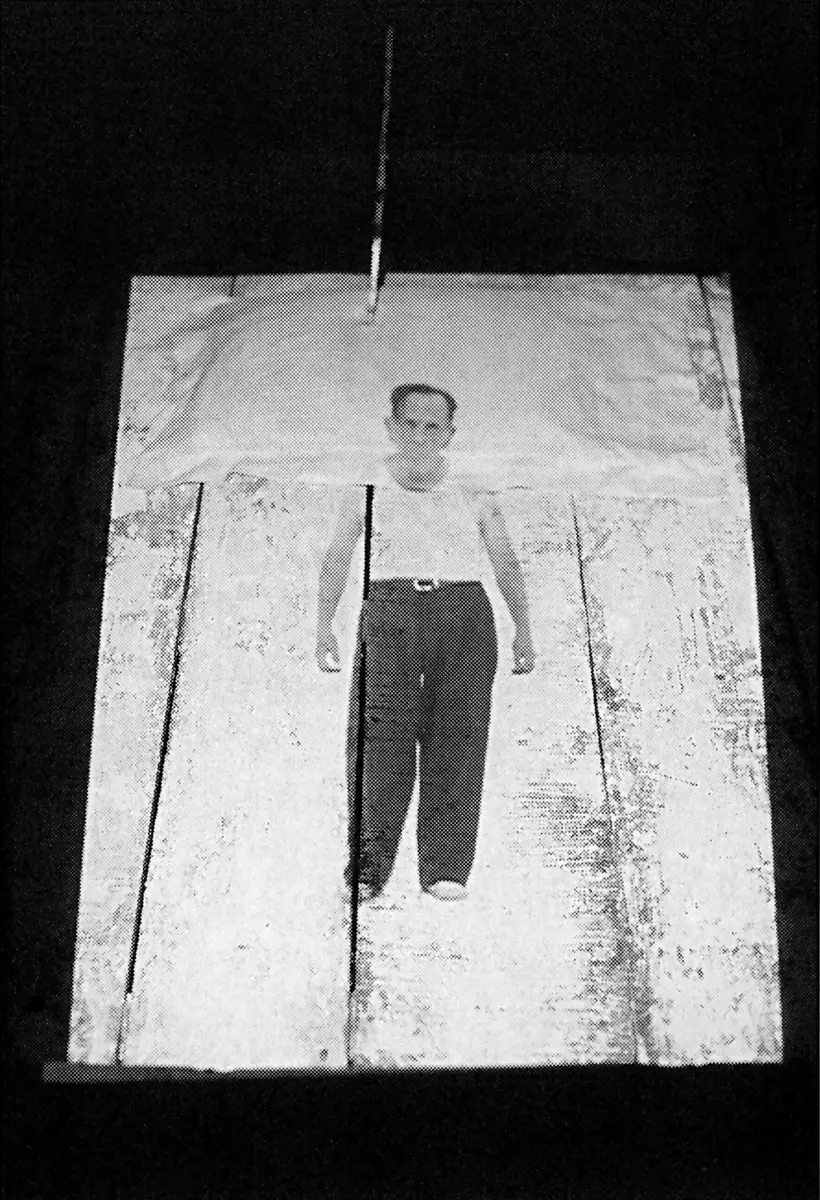
A video installation in which the projected image merged with the space and the objects to evoke the human condition in its perpetual solitude. The emblems-a bed, a pillow, and a bell-were offered up as signs of solitary existence. The artist, Rolf Abderhaldan, based his idea on the letters to Theo and the picture by van Gogh titled The Room, which used an evocative image projected onto the pupil of a human eye, the last resource shown by the video projector.
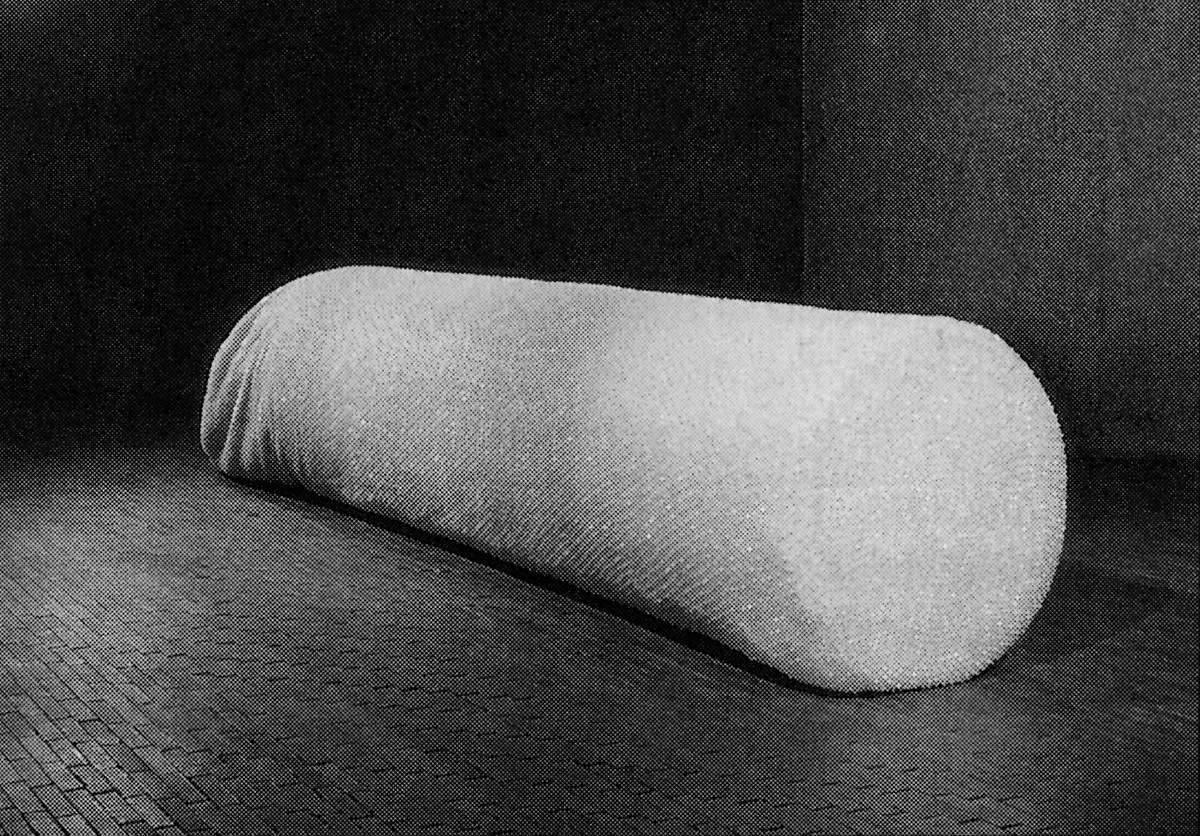
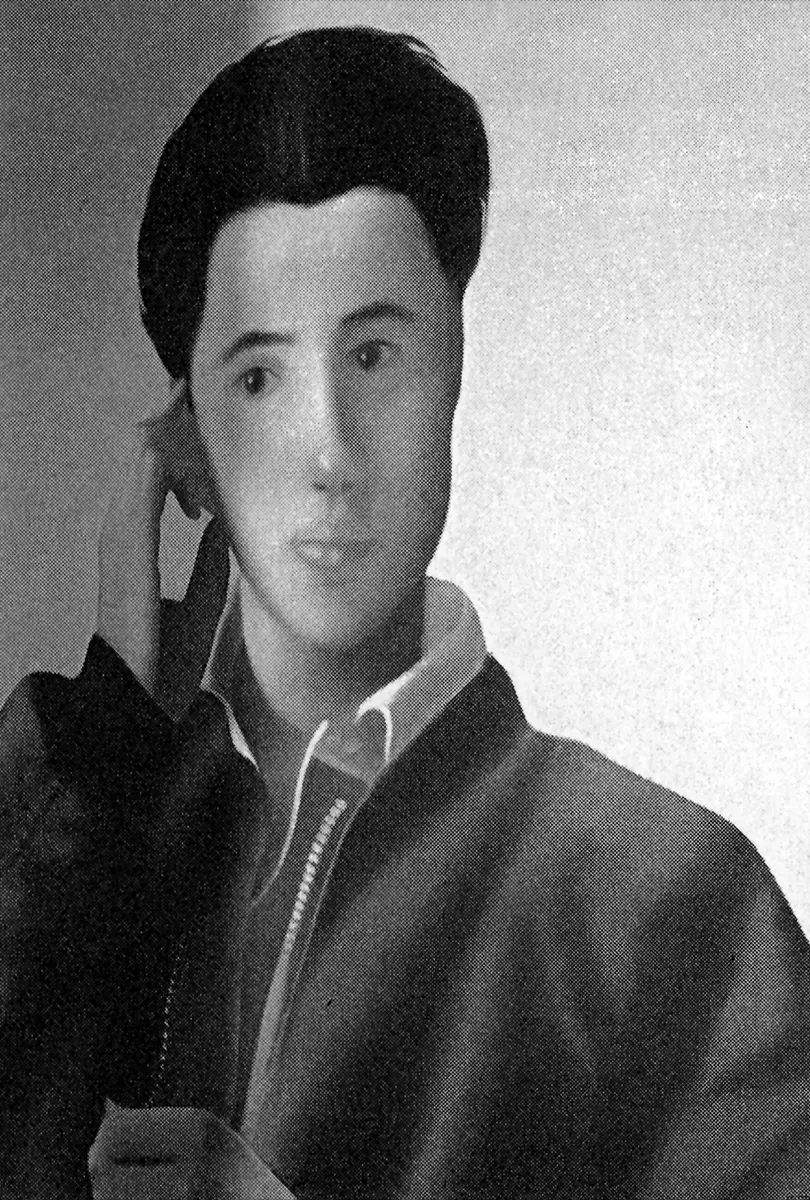
The jury also acknowledged the presence of Alicia Barney, who presented three works that referred to eroticism, the essence of man, and blood as a specific element of violence, illness, and death. Mentions were also awarded to the works of Guillermo Quintero and Jorge González. Quintero presented a large wall made with tobacco leaves, a crushing piece of architecture of minimalist specifications but with complex species inside. The atmosphere became impregnated with a strong smell of a tobacco plantation. González used one of the most fragile and delicate drawing media: pastel. His portraits, which could be read in two ways, looked like imposing classical icons which, when examined closely, acquired a contained kind of expressionism. Seen from the front and in profile, the portraits revealed imperfections in the skin and stains, like the marks left by chance and hazard, the agitation and extremes of experience. This ambiguous nature helped create the aura of mystery and intrigue characteristic of these images.
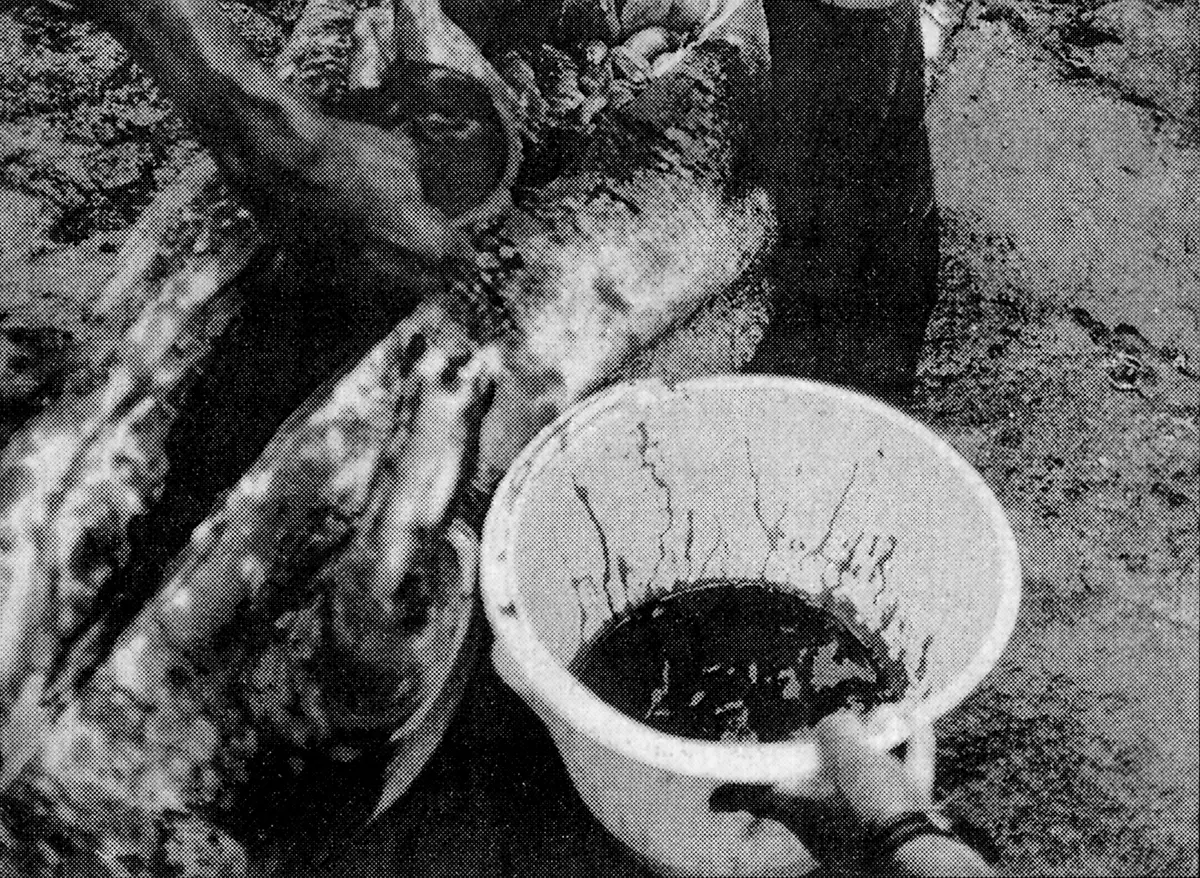
Clemencia Echeverri and Luz Mercedes Arango also presented video installations, both using everyday images. The ritual of animal death was examined in a bloody room (Clemencia Echeverri), while Luz Mercedes Arango opted for seven images, one for each day of the week.
A blood-soaked twilight was the setting of a work by Patricia Bravo, with an army of the names of those who had died violently in Medellin. Her mural photographs were moving in a macabre, poetical way. In contrast, there was an interactive work by Carlos Blanco, which collected information that had to be entered by the visitor. Three enormous orange-colored inflatable snails, which had traveled throughout the city, finally came to rest in the Museum.
Works by Beltran Obregón and Luz Angela Lizarazo used painting and objects as a source of speculation. For Obregón, reality is exalted by being repeated and made insistently and can be dislocated by playing with the wall and the stability of the support. Lizarazo prefers private references and the creation of a sense of intimacy in her works on femininity and experience. Objects which are imprisoned in bubbles or the subtle embroidery of her canvases can be seen as comments on life and human complexity.
The Biennial also included a performance by Guillermo Marín, environments by Juan Luis Meza and Juan Mejía, and works of reflection, such as that of María Teresa Canales, who distorted the sense of scale to create enormous micro-worlds.
This edition, which was the last of the century, silently placed its bets on certain possibilities which it considered as having been expressed in the production of national art. We are living in a time of redefinition. At the same time, it is necessary to accept the condition that we are part of a whole, be it international, intercontinental, or global. We are also what we aspire to be, what we want to be, and what in a sense is expected of us. We cannot ignore the processes of hybridization and appropriation. In the same way, we have to take into account, as part of the process, the role of neologisms, resignification, inventions, systematic doubts, simulation, and paradox, all of which are phenomena of a process in which not only the artist but man at the end of the millennium is engaged.
In these circumstances, which also include our situation on the periphery, plastic discourses are being articulated which results in various languages and meta-languages. What is certain is that the present decade has reflected uncertainty at various levels, along with the dictatorship of technology, the age of the fax, the Internet, and e-mail.
For us, this has inevitably been a time of war. But now we have the historical perspective of the most critical and somber moments of human experience, as well as the most prodigious kind of creativity, to our advantage. Let us hope that chaos and the unbearable uncertainty of the future can lead us toward a kind of shining path.
MIGUEL GONZÁLEZ