The 18th edition of ARCO closed among an ambiance of controversy regarding the lines it would follow in the future, leaving a lot of topics and problems on the table which (as always) would hopefully be solved and answered throughout the year—and in time for the next circus that this fair represents.
It is surprising that at this advanced stage, it remains inevitable to elude the moral questions that purists feel obliged to ask a fair that is presented as eminently commercial: whether it is more party and show than culture; whether it is only guided by neoliberal market values; whether it is too exclusive or even too inclusive. All these controversies that came to light throughout the fair in the pages of Spain's most important newspapers prove the artistic medium's inability to assume its condition of a complex system that requires all these forms of exchange in order to subsist, and even in order to develop within a self-critical framework. On the other hand, an event of this nature also seemed unable to stop engaging in theoretical, historical, and critical aspects which are equally indispensable for the proper functioning of the system; and the debate tables were the most concrete example of this.
The fair itself could easily be read as a model representation of the system. The commercial area occupies the center of the two sectors made up of pavilions 5 and 7 of the Juan Carlos I Fair Park. In either of these two sections, in pavilion 5 which contained more traditional galleries, or pavilion 7 which displayed proposals that could even be considered riskier, the price of the square meter was the same (18,000 pesetas). The entrance into these two pavilions was characterized by the numerous stands dedicated to Art and Philosophy Magazines—such is the heading with which the organizing committee defined such fundamental publications for contemporary art as Artforum, Art Press, Lápiz, ArtNexus or Trans—as well as some of the most important newspapers of Spain, such as El País and ABC. Thus, the entrance into this artistic universe was filtered by the media in charge of ideologizing the distribution process of information concerning the art promoted in these types of events. Immediately following the magazine section, it was nearly impossible not to run into either a small branch of the Museo Nacional de Arte Centro Reina Sofía, where the catalogs of the Chillida exhibition and the fair itself were selling like hot cakes; or into the ARCO '99 souvenir store.
Once inside the enclosure, the diverse projects parallel to the presentation of the galleries at the center of both pavilions were literally at the margin of the fair's heart, which beat thanks to international trade. France's presence at ARCO—a country invited this year—was, with few exceptions, practically concentrated at the back of pavilion 5, in what seemed to be an attempt to delineate a profile of that country's modern and contemporary art; and here the most traditional proposals were able to confront the more adventurous Project Rooms.
The international Cutting Edge program was also located at the back, in the last two hallways of pavilion 7. On the left margin, the section "East Wind /Est Wind" dedicated to Eastern European galleries could be seen, as could the Nordic presence, which was limited to four galleries: one from Iceland, one from Finland, and two from Sweden; true, this presence displayed an extraordinary quality in plastic and conceptual pieces, especially those shown by the Icelandic gallery 18. Equally separated from the commercial galleries were the international and Latin American Project Rooms, finishing off with the "ARCO Electronic" section. It is worth pointing out that participation in these similar programs was at a lower cost than those in the central hallways, but the true irony of this spatial ordering is the sensation that what is being projected as the most avant-garde and intentional art was located physically behind or next to art that represented a safe bet.
This entire classifying structure, worthy of a deeper deconstruction, was surrounded by the Cultural Programs and the Salas Project, that is, by the public and private institutional programs with probably the greatest economic participation in Spain. This presence was perhaps what was most surprising from the Latin American perspective, where we are not at all accustomed to an unfurling of institutional interests in contemporary art of such magnitude and with connections across all areas: museums, publishing houses, foundations, and cultural centers throughout all regions of the country.
The focus of the fair was the Galleries program which occupied the center of pavilions 5 and 7. As an international fair, almost none of the galleries present limited themselves to artists of one nationality in particular, but rather counted on a dossier of international artists. For starters, this questions the logic of separating, in terms of a geographical sketch, both the invited country (France in this case) and the Scandinavian and Eastern European galleries. As was to be expected, a large part of the debates carried out at the discussion tables in conjunction with the fair touched precisely upon this point. What became quite evident was the localism of the system itself: the majority of artists on display are the same artists who can be seen at any large international fair, and by that standard, they are already legitimate. Thus, contemporary art becomes a sort of imaginary country that has its own settlers, its own language, its own rituals, and its very particular forms of initiation and socio-economic regulation.
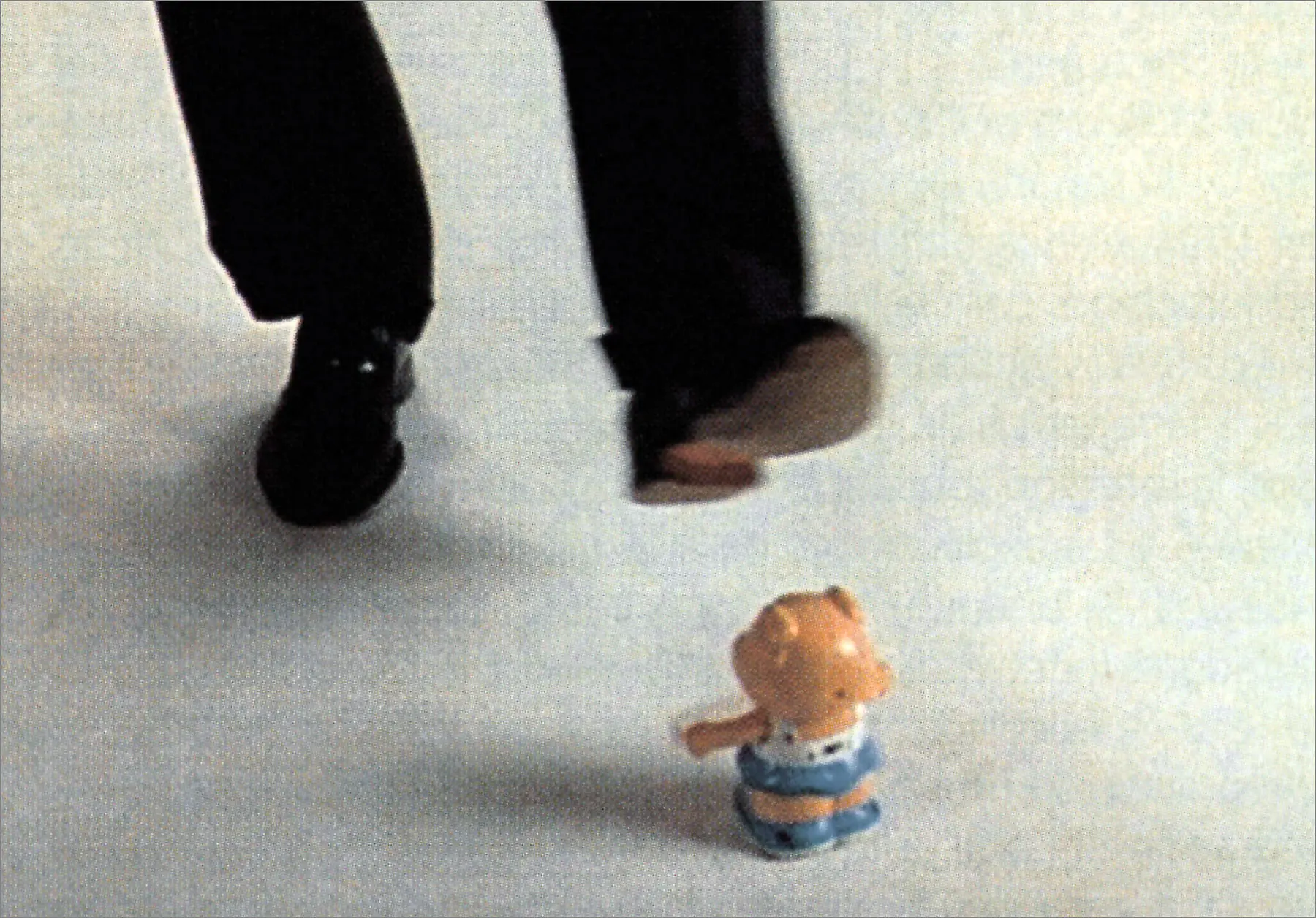
In the Galleries program, traditional languages dominated with interesting video pieces, as well as a strong presence of manipulated photography, and even installation. In the Luis Adelantado Gallery, the viewer could see works ranging from Carmen Calvo's object pictures to Sophie Calle's photographs, as well as pieces by Eva Lootz and Miguel Navarro. Juana de Aizpuru presented Rogelio López Cuenca's posters-elevated-to-works-of-art, while Ruth Bezacar's star was Liliana Porter, whose photos were shown in the gallery at the same time as a video of hers based on a photographic series could be viewed in the Project Rooms. Another strong Latin American presence was that of the Camargo Vilaga Gallery with works by Ernesto Neto, Francis Alÿs, Cisco Jiménez, Jac Leirner, Rosângela Rennó, Meyer Vaismann, and Valeska Soares, among others. This selection coincided with Mexico's OMR proposal which, in addition to Alÿs and Jiménez, displayed pieces by Alonso Mateo, Xawery Wolski, Saul Villa (who is matchless for these sorts of events), Julio Galan, Maurch Santiz Gómez, and Daniela Rossell, among others. However, the most memorable of the OMR's presence was probably its Project Room, where Francis Alÿs's magnificent installation titled Canción para Lupita (Song for Lupita) was created. This composition was an animated video given ambiance by the music emitted from a 45 rpm acetate record that was surprisingly relaxing in the context of a fair in which hi-tech videos and blue screens proliferated.
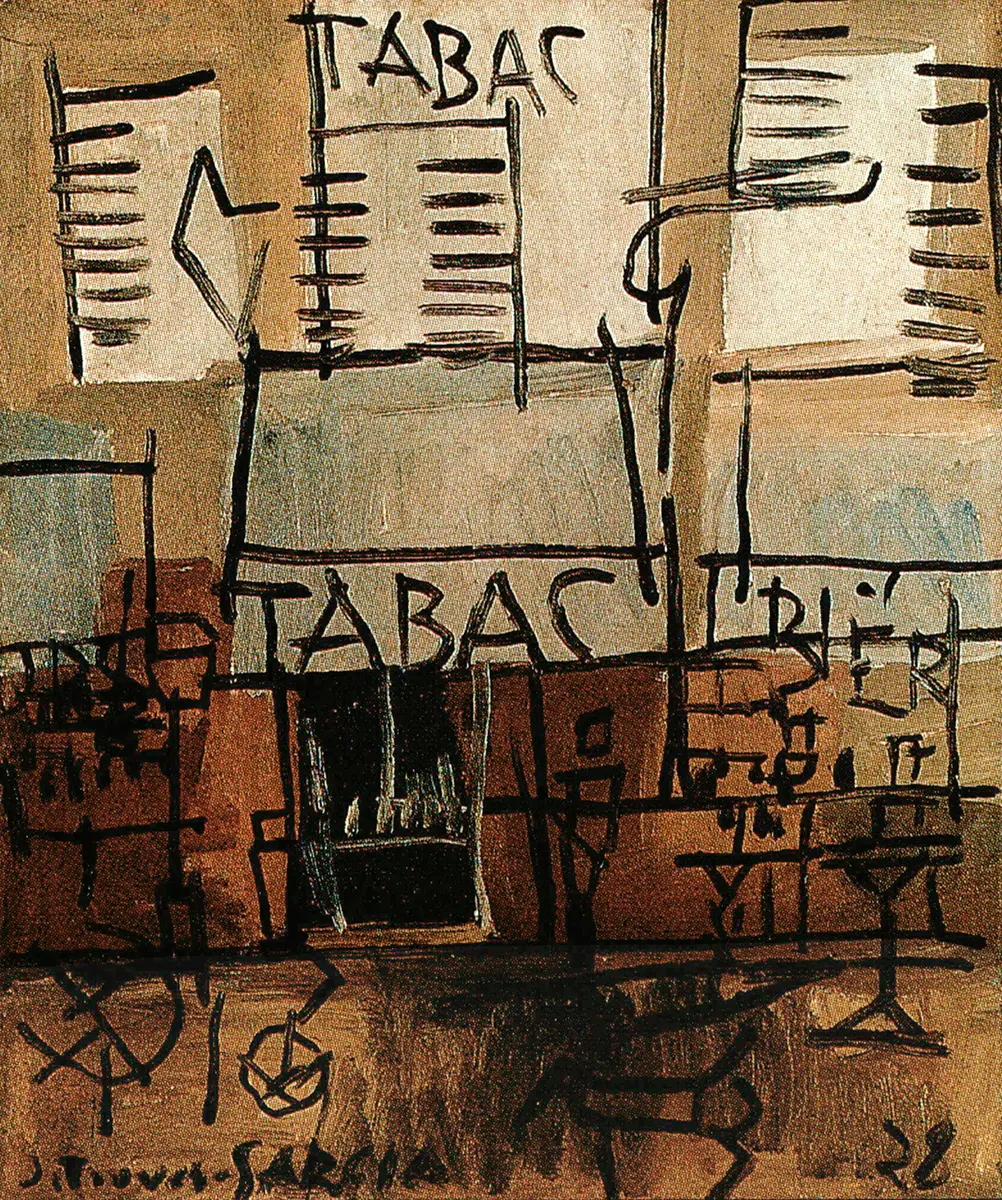
In a more traditional tone, Uruguay's Sur Gallery brought an indispensable show of works by Torres Garcia and his Escuela del Sur (southern school), in addition to some pieces by Iturria. At the same time, the El Museo Gallery, based in Bogota, showed works by Vicki Neumann, Ricardo Benaim, and Rodrigo Facundo, among others. The USA's Christopher Grimes Gallery also had its Latin American representation with pieces by Ernesto Neto, Valeska Soares, and Tunga.
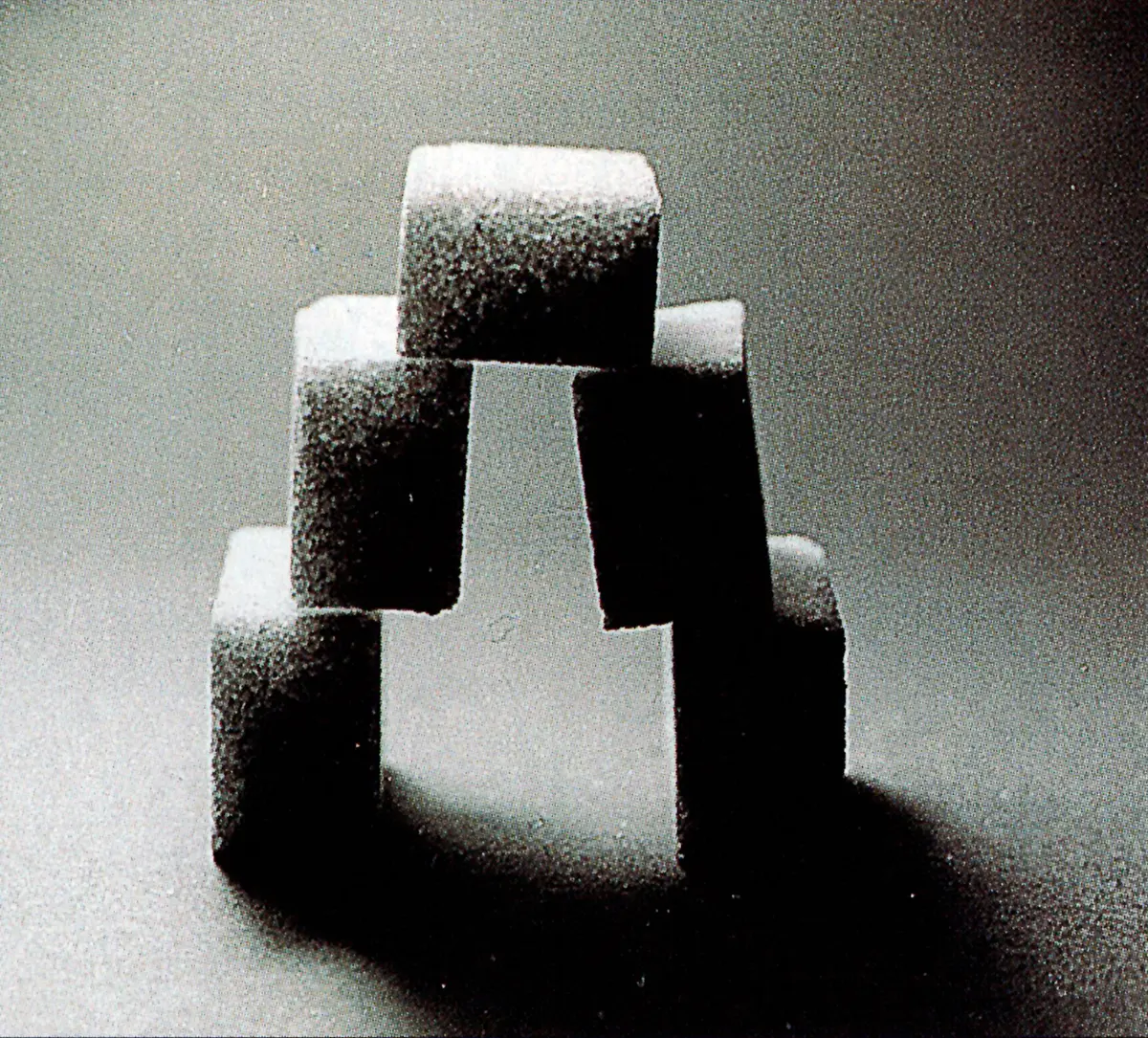
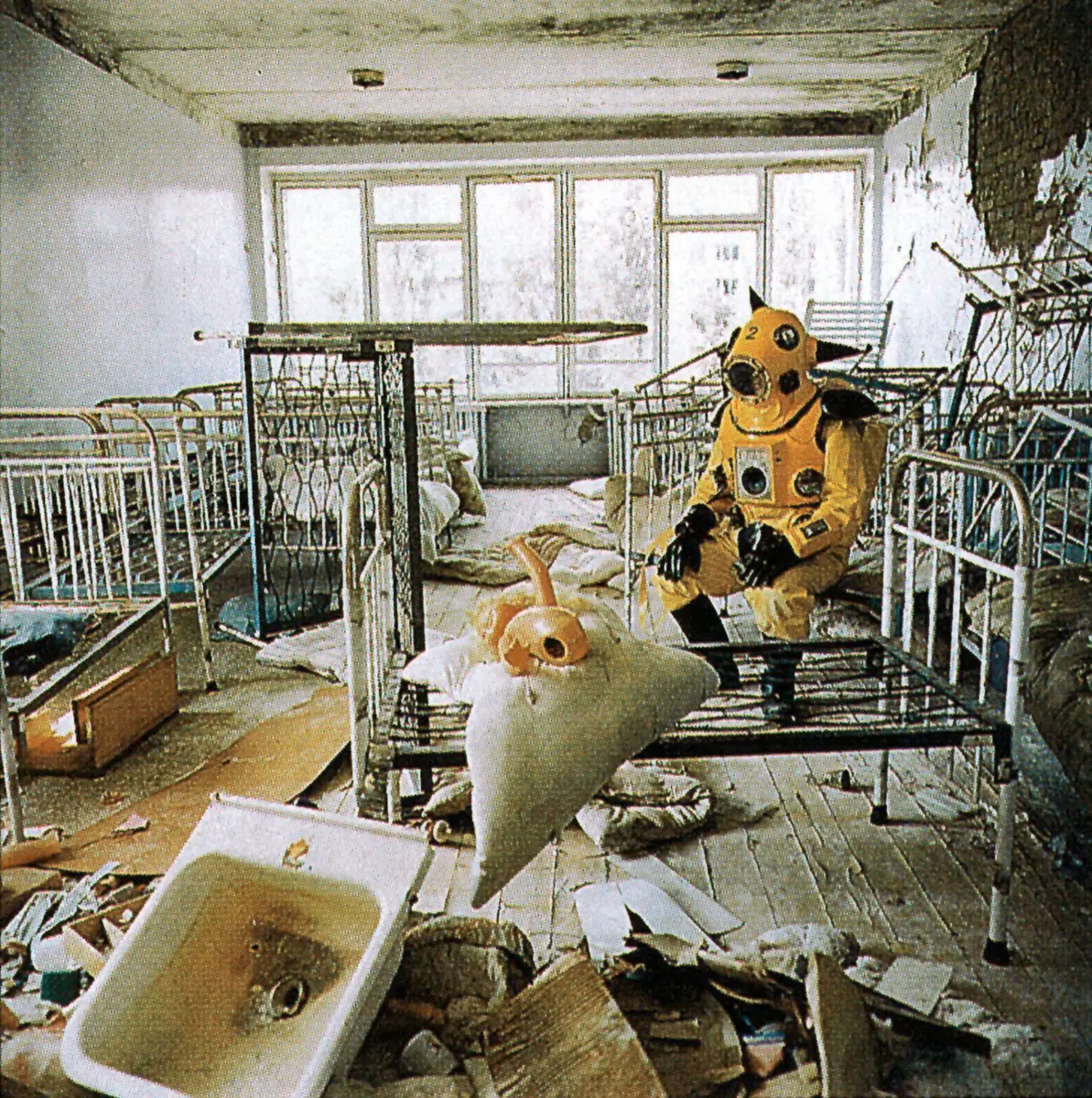
It is worth pausing momentarily before the highly discussed presence of France at ARCO, for what somehow seemed to signify a reevaluation of French art winded up becoming the clearest and most honest sample of the current situation of contemporary art. The selection of artists and galleries was conducted by the young independent curator Nicolas Bourriaud, who announced in several specialized newspapers that "art is stateless, only situations are local"; and that selection ended up subverting, perhaps unintentionally, the concept of "invited country" by taking the risk of very young and experimental galleries that house the work of artists from Spain, Japan, Saudi Arabia, Mexico, England, Germany, and every other country imaginable. It became equally clear that this was not a best of, but rather that the real situation of the current artist, in France and elsewhere, is highly eclectic and uneven. There are artists of all ages, with the cultural baggage of all types, who are expressing themselves in an endless number of languages, some more transgressing than others, but in the best cases effective at the moment of communicating ideas. It is worth mentioning the presence of three galleries that showed, from my point of view, the most consistent proposals, even at a glance: the Chantal Crousel Gallery (which is no longer so young), the Emmanuel Perrotin Gallery, and the George Philippe and Nathalie Vallois Gallery. In addition to already consolidated artists on the international circuit presented by Chantal Crousel—like Gabriel Orozco, Sigmar Polke, and José Maria Sicilia—Perrotin and George Philippe brought artists with truly fresh ideas, like Kenji Yanobe's radioactive characters, Guy Limone's materialization of statistics (so popular among the French), Éric Duyckaerts's pseudo-scientific explanations, Alain Bublex's institutional diagrams, and Joachim Mogarra's photographs that are chock- full of irony and poetry.
Among the Project Rooms proposed by Bourriaud, of an aesthetic and conceptual quality considerably inferior to what the galleries were showing, Rebecca Bournigault's video titled Missed is exceptional; her use of the music of a current French band, Daft Punk, guaranteed her the presence of an important number of viewers who did not hesitate to stand in the long line to find out where the party was. For her part, Anne de Villepoix projected Franck Scurti Heineken's video Vision, in which the artist filmed through a glass of beer what was taking place at a sidewalk cafe. Both proposals were bounded by advertising, film, and music video, and we would have to count this as a characteristic of the youngest art carried out today.
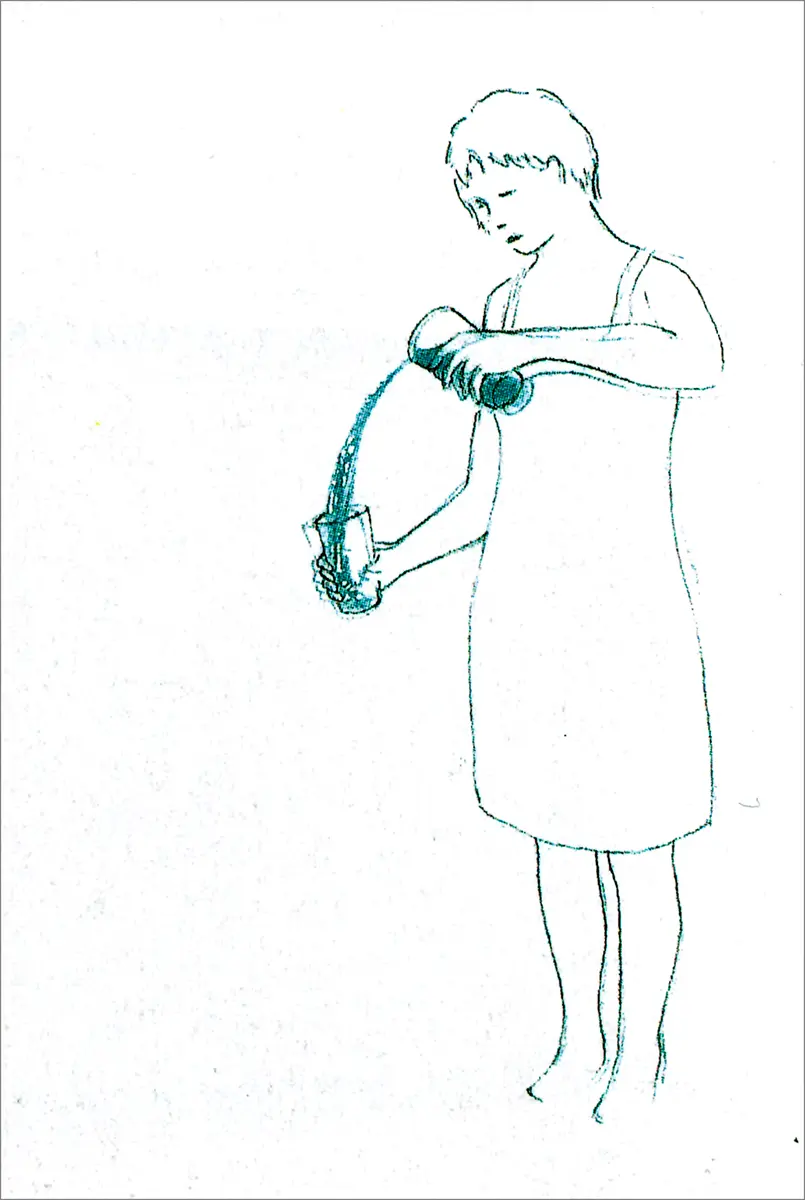
The Cutting Edge section, selected by Oliva Arauna, Heinrich Ehrhardt, Philomene Magers, and Marcantonio Vilaga, intended to center, according to its own words, on "risky proposals" by "non-established" artists (but they must be brought to the fair by some gallery!).
Paradoxically, one of the most solid and interesting gallery proposals was the one presented in this context by Nina Menocal, whose selection of artists—limited to Enrique Ježik, Arturo Cuenca, and Edgar Ladrdn de Guevara—and a perfect montage of the pieces, achieved an almost museographical unity of an aesthetic and conceptual congruence that was surely envied by many of the participants in the Galleries program.
Furthermore, the Project Rooms were divided into two sections: the international section, selected by Sandra Gering, Soledad Lorenzo, and Rosa Martínez, and the Latin American section, concentrating on the presence of Brazil and Mexico, selected by Adriano Pedrosa and Guillermo Santamarina, respectively. Here, the criteria established for each section were notably different: the international section considered the "connection between the proposals and the current aesthetic and ideological postulations in which they take shape," as well as "the participating artists' ability to innovate."
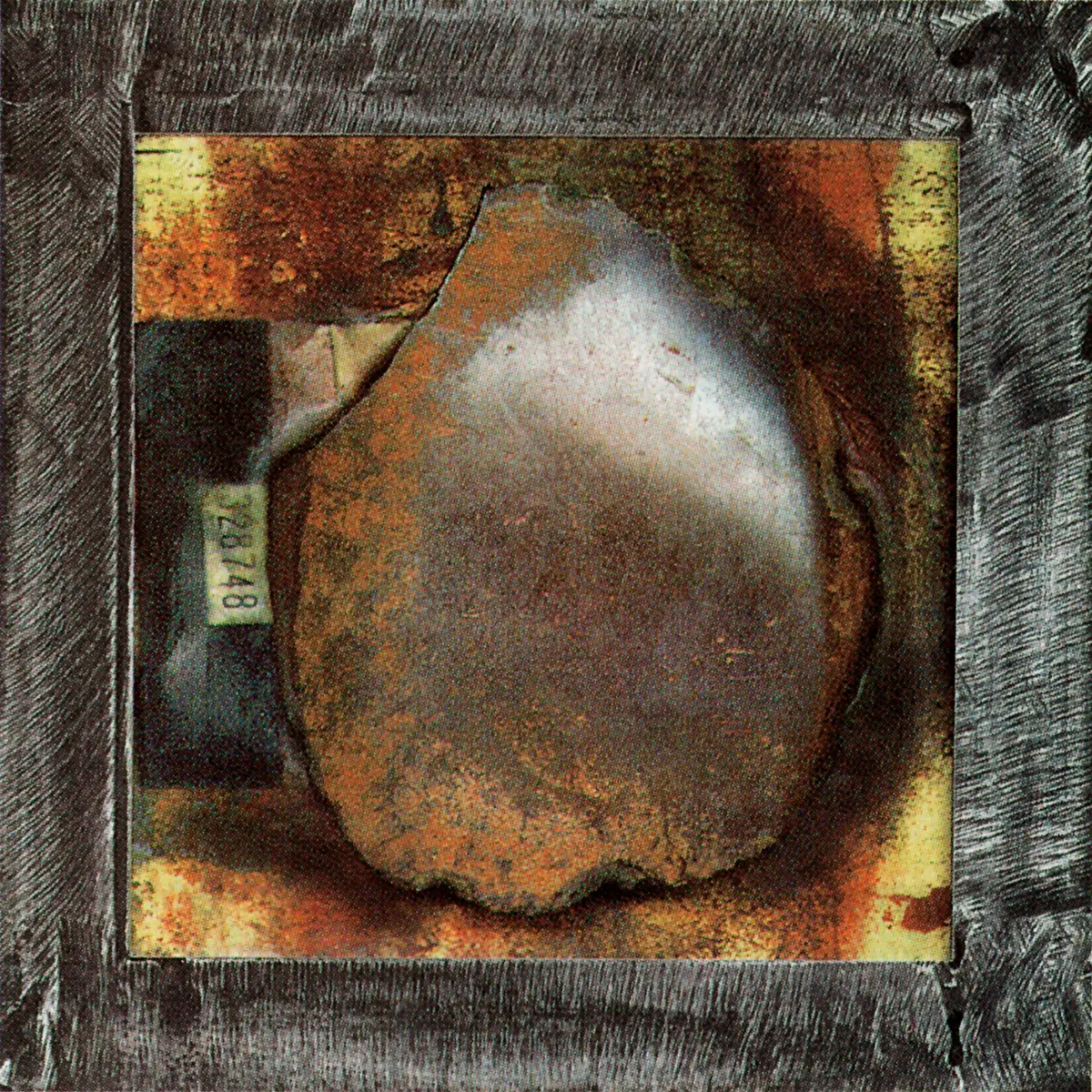
Meanwhile, the Latin American section "aims only to offer a juxtaposed, rather than integrated, grouping of proposals and presentations that resist a common denominator... what stands out in this group is a growing awareness of the depth of instabilities that exist among the selected artists." One cannot stop asking what reasoning led to this double parameter and to the establishment of criteria so full of contradictions. At the margin of the debate about whether or not a fair of this type should be of a fundamentally cultural or commercial nature, it remains clear that the good intentions that doubtless justify the Cutting Edge and Project Rooms parallel projects need a more critical and rigorous elaboration that is both theoretical and conceptual.
This is necessary if these projects are to be truly promoted as interesting and, at some point, alternative sections, or at least complementary to what takes place at the fair's center. In this regard, the most successful Latin American Project Rooms, in my opinion, are Alÿs's and Liliana Porter's, precisely those proposed by two of the strongest galleries with a more consistent presence in these types of events; and this demonstrates a positive aspect of the commercial experience.
The Electronic ARCO section summoned a selection of sonorous art, CD-Roms, infography, internet projects, and video art. One of the principal promoters of such languages was Sanitas's Acquisition of Art—Media Art '99 Awards, which the private institution Sanitas conferred upon the following three pieces: Roderick Buchanan's video Sodastream, presented by Britain's Lotta Hammer Gallery; Antoni Abad's internet project titled 1,000,000, presented by Madrid's Oliva Arauna Gallery; and Rosângela Rennó's NISC projector and VHS tape titled Vulgo (Common people), presented by the Camargo Vilaga Gallery.
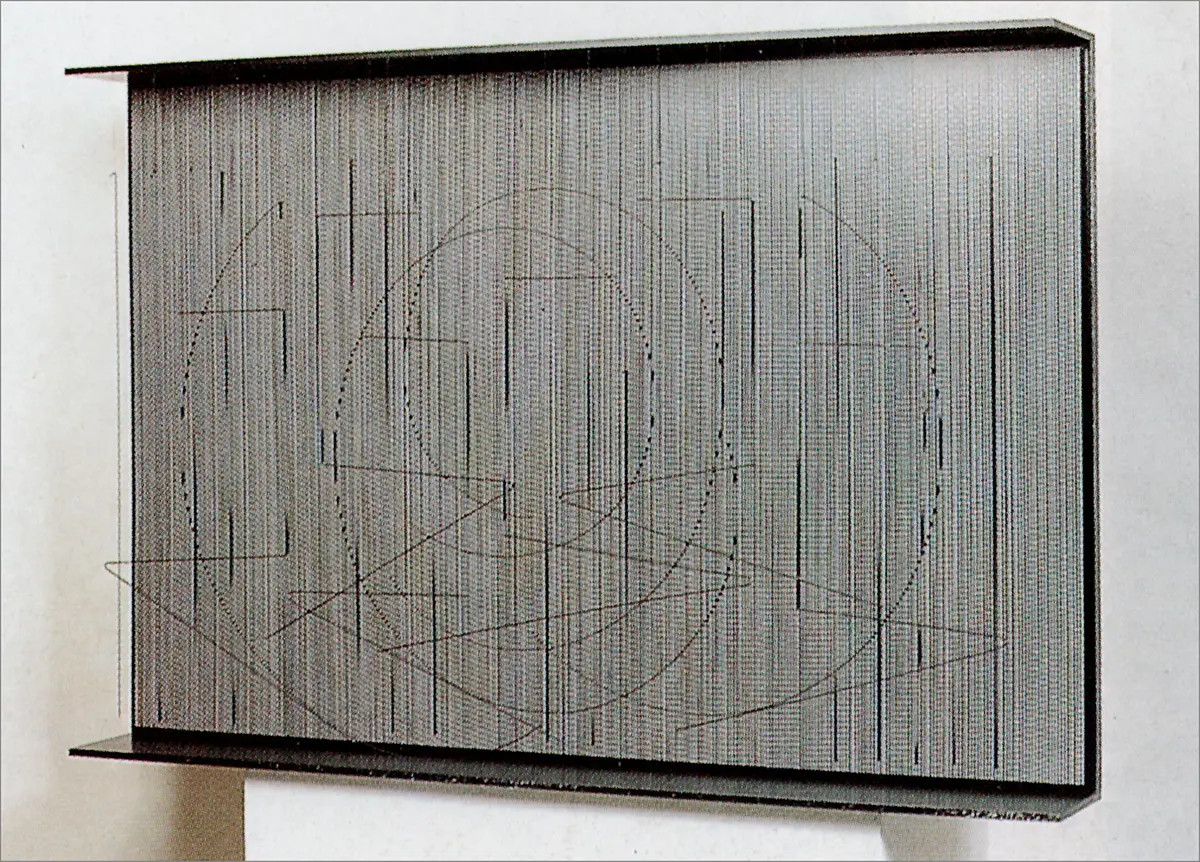
The Kronenberg firm also inaugurated the 1664 Awards, aimed at the support and stimulus of "current, experimental and emerging creation." The acquisitions, which initiate the firm's collection of contemporary art, fell to eight paintings by the Japanese artist Naoto Kawahara, of Milan's Le Case d'Arte Gallery, and four of Alicia Martin's photographs from the series Sordos, mudos y ciegos (Deaf, dumb and blind people). Corporate collections also had a special recognition at ARCO, which this year was won, in the international category, by the Caisse des Dépôts et Consignations collection of Paris, and in the national category, by Spain's Coca-Cola Foundation collection, whose logotype could be seen on the back cover of the fair's catalog, along with the slogan "Always Coca-Cola... with contemporary art." Within the framework of the institutional cultural programs that participated this year, noteworthy is the work of the young Extremaduran and Ibero-American Museum of Contemporary Art (MEIAC) which has not skimped on efforts to establish solid contacts with the Latin American art world. Proof of this was seen in the second edition of the Latin American Forum, organized by Gerardo Mosquera from 17 February through 19 February at the MEIAC's center in Badajoz (Extremadura). The forum, which culminated with a round table at Madrid's Casa de America, enjoyed interesting participation by Mosquera himself, Cecilia Fajardo-Hill (director of Caracas's Sala Mendoza), Iván de la Nuez, and Luis Camnitzer. Due to its smaller dimensions and its more precise focus, the forum fulfilled its goal with much greater precision than the debate tables at the fair itself. To close the general reckoning of the fair, it is necessary to mention the most important prizes awarded, those of the Spanish Association of Art Critics (AEC A). AECA's grand prize to the best international artist alive represented at ARCO went to the Venezuelan sculptor Jesus Rafael Soto—yes, the kinetic sculptor of the '60s. The prize for the best gallery was given to the French gallerist Denise René, a representative of Soto who is dedicated to the spreading and promotion of abstract, optical, and kinetic art. Without wishing to disqualify the importance of history or to question either the quality of Soto's work or that of the French gallery, AECA's selection does not cease to amaze since it demonstrates ARCO's self-absorption among the central programs and parallel projects, with the premises and expectations of established critics.
The debate tables, gathered under the heading "State of the art," were set forth as the elucidation of the projects and activities of experts concerning current art. Excess also ruled here (nineteen debate tables, with over 70 speakers), and the diversity of topics did not help to draw any general conclusions from the discussions. The debate tables were practically an underground subject: presented on the 2nd floor of the Fair Park's deserted office building, they displayed a notably unbalanced quality and attendance. Without a doubt, the participants who drew the greatest crowd were Harald Szeeman (director of Documenta V in 1972 and current curator of the next two Venice Bienales), who is well experienced in the subject of independent curating; Okwui Enzewor (director of the Johannesburg Biennial and recently appointed director of Documenta XI); and Dan Cameron (Chief Curator of New York's New Museum of Contemporary Art, organizer of the highly acclaimed show Crudo y cocido (Cooked and raw) at Madrid's Reina Sofia in 1994, and in charge, this year, with María Corral, of the acquisitions for the ARCO Foundation).
Latin American topics were debated at tables dedicated to the repercussion of Latin American art in the United States, the reflection on the process of Mexican art's modernization, and the exhibitions of contemporary Brazilian art. In addition, a discussion took place (among other things) about the role of independent curators—a very prolific species throughout the fair—collecting young creations in France, the integration of Central European art into Western Europe, the integration of European art into the American art system, the integration of alternative museums, and the disintegration of the art canon. The talks were generally informal, and they hardly presented reflexive conclusions to the topics discussed. It was equally difficult to find a recurrent public. Rather, the tables were isolated—there were even isolated conferences within a single table—and aimed at people interested in timely topics. Probably the only thing that many of the tables shared was the total decontextualization of the scene in which they took place: an international commercial fair. This gave a very suspicious character to the discussions on centers, margins, peripheries, and alternatives, all of which suggest the need to rethink seriously the role played by presumably critical and/or theoretical events in this context.
Finally, ARCO left on the table the contradictions and complexities of the current workings of the contemporary art system: on one hand, its material subsistence depends on its ability to be financed by public and private patrons of the arts, and consumed by individual and corporate collectors; on the other hand, its historical permanence is subject to the possibility of articulating critical and comprehensive narratives about its themes, its languages, and its conceptual proposals. All of this without losing its statute of fresh and innovative art that, although at times incomprehensible, may be able to remain attractive before a potentially consumer-oriented public.
The success of the fair’s sales and attendance (some 180,000 people) is one of the first contradictions with which the system must struggle. Thus, from an event of such spatial and conceptual magnitudes, declarations like those of its director, Rosina Gdmez Baeza, spring up; she states: "we have tried to define ARCO as a fair dedicated more to the sale of artworks and to the cultural meeting among experts. More than a fair of great magnitudes, we prefer it to be a fair available to professionals" (ABC, 16 February 1999). Likewise, the Juana de Aizpuru Gallery declares: "... we are an elite and we need an elitist fair..." (El País, 16 February 1999). Who forms this elite, then? Who are these "experts" and "professionals" who must "culturally" unite each year at ARCO? These questions seem to have no clear answer. Or perhaps the answer is found precisely in the form in which international fairs, their diffusion, the controversies they generate, and the contradictions they display are represented year after year.
ISSA MARÍA BENÍTEZ DUEÑAS