
Now in its ninth year. Art Miami seems to have found its own identity as a major showcase for Latin American art, in keeping with its location in Miami, the gateway to Latin America. It has grown into an event that extends beyond the exhibition hall to involve the entire city in "Art in Miami week" in collaboration with South Florida's museums, private art institutions, and a select group of collectors and artists' studios. Visitors were invited to view outstanding modern and contemporary exhibitions, visit artists and collectors, and see installations, a sculpture park, films, performances, and videos in a well-planned and busy program connected by daily guided bus tours.
Although Latin American art was certainly the dominant feature of the fair, Miami's cosmopolitan and vibrant art community was the highlight of the week. Visitors quickly realized that its art scene expanded beyond a Latin American context and was on the verge of becoming something very exciting and deserving of international recognition.
The fair included ninety-five art dealers from eighteen countries, representing a broad range of artists, styles, and media, although painting was the most prominent. The mood was decidedly conservative, with few emerging artists or cutting-edge works on view, but the quality was excellent and more consistent than in the past. Curiously, the International Distinguished Artist Award was presented to Nam June Paik, a pioneer in technology. While there was an installation of Paik's video/television works on display, no other technologically advanced art was presented this year. Since the 1960s, Nam June Paik has been a central figure in the most influential currents of avant-garde production and his work alone has determined the contemporary exploitation of video as an art form. One of the first artists to use television and video techniques to explore the relationship between art and information, Paik continues to fascinate the public, who are now long accustomed to the presence of his television monitors and robotic video creatures in art exhibitions throughout the world. Future Art Miami events should be inspired by this year's tribute and investigate the inclusion of an area for art and technology, despite its lack of commercial attraction and viability.
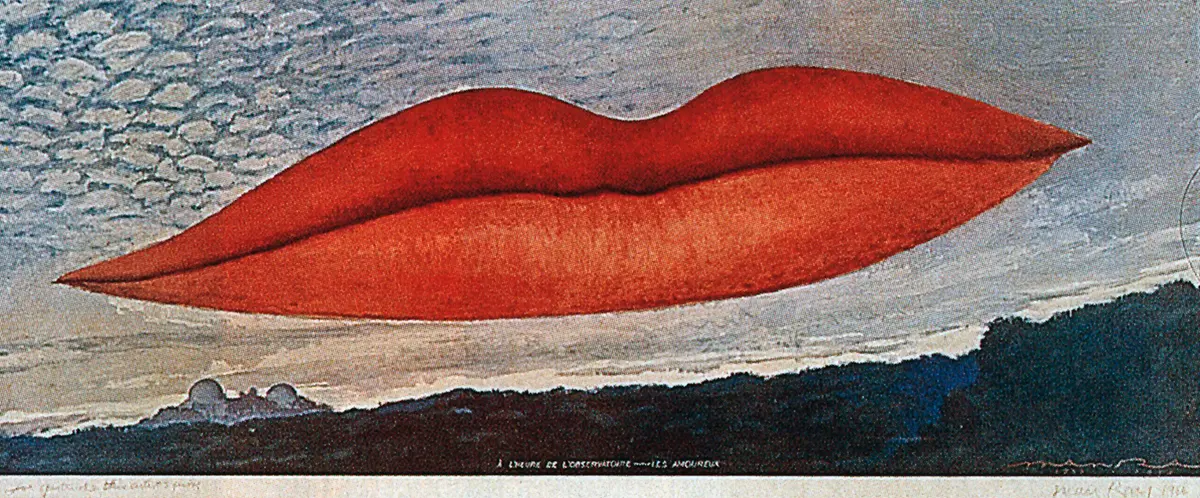
Art Miami is not only an opportunity to see what is for sale, and for what price, but it is also an occasion to see art outside of the sterile environment of a do not touch museum or gallery. This is particularly rewarding when masterpieces emerge from the sheer volume of paintings and objects to provide a surprising visual feast. Galerie Marión Meyer from Paris featured European masters Ernst, Picabia, Magritte, and Man Ray. Man Ray's large bronze sculpture placed in front of a wonderful work on paper was a fitting invitation to the Surreal works inside that are not often seen in the Miami area. Not to be outdone by anything, especially the usual surfeit of Botero sculptures that ordinarily adorn Art Miami (but were not as prominent this year), JGM brought Jeff Koon's Puppy in great multiples (an edition of 3000 signed porcelain vases after the famous giant version in Bilbao) from its Paris gallery, proving that you can overdo it. The gallery's sensational selection of Andy Goldsworthy photographs was a perfect counterpoint.
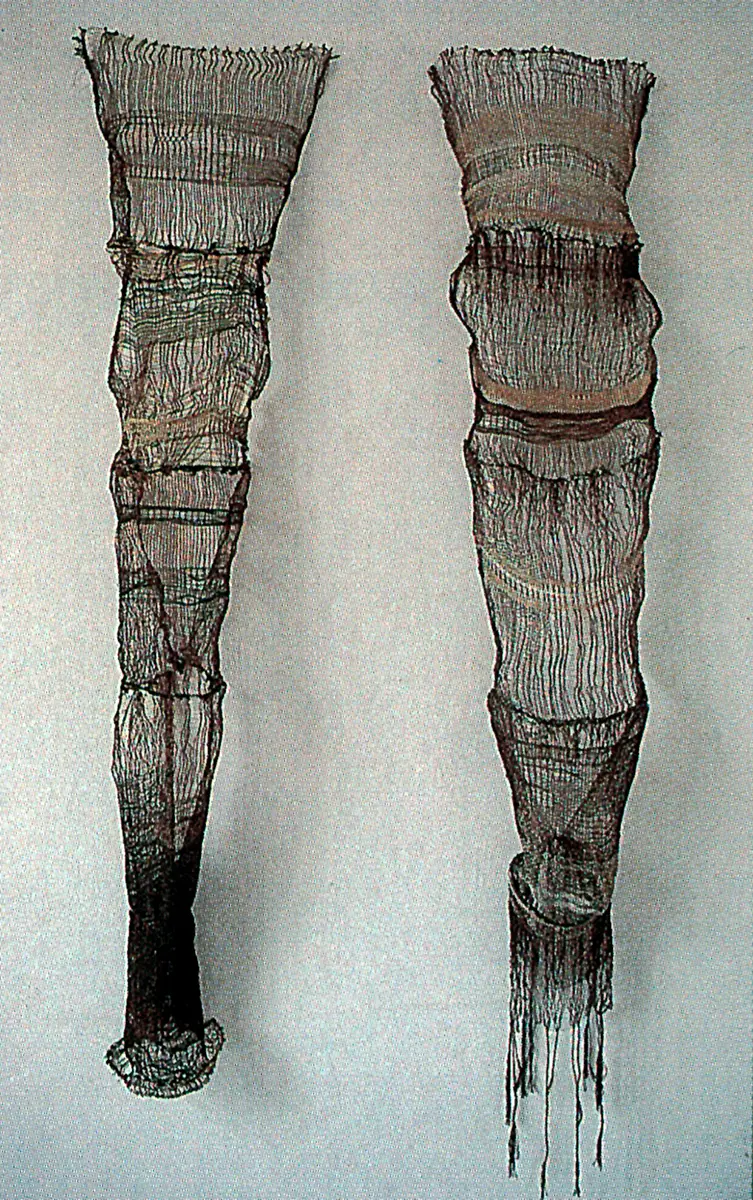
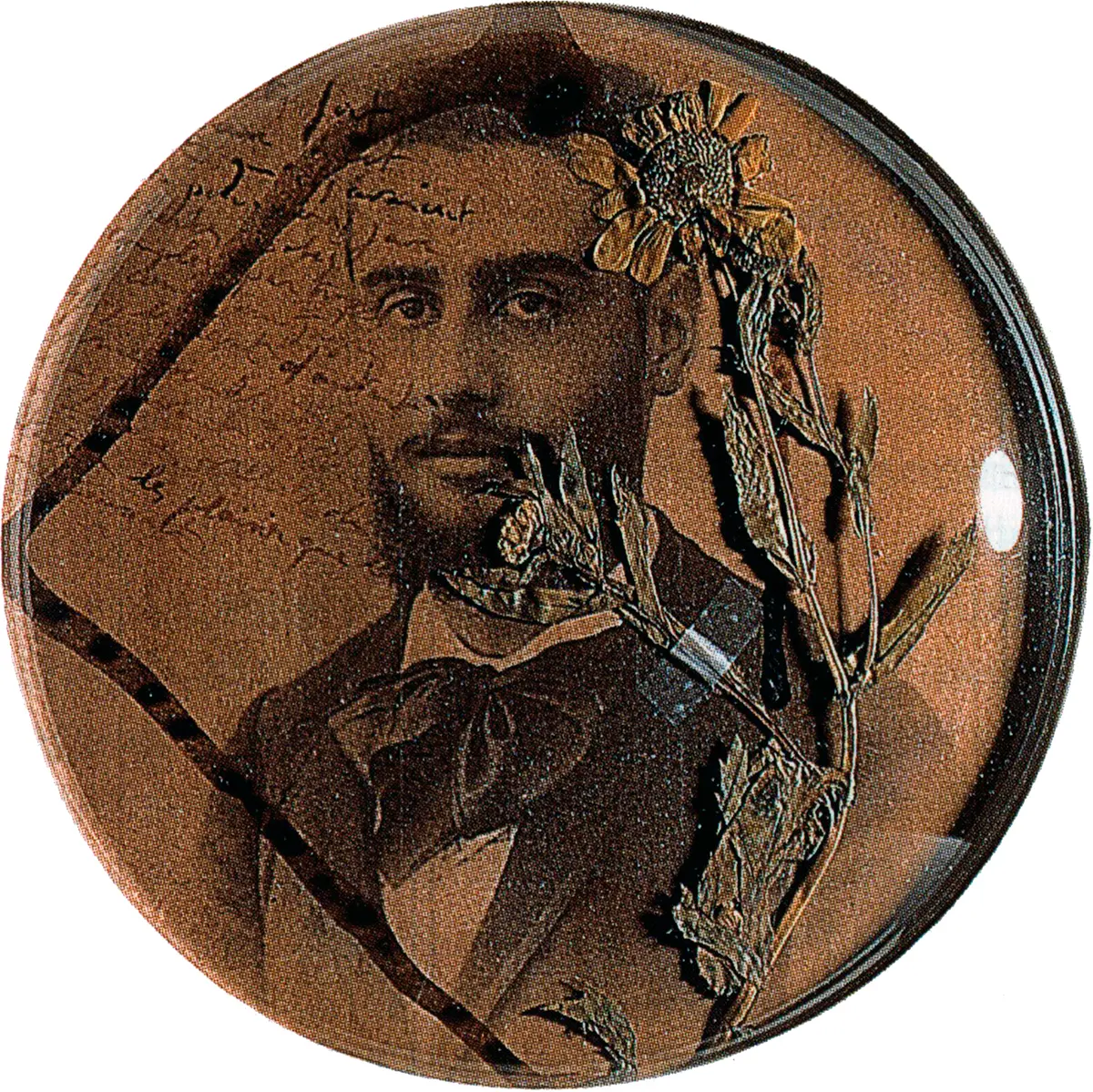
Latin American masters should always be the stars at Art Miami and this year Mary Anne Martin, the first stop for the highest quality works, brought a magnificent Tamayo to adorn her selection of works by Elena Climent, María Izquierdo, Luis Cruz Azaceta, and fabulous glass objects of Isabel de Obaldia. After last year's tribute to Matta that dominated the fair, few of his works were on view. Those at Galleria Tega from Milan were especially important works and their presence with well-known contemporary artists from all over the world (including exceptional works by Julio Larraz) demonstrates that art does transcend all borders. At Diana Lowenstein Fine Art, the exhibition The Verb America, celebrating American and Latin American masters around Matta's 1983 commentary on cultural bonds was particularly significant. One of the gallery's younger artists, Lucía Warck Meister produced some of the most compelling installations, made of plastics and chains of paint. This inventive use of materials was a rarity at Art Miami this year, though Cristina Colichón's fiber works and the boxes of Beatriz Rudermn and assemblages of Rosalía Maguid at Roberto Martín Gallery were also exceptional. The same sense of nostalgia that these objects evoke appeared again in Cándida Romero's poignant encased images titled Herbarium, displayed at Galeria Minotauro. Federico Uribe Botero's strange rubber torsos and objects at Jacob Karpio Gallery are always fascinating, and other unusual materials could be found in works by Alfonso Castillo at Arte x Arte and Paloma Navares at Galeria Adriana Schmidt. Manuel Mendive's powerful shell and cloth objects were at Galeria Joan Guaita from Spain, along with extraordinary Kcho drawings, rarely seen in Miami for obvious reasons. Another important group of artists, including Los Carpinteros—many of whom have never exhibited in Miami—were on view at Galeria Ángel Romero.
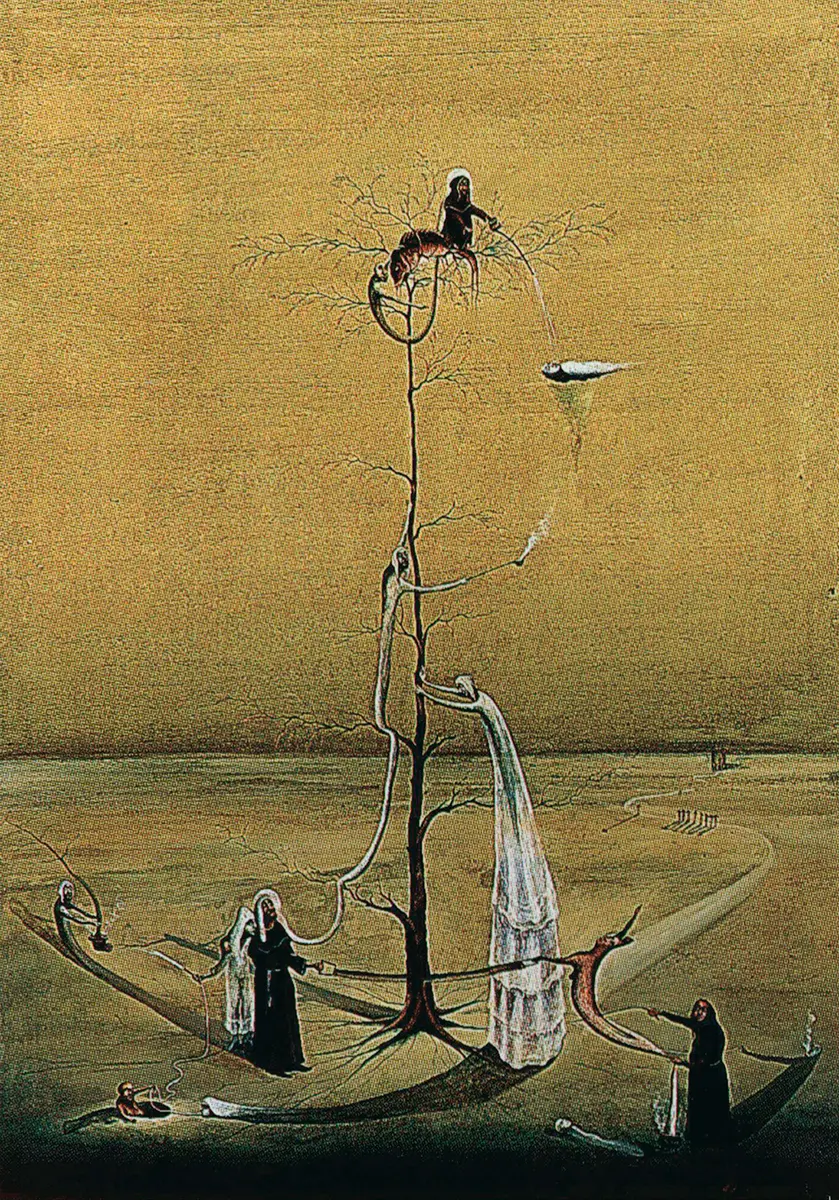
The Brewster Gallery would disappoint the Leonora Carrington fans that come yearly to covet her paintings if they were not included. But the gallery came through. Carrington's Mirror Mirror, a fantastic watercolor, was the highlight of the gallery's display, which included Zúñiga drawings and an especially interesting selection of surreal paintings by Williams Carmona. So too have visitors come to expect the newest works by Santiago Carbonell and Roberto Cortázar at Praxis, Mexico, and by Ignacio Iturria at Praxis, Buenos Aires. Especially wonderful were the sculpture objects by Iturria—interesting complements to his familiar paintings and works on cardboard. The splendid landscapes of Jose Gamarra were displayed at Galería Minotauro, offering quite a contrast to Pancho Quilici's futuristic cityscapes.
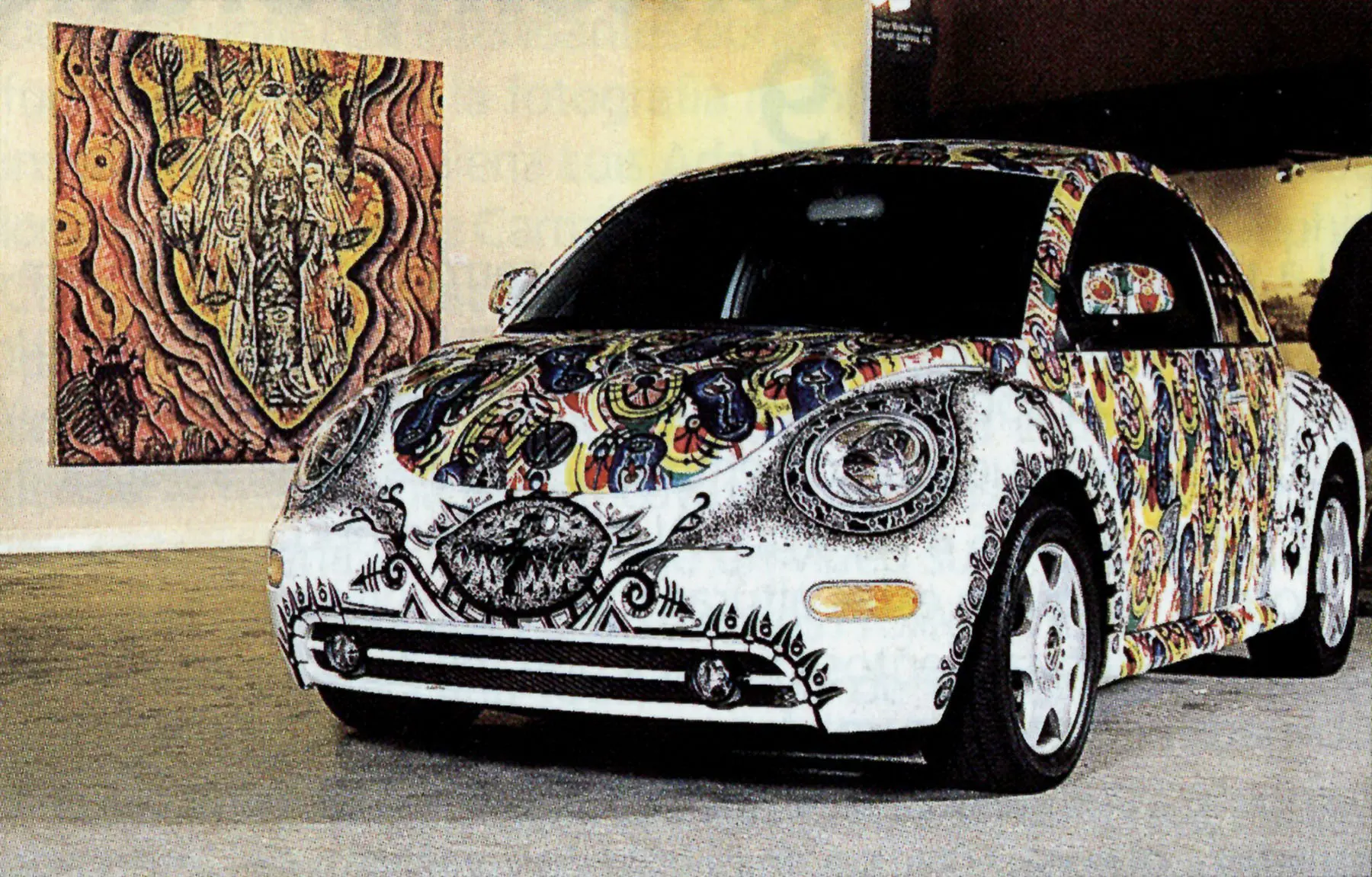
The most important Latin American artists today, Guillermo Kuitca, José Bedia, Alfredo Jaar, Julio Galán, Ernesto Pujol, and Arturo Duclos, were all represented. Pujol's provocative and poignant quilt series at Ramis Barquet shared star billing with works by Bedia, Ray Smith, Galán's Oriental ladies, and Daniel Scheimberg's fuzzy paintings. Ruth Benzacar featured a tempting installation of Rosana Fuertes' wooden t-shirts, and Nina Menocal brought Perla Krauze's wall pieces and Sandra Ramos' drawings and paintings. Annina Nosei Gallery's magnificent Composition Suprematiste #6 by Arturo Duclos was a highlight of an exhibit of works that also included Galán and Kuitca. William Cordova's suitcases and works on paper commanded the attention at Ambrosino Gallery, and a fantasy Volkswagen painted by Nicolás Leiva was a crowd stopper.
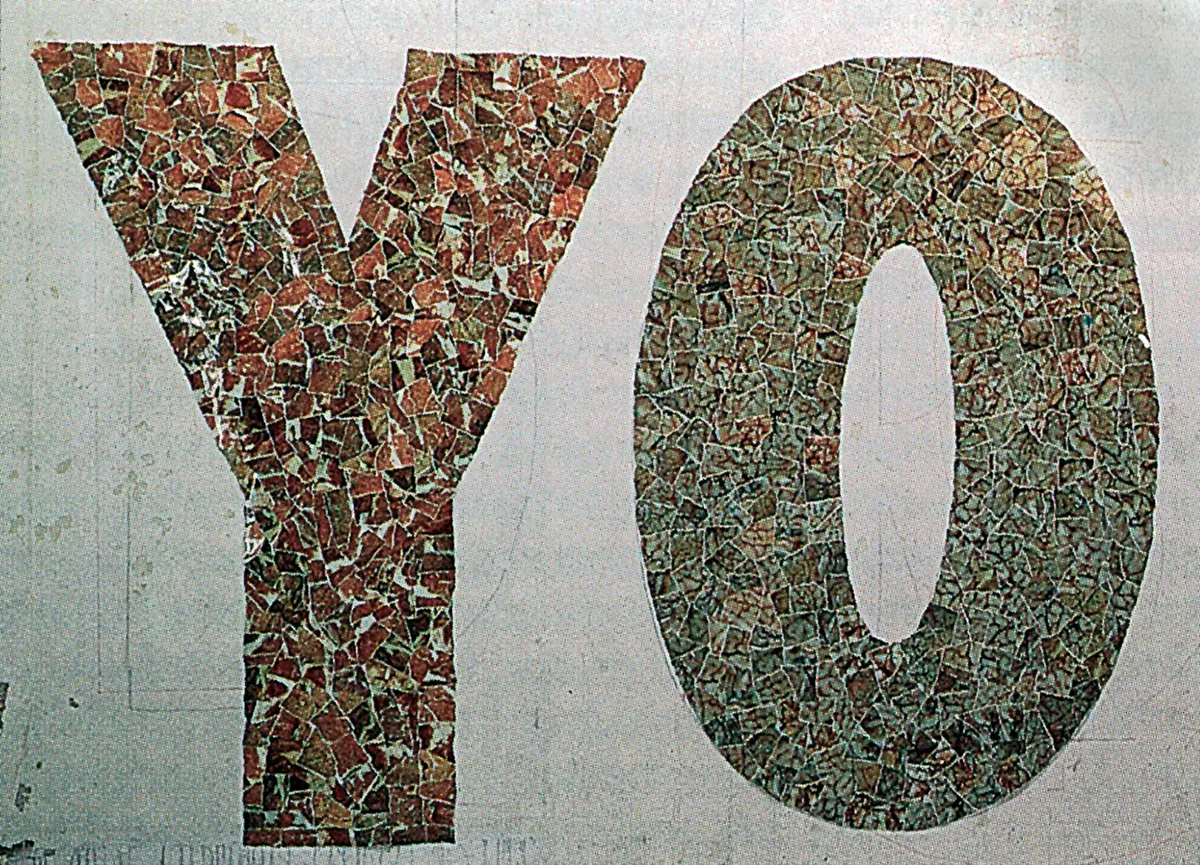
There were fewer photographers this year, but much of the work on exhibit was truly important, especially Marta María Pérez Bravo's hand series at Galeria Luis Adelantado and Luis González Palma's handpainted photographs at Aldo Castillo Gallery. Manuel Rufo's photocollage, YO, was one of the more monumental wall installations. Photography and video technology need more of a presence in this arena.
CAROL DAMIAN