
The contribution of Spanish-speaking artists of the Caribbean to the Inter-Caribbean art festival Carivista recently held in St. James, Barbados, was marked by the coherence and contemporaneity of the proposals. It was the first time that this island in the South Caribbean, situated between St. Lucia and St. Vincent, but slightly to the east, had managed after two delays to organize an event of this kind. Moreover, a few weeks before, the island had also hosted an inter-Caribbean symposium on art criticism. This dynamic spirit is however not surprising, since Barbados has a high level of education and culture, as well as a number of very good artists.
Carivista asked the Caribbean to question itself about its identity, its distinctive features and legacies, and the best ways of approaching contemporaneity. The Cultural Foundation invited four critics from the region to select and present a small nucleus of artists from respectively the English- speaking, French-speaking, Spanish-speaking, and Dutch-speaking Antilles, with a fixed number of artists being assigned in each case. Each curator had to propose a specific example of what they understood as contemporary art capable of being developed in the Caribbean that would contribute to the promotion of the region.
I was asked to curate the Spanish-speaking section —which was focused on two artists from the Dominican Republic, one from Cuba and one from Puerto Rico. I set out to show the compatibility between radical contemporary commitment and the work of Caribbean artists, with Tony Capellán and Fernando Varela representing the Dominican Republic, Quisqueya Henríquez from Cuba, and Néstor Otero from Puerto Rico. They all participated in installations, with the exception of Varela. Dominique Brebion, the curator from Martinique responsible for the French-speaking selection, commented that the Spanish-speaking representation was the most difficult to interpret, but opened up the most horizons, through its different proposals.
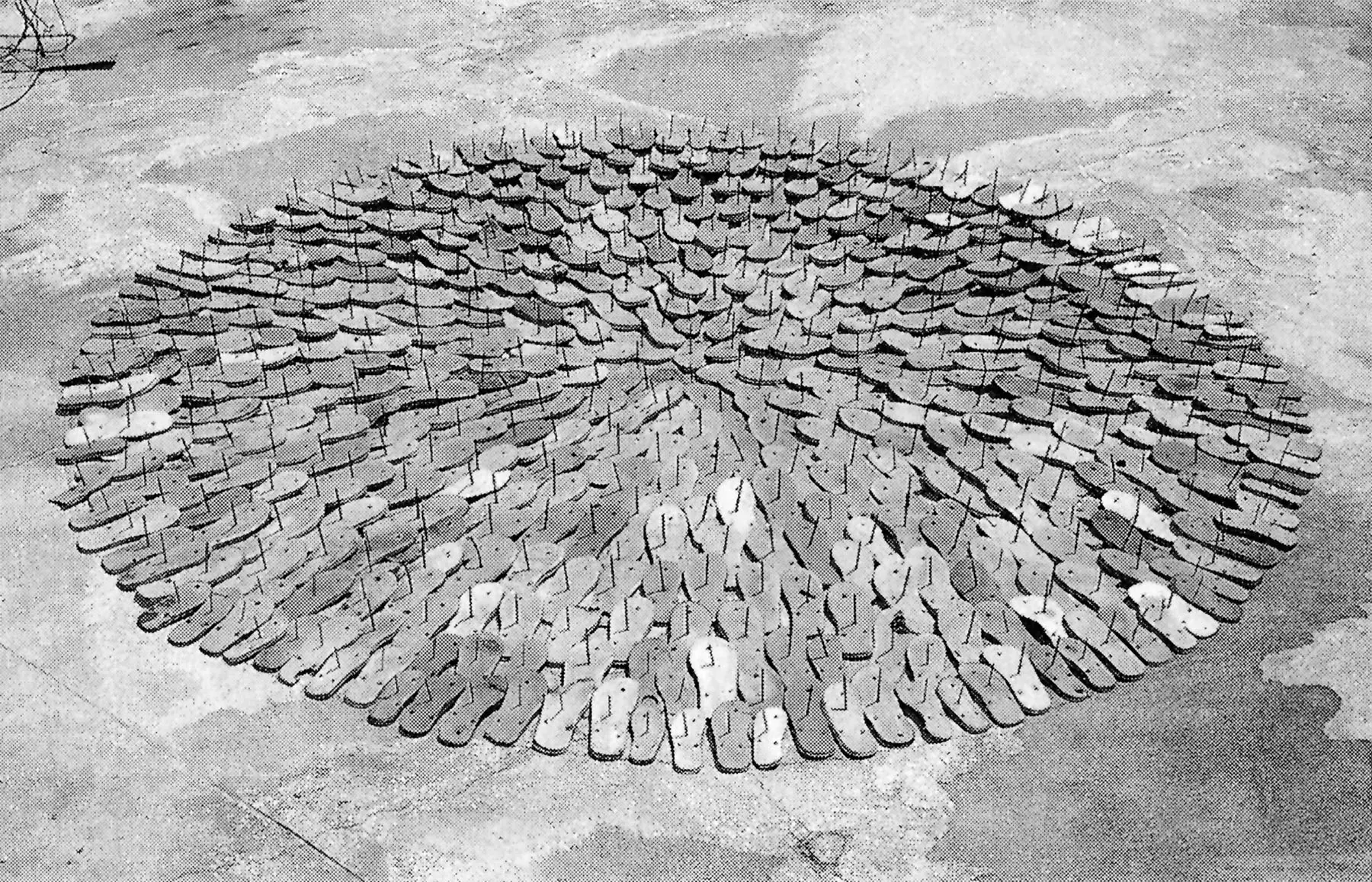
Tony Capellán, who now works mainly with installation and three-dimensional pieces, presented a work that by definition was radiant. Land of Sun was a star, necessarily circular, made up of sandals (which had been collected from informal beach trash dumps) in a range of yellow colors. They included their own Achilles heel in the form of nails that perforated the soles. ..The reading of the work was rich in two senses: the suffering of the Caribbean immigrant and/or, in spite of appearances, the fact that the situation is not one of a total lack of defense as aggressive penetration is a necessity for the regional diaspora. With the Caribbean sea represented by a rectangle of blues, Land of Sun was one of the high points of Capellán's recent production.
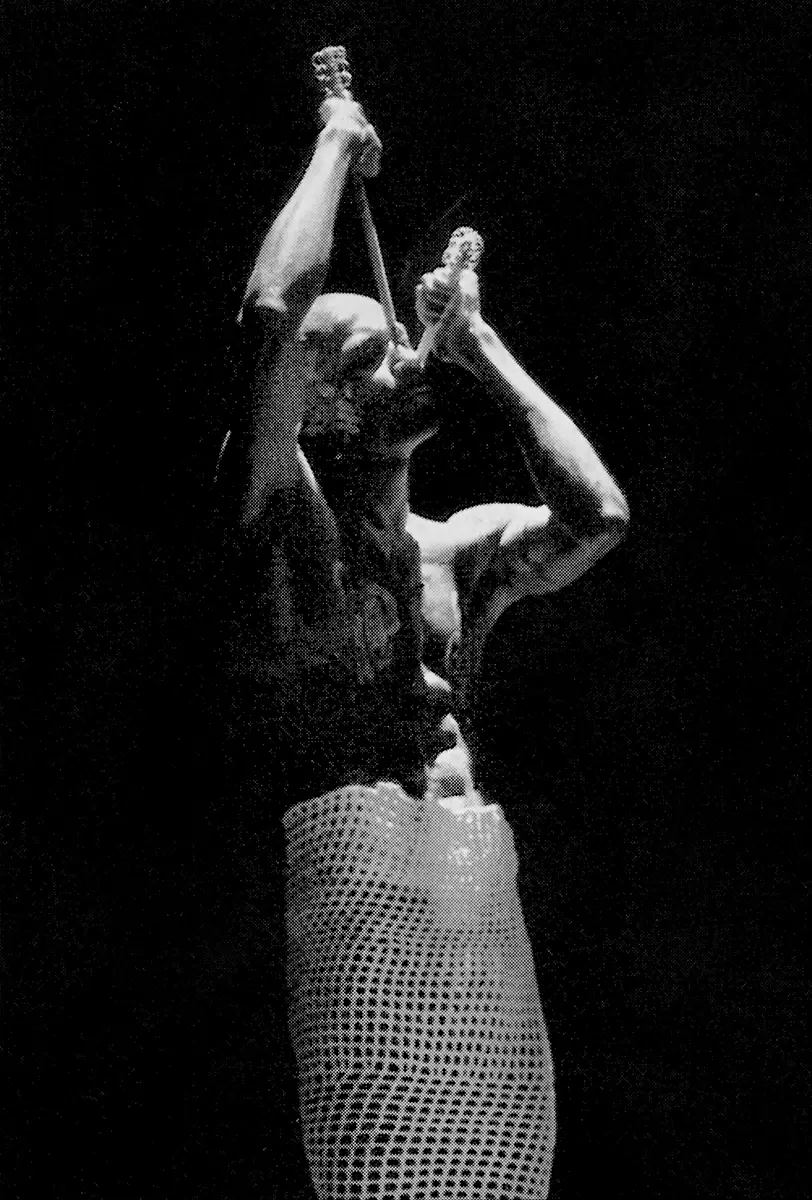
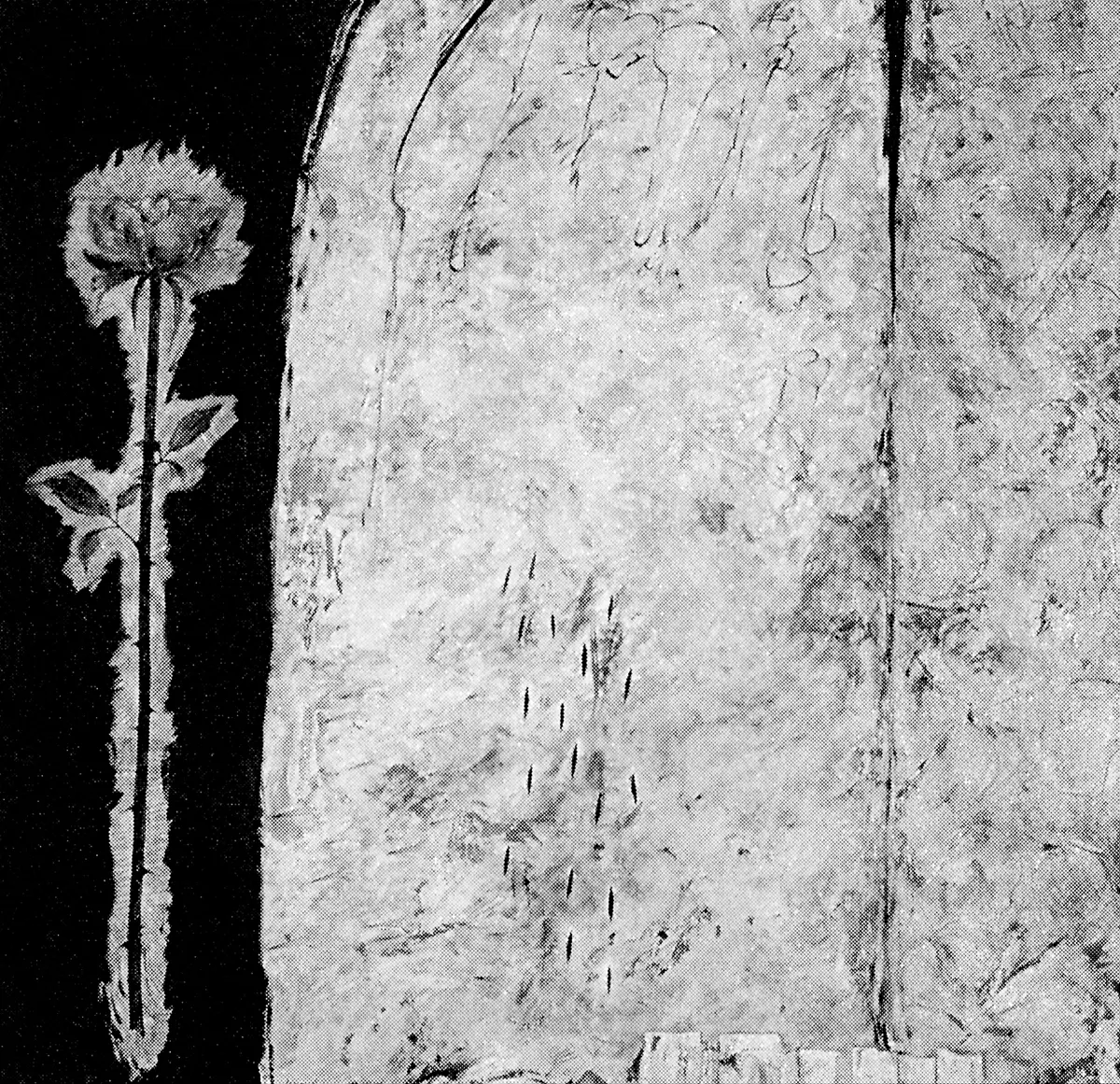
Although Fernando Varela has successfully worked with installations, he has persisted-and quite rightly-with his painting. The balance of energies of an earthly, spiritual, and mystical nature is perfectly expressed in his use of polyptychs with three panels or a single panel divided into three sculptures-symbols of the trilogy and the Trinity. He continues to go back to pre-history, exploring biblical times or the Taino culture. He pays iconographic homage to these through flowers and thorns, recalling their experiences and giving a Hispanic coloring to space that has the strength of sobriety. Whether he works on canvas or paper —as was the case in Barbados— the harmonies and textural qualities of Varela’s work remain the same, with drawing and painting forming a whole.
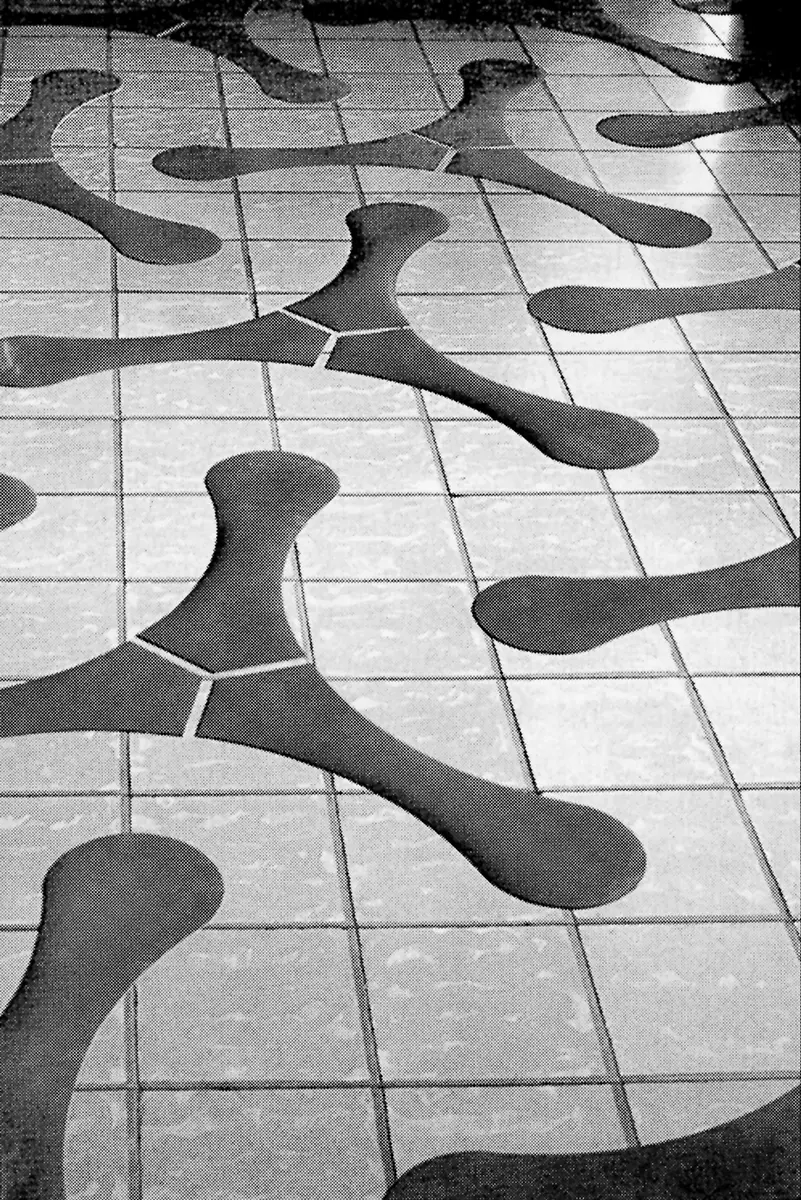
Quisqueya Henríquez, a Cuban artist through her mother by jus soli, already has a solid international reputation. Her work, which includes a number of media—except for painting which she has deliberately maintained a distance from— and is rich in materials, is based on conceptualist theory. She asks the recipient of her work to experience art, challenge it, and subject it to their gestures and movements, involving themselves physically, psychically, and intellectually, just as she does. She thus constructed a series of triptychs, in hard rubber, which established an interplay with photographs of footsteps, as the spectator walked, moved, and looked around between horizontal and vertical elements. The work offered a totalizing approach to artistic creation, although the fact that it was an "installation" meant that it could be modified according to the exhibition site.
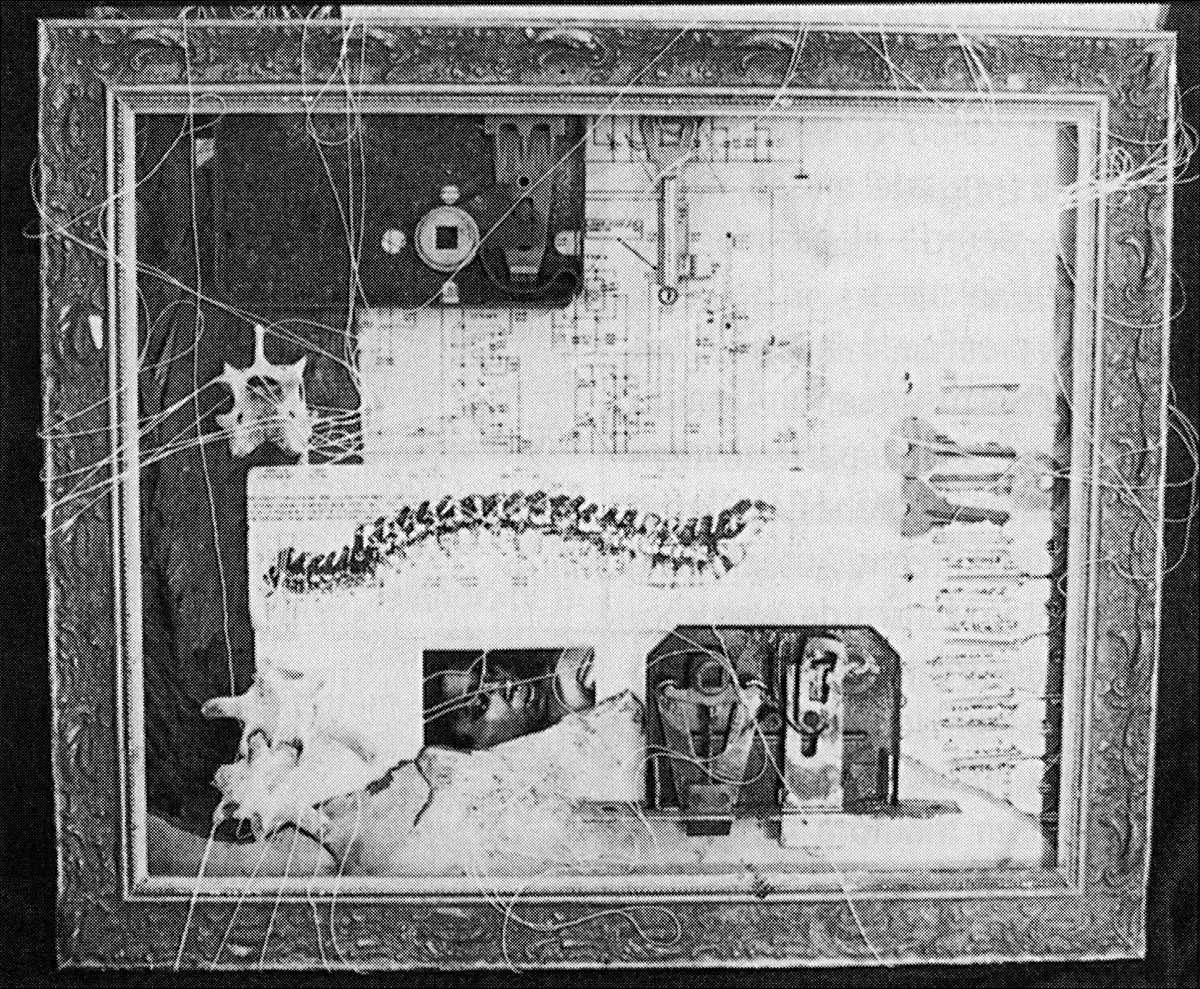
Néstor Otero belongs to the radical wing of contemporary artists in Puerto Rico. From São Paulo to Kassel his contribution has been a coherent one. Carivista confirmed the value of that contribution to contemporary art. In Barbados, he investigated the line of time in space, by placing on the wall an installation that apparently challenged the law of gravity. With maximum efficiency and artistic expression, Otero used poor materials, mainly paper, earth, and cardboard to produce an assemblage whose rhythm was evident in all directions. This strong yet fragile work communicated a message of purity and reflected a concern for recycling (a concrete form of reflection and metamorphosis), as well as an aesthetic proposal and an ideological warning.
The efforts made by Barbados, the National Cultural Foundation, its coordinator Andrea Wells and a very small team made this first experience a very positive one in human and artistic terms.
There was an overall sense of depth, seriousness, and coherence in the discourses. There was notable representation from the English-speaking countries, curated by the Trinidad critic and artist Chris Cozier that was made up of performances, installations, and paintings. The aesthetic elements of these works revealed a symbiosis of the collective potential and the individual originality of the art of rupture, as represented by the work of Cozier himself, Walter Bailey (Barbados), Charles Campbell (Jamaica), Susan Dayal and Dave Williams (Trinidad). The French-speaking Caribbean section, curated by Dominique Brebion, included works by Raymond Medelice and Valérie John (Martinique), and Bruno Perdurand (Guadeloupe). Perduran was the main prize winner at the Cagnessur-Mer festival. The Dutch Antilles presented works by Kirindongo, Nelson Carilho, and Ciro Abath and was curated by Jennifer Smit. This segment reflected forms of seeing and creating that were more traditional and less liberated from the artistic environment and local archetypal images.
In the theoretical section, the artists referred to the problems shared by their brothers and sisters from "all the Caribbeans." They needed more opportunities, sources of stimuli, and scholarships. The difficulties were even more daunting in the case of contemporary art: the «art market# option was practically non-existent, and its absence needed to be remedied by subsidies-the utopic goal. Only faith in a new art helped to maintain a spirit of persistence.
There was a consensus about the optimistic nature of this coming together of contemporary talents, works, and criteria, and about the perspectives which Carivista has opened up for the island of Barbados and other countries in the region in terms of inter-Caribbean exchanges.
MARIANNE DE TOLENTINO