
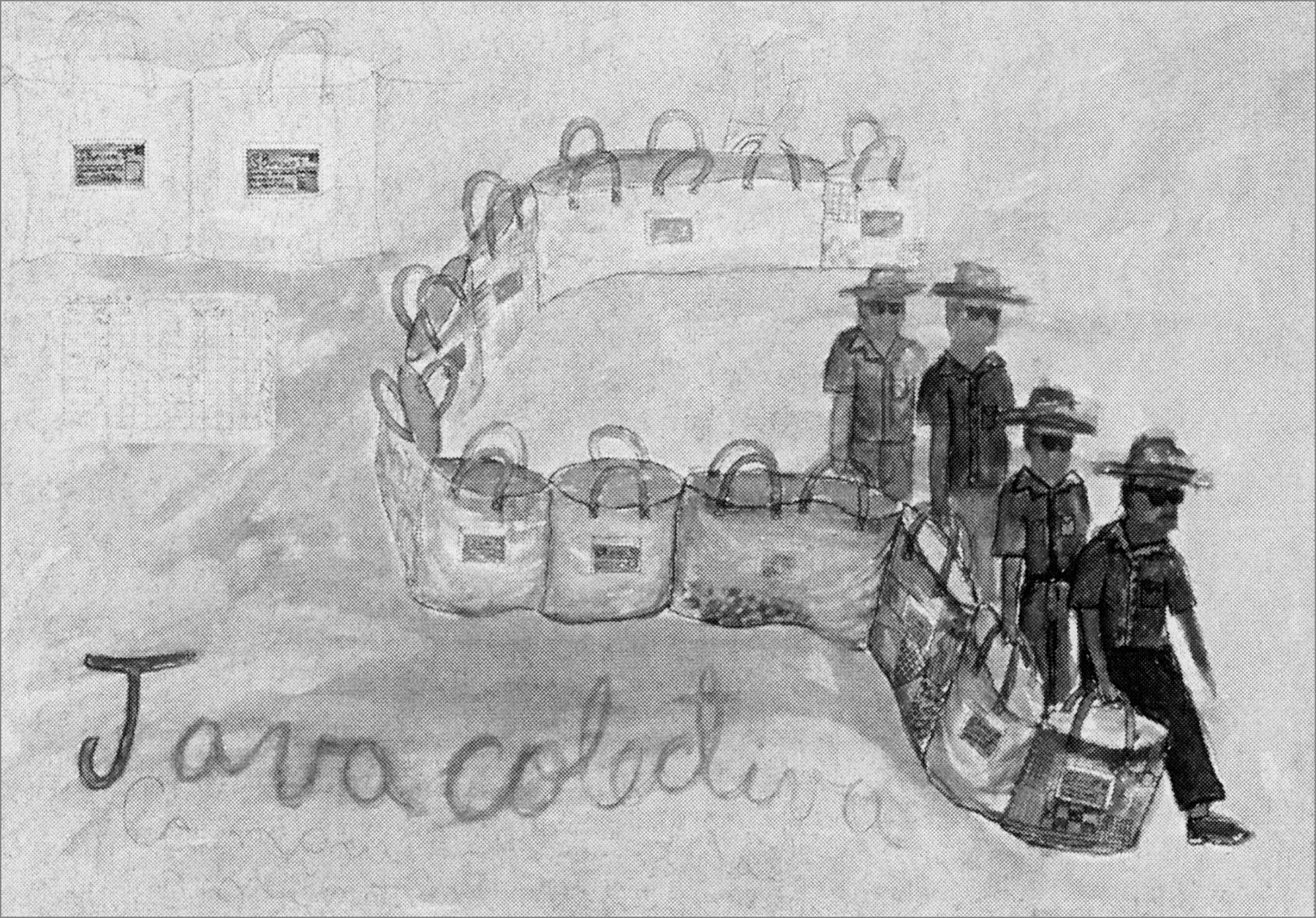
In his Cuban Sketches published in 1881, U.S. Consul James Steele wrote, "There is no butter and will never be; any fresh bread and none of any kind that can be bitten or broken. There is no use in trying to change any of these things, for it is not a country favorable to reforms." Over a century later, Cuba's story remains one of scarcity and isolation. Yet the country's resistance to change as observed by Steele is beginning to give way as the possibility of a new Cuba emerges. That Contemporary Art from Cuba: Irony and Survival on the Utopian Island is the first showcase of art to travel from Cuba to the United States in forty years attests to this transformation. The eighteen young artists included in the exhibit (all born after 1959) address Cuba's changing social and cultural realities in their work.
Most of the artists address the themes of political and cultural isolation that have long characterized this island nation. One of the byproducts of this isolation —Cuba's infamous shortages— have, not surprisingly, led to a body of work that fetishizes the ordinary. Materials used are reminiscent of those found in the art of Cornell, Duchamp, and other assemblage artists like Bruce Conner and George Flerms. In Fernando Rodríguez's For Cuba (Pa'Cuba) of 1995-98, a carved wooden figure leads a procession of carts carrying quotidian items—aspirin, toothpaste, Marlboro lights, a can of petroleum—referencing the revolutionary goal of providing basic necessities to the masses. In Telephone, Battery, and Lamp, René Francisco turns archaic telephone parts, car batteries, and light bulbs salvaged from Cuba's crumbling infrastructure into vitrine-encased objets d'art. The planned obsolescence so easily absorbed into the daily existence of Americans does not work in a country where basic necessities are not so easily replaced. Transportation, or the lack thereof, is another source of frustration for Cubans that is addressed in Flying Pigeon (1998), a painting and carved wood relief by Los Carpinteros (Marco Castillo Valdés, Alexandre Arrechea Zambrano, and Dagoberto Rodríguez Sanchez). The title refers to a brand of Chinese bicycle imported to Cuba to compensate for the lack of motorized vehicles available after the fall of the Soviet Union. The portrait of a man peddling a bicycle cab juxtaposed oddly with the relief of the train car illustrates, perhaps too obviously, the point that it is human exertion rather than motorized transportation that keeps this society running.
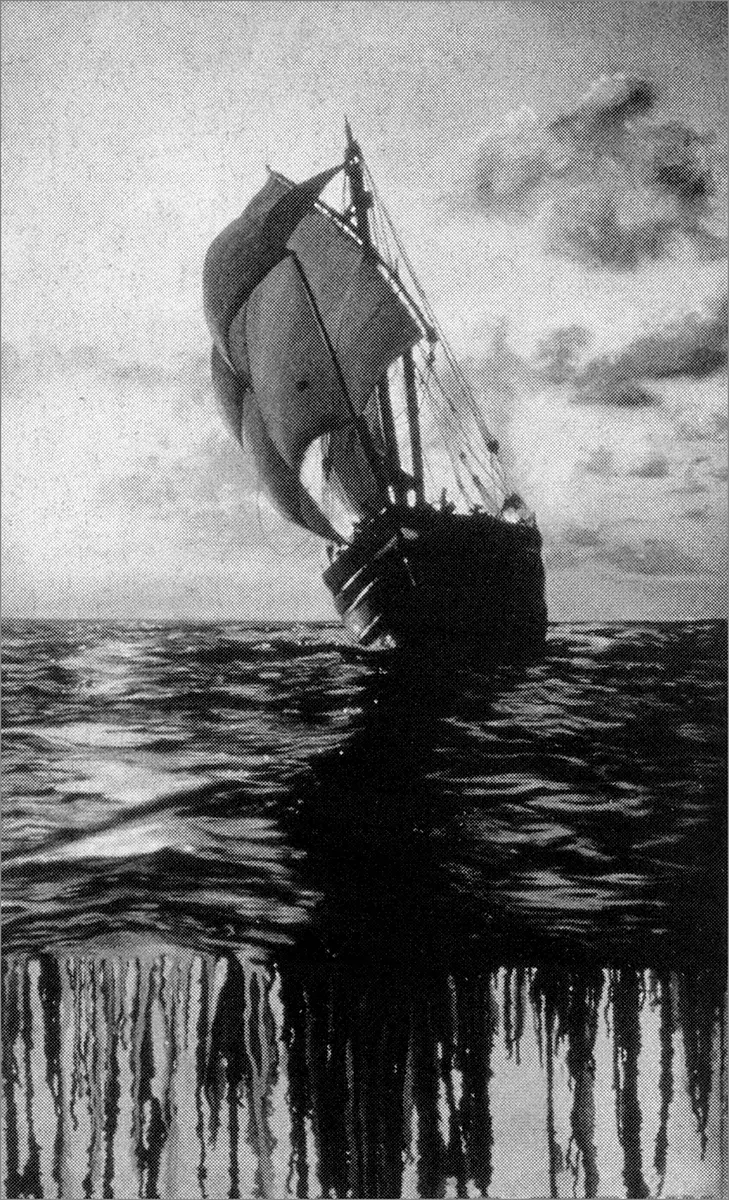
Several artists in the exhibit focus on escape and the futility of departure, things acutely felt by the island's residents. Jacqueline Brito's maritime scene of 1996, Etatis Sue XX (Made When I Was 20 Years Old) pays homage to Romantic painters like Pinkham Ryder and Friedrich before its dark sea dissolves into abstract expressionist drips in the foreground. The ship's forward thrust reinforces the fear felt by early sailors to the New World—that of falling off the ends of the earth.
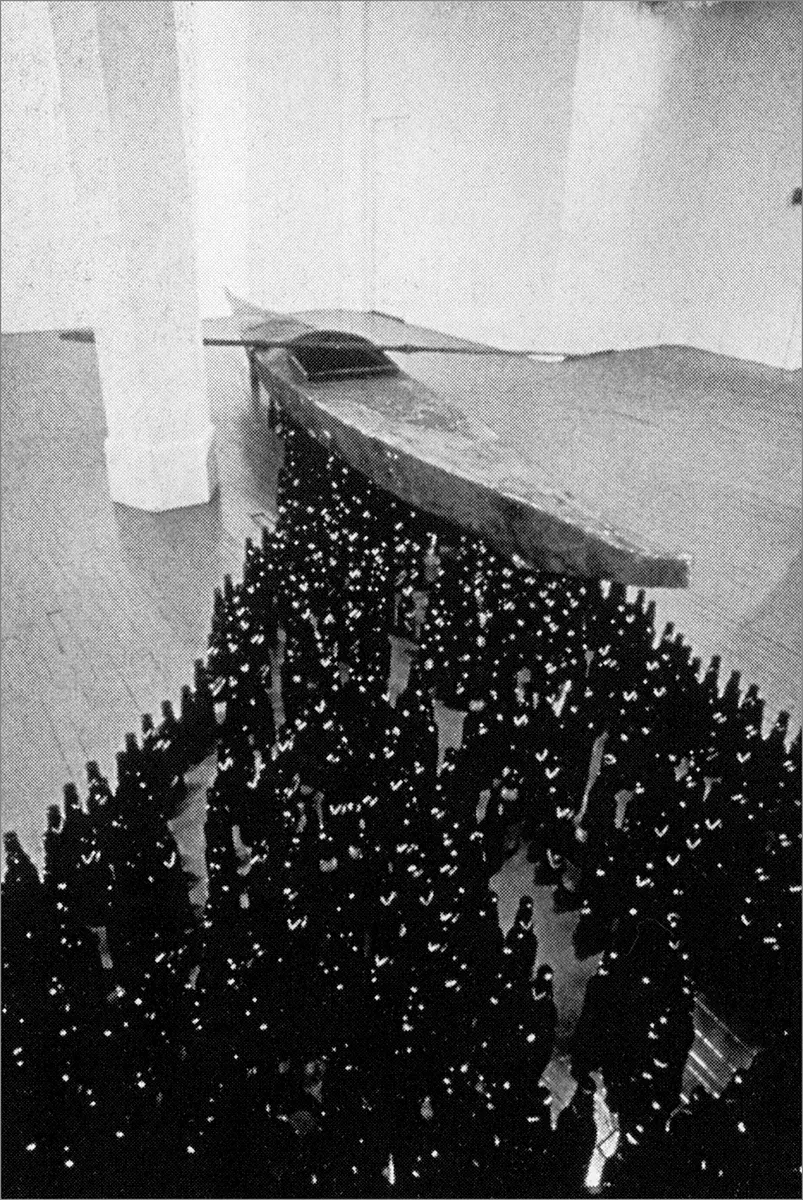
The theme of escape is similarly taken up by Kcho whose installation, In Order to Forget (1996) consists of a kayak, a recreational craft used to "get away from it all" and beer bottles, the contents of which are often similarly employed. The kayak's precarious perch on a "sea" of empties alludes to the balseros who attempted to flee Cuba (for the most part unsuccessfully) in makeshift rafts. The perks and pitfalls of "living on a desert island" are the focus of Abel Barroso’s Dreams Do Not Fall Out of Thin Air (1997). The work consists of a series of carved wood panels that function both as sculptures and as plates for creating woodcuts. Represented in these panels are elusive symbols of wealth—cell phones, mansions, women sunbathing at poolside—rendered in a vernacular style.
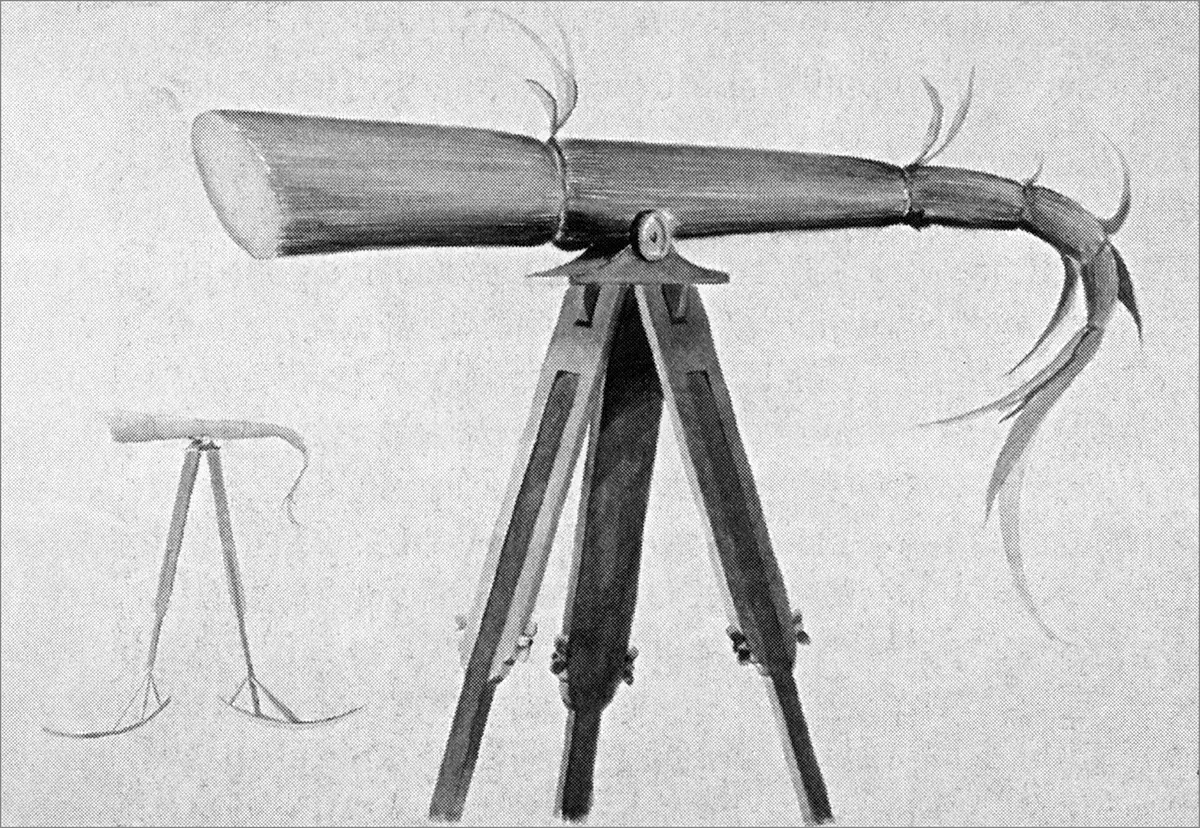
As the exhibition title attests, there is no lack of irony on display here. The adoption of humor as a means of subversion results in a group of work that is pointedly political without being overly dogmatic. The tendency toward more traditional conventions of artistic practice—painting, wood carving, even mosaic—results in more effective social commentary than much of the identity politics-laden attempts of the late 80s and early 90s. Given the barriers to cross-cultural exchange, these preferences for narrative, figuration, and more traditional media are not surprising. However, it is also more reflective of curator Marilyn A, Zeitlin's choices than it is an indicator of any national tendency. Contemporary Art from Cuba has broken new ground in making a body of work available to a vast American audience (from San Francisco the show travels to Bloomfield, Michigan, and then on to Austin, Texas). In light of the recent easing of travel restrictions to the country, one looks forward to the wider dissemination of Cuba's cultural production in the near future.
ALLISON ARIEFF