The sixth edition of the Cuenca International Biennial was inaugurated at last November, with the participation of 120 artists from the Americas. The theme this year was America: Bodies, Lives, and Histories.
The jury acknowledged a large number of works received and the overall excellent quality of the entries. The participating artists developed and explored in various ways- on the basis of particular experiences-their concerned with life through the metaphor of the body and a reflection on history. Subjective identity and collective conscience were underlying elements in the theme of the exhibition.
In many cases, the sense of individual and collective conscience as a vital aesthetic experience was reflected in various levels of figuration, with different transgressions of the plastic image, depending on the concerns and artistic investigations of each artist. In this way, the spectator was encouraged to reflect on the many ways of creating the symbolic world. In some works, the subtlety was even greater and involved a more demanding kind of thought, with the meanings being constructed somewhere between the level of immediate evidence and abstraction. This resulted in a wide range of tendencies, expressive possibilities, and proposals, all of which were evident in the presence of artists from different backgrounds.
With regard to prizes and honorable mentions, the jury decided that these would be awarded to artists who were consolidating their careers, artists who had already achieved a level of quality and a coherent program of aesthetic investigation, and who were developing their work in a very personal way within the overall parameters of the Biennial. At the same time, the three sub-themes of the event would be represented in the prizes awarded. For those artists who explored the theme of "Lives," the jury believed that the artists who focused on the sense of mystery and interiorization saw the human being as the center of the universe, with an emphasis placed on cosmological, sacred, profane, and mystical elements from various sources and spiritualities, and the use of references to the past to configure the present. In this section, the third prize ($10,000) was shared by Javier Rozo (Peru), for his work, Blue Planet, and Julio Mosquera (Ecuador) for his piece Inhabitant of the Threshold.
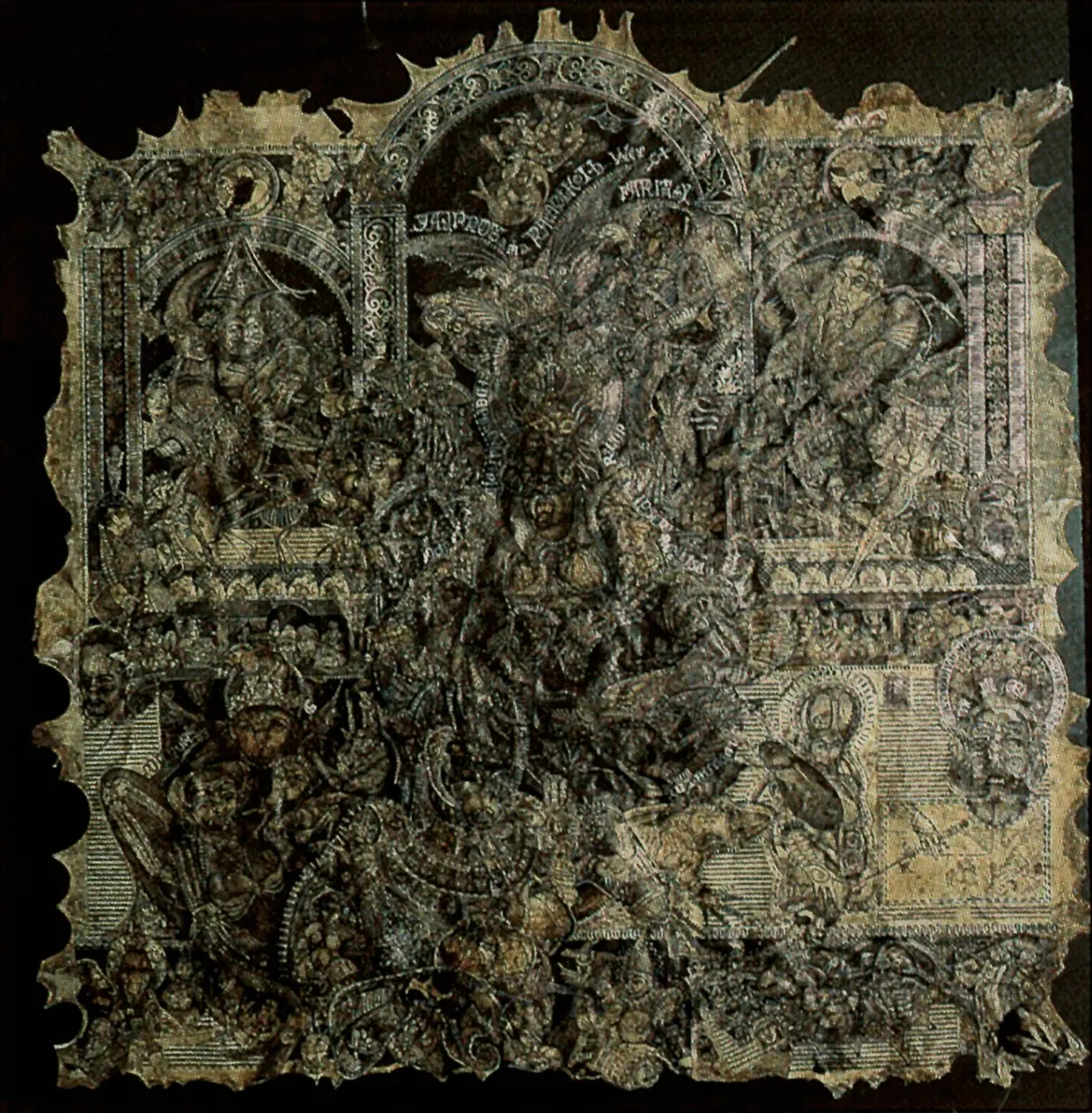
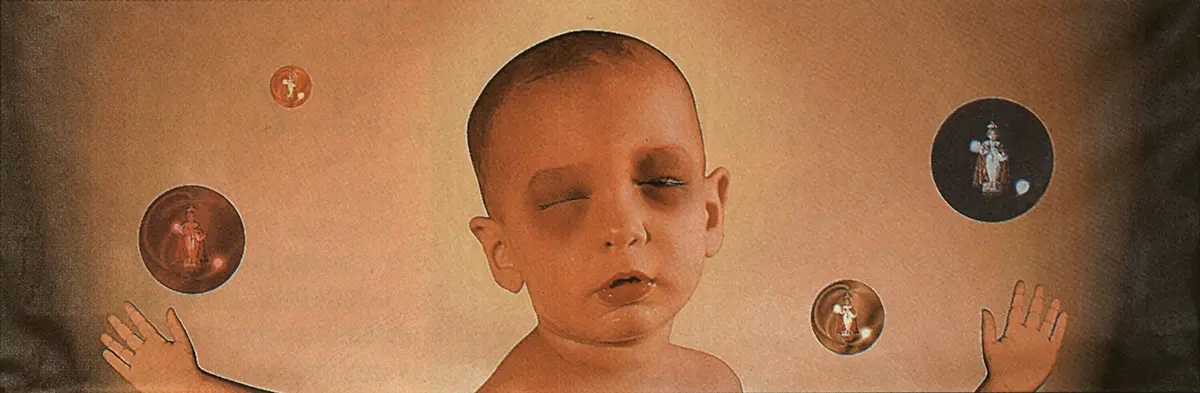
In the sub-section on "Bodies," the artists expressed their awareness of life through the body caught in situations of violence, pain, the ravages of time, the dualities of existence, and the dualities of the image. Preference was given here to digital language, with the second prize ($15,000) shared between Gina López (Colombia) for her work, Through Obscurity III, and Marco Alvarado (Ecuador) for his piece titled Spirituality I.
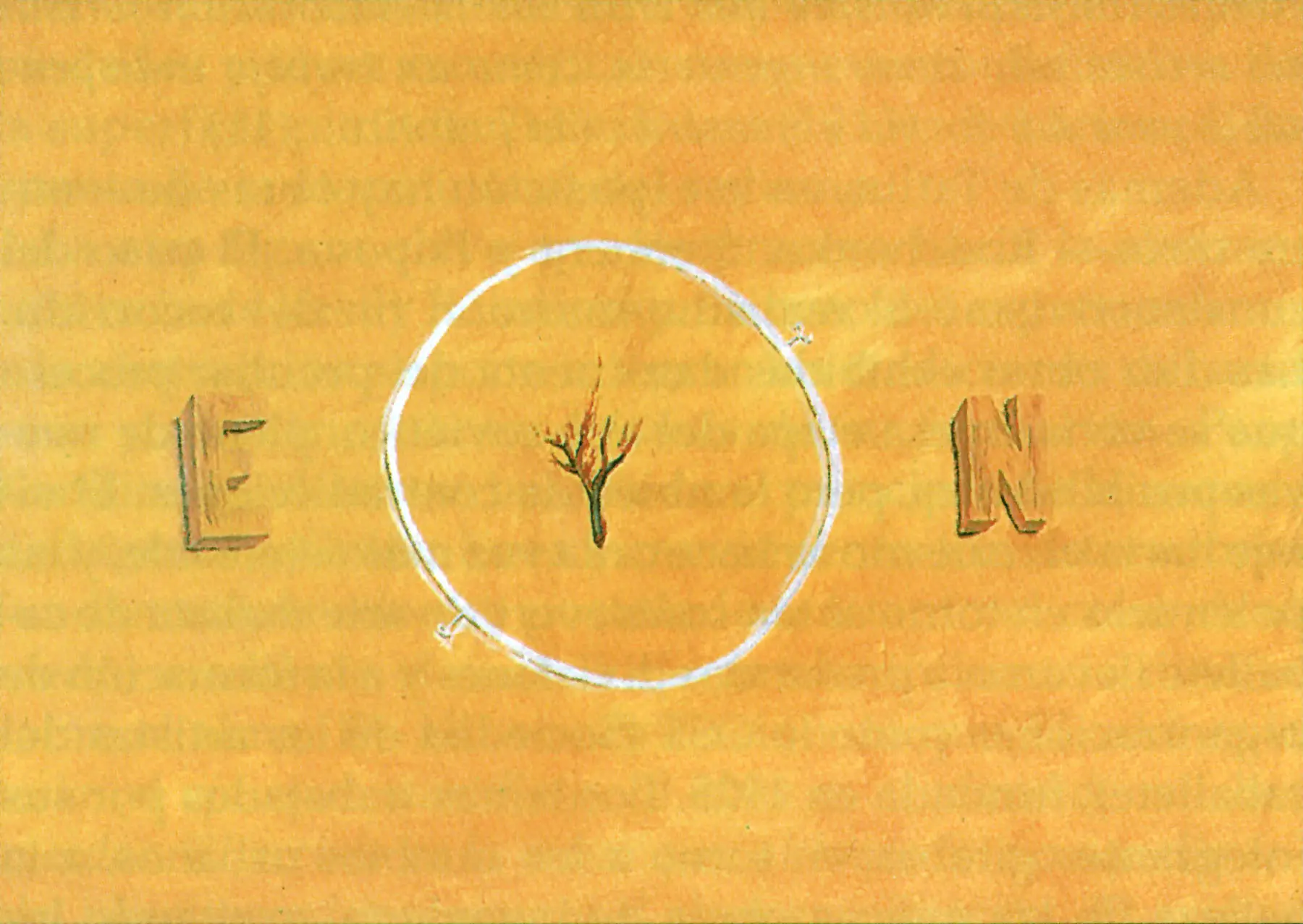
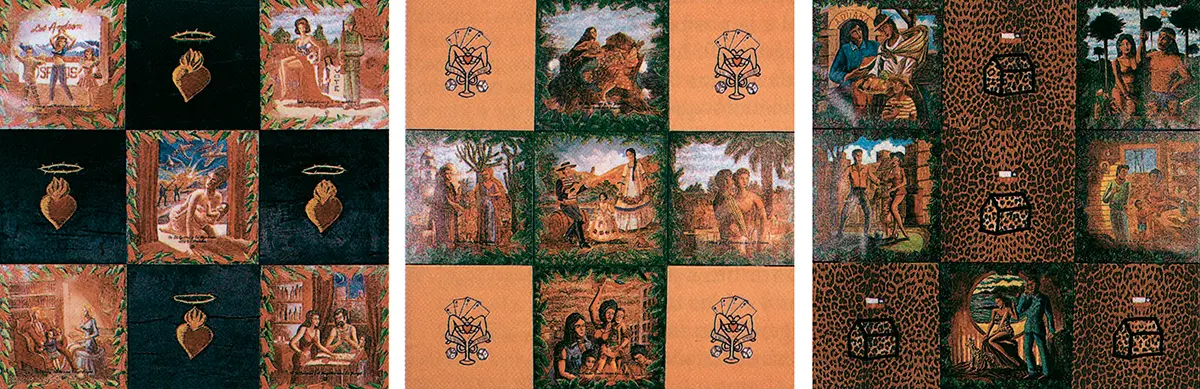
In the "Histories" sub-section, the artists used symbolical elements reflected in the conceptual narrative dimension given to the structure of the image, the dynamic relationship between spaces and times, and the integration of creative work into the collective conscience, which acted as a driving force of artistic expression. The first prize ($30,000) was shared by Emmanuel Nassar (Brazil), for his picture Fire, and the group made up of Bruna Truffa, Sebastián Leyton, and Rodrigo Cabezas (Chile), for their triptych x plus y (Concerning lineage). Mentions of encouragement were awarded to ten young artists, and honorable mentions went to João Camara, Ana Bella Geiger, and Vera Chaves Barcelos (all from Brazil). The jury recommended that future convocations for the Cuenca International Biennial be based on conceptual and formal themes freely selected by the artists themselves. The sixth edition was accompanied by a parallel event, the INVaDeCuenca which featured the work of Ecuadorian artists who presented installations and performances.

The sixth edition of the Cuenca International Biennial ended on 29 January, with the awards ceremony. This year, the Biennial emphasized the role of subjective experience that has become part of the contemporary art debate at the turn of the century and the end of the millennium. In this debate, there is a general concern for man and human experience and for human experience in the context of the reality of our histories, with particular reference to life in its biological aspects or metaphysical dimension, themes related to everyday life, and the urban environment in the modern world, cultural expressions, and ancestral roots and the actual body, whether male or female. In such a context, the artist uses different materials and supports and appropriates the symbolic world in an attempt to emphasize that subjective identity is an essential feature of contemporary societies. Endogenous exploration seems to be used as an anthropocentric reaction to reality itself.
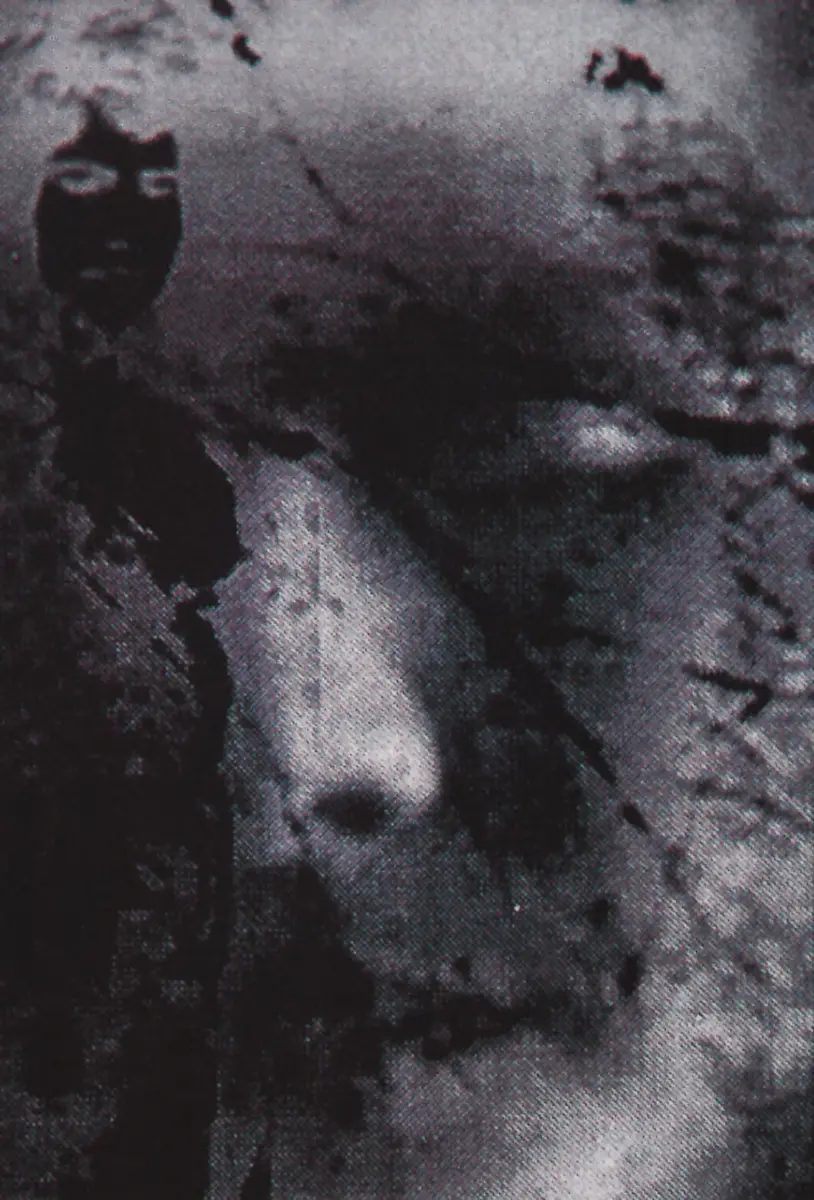
These features have been emerging in a number of major international exhibitions since 1994, such as the biennials of Sao Paulo, Venice, Havana, and Kassel. In all these shows, as with the Cuenca Biennial, the multiplicity of aesthetic appropriations has been accompanied by the significant place given to reflection on social history, and culture in terms of memory and the individual, not only ontologically, but from a psychoanalytical standpoint. In all these situations of subjective experience, the collective conscience acquires a strong presence in artistic representation-which means that it is the values assimilated throughout the course of life which emerge in the construction of the artistic image.
LISBETH REBOLLO GONÇALVES
Professor and Doctor of the School of Communications and Arts of the University of Sāo Paulo. Member of the International Association of Art Critics AICA.