Cumaná is the capital of the state of Sucre, in the eastern part of Venezuela. It has 300,000 inhabitants and is the land of illustrious artists, poets, and musicians. However, until recently, it lacked a museum for showing the artistic production of the country. In 1991, this situation motivated a group of people to join efforts toward constructing a suitable building. The architect chosen was Guillermo Barrios, who has developed a close relationship with the plastic arts and was the owner of a gallery, associate director of the National Art Gallery, and an art critic and university teacher. The site chosen was on the slopes of a hill where the San Antonio de la Eminencia Castle is situated. From its terraces, the city can be seen, with the sea in the distance. The castle gives the place a historical feel and the sea breezes make the visit to the sculpture garden an enjoyable experience.
Guillermo Barrios explained that the museum had been designed as an exhibition pavilion. The central space of the building is its great hall, the layout of which can be altered with panels. There are also areas for offices, storage facilities, and conservation workshops. A cafeteria will be constructed outside.
Although the Cumaná Museum of Contemporary Art has opened, it does not yet have a director.
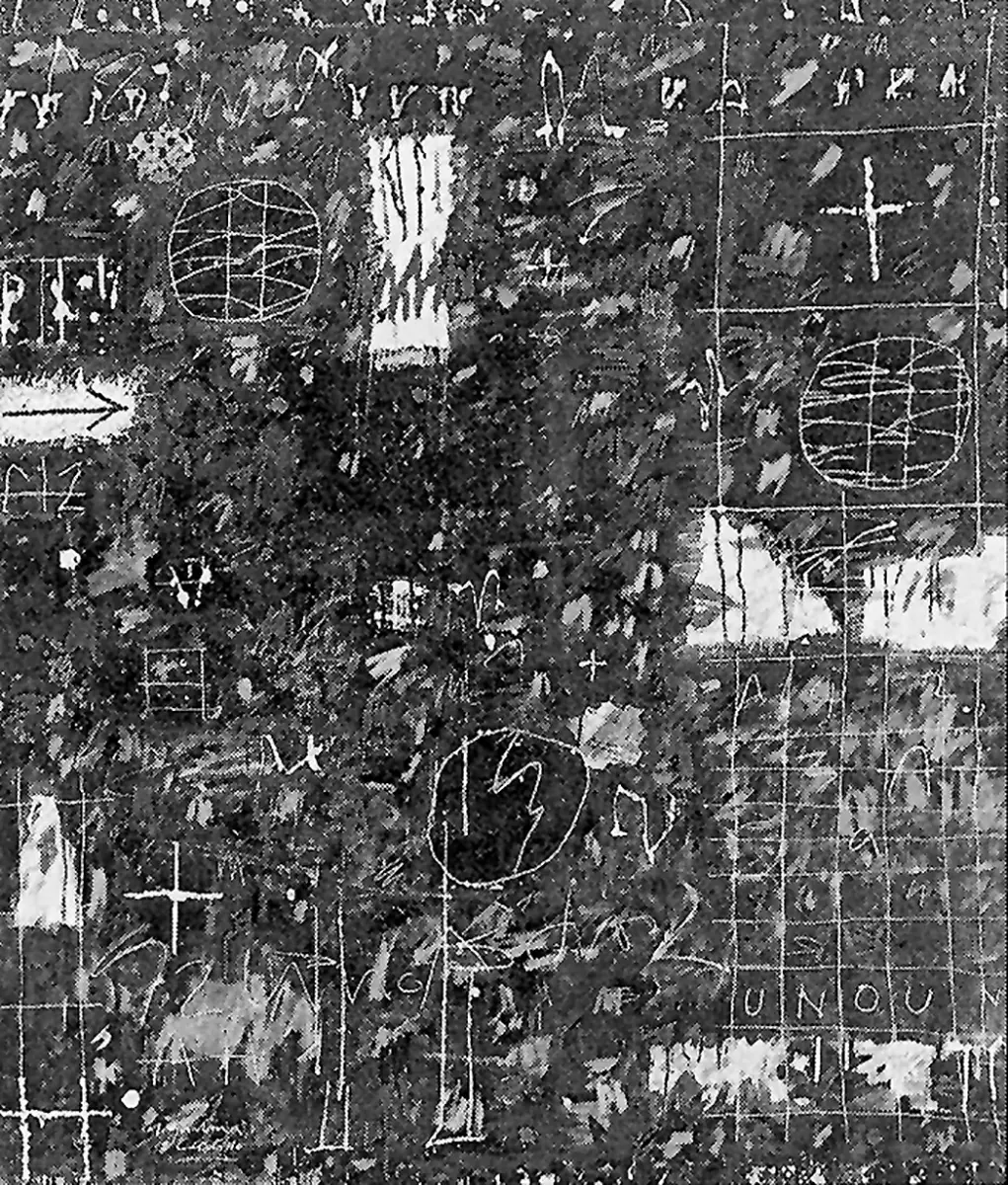
The first event at the new institution was the International Art Biennial of Cumaná, curated by Bélgica Rodríguez, with support from the critic Peran Erminy. Some thirty artists were invited from Bolivia, Panama, Peru, the Dominican Republic, Colombia, Ecuador, Cuba, and Puerto Rico. The Spanish artist Manolo Valdés was also included along with twenty Venezuelan artists, including both painters and sculptors.
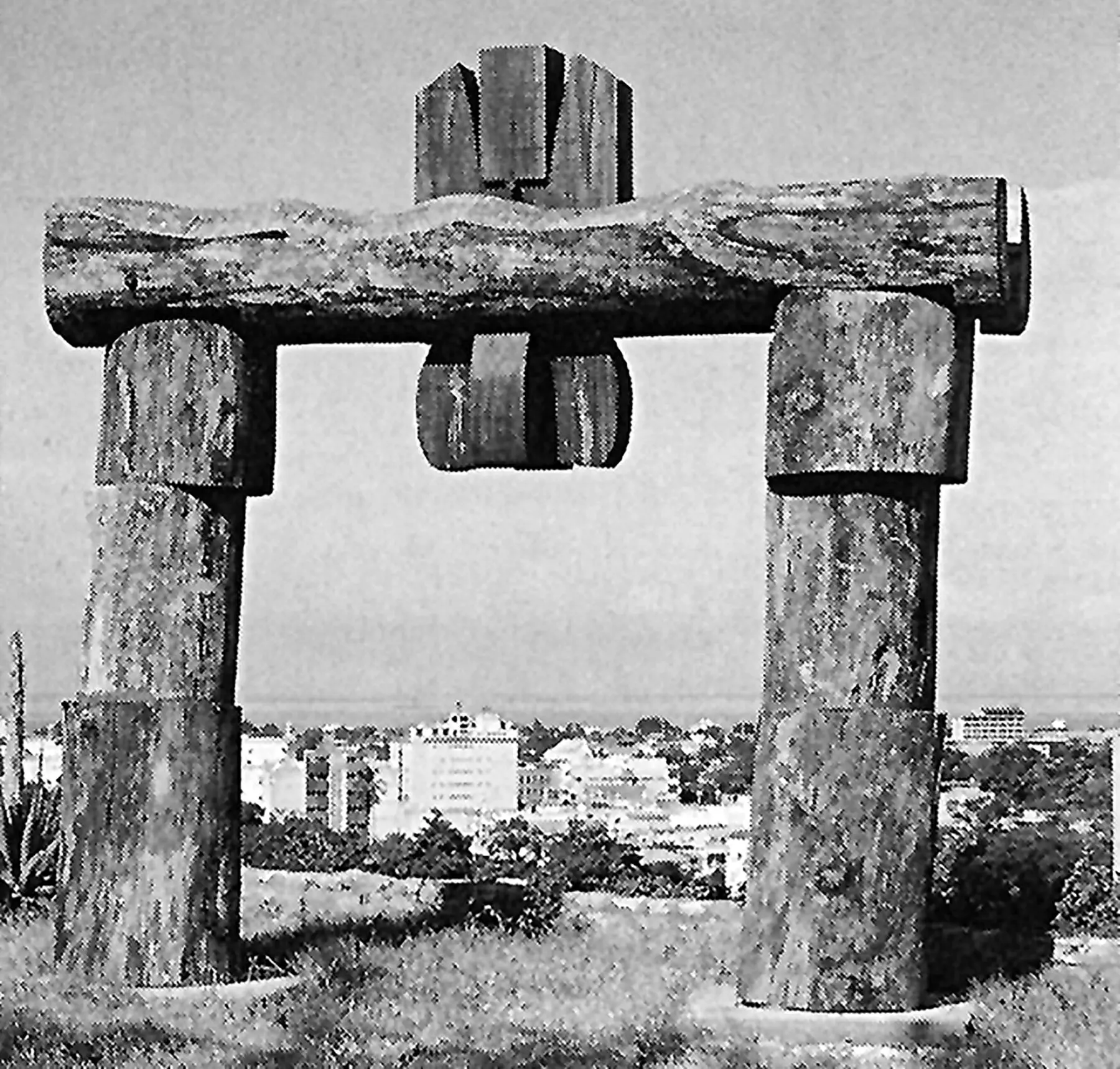
One of the invited artists was the Venezuelan sculptor Pedro Barreto, the creator of Gateway to the Infinite, an enormous arch or doorway in wood, placed along one of the paths on the hill between the walls of the castle and the roof of the museum. This work might well become the symbol of the museum. Barreto has a workshop in Puerto de la Cruz, some thirty minutes from Cumaná, and his work is well known throughout the country. Gateway to the Infinite is like a vestibule or framework for the challenges faced by the museum, from which the past and present of Cumaná can be seen.
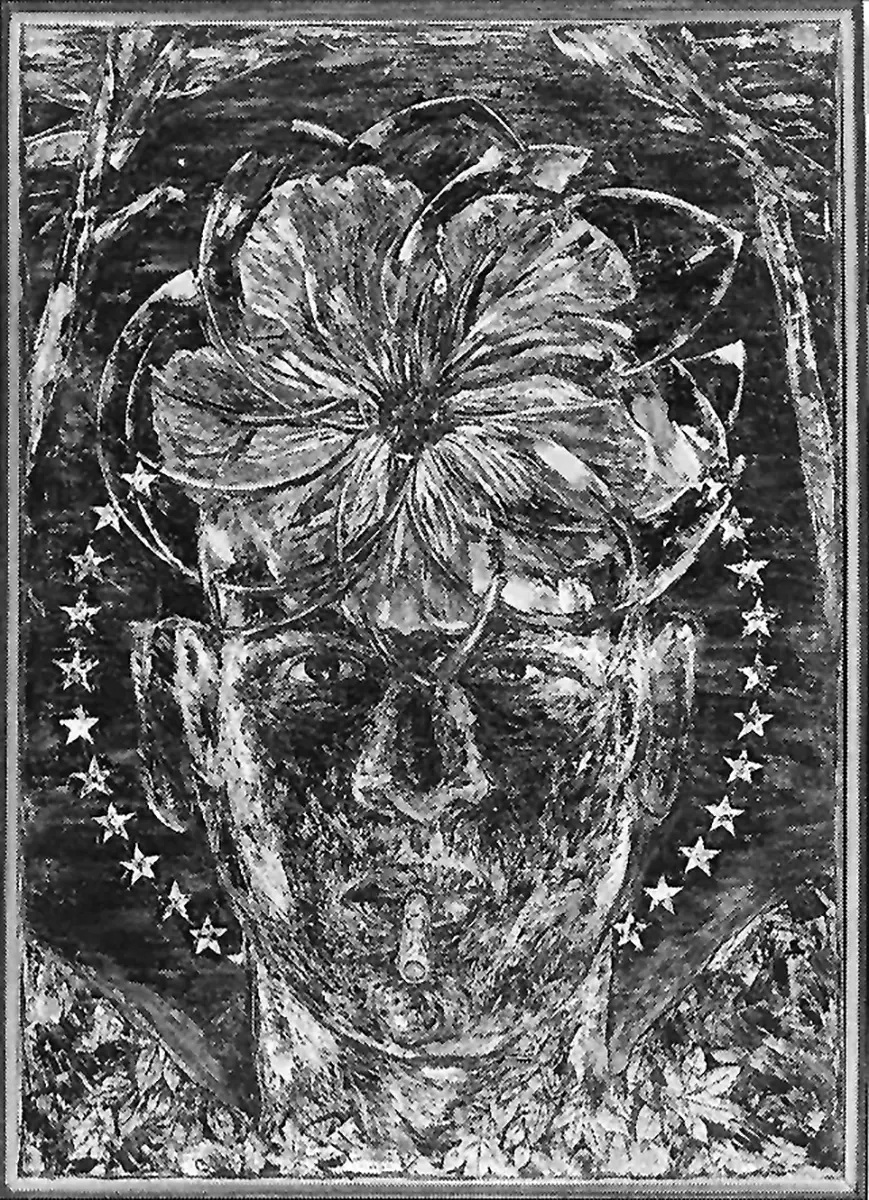
The artists present at Cumaná included José Bedia, who did a wall painting and an installation in homage to the African powers. The most celebrated works at the show included those by the Colombian artist Diego Mazuera, the Cuban Manuel Mendive, the Dominican Fernando Varela, and the Ecuadorian Oswaldo Viteri. Of the Venezuelans, special mention must be made of the sculptors Harry Abend, Milton Becerra, Gilberto Bejarano, and Pedro Terán, as well as the painters Manuel Quintana Castillo and Ernesto Zales.
The opening of this new museum in Venezuela and the holding of an international biennial with Latin American guests-both artists and critics- highlighted the quality of artistic activity in the country. While we await the publication of the respective catalog, we can only salute this event and thank its determined organizers— Bélgica Rodríguez, Cohinta Barrios, Guillermo Barrios, and Peran Erminy—for their efforts.
JUAN CARLOS PALENZUELA