
One of the most representative figures of the radical break generation, Francisco Icaza, recently broke his almost ten-year silence with a major one-man exhibition at the Museum of Modern Art. The show gathered together 47 works in oil, under the powerful title of Painting. Lilia Carillo, Manuel Felguérez, Vicente Rojo, and Gabriel Ramírez, to mention only some of the members of his generation, were the protagonists of a radical break with the so-called Mexican School of Painting. Francisco Icaza, a kind of outsider even within his own generation, was also one of the founders of the now legendary Independent Salon.
Icaza's work is that of someone who makes an enormous effort to see and capture in his canvases this new way of approaching a reality which, although it may sometimes be rather obvious in its references, remains cryptic in its resolution. When Francisco Icaza says that his work is in fact a kind of path leading back to a nomadic existence, he is referring to the fact that since I968 his career has been characterized early on as the son of a diplomat and then as an autonomous and stubborn traveler by a constant moving around and long periods of residence in different countries.
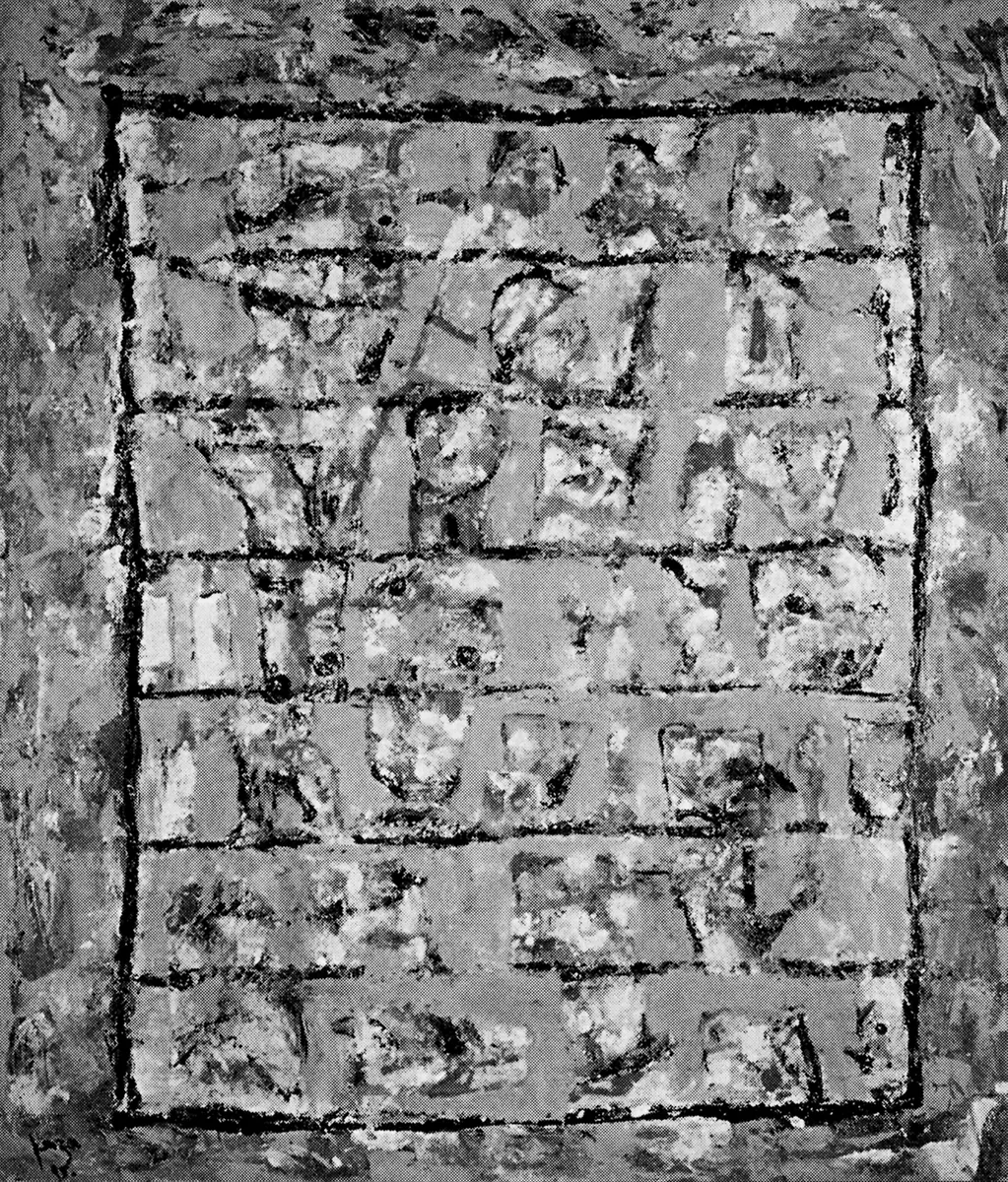
By presenting two other major one-man shows (one by Tomás Parra and the other by Bruno Widman), as well as an important group show of Italian painting between the wars, the Museum of Modern Art, one of the main promoters of contemporary painting in Mexico, would seem to be placing its bets on the return to painting in its original sense. The title of this exhibition Painting was not an arbitrary one. It gave a turn to the screw of art history in this century, as if the end of the millennium were accompanied by a secret desire to re- turn-at least in formal terms-to the origins of the art of the late nineteenth century.
The small and medium format works that look like pages from a book made up of a story which, although lacking in any sequence, reflected Icaza's journeys throughout the world, along with his visual interests. There is a special interest in Africa and African things, their rhythms, and tribal forms of expression. One of the concerns of this painter is to tell and narrate things without lapsing into any narrative facileness. Picture after picture-as if the visit through the exhibition was a journey with the artist to his favorite places, whether a Chinese restaurant or the sea, a museum, a window with a snowy landscape, or the tireless dance of the sphinxes-the artist tells us about the things that attract and repel him in this enormous vastness.
There are frequent references to literature and to the presence of authors relevant to Icaza's creative work. Many of his pictures, for example, have titles like Africa, and culture of rhythm, with the nearest direct reference here being the texts of Leopoldo Sedar Senghor. In his book on Africa, Senghor reported how tribes in the continent would communicate with one another by means of drums about any visitors who were coming to visit them. These tribes were able to describe in the process how those visitors walked and the rhythm of their movements with such precision that when they actually arrived at their destination, the tribe already had a very precise description of what they were like and of their main characteristics.
Just as rhythm is an essential means for tribes of knowing each other, in the same way, I believe that painters discover all the secrets of that other kind of rhythm-visual rhythm. If we sent such works to someone who wanted to know what a potential visitor looked like, they could get a good idea by looking at the painting. From this they would extract certain information: how tall the person was, how he or she moved their arms, how their eyes looked out at people, what they described and what they hid, what they wanted to talk about, and their means of expression, how strong they were and the bravura or timidity with which the paint had been applied to the canvas. Icaza is portrayed in full in his pictures. His fears, his acts of courage, his intimate feelings, and even his way of walking are all recognizable in these pictures at the Museum of Modern Art.
Icaza is one of those artists who, partly as a result of an almost ten-year absence from museums and galleries (his last one-man show was in 1991), is almost unknown to the new generations of creators who now find in him a painter full of vitality and courage. Intense and passionate, Icaza has been able to move from a style that had become somewhat pigeonholed towards works that have even surprised those who had followed his work. The pictures full of figures, birds, reptiles, houses next to the sea, and small boats that never reached their destination have now disappeared and have given way to what Manuel Centeno Banuelos, the current deputy director of the Museum of Modern Art, has described as a move from "figurativism and neo abstractionism" to a "postmodernism in full crisis."
SANTIAGO ESPINOSA DE LOS MONTEROS