
The Botello Gallery recently presented an important exhibition by José Antonio Torres Martino. It consisted of a pictorial compendium relating the impending death of the forests, which are being attacked by the virus of progress, the champions of which are executioners whose destructive urges are senselessly leading them to violate the rules governing the cosmos. The result of this merciless behavior is the rapid disappearance of flora and fauna with which humanity has lived since the beginning of time. This is one of the most important afflictions of our time. This collection of work denounces the aggression being suffered by our habitat on the part of individuals and enterprises that place their own immediate interests over and above the general health and welfare. The artist explores ways of countering the coldness and indifference of these people who are threatening the balance of nature.
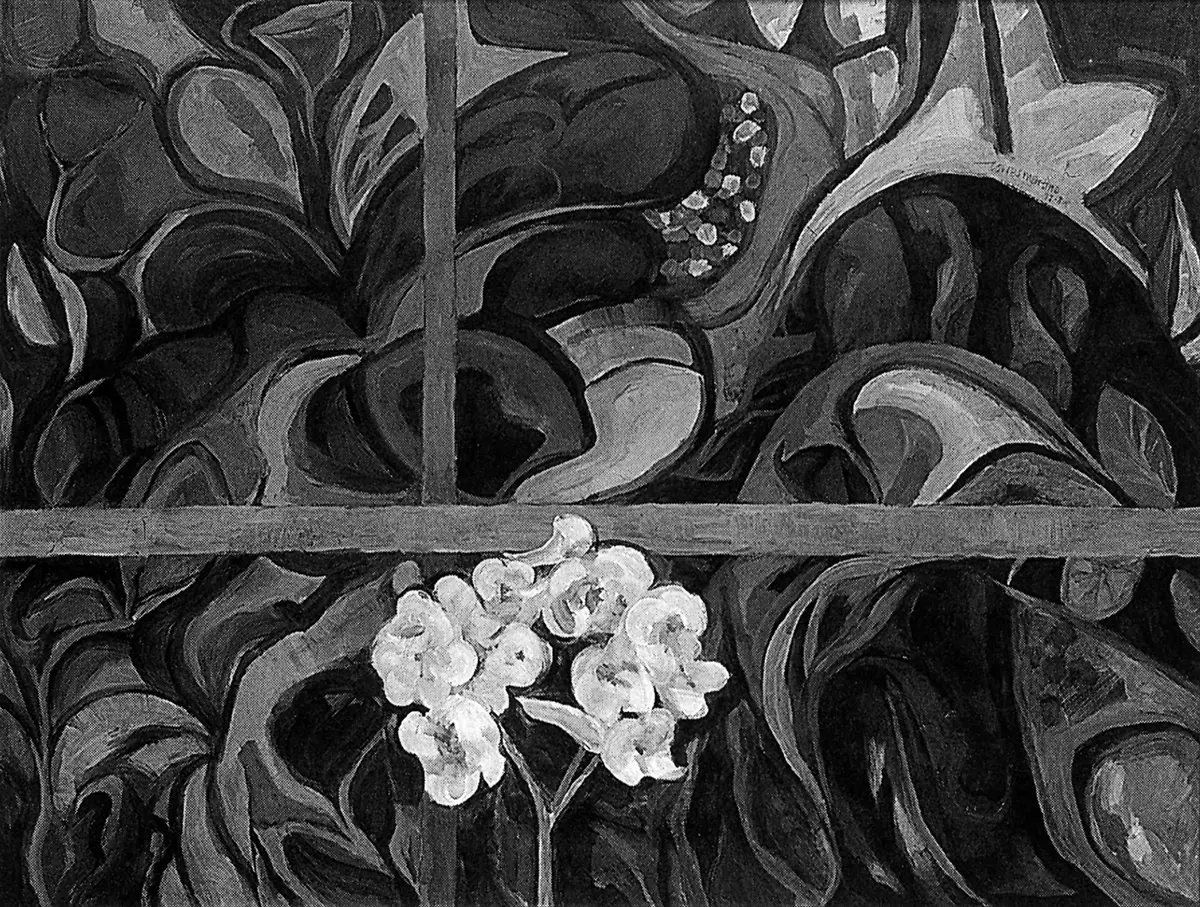
Torres Martino explores ways of countering the coldness and indifference of these people who are threatening the balance of nature. He uses his pictorial discourse to make us understand that the biological alarm systems on the planet have for some time shown disturbing symptoms. However, his aesthetic discourse is not one of apocalyptic drama without any chance of liberation. He manages to convince the observer in a positive manner, activating his sensitivity by showing the marvels that are disappearing forever at a time when many people remain passive and unmoved. We are here in the presence of an atypical art of protest since the language used is not one of sarcasm; rather the artist shows us how nature turns its other cheek to the damage being done against it. The artist makes use of extensive veilings in his paintings that allow the spectator's gaze to plunge into the internal strata of the composition. In this way, the work transmits the purity of the environment when the atmosphere is filtered by vegetation. These transparencies include the effects of light and humidity, reflecting the strengths and weaknesses of the ecosystem.
The painter presents visions that are becoming increasingly distant from man. For this reason, they may lead to a nostalgic reaction. For a moment, we have the impression of being able to return to a lost paradise. But when we look away from the canvas, we realize that this paradise is increasing distance from us. The pictures establish a sense of communication with the remains of an environment that is progressively being exhausted, without any sign of recovery. In this way, Torres Martino tells us that these works could almost be filed away in some archive of memory. It may be that these images become so distant from reality that we will be able to enjoy these things only if we have the opportunity to visit a botanical garden that has become a sort of museum. Such institutions are destined to become like Noah's ark, preserving the surviving examples of flora on the point of extinction.
Perhaps this kind of pictorial collection, like an anguished voice, will in the future become a testimony to the restoration of the world. Such collections will to some extent serve as a means of invoking realities of the past. They will endure, because of their intense artistic and documentary value in the study of natural memorabilia that will sustain the illusions of recovery of the vegetable kingdom.
JOSÉ ANTONIO PÉREZ RUIZ